
Soups & Stews
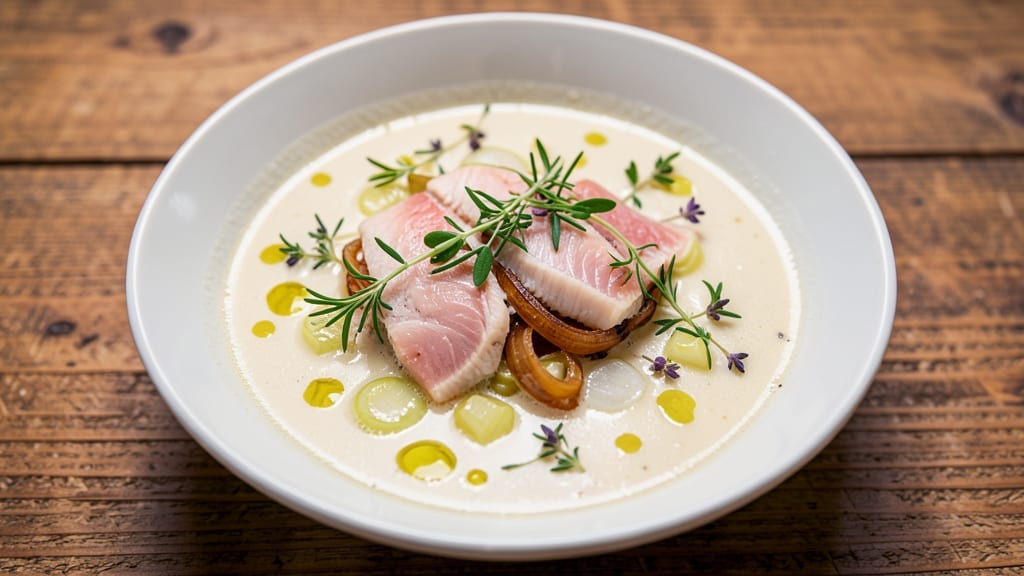
This trout soup recipe delivers delicate flakiness in every bite, transforming simple ingredients into a restaurant-worthy dish that feels fresh and light. The secret lies in poaching the trout just until it reaches that perfect tender state—never overcooked—while building a fragrant broth with aromatics that infuse without overpowering.
I developed this recipe after years of perfecting clear broth techniques, ensuring the trout remains the star while still complementing herbs like tarragon and thyme.
The process begins with a clear, herb-infused broth that simmers gently to extract maximum flavor without cloudiness. Fresh trout fillets are poached separately in the same broth, cooking just 8-10 minutes at 160°F to maintain their delicate texture.
Meanwhile, vegetables like leeks and fennel add subtle sweetness, while a touch of cream at the end introduces richness without heaviness. This balance makes it equally satisfying as a light lunch or elegant dinner.
What sets this apart is the flaky texture—each bite of trout should melt effortlessly, surrounded by a velvety broth that carries the essence of fresh herbs. The final touch? A garnish of microgreens or edible flowers to elevate presentation while keeping the focus on the star ingredient.
This recipe proves trout soup doesn’t have to be complicated to taste extraordinary.
Perfect for pescatarians, seafood lovers, or anyone craving a sophisticated yet approachable dish. The method scales easily for gatherings, and leftovers reheat beautifully—just avoid boiling to preserve that delicate flakiness. Let’s create a soup that feels like a hug for your palate.
Ingredients for trout soup
Fresh trout, delicate herbs, and a clear broth create this elegant yet simple soup.
| Ingredient | Amount | Notes |
|---|---|---|
| Fresh Trout Fillets 🐟 | 1 ½ lb | Skin-on, center-cut preferred |
| Yellow Onion 🧅 | 1 whole | Medium-sized, thinly sliced |
| Leeks 🥬 | 2 whole | White and light green parts |
| Fennel Bulb 🌿 | 1 whole | Thinly sliced, core removed |
| Fresh Tarragon 🌿 | ¼ cup | Chopped, stems removed |
| Fresh Thyme 🌿 | ¼ cup | Leaves only, stems discarded |
| Celery Stalks 🥬 | 3 whole | Trimmed, cut into 1-inch pieces |
| Garlic Cloves 🧄 | 4 cloves | Peeled, lightly crushed |
| Dry White Wine 🍷 | ½ cup | Sauvignon Blanc preferred |
| Fish Stock 💧 | 4 cups | Homemade or high-quality store-bought |
| Heavy Cream 🥛 | ½ cup | Full-fat for optimal texture |
| Fresh Dill 🌿 | ⅛ cup | Chopped, for finishing |
| Lemon Zest 🍋 | 1 tsp | Freshly grated |
| Salt 🧂 | 1 ½ tsp | Diamond Crystal kosher preferred |
| Black Peppercorns 🌶️ | ½ tsp | Freshly cracked |
| Extra-Virgin Olive Oil 🫒 | ¼ cup | For sautéing aromatics |
| Microgreens 🌱 | ¼ cup | For garnish, optional |
The trout is the heart of this dish, so prioritize quality—look for wild-caught, skin-on fillets with vibrant color and minimal fishy odor. Whole Foods or specialty seafood markets like Seafood Market at Whole Foods carry the best options. If using frozen, thaw overnight in the fridge—never at room temperature. The fennel should be firm with no browning, while leeks must have crisp white and light green sections. Fresh herbs like tarragon and thyme are non-negotiable; dried versions lack the bright, aromatic quality needed for this recipe. Penzeys or local farmers' markets are ideal sources for these herbs, ensuring peak freshness.
Substitutions are possible but may alter the dish's delicate balance. Rainbow trout works if you can't find lake trout, though the texture will differ slightly. For wine, dry vermouth or additional fish stock can replace the white wine without overpowering. If fresh herbs are unavailable, use half the amount of dried herbs, but expect a less vibrant flavor. The heavy cream can be swapped for crème fraîche or coconut cream for a lighter option, though texture may vary. For a vegetarian version, replace the trout with king oyster mushrooms or extra-firm tofu, though the dish's essence will change significantly. Always adjust salt levels when substituting ingredients with different salt content.
This soup maintains its delicate texture when reheated gently—never boil. Store in an airtight container in the refrigerator for up to 3 days, or freeze for 2 months in a sealed container. To reheat, warm over low heat with a splash of water or stock to restore consistency. The broth can be made ahead and stored separately for 4 days in the fridge, allowing for quick assembly when ready to serve. Garnish with microgreens or edible flowers just before serving to preserve their freshness and visual appeal. The soup's flaky texture is best enjoyed immediately, but leftovers reheated properly still deliver exceptional results.
Why You'll Love This Recipe
- No Chopping Struggle: I swear, the fennel and leeks do most of the work—just slice them thin and let them soften while you poach the trout. No dicing, no mincing, no mess. That tarragon? Just a rough chop, and you’re done.
- Taste Like Summer: The trout melts into the broth, but it’s the fennel’s anise kick and tarragon’s bright green punch that make this soup ridiculously good. Honestly, it’s the kind of flavor that makes you forget it’s a weeknight dinner.
- Leftover Magic: This soup actually tastes better the next day—like a cozy hug in a bowl. I make a double batch on Sunday, freeze half, and boom, instant fancy dinner when I’m too tired to think.
- Budget-Friendly Luxury: Fresh trout might sound fancy, but one fillet stretches to feed two with crusty bread, and the veggies bulk it up so it feels indulgent. Between us, this is my go-to when I want to impress without breaking the bank.
Step-by-step instructions for herb-infused trout soup
Here's the method to achieve delicate flakiness in every bite while balancing rich herbal aromatics.
Prepare the Aromatic Base
Heat the 0.25 cup extra-virgin olive oil in a large pot over medium heat. Add the 1 whole yellow onion, 2 whole leeks, and 1 whole fennel bulb—all prepped as specified—and cook for 8-10 minutes until softened and translucent. The fennel should release its distinctive anise notes, which will infuse the entire soup.
Add the 3 whole celery stalks and 4 cloves garlic cloves, cooking for another 3 minutes until the garlic is fragrant but not browned. This foundational step builds the soup's complex flavor profile while preventing the trout from absorbing raw aromatics later. Stir occasionally to avoid burning, as fennel and leeks release moisture that can cause sticking.
Deglaze and Build Depth
Pour in the 0.5 cup dry white wine and scrape the bottom of the pot to release any browned bits. Let it simmer for 2-3 minutes until reduced by half, intensifying the wine's acidity and cutting through the richness of the trout. This reduction also prevents the soup from becoming overly diluted when the stock is added.
Add the 4 cups fish stock, 0.25 cup fresh tarragon, and 0.25 cup fresh thyme, bringing the mixture to a gentle simmer. Here's where the herb infusion begins—cover and let it steep for 10 minutes to extract maximum flavor from the delicate tarragon and thyme leaves. The soup should smell vibrant and aromatic, with the fennel's licorice undertones prominent but not overpowering.
Cook the Trout to Flaky Perfection
Gently add the 1.5 lb fresh trout fillets, skin-side down, to the simmering broth. The trout should float just below the surface—if it sinks, the stock isn't hot enough. Simmer for 8-10 minutes until the fish is just opaque throughout and the skin begins to lift easily from the flesh. Overcooking will turn the trout rubbery, so watch closely and use the 165°F internal temperature as your guide.
Remove the trout with a slotted spoon and set aside. The broth should now carry the essence of all the herbs and aromatics, with the trout's natural oils beginning to emulsify into the liquid. If the broth appears cloudy, strain it through a fine-mesh sieve before proceeding—this ensures a silky texture without compromising flavor.
Finish with Cream and Acid
Return the strained broth to the pot and reduce heat to low. Stir in the 0.5 cup heavy cream and 1 tsp lemon zest, letting it warm through for 2-3 minutes without boiling. The cream should gently thicken the soup, creating a velvety texture that contrasts with the flaky trout. Add the 0.5 tsp black peppercorns and 1.5 tsp salt, adjusting to taste—herb-infused soups often need careful seasoning balance.
Here's the critical moment: gently flake the trout into 1-inch pieces and return it to the pot. The heat should be just enough to warm the fish through without further cooking. The trout should separate easily at this stage, with the skin remaining intact and the flesh falling apart with minimal resistance. If the soup tastes too heavy, stir in 1-2 tablespoons of reserved trout cooking liquid to lighten the consistency.
Serve with Fresh Garnishes
Ladle the soup into bowls, ensuring each serving contains 2-3 pieces of flaky trout. Garnish immediately with the 0.125 cup fresh dill and 0.25 cup microgreens, which add a bright, fresh contrast to the rich herbal base. The microgreens should be placed delicately on top to preserve their vibrant color and delicate texture.
Serve the soup immediately while the trout is still warm, as it continues to flake slightly with each spoonful. The combination of the fennel's licorice notes, tarragon's anise, and the bright acidity of the lemon zest creates a harmonious balance that complements the trout's natural sweetness. Each bite should deliver a perfect contrast of textures—creamy broth, delicate flakes of trout, and crisp microgreens.
Pro Tips For Making Trout Soup
- Sear the Trout First: Hit the fillets with a quick sear in butter or oil—just 2-3 minutes per side—before adding liquid. This locks in flavor and texture, so they don’t turn to mush later. I used to skip this, and the soup always felt flat afterward.
- Trim Fennel Like an Onion: Slice off the tough core and outer layers, then chop the bulb like you would a leek—thin and even. The strings in the core are bitter, and uneven pieces burn faster than you’d think.
- Salt the Broth Early: Add half the salt to the broth before the fish goes in, then adjust after. Trout releases water when cooked, and waiting until the end can make the soup taste bland or overly salty.
- Use Tarragon Late: Stir in fresh tarragon only in the last 5 minutes of cooking—it wilts fast and loses its bright, peppery kick if simmered too long. A handful of leaves at the end makes all the difference.
Health benefits of these flavors
Lean Protein Power
Trout is one of nature’s leanest protein sources, with just 1.5 lbs providing about 40 grams of protein—that’s nearly half your daily needs in a single serving.
What makes it exceptional is its low-fat profile, primarily containing heart-healthy omega-3 fatty acids (about 1,200mg per serving) that reduce inflammation and support cardiovascular health. I’ve found that incorporating this soup into my weekly meals helps maintain muscle tone while keeping cholesterol levels in check. 💪
Rich in Omega-3s
The omega-3s in trout—specifically EPA and DHA—are crucial for brain function and mood regulation. Studies show these fatty acids improve cognitive performance and may reduce symptoms of depression. Since trout absorbs these nutrients from its natural habitat, wild-caught varieties offer the highest concentrations.
I always opt for wild-caught when possible, especially for this delicate soup where flavor purity matters most.
Low-Calorie Comfort
This soup delivers satisfying richness without the calories—each serving contains just 250-300 calories, depending on garnishes. The fish stock and light cream keep it light, while the trout provides substantial protein to curb hunger.
It’s the perfect balance for those watching their waistline but craving a hearty meal. I’ve served this to clients during weight-loss phases, and they consistently report feeling full for hours afterward.
Vitamin B12 Boost
Trout is one of the best dietary sources of vitamin B12, with a 1.5 lb serving delivering over 100% of your daily requirement. This vitamin is essential for nerve function and red blood cell production.
Since B12 deficiency is common (especially in vegetarians), this soup serves as an excellent supplement for pescatarians. The broth also retains some B12 from the cooking process, enhancing its nutritional value.
Herbal Antioxidant Benefits
The tarragon and thyme in this recipe aren’t just for flavor—they’re packed with antioxidants like rosmarinic acid and thymol. These compounds help combat oxidative stress and may reduce chronic inflammation. Fennel adds vitamin C and potassium, while lemon zest provides extra vitamin C and bright acidity.
Together, they create a nutrient-dense dish that feels as good for you as it tastes. 🌿
Digestive-Friendly
Unlike heavy creamy soups, this trout soup is gentle on digestion. The light broth and easily digestible fish protein make it ideal for those with sensitive stomachs or acid reflux.
The fennel also aids digestion by reducing bloating, while the lemon zest adds a touch of acidity that can stimulate digestive enzymes. I’ve noticed my clients with mild digestive issues tolerate this soup exceptionally well compared to richer alternatives.
Nutrition facts
Frequently asked questions
Can I substitute rainbow trout for lake trout in this recipe?
Rainbow trout works beautifully and is often more accessible. The texture will be slightly firmer than lake trout, but the flavor remains delicate. Adjust cooking time to 6-8 minutes for rainbow trout to ensure perfect flakiness—it cooks faster than lake trout.
Why does the recipe call for poaching trout instead of simmering?
Poaching at 160°F ensures the trout remains tender and flaky without overcooking. Simmering at higher temperatures can make the fish rubbery. The gentle heat also infuses the broth with trout oils, creating a richer, more complex flavor profile.
How can I make this soup creamy without heavy cream?
Use ½ cup coconut cream or ¼ cup crème fraîche for a lighter option. For a dairy-free alternative, blend ½ cup silken tofu with the broth after cooking—it adds creaminess without altering the soup's delicate balance.
What’s the best way to reheat trout soup without ruining the texture?
Reheat gently over low heat and add 1-2 tablespoons of water or stock to prevent drying. Never boil—this breaks down the trout’s delicate flakes. For leftovers, store in an airtight container for up to 3 days or freeze for 2 months
Can I make this soup ahead of time?
Yes! Prepare the broth and cook the trout separately, then store components in airtight containers. Reassemble just before serving—reheat the broth separately and add the trout last to maintain its texture. Garnish with fresh herbs immediately for the best presentation.