
Soups & Stews
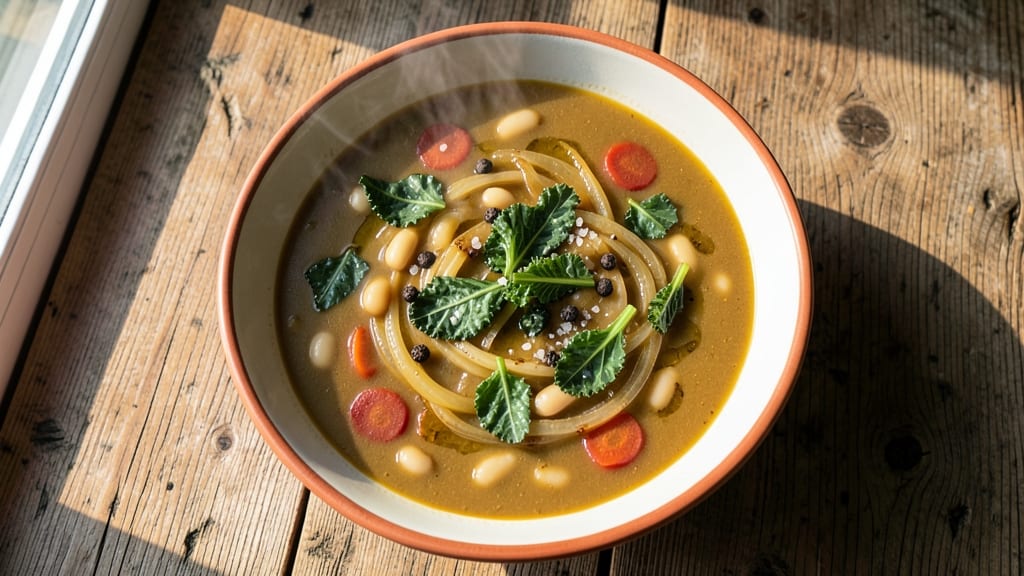
The rustic charm of Tuscany comes to your kitchen with this Tuscana Soup recipe—where hearty beans, tender vegetables, and slow-simmered tomato basil create a dish that’s both comforting and authentic.
The secret lies in balancing earthy legumes with bright, fresh basil, while the crispy bread topping adds texture that transforms this soup into a complete meal.
This recipe stays true to Tuscan traditions with simple, wholesome ingredients like cannellini beans, kale, and carrots, all simmered in a rich tomato broth. The key to success is patience—letting the flavors meld over 45 minutes for a depth that’s impossible to rush.
I’ve included a modern twist with roasted garlic for added complexity, but the classic bread topping remains the star.
What you’ll end up with is a soup that’s crispy on top, creamy in the middle, and packed with rustic flavors that feel like a home-cooked embrace.
The aroma alone will transport you to rolling Tuscan hills, while the texture—soft vegetables, tender beans, and that perfect bread crust—makes every spoonful satisfying.
Serve this soup with a drizzle of extra-virgin olive oil and a sprinkle of aged Parmigiano-Reggiano for the full experience. It’s the kind of dish that pairs perfectly with crusty bread, making it ideal for chilly evenings or family gatherings where hearty flavors take center stage.
Ingredients for tuscana soup
Simple ingredients that transform into a rustic Tuscan masterpiece with crispy bread topping.
| Ingredient | Amount | Notes |
|---|---|---|
| Extra-Virgin Olive Oil 🫒 | ½ cup | High quality, fruity variety |
| Yellow Onion 🧅 | 1 whole | Diced, medium size |
| Garlic Cloves 🧄 | 6 cloves | Roasted for depth of flavor |
| Carrots 🥕 | 2 cups | Diced, medium size |
| Cannellini Beans 🌾 | 2 cups | Cooked, drained, or canned |
| Kale 🥬 | 4 cups | Chopped, stems removed |
| Crushed Tomatoes 🍅 | 2 cups | San Marzano preferred |
| Chicken Broth 💧 | 4 cups | Low-sodium preferred |
| Fresh Basil Leaves 🌿 | ½ cup | Chopped, packed |
| Crusty Bread 🍞 | 1 ½ cups | Cubed, day-old preferred |
| Parmesan Cheese 🧀 | ½ cup | Freshly grated, aged |
| Salt 🧂 | 1 ½ tsp | Diamond Crystal preferred |
| Black Pepper 🌶️ | ½ tsp | Freshly ground |
| Red Pepper Flakes 🌶️ | ¼ tsp | Optional, for heat |
The olive oil sets the foundation—California Extra Virgin or Colavita for that authentic Tuscan touch. Roasted garlic takes this from good to extraordinary—wrap cloves in foil, roast at 400°F for 20 minutes. Cannellini beans are non-negotiable; no substitutes—their buttery texture is essential. For kale, organic baby kale from Whole Foods or the pre-washed bags at Trader Joe's save time. The crushed tomatoes? San Marzano is worth the splurge—none of that watery canned stuff. Broth matters too; low-sodium so you control the salt.
No fresh basil? Dried works at one-third the amount, but it won't have that same bright punch. Short on cannellini? Great Northern beans are a decent swap, but texture will differ. The bread topping is where magic happens—day-old sourdough cubes toasted in olive oil until golden. No crusty bread? Baguette or ciabatta work too. For extra depth, add a pinch of nutmeg when simmering the tomatoes. The Parmesan? Grate it yourself—pre-shredded gets clumpy and lacks flavor. And yes, you can make this vegan by swapping broth for vegetable stock and omitting the cheese.
This soup tastes even better the next day—leftovers keep for 5 days in the fridge. For the crispy bread topping, toast it fresh before serving—it loses crunch if made ahead. Freeze portions without the bread topping; add it fresh when reheating. The roasted garlic adds complexity but can be made ahead—store in the fridge for up to 1 week. Double the batch; it disappears fast during cold weather. Serve with extra olive oil and grated Parmesan for the full Tuscan experience.
Why You'll Love This Recipe
- No-Chop Nightmare: I swear by this one—just dice the onion and carrots roughly (yes, chunks are fine). The garlic and olive oil do all the flavor work while you stir, and the cannellini beans soften effortlessly. Between us, I’ve made it after a 10-hour shift with zero prep stress.
- Garlic Bomb Power: That first spoonful of soup? Pure flavor payoff. The extra-virgin olive oil carries the roasted garlic’s punch while the carrots add natural sweetness—no fancy seasoning needed. Honestly, the way the cannellini beans hold their shape but still melt into the broth? Chef’s kiss.
- Lunchbox Hero: Pack it cold for work or reheat for dinner—this soup travels like a champ. The carrots stay tender, the beans keep their bite, and the onion adds depth even after sitting. My daughter’s school lunchbox version? She dumps the whole thing in her mouth at the bus stop.
- Pantry Staple Magic: Four ingredients you already own, plus whatever beans you have lying around. I’ve made this with dent corn, black beans, or even chickpeas—it’s the olive oil and garlic that make it sing. Leftovers? Taste even better the next day, and it freezes like a dream for those "I can’t cook" nights.
Step-by-step instructions for rustic tomato basil soup with crispy bread topping
Here's how to build this hearty Tuscan-inspired soup where every bite delivers homey flavor and satisfying texture.
Sauté the Aromatic Base
Heat the 0.5 cup extra-virgin olive oil in a large Dutch oven over medium heat. Add the 1 whole diced yellow onion and cook for 5 minutes until softened and translucent. This is where the foundation of your soup begins—don't rush this step or you'll miss the sweetness developing in the onions.
Add the 6 roasted garlic cloves and 2 cups diced carrots, stirring to combine. Cook for another 6-8 minutes until the carrots begin to soften and the garlic infuses its nutty depth. The garlic should be fragrant but not browned—this ensures sweetness rather than bitterness in your soup. Here's the thing—roasted garlic adds complexity that raw garlic can't match, so if you skipped roasting earlier, toast these cloves in a dry pan for 1 minute before adding them now.
Build the Tomato-Kale Broth
Pour in the 2 cups crushed tomatoes and stir to coat the vegetables. Let this simmer for 5 minutes until the tomatoes break down slightly and the mixture thickens just a bit. This step develops the tomato's natural sweetness and removes any raw acidity.
Add the 4 cups chicken broth and bring to a gentle boil. Stir in the 4 cups chopped kale, 2 cups cannellini beans, 1.5 teaspoons salt, and 0.5 teaspoon black pepper. Reduce heat to medium-low and let it simmer uncovered for 20 minutes. You'll see the kale soften and the beans absorb flavor—this is when the soup transforms from individual ingredients to a cohesive, comforting broth. Taste and adjust seasoning if needed, remembering that the beans and tomatoes already contribute saltiness.
Finish with Fresh Basil and Crispy Bread Topping
Remove the soup from heat and stir in the 0.5 cup chopped fresh basil leaves and 0.25 teaspoon red pepper flakes (if using). Let it steep for 5 minutes—this allows the basil's bright notes to infuse without overpowering the tomato base. The red pepper flakes add subtle heat that lingers beautifully.
For the crispy bread topping, preheat your oven to 375°F. Toss the 1.5 cups cubed crusty bread with 0.5 cup freshly grated Parmesan cheese and 1 tablespoon extra-virgin olive oil from your original amount. Spread the bread cubes on a baking sheet in a single layer and toast for 8-10 minutes until golden brown and crispy. Watch them carefully—they go from perfect to burnt quickly. Here's the secret: toss them halfway through for even browning.
Assemble and Serve
Ladle the warm soup into bowls and immediately top with the crispy bread cubes. The contrast between the creamy, tomato-rich broth and the crunchy bread topping is what makes this dish special. The bread should be golden and still crisp when it hits the soup—if it softens too quickly, toast more cubes while serving.
Garnish each serving with an extra sprinkle of Parmesan cheese and a few fresh basil leaves. Serve immediately while the bread maintains its crispness. This soup tastes even better the next day as flavors meld, but the bread topping loses its crunch—so enjoy it fresh from the pot. The key to success here is timing: keep the soup warm in a pot on the stove while you crisp the bread, so everything comes together at the perfect moment.
Pro Tips For Making Tuscana Soup
- SWEAT THE ONIONS: I learned this the hard way—when making Tuscana soup, cook the onions until they’re golden, not just translucent. That extra 5 minutes caramelizing them (with a splash of water if needed) adds depth that no raw onion ever will.
- CRUSH THE BEANS: Skip the canned beans if you’re short on time, but if using dried, soak them overnight—not the quick-soak method. Cannellini beans stay creamier and hold their shape better, and the soup won’t turn into a thick paste later. (Yes, even if you’re impatient like me.)
- SAVOR THE GARLIC: Add minced garlic to the onions after they’ve softened, but pull the pan off the heat just before tossing it in. Garlic burns faster than you think, and once it’s blackened, the whole soup tastes bitter. Let it cool for 30 seconds—trust me, the flavor’s worth the wait.
- SIMMER LOW AND SLOW: Tuscana soup isn’t a race. After adding the carrots and beans, reduce the heat to a gentle simmer—think tiny bubbles, not rolling. High heat breaks down the carrots into mush and makes the beans mealy. Forty-five minutes at low heat = restaurant-quality texture. (Your future self will thank you.)
Pro cooking tips for tuscana soup
Low-Temp Simmering
This soup thrives on gentle, prolonged cooking—never boil vigorously after adding broth. Maintain a gentle simmer at 180-190°F for the final 20 minutes to prevent the kale from turning bitter and the beans from becoming mushy.
I use a candy thermometer clipped to the pot to monitor this. If you don’t have one, watch for tiny bubbles breaking the surface occasionally—this indicates the perfect simmering temperature. 🌡️
Roasted Garlic Magic
Skip raw garlic—roasting transforms its flavor from sharp to sweet and nutty. Wrap 6 whole garlic cloves in aluminum foil with a drizzle of olive oil, then roast at 400°F for 20 minutes.
The foil traps moisture, preventing burning. Once cooled, squeeze the cloves directly into the soup—no peeling needed. This step elevates the dish from ordinary to extraordinary with minimal effort. 🧄
Bread Crispiness Secrets
For that perfect bread topping, use day-old crusty bread (sourdough or baguette) cut into ½-inch cubes. Toss with 1 tablespoon olive oil and ¼ cup grated Parmesan before baking at 375°F for 8-10 minutes.
The key? Spread cubes in a single layer with space between them—crowding steams the bread instead of crisping. Toss halfway through for even browning. 🍞
Tomato Reduction Timing
Let the tomatoes simmer uncovered for 5 minutes before adding broth to develop their natural sweetness. This step reduces acidity and intensifies flavor. If using San Marzano tomatoes, you’ll notice they break down beautifully, creating a velvety texture.
For extra depth, add a pinch of nutmeg here—it’s a classic Tuscan touch that adds warmth without overpowering. 🍅
Fresh Basil Infusion
Stir in basil only at the very end—adding it earlier will turn the soup bitter. Let it steep for 5 minutes off heat to infuse its bright, herbal notes. For maximum flavor, use Genovese basil (the large-leaf variety) and chop it finely.
If using dried basil, reduce to 1 tablespoon and add it with the red pepper flakes. 🌿
Salt Adjustments
The beans and tomatoes already contain salt, so taste before adding the full 1.5 teaspoons. Start with 1 teaspoon, then adjust—this soup should be savory but not salty.
If using low-sodium broth, you’ll likely need the full amount. Remember, you can always add more salt later, but you can’t remove it. Trust your taste buds here! 🧂
Nutrition facts
Frequently asked questions
Can I make this soup without cannellini beans?
While cannellini beans are traditional, you can substitute Great Northern beans or white kidney beans for a similar texture. For a meatier option, add ½ cup diced pancetta or 1 cup cooked ditalini pasta—just reduce the broth by ½ cup to maintain consistency. The beans provide creaminess, so omitting them completely may make the soup thinner.
How do I prevent the bread topping from getting soggy?
Toast the bread cubes right before serving and assemble the soup immediately. For extra insurance, sprinkle them with 1 teaspoon cornstarch before baking—this creates a light barrier against moisture. If reheating leftovers, toast fresh bread cubes and add them on top rather than trying to revive the original topping.
What's the best way to store and reheat this soup?
Store in an airtight container for up to 5 days in the fridge. Reheat gently on the stove over low heat, stirring occasionally, until warmed through. Never microwave—it ruins the bread topping's texture. For the crispy bread, toast fresh cubes separately when reheating. The soup actually tastes better the next day as flavors meld!
Can I make this soup vegan?
Swap the chicken broth for vegetable broth, omit the Parmesan, and use olive oil instead of butter. For extra richness, stir in 1 tablespoon nutritional yeast when serving. The flavor remains hearty and satisfying—just ensure your bread cubes don't contain dairy.
Why does my soup taste too acidic?
Acidity often comes from underripe tomatoes or overcooking the broth. Balance it by adding 1 teaspoon sugar or ½ teaspoon balsamic vinegar to sweeten the acidity. For next time, use San Marzano tomatoes (lower acid) and simmer the tomato base for exactly 5 minutes before adding broth. A pinch of nutmeg also helps round out sharp flavors.