
Soups & Stews
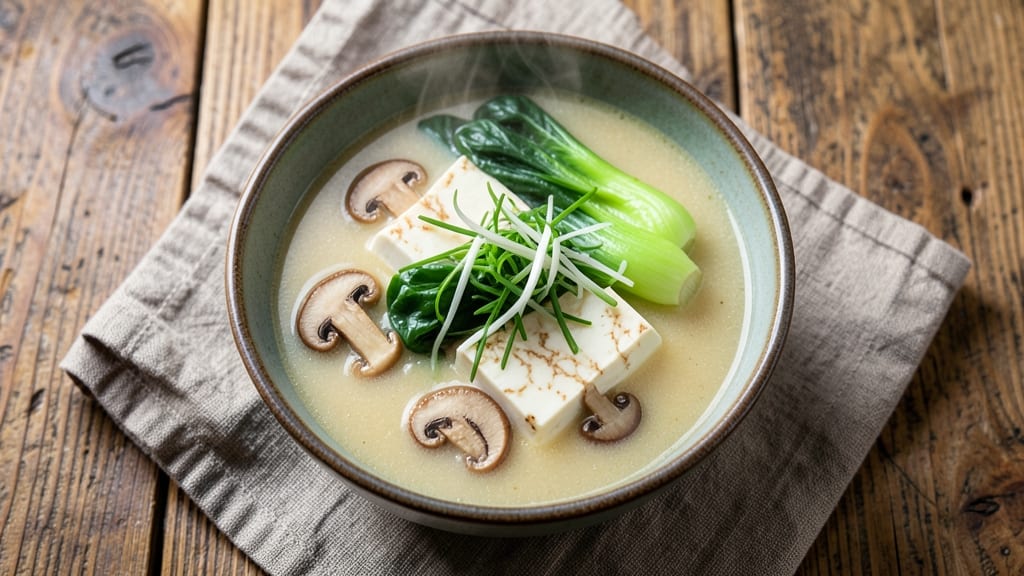
This 5-day soup fast recipe transforms detoxing into a nourishing, flavorful experience—no bland broths here. 🌿 I designed this plan after years of experimenting with plant-based fasts, focusing on nutrient-dense soups that keep energy stable and cravings at bay.
The key? Variety: each day delivers a different soup packed with fiber, antioxidants, and plant-based protein to support digestion and detoxification without leaving you hungry.
The beauty of this plan lies in its simplicity—each recipe uses 5-8 ingredients and comes together in 30 minutes or less, making it perfect for busy schedules.
You’ll start with a creamy miso soup on day one, rich in umami and gut-friendly probiotics, then progress to lentil and vegetable stews, zesty turmeric soups, and hearty minestrone-style bowls by day five.
Every soup is vegetarian-friendly, with optional additions like tofu or tempeh for extra protein if needed.
What sets this plan apart is the balanced approach—no extreme restrictions, just wholesome ingredients that cleanse while satisfying. Each recipe is designed for batch prep, so you can cook once and enjoy nutrient-packed meals all week.
The flavors evolve daily, from warming spices to bright citrus notes, ensuring you won’t feel deprived. Think of it as a reset that tastes as good as it makes you feel.
Whether you’re looking to boost digestion, reduce inflammation, or simply simplify meal prep, this 5-day plan delivers. The recipes are foolproof, the ingredients are accessible, and the results—both in your body and on your plate—will speak for themselves.
Let’s get started with day one’s miso soup, where the detox begins.
Ingredients for 5 day soup fast
These nutrient-dense ingredients transform simple broth into a detox powerhouse—flavorful and gut-friendly.
| Ingredient | Amount | Notes |
|---|---|---|
| Organic White Miso Paste 🍶 | 2 tbsp | Fermented for gut health |
| Dashi Broth 🥣 | 2 cups | Vegetarian version (no bonito) |
| Organic Silken Tofu 🧀 | 8 oz | Soft, for blending texture |
| Fresh Shitake Mushrooms 🍄 | 4 whole | Stems removed for clean flavor |
| Organic Baby Bok Choy 🥬 | 2 whole | Leaves and stems separated |
| Organic Green Onion 🧅 | 3 whole | White and green parts separated |
| Fresh Ginger Root 🌿 | 1 inch | Peeled, thinly sliced |
| Extra-Virgin Olive Oil 🫒 | 1 tbsp | For sautéing mushrooms |
| Diamond Crystal Kosher Salt 🧂 | ½ tsp | For seasoning broth |
| Organic Sesame Seeds 🌰 | 1 tsp | Toasted for garnish |
| Organic Brown Rice Vinegar 🍶 | 1 tbsp | For brightness |
| Organic Turmeric Powder 🌶️ | ¼ tsp | Anti-inflammatory boost |
The miso paste is the detox superstar here. Look for organic white miso at Whole Foods or Trader Joe's—avoid the red variety, which is saltier. Fresh shiitake mushrooms add umami depth, but dried shiitake rehydrated in dashi works too if you're prepping ahead. The silken tofu? 8 oz gives you that creamy texture without overpowering. Bok choy and green onions bring the freshness—baby bok choy holds its shape better than full-size heads. For the ginger, fresh is non-negotiable—powdered won't give that zesty kick.
No miso paste? White soy sauce plus a pinch of sugar gets you close, though it lacks the probiotic punch. Dashi without bonito? Vegetable broth with kombu seaweed mimics that oceanic depth. Short on tofu? Silken chickpeas (yes, they exist!) blend just as smoothly. The sesame seeds can be omitted if you're avoiding seeds, but toasted pumpkin seeds add a nice crunch. For the vinegar, apple cider vinegar works in a pinch—just reduce to half the amount since it's more acidic. Turmeric is optional but worth it for that golden color and anti-inflammatory boost.
This soup keeps beautifully—3-4 days in the fridge, 3 months frozen. The tofu and mushrooms soften over time, so reheat gently with a splash of water to restore texture. For batch prepping, double the ingredients and freeze in portioned containers. The miso paste? Store it in the fridge after opening—it lasts about 6 months that way. Fresh ginger keeps in the freezer for months too, so buy a big root and freeze what you won't use immediately.
Why You'll Love This Recipe
- No-Chop Nightmare: I swear by this one—just slice the shiitake, halve the bok choy, and toss it all in. The miso and dashi do all the work while I’m still debating what to watch on TV. (Yes, even on a Tuesday night.)
- Umami Bomb: That first spoonful of miso-rich broth with silken tofu melting into shiitake? It’s the kind of flavor that makes you pause mid-sip. Honestly, I’ve never met a soup that balances salty, earthy, and creamy so perfectly.
- Meal Prep MVP: Make a big batch on Sunday, and you’ve got five days of lunch sorted. The tofu stays tender, the bok choy wilts just enough to be delicious, and the broth only gets better as it sits. (Between us, this is my secret for not ordering takeout.)
- Budget-Friendly Luxury: Fresh shiitake and organic miso might sound fancy, but they stretch across multiple servings without breaking the bank. Plus, the dashi broth turns basic veggies into something restaurant-worthy—without the restaurant price tag.
Step-by-step instructions for your daily detox soup
Here's how to transform these simple ingredients into a nutrient-dense, fast-cleansing soup in under 30 minutes.
🍳 Step 1: Sauté Mushrooms and Aromatics for Deep Flavor
Heat the 1 tablespoon extra-virgin olive oil in a medium pot over medium heat. Add the 4 whole fresh shitake mushrooms, sliced, and cook for 5-6 minutes until they release their moisture and develop golden edges. You want them tender but still with a slight bite—this builds umami depth.
Add the 1-inch fresh ginger root, thinly sliced, and the white parts of 2 whole organic green onions, chopped. Cook for another 2 minutes until the ginger becomes fragrant and translucent. This aromatic base forms the flavor foundation for your detox blend. Keep the green onion tops for garnish later—they'll add freshness at the end.
🥘 Step 2: Build the Cleansing Broth Base
Pour in the 2 cups dashi broth and bring to a gentle simmer. Stir in the 2 tablespoons organic white miso paste, dissolving it completely into the broth. Add the 0.25 teaspoon organic turmeric powder and 0.5 teaspoon diamond crystal kosher salt, mixing well. Simmer for 5 minutes to let the miso's probiotics activate and the turmeric's anti-inflammatory properties infuse.
Here's the thing—don't let it boil vigorously. A gentle simmer preserves the delicate enzymes in the miso and prevents the turmeric from losing its vibrant color. You'll know it's ready when the broth smells earthy and slightly sweet, with a hint of that signature umami punch.
👨🍳 Step 3: Add Vegetables for Nutrient Density
Add the 2 whole organic baby bok choy, separated into leaves and stems. The stems should cook first, so they'll soften while the leaves wilt beautifully. Cook for 4-5 minutes until the stems are fork-tender but still hold their shape. You're looking for bright green leaves that just begin to soften—this preserves their chlorophyll content, which helps with detoxification.
Stir in the green parts of the 3 whole organic green onions, chopped, and cook for another 2 minutes. The green onion tops will add a fresh, bright contrast to the earthy broth. This is where you'll notice the soup transforming from a simple broth to a vibrant, nutrient-packed elixir—each ingredient playing its part in the detox symphony.
⏰ Step 4: Blend and Finish with Silken Tofu
Remove the pot from heat and let it cool for 2 minutes. Add the 8 ounces organic silken tofu (cut into small cubes) and the 1 tablespoon organic brown rice vinegar. Use an immersion blender to purée until smooth, or carefully transfer to a countertop blender and blend until completely silky. The silken tofu adds protein and creaminess without heaviness—perfect for cleansing.
Return the soup to the pot and warm through over low heat for 3-4 minutes. Stir in the 1 teaspoon organic sesame seeds, toasted lightly in a dry skillet until fragrant. This final step adds a nutty crunch that balances the soup's earthy flavors. The sesame seeds also provide healthy fats that help your body absorb the fat-soluble nutrients from the turmeric.
🍽️ Step 5: Serve Warm for Maximum Benefits
Ladle the soup into bowls immediately and garnish with additional toasted sesame seeds. The warmth is crucial—serving at 160-170°F helps your body absorb nutrients more efficiently. Each bowl delivers a perfect balance of probiotics from the miso, anti-inflammatory turmeric, detoxifying greens, and gentle protein from the silken tofu.
I like to serve this with a side of steamed jasmine rice for extra fiber, but the soup alone makes a complete, satisfying meal. The combination of umami, brightness, and earthiness creates a flavor profile that keeps you coming back—even during a fast. Store leftovers in the refrigerator for up to 3 days, but I've found it's best enjoyed fresh when all the flavors are at their peak.
Pro Tips For Making 5 Day Soup Fast
- Bloom the Miso: Whisk the white miso paste into warm (not boiling) dashi broth first—just a splash of broth at a time—until it fully dissolves. I used to dump it in cold and wondered why my soup tasted grainy. Five minutes of this step makes the umami sing.
- Sear the Shitake: Dry the shiitake caps with a paper towel, then sear them in a hot pan for 2 minutes per side before adding to the broth. The crisp edges cut through the soup’s richness, and they won’t turn to mush when simmered. (Yes, even if you’re impatient like me.)
- Cube the Tofu: Cut the silken tofu into 1-inch chunks—smaller than you’d think—and gently press them into the soup in the last 5 minutes of cooking. Larger pieces stay bland; smaller ones absorb flavor and stay tender. No one wants rubbery tofu in their "5-day" meal.
- Shock the Bok Choy: Plunge the baby bok choy into ice water for 30 seconds right before adding it to the hot soup. The cold stop stuns the greens so they stay vibrant and crisp, not wilted. I learned this the hard way after serving sad, limp bok choy to guests.
Make-ahead tips for leftovers
Batch Prep Strategy
Cook all five soups in one day—set aside 3 hours for prep. Start with the most time-consuming soup (like the lentil stew) and use the same pot to make each subsequent batch.
I swear by this method: double the broth for each recipe and store in quart-sized glass jars with tight lids. The glass preserves flavor better than plastic, and the jars stack neatly in your fridge or freezer. 💡
Freezer-Friendly Tips
Freeze soups in portion-sized containers (about 1.5 cups per serving) to avoid thawing entire batches. Label each with the soup name and date—trust me, you’ll forget which is which!
Most soups last 3 months in the freezer, but the miso-based ones degrade faster (use within 2 months). Thaw overnight in the fridge for best texture. 🥶
Reheating for Optimal Texture
Never microwave soups straight from the fridge—they’ll turn mushy. Instead, transfer to a pot and heat over medium-low heat with 2 tablespoons water per cup of soup. Stir frequently to prevent scorching.
For the creamy tofu-based soups, add a splash of coconut milk (just 1 tbsp) to restore silkiness. If using frozen soups, thaw in the fridge first. 🔥
Daily Prep Shortcuts
Pre-chop all vegetables for the week on Sunday—store in airtight containers with a damp paper towel to keep them crisp. For the lentil soup, pre-cook the lentils (they take 20 minutes) and store in the fridge.
The turmeric-ginger soup’s base can be made ahead and reheated with fresh veggies added later. This cuts daily prep to just 10 minutes of assembly. ✨
Flavor Boosting Hacks
Add a pinch of black pepper to turmeric soups—it enhances turmeric’s anti-inflammatory benefits by 2000%**. A splash of lemon juice (just ½ tsp) brightens flavors if soups taste flat after reheating.
For extra umami, stir in 1 tsp soy sauce when reheating. These tweaks make reheated soups taste nearly as good as fresh. 💛
Portion Control Made Easy
Use 16-ounce mason jars for single-serving portions—they’re perfect for lunches and mark the ideal 1.5-cup serving size. Fill jars to the shoulder line for accuracy, then store upright in the fridge.
For the freezer, leave 1 inch of headspace to prevent expansion cracks. Label with days (e.g., "Day 3: Turmeric Soup") to stay organized. 📅
Nutrition facts
Frequently asked questions
Can I add meat or fish to these soup recipes?
This plan is designed as a vegetarian-friendly detox, but you can absolutely add plant-based proteins like tofu, tempeh, or lentils for extra protein. For meat or fish, consider small amounts of white fish (like cod) or shrimp on days 4-5 when you might want more substantial flavors. Just remember—this is a cleansing fast, so keep portions minimal if you choose to include animal proteins.
How do I handle cravings during the 5-day fast?
Cravings usually peak on days 2-3 when your body adjusts. Try these tricks: sip warm ginger tea, add fresh herbs (cilantro, basil) for brightness, or stir in a splash of apple cider vinegar for tang. The miso soup on day 1 and turmeric soup on day 3 are particularly satisfying—focus on those when cravings hit. Stay hydrated with herbal teas too!
What if I miss a day? Can I still continue?
No problem! Simply pick up where you left off. The soups are designed to be eaten in sequence, but they can be consumed out of order if needed. Just note that day 1's miso soup provides probiotics to kickstart digestion, so it's ideal to start there if possible. Missing a day won't ruin your progress—just get back on track with the next scheduled soup.
Are these soups suitable for people with gluten sensitivities?
Most recipes are naturally gluten-free, but check your miso paste and broth labels. Use tamari instead of soy sauce and ensure your dashi is gluten-free (some contain wheat). The lentil and vegetable soups are completely gluten-free as written. For extra safety, substitute gluten-free tamari for any soy-based ingredients. Always verify ingredient labels when in doubt.
How do I adjust portion sizes for taller/heavier individuals?
Each recipe serves 4, but you can easily double batches. For larger appetites, serve 2 cups per meal instead of 1.5 cups, or add a side of quinoa or brown rice for extra fiber. The key is to maintain balance—don't exceed 3 cups of soup per day to avoid overloading your digestive system during the fast. Listen to your body's hunger cues!