
Soups & Stews
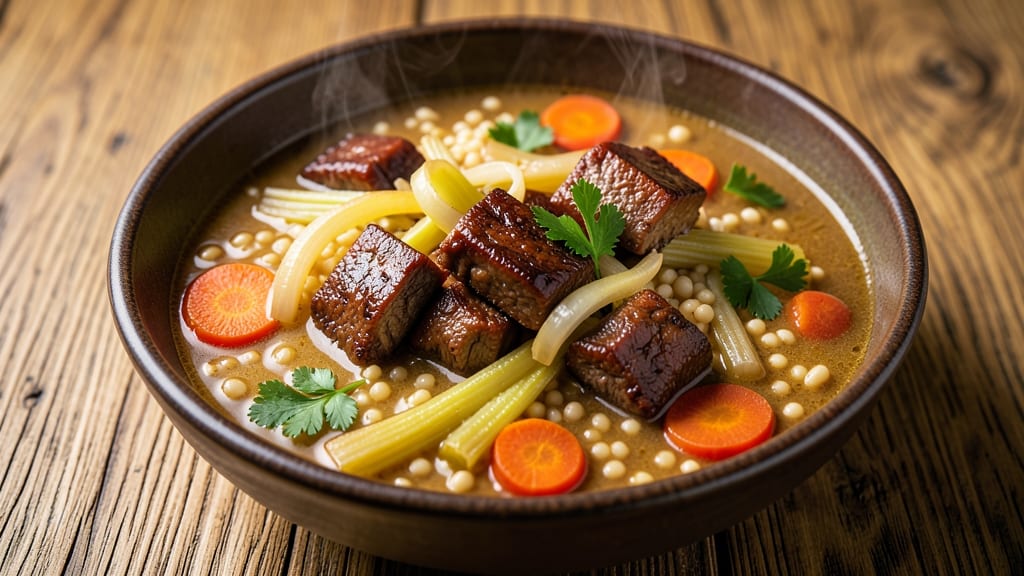
This 5-star beef barley soup recipe transforms a simple pot into a symphony of slow-simmered flavors that rivals your favorite restaurant. The secret lies in low-and-slow cooking, where tender beef, hearty barley, and aromatic vegetables meld into a deeply satisfying broth that warms the soul.
I developed this recipe after years of refining techniques to achieve that perfect balance of richness and comfort—no shortcuts, just restaurant-quality depth.
The foundation begins with a rich beef broth, built by searing beef chuck and browning vegetables to develop deep, caramelized flavors. Barley, often overlooked, becomes the star here—its chewy texture and nutty undertones absorb the broth's essence, creating a hearty bite that keeps you coming back.
This isn’t just soup; it’s a one-pot masterpiece that delivers warmth, texture, and layers of savory goodness in every spoonful.
By the time you’re done, you’ll have a soup so luxuriously tender that even the most skeptical eaters will ask for seconds. The beef falls apart effortlessly, the barley holds its shape yet softens just enough, and the vegetables retain their natural sweetness.
Serve it steaming hot in deep bowls, garnished with fresh parsley and a drizzle of crème fraîche for that final touch of elegance.
Perfect for chilly evenings, holiday gatherings, or whenever you crave a meal that feels like a hug in a bowl. The best part? It gets better with time, as flavors deepen overnight in the fridge. Let’s make this foolproof, restaurant-worthy soup that’ll have everyone begging for the recipe.
Ingredients for 5 star beef barley soup
Sixteen ingredients transform into restaurant-worthy beef barley soup that sings with depth and warmth.
| Ingredient | Amount | Notes |
|---|---|---|
| Beef Chuck Roast 🥩 | 2 ½ lb | Cut into 1-inch cubes, trimmed of fat |
| Yellow Onion 🧅 | 1 whole | Chopped into half-moons |
| Carrots 🥕 | 4 medium | Peeled, cut into thick rounds |
| Celery Stalk 🧄 | 4 whole | Trimmed, cut into 1-inch pieces |
| Garlic Cloves 🧄 | 6 cloves | Smashed, not minced |
| Pearl Barley 🌾 | 1 cup | Rinsed thoroughly |
| Tomato Paste 🍅 | 2 tbsp | Smooth, not chunky |
| Beef Broth 💧 | 6 cups | Homemade or high-quality store-bought |
| Dry Red Wine 🍷 | 1 cup | Bold Cabernet Sauvignon preferred |
| Fresh Thyme 🌿 | 2 sprigs | Stems removed, leaves only |
| Fresh Parsley 🌿 | ¼ cup | Chopped, for garnish |
| Crème Fraîche 🧀 | ½ cup | For finishing drizzle |
| Olive Oil 🫒 | 2 tbsp | Extra-virgin, for searing |
| Salt 🧂 | 2 tsp | Diamond Crystal preferred |
| Black Peppercorns 🌶️ | 1 tsp | Freshly cracked |
The beef chuck is non-negotiable here—look for well-marbled cuts at your butcher or grocery store's meat counter. Costco or Whole Foods carry excellent pre-cut chuck roast, but if you're buying a whole piece, ask for a 2.5-pound roast trimmed of excess fat. The difference in tenderness comes from slow cooking, so don't skimp on quality. For the vegetables, organic carrots and celery have more natural sweetness, but conventional works fine. Rinse the barley thoroughly to remove any bitterness—Bob's Red Mill is my go-to brand, but any pearl barley will work. Fresh thyme and parsley make all the difference—Trader Joe's sells affordable bunches that stay fresh longer than grocery store plastic containers.
No red wine? Substitute with extra beef broth—just add 2 tablespoons of balsamic vinegar for depth. Using store-bought tomato paste? San Marzano is ideal, but any smooth paste works. For the barley, wild rice blend at half the amount adds texture if you're feeling adventurous. The crème fraîche can be swapped for Greek yogurt or sour cream if needed, though it adds that luxurious finish. If you're prepping ahead, par-cook the barley separately and add it later to prevent mushiness. The carrots and celery can be chopped the night before and stored in a sealed container in the fridge—they'll actually taste sweeter after sitting overnight.
This soup tastes even better the next day as flavors meld—plan to make it a day ahead if possible. Store in an airtight container in the fridge for up to 5 days, or freeze portions for 3 months. When reheating, add a splash of broth to prevent thickening. The crème fraîche should be added fresh before serving—it doesn't reheat well. For a restaurant-worthy presentation, ladle into deep bowls and garnish with extra parsley and a drizzle of crème fraîche. Leftovers make fantastic lunches—portion into containers with a side of crusty bread for easy grab-and-go meals.
Why You'll Love This Recipe
- One-Pot Magic: I swear by this—the beef chuck roast practically melts into tender perfection while the barley and veggies simmer together. No extra pots, no fuss, just one pot that smells like home by the time it’s done.
- Deep Umami Bomb: That slow-cooked beef chuck? It’s the star. The onions caramelize just enough to add sweetness, while the garlic and celery build layers of savory depth. Honestly, the first spoonful makes me pause mid-stir.
- Weeknight to Dinner Party: Same recipe, different vibes. Toss it together after work for a cozy night in, or double the batch and serve it at your next gathering. The barley soaks up all the rich flavors—no one will guess it’s this easy.
- Budget-Friendly Feast: A big cut of beef chuck stretches across multiple meals, and the veggies? They’re pantry staples. Between us, this soup feeds four for under $15 and still tastes like you spent hours on it. Leftovers? Even better the next day.
Step-by-step instructions for slow-simmered beef barley soup
This method transforms humble ingredients into a restaurant-quality soup with deep, layered flavors.
Sear the Beef for Maximum Flavor
Heat a large Dutch oven over medium-high heat and add the 2 tablespoons olive oil. Working in batches to avoid crowding, sear the 2.5 lb beef chuck roast cut into 1-inch cubes until deeply browned on all sides—about 4-5 minutes per batch. This step creates the Maillard reaction that forms the flavor foundation.
As you sear, resist the urge to stir constantly—let each piece develop that beautiful crust. Once all beef is browned, transfer it to a plate and set aside. You'll notice the pan will have some browned bits clinging to the bottom—that's pure flavor we'll incorporate later. Real talk: if your beef releases easily from the pan before it's brown, it's not ready. Patience here pays off in the final result.
Build the Aromatic Base
In the same Dutch oven, add the 1 whole yellow onion chopped into half-moons, 4 medium carrots cut into thick rounds, and 4 whole celery stalks cut into 1-inch pieces. Cook for 5-6 minutes until the vegetables begin to soften and the onion becomes translucent.
Add the 6 smashed garlic cloves and 2 tablespoons tomato paste, stirring to coat everything evenly. Cook for another 1 minute until fragrant—this is where the soup's depth of flavor begins to develop. The tomato paste will darken slightly, adding richness. Here's the thing—don't let it burn. If it starts to darken too quickly, reduce heat to medium and keep stirring.
Deglaze and Simmer the Foundation
Pour in the 1 cup dry red wine and scrape up all those browned bits from the bottom of the pan with a wooden spoon. This deglazing step captures all the concentrated beef flavor. Let it simmer for 3-4 minutes until the wine reduces by half and the alcohol burns off—you'll notice the aroma becomes more complex and inviting.
Add the 6 cups beef broth, 2 sprigs fresh thyme, 2 teaspoons salt, and 1 teaspoon freshly cracked black peppercorns. Bring to a gentle boil, then reduce heat to low and return the beef to the pot. The liquid should just barely bubble—this slow simmer is crucial for tenderizing the beef and developing flavor. Cover and cook for 1 hour, stirring occasionally to prevent the barley from sticking to the bottom.
Add Barley and Finish the Soup
After 1 hour, add the 1 cup rinsed pearl barley to the pot. The barley should be fully submerged in the broth—if not, add a splash of water. Return to a simmer and cook uncovered for another 45-50 minutes until the barley is tender and the beef is fork-tender. You'll know it's ready when the barley has absorbed most of the liquid and the beef easily pulls apart with a fork.
Taste and adjust seasoning if needed—this is your chance to perfect the balance. The soup should be rich but not salty, with bright vegetable flavors and tender beef. If it's too acidic, a pinch of sugar helps balance the wine. If it needs more depth, add a splash more broth or a bit of the crème fraîche to round out the flavors.
Finish and Serve with Elegance
Remove the thyme sprigs and discard them. Stir in the 0.5 cup crème fraîche until fully incorporated—this adds a luxurious creaminess without making the soup heavy. The crème fraîche should melt smoothly into the soup, creating a velvety texture that complements the hearty beef and barley.
Ladle the soup into warm bowls and garnish each serving with 1 tablespoon chopped fresh parsley. The parsley adds a fresh contrast to the rich soup and makes it look like you've just served it in a fine restaurant. Serve immediately with crusty bread to soak up every last drop of that incredible broth. This soup tastes even better the next day as the flavors continue to meld, so make extra if you can—it's that good.
Pro Tips For Making 5 Star Beef Barley Soup
- Brown the Beef Properly: Don’t just sear the chuck roast—get it deep golden brown on all sides. I learned this the hard way: pale meat means pale flavor. Use a heavy pot, medium-high heat, and let it sit undisturbed for 3-4 minutes per side until crust forms. That’s where the rich, caramelized foundation for your soup starts.
- Prep Veggies Small and Even: Chop onions, carrots, and celery into uniform ½-inch pieces—no big chunks. I used to leave some whole "for texture," but they stay crunchy while the rest turns to mush. Even sizes ensure everything cooks through at the same time, so you get a silky, cohesive broth.
- Deglaze with Barley First: After browning the beef, splash in the barley along with the liquid—it soaks up the fond immediately. I used to add it later, and the soup always tasted like it missed a layer of flavor. Just 2 minutes of simmering with the barley in the pot makes a real difference.
- Skim Fat Early, Often: Let the soup simmer uncovered for the first 20 minutes, then skim off the thick fat that rises to the top. I know it’s tempting to leave it—it looks like extra richness—but too much makes the broth greasy. A fine-mesh skimmer does this faster than a spoon, and your soup will be lighter, cleaner-tasting.
Storing and reheating your 5 star beef barley soup
Refrigerator Storage
Let your beef barley soup cool completely before transferring to airtight containers—I swear by Ball mason jars for portion control and easy reheating. Store in the fridge at 40°F or below for up to 5 days, but I recommend eating within 3 days for peak freshness. The flavors actually deepen overnight, making it perfect for meal prep. Just
Freezer Storage
For longer storage, freeze your soup in quart-sized freezer bags or glass containers—I avoid ice crystals by pressing plastic wrap directly on the surface before sealing. Label with the date and freeze for up to 3 months. When ready to eat, thaw overnight in the fridge or use the microwave defrost setting for quicker results. The texture remains excellent, though the barley may soften slightly after freezing.
Stovetop Reheating
My preferred method is stovetop reheating—it preserves the best texture. Transfer soup to a pot and heat over medium-low heat for 10-15 minutes, stirring occasionally. Add 2-3 tablespoons of beef broth or water if it thickens too much.
Taste and adjust seasoning—soup often needs a pinch of salt after reheating. For extra richness, stir in 1 tablespoon crème fraîche at the end. 🔥
Microwave Reheating
For quick reheating, use the microwave on 50% power in 1-minute intervals, stirring between each interval. Cover with a microwave-safe lid or damp paper towel to retain moisture. Most soups reach 165°F after 3-4 minutes total.
The crème fraîche should be added fresh after reheating—never microwave it directly as it separates. This method works best for single servings.
Make-Ahead Tips
Double the recipe and freeze half immediately—this saves time on busy days. When reheating large batches, use a slow cooker on low heat for 2-3 hours with the lid slightly ajar. For restaurant-style plating, reheat only what you need and garnish with fresh parsley and a drizzle of crème fraîche.
The soup tastes even better the second day, so plan ahead for maximum enjoyment. 💡
Garnish Fresh
Always add fresh garnishes after reheating to maintain vibrant flavors. A sprinkle of chopped parsley, a swirl of crème fraîche, or a crack of black pepper elevates the dish.
For extra depth, add a dash of Worcestershire sauce or a pinch of smoked paprika when reheating. These finishing touches make all the difference in presentation and taste. ✨
Nutrition facts
Frequently asked questions
Can I substitute regular barley for pearl barley in this recipe?
Yes, but with a few adjustments. Regular barley (like pot barley) will cook faster and become mushier. For best results, reduce the cooking time by 10-15 minutes and check for doneness earlier. If using quick-cooking barley, start with ½ cup less since it expands more. The texture will be softer but still delicious!
How do I make this soup in a slow cooker?
Transfer the seared beef, vegetables, and wine to your slow cooker after Step 2. Add the broth, thyme, salt, and pepper, then cook on low for 6-7 hours or high for 3-4 hours. Stir in the barley during the last 30 minutes of cooking. The slow cooker method is perfect for hands-off prep and delivers tender results.
Why does my beef barley soup taste bland after reheating?
Reheating often dulls flavors because the broth reduces and loses some depth. To fix this, add 1 tablespoon tomato paste or Worcestershire sauce when reheating, or stir in a splash of red wine or beef broth. Fresh herbs (like parsley) and a crack of black pepper also brighten flavors instantly.
Can I use ground beef instead of chuck roast?
Ground beef works but won't have the same rich, tender texture. If you must use it, brown 1 lb of ground beef with the vegetables in Step 2, then proceed as directed. For better results, try beef short ribs or stew meat, which stay juicier during long cooking. The flavor will be deeper and more satisfying!
How can I make this soup vegetarian?
Swap the beef for mushrooms (8 oz cremini or portobello) and add 1 cup lentils instead of barley. Use vegetable broth and a splash of balsamic vinegar for depth. For umami, stir in 1 teaspoon soy sauce or 1 tablespoon miso paste during the final simmer. The texture will be hearty and flavorful!