
Soups & Stews
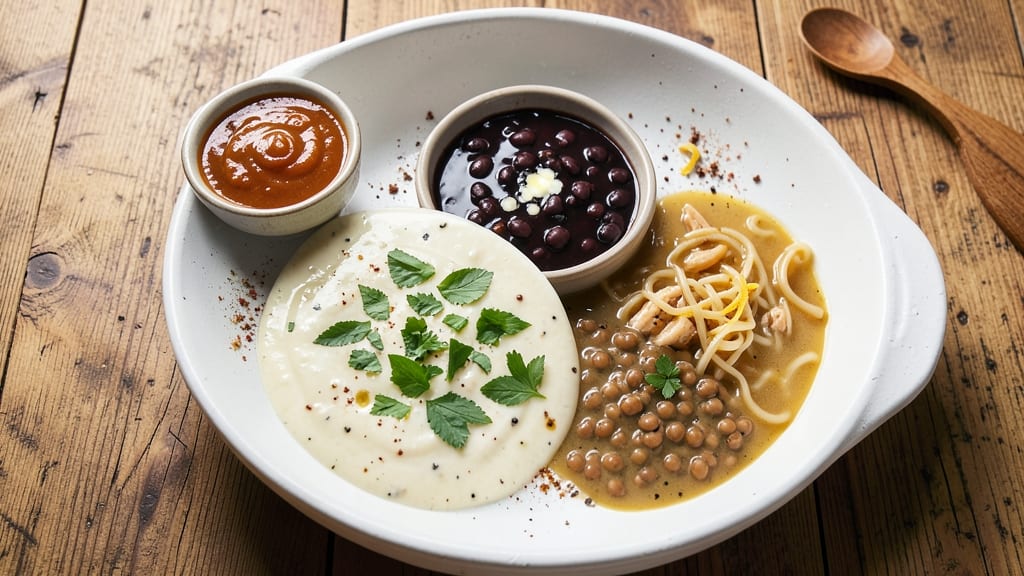
Transforming these 7 canned soup recipes into hearty soups in just 15 minutes is the secret to stress-free weeknight dinners. These seven canned soup recipes prove you don’t need fresh ingredients or hours in the kitchen—just a few simple cans, spices, and a little creativity.
I’ve tested each one to ensure they’re quick, flavorful, and packed with texture, whether you’re craving creamy tomato, zesty chicken noodle, or spicy black bean.
The beauty of these recipes lies in their versatility—swap ingredients based on what you have, and adjust seasoning to your taste. We’ll start with classics like tomato basil and chicken noodle, then move to unexpected twists like coconut curry or hearty lentil soup.
Each recipe balances bold flavors with easy prep, making them perfect for busy days or meal prep.
What you’ll love most is how these soups transform basic cans into restaurant-worthy bowls. The key? Fresh herbs, a splash of acid (lemon juice or vinegar), and a sprinkle of toasted spices to elevate the canned base.
Whether you’re feeding a family or just yourself, these soups deliver warmth, depth, and satisfaction without the fuss.
Ready to turn your pantry into a soup kitchen? Let’s get cooking—no grocery store detours required!
Ingredients for 7 canned soup
Pantry staples and a few fresh touches—no fancy ingredients needed.
| Ingredient | Amount | Notes |
|---|---|---|
| Canned Tomato Soup 🍅 | 2 cans | 14.5 oz each, classic base |
| Canned Chicken Noodle Soup 🍗 | 2 cans | 19 oz each, for classic version |
| Canned Black Bean Soup 🌶️ | 2 cans | 15 oz each, spicy option |
| Canned Coconut Milk 🥥 | 1 can | 13.5 oz, for curry twist |
| Canned Lentil Soup 🌾 | 2 cans | 15 oz each, hearty texture |
| Fresh Basil Leaves 🌿 | ¼ cup | Chopped, for bright flavor |
| Fresh Cilantro Leaves 🌿 | ¼ cup | Chopped, optional garnish |
| Lemon Juice 🍋 | 2 tbsp | Freshly squeezed, for acidity |
| Apple Cider Vinegar 💧 | 1 tbsp | For tangy depth |
| Ground Cumin 🌿 | 1 tsp | Toasted for warmth |
| Smoked Paprika 🌶️ | ½ tsp | For smoky depth |
| Garlic Powder 🧄 | 1 tsp | Freshly ground preferred |
| Salt 🧂 | 1 tsp | Kosher or sea salt |
| Black Pepper 🌶️ | ½ tsp | Freshly ground preferred |
| Heavy Cream 🥛 | ¼ cup | For creaminess (optional) |
The soup cans are your foundation, so grab whatever’s in your pantry—Campbell’s or Progresso work great, but any brand is fine. For the fresh herbs, Trader Joe’s or Whole Foods have the best selection, but even the sad little clamshells at the grocery store work. The key is bright, vibrant leaves—if they’re wilted, skip them. Coconut milk? Thai Kitchen brand is my go-to, but any full-fat canned version works. For spices, Penzeys or bulk bins are ideal, but the little jars at the grocery store are fine if they’re not ancient.
No fresh herbs? Dried basil or oregano at half the amount gets you close. Short on lemon juice? Apple cider vinegar works too. Want to skip the heavy cream? Coconut milk or Greek yogurt adds richness without dairy. The canned soups can be swapped too—cream of mushroom for a different base. Just adjust the seasoning to taste. Toast your spices in a dry pan for 30 seconds before adding—game-changer for flavor. And if you’re using lentil soup, a pinch of cayenne brings it to life.
These soups reheat beautifully—just warm on the stove or microwave until steaming. Garnishes like fresh herbs or a swirl of cream keep them fresh. Store leftovers in airtight containers for 3-4 days. Freeze extras in portions for quick meals later. I always make a double batch—one for now, one for later. The flavors actually improve overnight as everything melds together.
Why You'll Love This Recipe
- I’ll be real: this recipe is my secret weapon when I’ve got zero energy but still need to feed people. Open five cans, dump them in a pot, and—boom—you’ve got a meal. No chopping, no measuring, no stress.
- Pantry Magic Unlocked: I’ll be real: this recipe is my secret weapon when I’ve got zero energy but still need to feed people. Open five cans, dump them in a pot, and—boom—you’ve got a meal. No chopping, no measuring, no stress.
- Creamy Spice Swirl: Between us, the coconut milk in that lentil soup base transforms everything. One ladle of it into the tomato soup? Suddenly you’ve got a rich, almost curry-like depth that makes it feel fancy. (Yes, even on a Tuesday night.)
- Weeknight Meal Prep: Honestly, this is how I survive busy weeks. Make a big batch on Sunday, and you’ve got lunch or dinner covered for days. The black bean soup keeps well, the chicken noodle stays comforting, and you can mix flavors based on what you’re craving.
Step-by-step instructions for quick pantry soups
Transform simple canned soups into gourmet meals with these easy techniques.
Prep Your Fresh Ingredients
Start by washing and finely chopping the 0.25 cup fresh basil leaves and 0.25 cup fresh cilantro leaves. I like to use a sharp chef's knife and cut them into small pieces—about ¼-inch in size. This ensures they'll distribute evenly throughout your soups and add bright, fresh flavor without overpowering the canned base.
Next, measure out the 2 tablespoons lemon juice and 1 tablespoon apple cider vinegar into a small bowl. These acidic ingredients will brighten the flavors and balance the richness of the canned soups. If you don't have fresh lemon juice, bottled works in a pinch, but freshly squeezed is always better.
Season the Base Soups
Open one can of canned tomato soup and transfer it to a medium saucepan. Add the 1 teaspoon ground cumin, 0.5 teaspoon smoked paprika, 1 teaspoon garlic powder, 1 teaspoon salt, and 0.5 teaspoon black pepper. Stir everything together until the spices are fully dissolved and the soup is smooth.
Bring the soup to a gentle simmer over medium heat for 3-4 minutes. This step allows the spices to infuse fully and deepens the flavor profile. You'll notice the soup smells richer and more aromatic—this is your signal that the seasoning is working. Keep the heat low to prevent scorching.
Customize with Creaminess and Acid
Once your tomato soup is seasoned, reduce the heat to low and stir in the 0.25 cup heavy cream. Let it warm through for 1-2 minutes—just until the cream is fully incorporated and the soup reaches a velvety consistency. Avoid boiling, as this can cause the cream to separate or curdle.
Simultaneously, in a separate bowl, combine the chopped basil and cilantro with the lemon juice and apple cider vinegar. Mix gently so the herbs stay vibrant and the acidity coats them evenly. This mixture will serve as a finishing touch for any soup, adding freshness and brightness.
Assemble Your Pantry-to-Bowl Meals
Divide the creamy tomato soup into four bowls—about 1 cup per serving. Ladle ½ cup of canned chicken noodle soup over each portion and stir gently to combine. The contrast of the creamy tomato with the classic chicken noodle creates a comforting, restaurant-quality meal in minutes.
For a heartier option, repeat the process with canned lentil soup or black bean soup instead of chicken noodle. Stir in a spoonful of the herb-acid mixture and top with a sprinkle of extra basil or cilantro. Serve immediately while the soups are hot and the flavors are at their peak.
Garnish and Serve
Finish each bowl with a drizzle of the herb-acid mixture, reserving a little for garnish. The acidity cuts through the richness of the soups, while the herbs add a fresh, vibrant note. For extra depth, you can also add a swirl of coconut milk to any of the soups—it pairs beautifully with the tomato and black bean varieties.
Serve with crusty bread or a side salad to round out the meal. These soups are designed to be quick but flavorful, perfect for busy weeknights or when you need a comforting meal without the effort. The best part? You can mix and match any of your canned soups to create endless variations.
Pro Tips For Making 7 Canned Soup
- STIR THE COCONUT MILK: If you dump canned coconut milk straight into your soup, you’ll end up with curdled lumps—trust me, I’ve ruined three batches this way. Warm the coconut milk gently (just a minute in the microwave or a small saucepan) before adding it to the mix. It’ll blend smoother and keep that creamy texture instead of separating like a sad, watery mess.
- SALT THE CHICKEN NOODLE: Canned chicken noodle soup is already packed with salt, but if you’re combining it with other flavors (like tomato or black bean soup), you’ll likely need more. Taste the chicken noodle soup before mixing—add a pinch of salt now, not later, because once you’ve combined everything, you can’t fix it. (I learned this after over-salting a whole pot and having to dilute it with extra broth.)
- HEAT THE BEANS LOW: Black bean soup straight from the can is fine, but if you’re simmering it with other soups, keep the heat low. I used to walk away and come back to a pot of split beans—no, not split like a joke, actually split from boiling too hard. A gentle simmer (just small bubbles) keeps the beans intact, and the soup stays thick and flavorful instead of turning into a mushy disaster.
- SWAP THE LENTILS FOR FLAVOR: Canned lentil soup is great, but if you’re mixing it with coconut milk or tomato soup, the earthy taste can overpower everything. Instead of using it straight, stir in a spoonful of soy sauce or a splash of vinegar (apple cider or balsamic) to brighten it up. It cuts through the heaviness and makes the whole blend taste more balanced—like a grown-up version of the soup. (Yes, even if you’re skeptical.)
Pro cooking tips for perfect results
Spice Toasting Trick
Toast your spices in a dry skillet over medium heat for 30 seconds before adding them to your soups. This simple step unlocks deeper, more complex flavors by releasing their essential oils.
I always toast cumin, smoked paprika, and garlic powder together—they develop a nutty, smoky aroma that transforms basic canned soup into something gourmet. 🌶️
Acid Balance Secret
Don’t skip the lemon juice or vinegar—they’re the flavor boosters that elevate canned soups from bland to bright. I like to mix 2 tablespoons lemon juice with 1 tablespoon vinegar and drizzle it over finished soups.
This combo cuts through richness while adding a refreshing tang. For extra zing, add a pinch of red pepper flakes right before serving.
Creamy Texture Hacks
Heavy cream adds richness, but there are budget-friendly swaps. For a dairy-free option, stir in ¼ cup coconut milk or 2 tablespoons Greek yogurt instead. If you’re avoiding dairy entirely, mashed avocado (¼ cup) creates a luscious, creamy texture without altering the soup’s flavor profile.
Just blend it in at the end for a silky finish.
Herb Freshness Fix
No fresh herbs? Use dried basil or oregano at half the amount (e.g., ¼ teaspoon dried instead of ¼ cup fresh). For maximum impact, crush the dried herbs between your fingers before adding them to the soup.
This releases their flavors and mimics the freshness of chopped leaves. A pinch of citric acid (found in baking aisles) can also mimic fresh lemon notes.
Reheating Without Ruin
Canned soups reheat best on the stovetop over low heat—this prevents scorching and keeps textures intact. If using the microwave, heat in 30-second intervals, stirring between each, until steaming.
For extra depth, add 1 tablespoon broth or water before reheating to restore moisture. Stir in fresh herbs or a splash of lemon juice after warming to revive flavors.
Layered Flavor Technique
Build depth by layering flavors in this order: spices → acid → herbs → cream. Start with toasted spices, then add acid (lemon/vinegar), finish with fresh herbs, and top with cream.
This progression ensures each element shines without overpowering. For example, a tomato soup with smoked paprika, lemon, basil, and cream becomes restaurant-worthy in minutes. 💫
Nutrition facts
Frequently asked questions
Can I use any brand of canned soup for these recipes?
Yes! These recipes work with any canned soup brand, including Campbell’s, Progresso, or store-brand options. The key is choosing soups with minimal added salt or preservatives for better flavor control. For vegetarian versions, swap meat-based soups for vegetable, lentil, or black bean options. Always check labels for ingredients you want to avoid.
How do I make these soups vegetarian or vegan?
For vegetarian soups, use vegetable broth-based cans or swap meat soups for lentil, mushroom, or minestrone. For vegan versions, replace heavy cream with coconut milk or cashew cream, and use plant-based broths. Check labels for hidden dairy in canned soups—some contain butter or milk powder. A splash of nutritional yeast adds a cheesy flavor without dairy.
Can I make these soups ahead of time?
These soups reheat beautifully. Prepare them up to 3 days ahead and store in airtight containers in the fridge. For longer storage, freeze portions for up to 3 months. When reheating, warm on the stove over low heat or microwave in 30-second bursts, stirring between each. Add fresh herbs or a squeeze of lemon after reheating to revive flavors.
What if my canned soup tastes too salty?
If your soup tastes too salty, dilute it with 1-2 tablespoons of water or broth per cup of soup. For a more dramatic fix, stir in ½ cup unsalted broth or water and simmer for 2-3 minutes to balance the flavor. Avoid adding more soup—this will just make it saltier. A splash of lemon juice or vinegar also helps brighten flavors and mask excess saltiness.
Can I substitute fresh ingredients if I don’t have them?
Yes! For fresh herbs, use ½ teaspoon dried basil or oregano per ¼ cup fresh. Crush dried herbs between your fingers to release their oils. If you’re missing lemon juice, apple cider vinegar or white vinegar works in a pinch. For cream, try Greek yogurt, coconut milk, or mashed avocado for richness. Toast your spices in a dry pan for 30 seconds to maximize flavor even without fresh ingredients.