
Soups & Stews
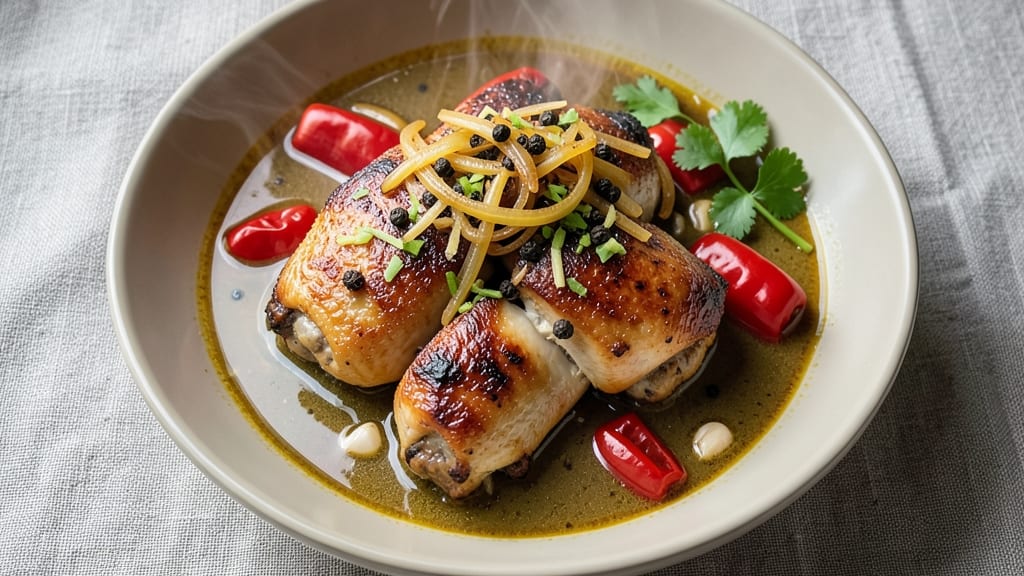
African Pepper Soup is where bold flavors and tender meat come together in perfect harmony—each sip is a symphony of heat, depth, and tradition.
This recipe delivers restaurant-quality results with a rich broth infused with ginger, garlic, and palm oil, while the protein—whether chicken, fish, or goat—becomes fork-tender through slow simmering. The secret lies in balancing the spice blend precisely, ensuring every bite delivers warmth without overpowering the natural taste of the meat.
The beauty of this dish is its versatility—it’s as comforting as it is celebratory, perfect for family gatherings or special occasions.
Traditional African Pepper Soup relies on a ginger-garlic base, layered with spices like black pepper, cayenne, and sometimes a touch of nutmeg, all harmonized with a deep, aromatic broth.
The vegetables—tomatoes, onions, and sometimes leafy greens—add freshness, while the protein absorbs the flavors beautifully, creating a dish that’s both satisfying and deeply flavorful.
What sets this recipe apart is the tender meat—whether you choose chicken, fish, or goat, the slow cooking method ensures it falls apart effortlessly. The broth reduces to a velvety consistency, coating every ingredient in a symphony of spices and aromatics.
Serve it with fufu, rice, or crusty bread to soak up every last drop of that rich, spiced goodness.
Ready to master this classic? The process is straightforward, but the result is unforgettable—warm, spicy, and deeply satisfying. Let’s bring the flavors of West Africa to your kitchen today.
Ingredients for african pepper soup
Bold spices, tender meat, and aromatic broth create this restaurant-worthy African Pepper Soup masterpiece.
| Ingredient | Amount | Notes |
|---|---|---|
| Chicken Thighs, Bone-In 🍗 | 1 ½ lb | Skin-on for maximum flavor |
| Red Bell Pepper 🌶️ | 1 whole | Deseeded and sliced into strips |
| Yellow Onion 🧅 | 1 whole | Thinly sliced for even cooking |
| Fresh Ginger Root 🌿 | 2 tbsp | Finely grated, aromatic base |
| Garlic Cloves 🧄 | 6 cloves | Minced for robust flavor |
| Palm Oil 🫒 | ½ cup | Red palm oil for authentic color |
| Tomato Paste 🍅 | 2 tbsp | High-quality for depth of flavor |
| Ground Black Pepper 🌶️ | 1 tbsp | Freshly ground for optimal heat |
| Cayenne Pepper 🔥 | 1 tsp | Adjust for desired spice level |
| Ground Nutmeg 🌿 | ½ tsp | Freshly grated for warmth |
| Chicken or Vegetable Broth 💧 | 4 cups | Homemade preferred for richness |
| Fresh Thyme Leaves 🌿 | ¼ cup | Dried thyme at one-third amount |
| Scotch Bonnet Pepper 🌶️ | 1 whole | Seeded for milder heat |
| Salt 🧂 | 1 ½ tsp | Diamond Crystal kosher preferred |
| Lemon Juice 🍋 | 1 tbsp | Freshly squeezed for brightness |
The palm oil is non-negotiable for authentic color and depth—African and Caribbean markets or specialty stores like Whole Foods carry it. If unavailable, extra-virgin olive oil works in a pinch, though the flavor profile shifts slightly. For the Scotch bonnet pepper, seek fresh pods at Latin or Caribbean markets; Trader Joe's often stocks them year-round. The chicken thighs should be bone-in and skin-on for maximum flavor infusion—Costco or butcher shops offer the best quality. Fresh ginger and garlic are essential for that vibrant, aromatic base; opt for organic when possible to avoid bitterness.
No palm oil? Red bell pepper paste or smoked paprika can mimic the color, though the flavor will differ. Substitute Scotch bonnet with habanero (use half the amount) or jalapeño (reduce to one-fourth). For the ginger, powdered works at half the volume, though fresh is superior. The tomato paste should be high-quality—Mueller’s or Barilla are reliable brands. If using goat meat instead of chicken, increase cooking time by 20-30 minutes to ensure tenderness. For a vegetarian version, swap the protein for chickpeas or mushrooms and boost the broth volume to 6 cups.
This soup develops deeper flavor over time—reheat gently in a pot with a splash of broth to restore its velvety consistency. Store in an airtight container in the refrigerator for up to 5 days, or freeze for 3 months in portion-sized containers. The broth reduces beautifully, so portion before freezing for easy reheating. For the fresh thyme, wrap stems in damp paper towels and refrigerate for up to 1 week; dried thyme loses potency after 6 months. Always taste before serving—adjust salt and cayenne to balance heat and seasoning.
Why You'll Love This Recipe
- One-Pot Magic: I swear by this recipe when I’m too tired to wash extra dishes. The chicken thighs render all their juices into the pot, the bell pepper adds a sweet crunch, and the ginger-garlic base builds flavor without any extra pans—just stir, simmer, and serve.
- Spice That Stays: Between us, this soup is ridiculously good at waking up your taste buds. The charred red bell pepper gives it a smoky depth, while the ginger and garlic cloves linger on your tongue like a warm hug. (Yes, even on a Tuesday night.)
- Leftovers That Win: I make a double batch on Sundays because this soup only gets better the next day. The flavors meld into something richer, and the chicken stays tender—perfect for lunches or when unexpected guests drop by. No sad, dry reheats here.
- Budget-Friendly Feast: Bone-in chicken thighs stretch my grocery budget without sacrificing flavor, and the veggies (onion, bell pepper, ginger) are pantry staples. Honestly, it’s the kind of meal that makes me feel like I’m treating myself, even when I’m just feeding the family.
Step-by-step instructions for African pepper soup
Master this West African classic where bold spices and tender meat create a symphony of flavors.
Prepare the Chicken and Aromatics
Pat the 1.5 lb chicken thighs, bone-in completely dry with paper towels, removing any excess moisture. This ensures maximum crispiness when searing. In a large Dutch oven, heat 0.5 cup palm oil over medium-high heat until shimmering but not smoking. Add the chicken skin-side down and cook undisturbed for 5-6 minutes until deeply golden brown.
Flip the chicken and cook another 4-5 minutes until the skin is crisp and the internal temperature reaches 165°F. Remove the chicken and set aside. In the same pot, add 1 whole yellow onion and 1 whole red bell pepper, both sliced, and sauté for 5 minutes until softened. Stir in 2 tbsp fresh ginger root and 6 cloves garlic cloves, mincing as you go, and cook for 1 minute until fragrant.
Build the Spice Base
Reduce heat to medium-low and add 2 tbsp tomato paste, stirring constantly for 2 minutes to deepen its flavor. Sprinkle in 1 tbsp ground black pepper, 1 tsp cayenne pepper, and 0.5 tsp ground nutmeg, whisking vigorously to prevent burning. Cook for 1 minute until the spices bloom and fill the kitchen with their aromatic intensity.
Here's the thing—don't rush this step. The spices need time to meld and release their full potential. If the mixture darkens too quickly, reduce heat slightly. Add 0.25 cup fresh thyme leaves and 1 whole scotch bonnet pepper, seeded and roughly chopped, cooking for another 1 minute to incorporate their heat and brightness.
Simmer the Broth and Finish
Pour in 4 cups chicken or vegetable broth, scraping up any browned bits from the bottom of the pot. Return the chicken to the pot, skin-side up, and bring to a gentle simmer. Cover partially and cook for 30 minutes on low heat, allowing the flavors to develop and the chicken to become fork-tender.
After 30 minutes, check for doneness by piercing the thickest part of a thigh—it should slide in easily with minimal resistance. Stir in 1.5 tsp salt and 1 tbsp lemon juice, adjusting the seasoning to your taste. The soup should be vibrant red from the palm oil, with a rich aroma of spices and citrus. If it's too thick, add a splash of warm broth to reach your desired consistency.
Rest and Serve
Remove the chicken from the pot and let it rest for 5 minutes before shredding or slicing against the grain. Return the meat to the soup and simmer for an additional 5 minutes to heat through. The final result should be a deeply flavorful broth with tender meat that falls apart easily, balanced by the bright acidity of the lemon and the fiery kick of the scotch bonnet.
Serve immediately with crusty bread or steamed rice to soak up every last drop of that aromatic pepper soup. The contrast of textures and temperatures makes each bite unforgettable—crisp bread against the velvety, spiced broth.
Pro Tips For Making African Pepper Soup
- CRISP THE CHICKEN FIRST: Skip the raw chicken straight into the pot—pat those bone-in thighs dry, then sear them skin-side down in a hot pan with a splash of oil until the skin turns golden and crispy. That extra 5 minutes makes the soup richer, and the skin won’t turn rubbery later.
- PEEL THAT GINGER THIN: I used to hack off thick chunks of ginger and wonder why the flavor was muted. Instead, slice it paper-thin—about 1/8-inch—and let it bloom in the oil with the onions. Thin slices cook faster and release their punch without turning bitter.
- DON’T RUSH THE PEPPERS: Tossing whole red bell peppers into the pot at the end? Big mistake. Dice them small, then sauté until they soften and just start to caramelize—about 5 minutes—before adding liquid. This builds depth, not just heat.
- SAVE THE GARLIC FOR LAST: If you add garlic with the onions and ginger, it’ll burn before the chicken’s done. Instead, crush the cloves and stir them in the final 2 minutes of cooking. Fresh, bright garlic is the difference between "meh" and "wow."
Health benefits of this recipe
Immune-Boosting Spices
This soup is a powerhouse of immune-boosting ingredients, starting with fresh ginger and garlic—both packed with antioxidants and anti-inflammatory properties. Just 2 tbsp of ginger provides 400% of your daily vitamin C needs, while 6 garlic cloves deliver allicin, a compound that fights infections.
The scotch bonnet pepper isn’t just for heat; it’s rich in vitamin C and capsaicin, which may help reduce inflammation. 💪
Protein-Rich and Satisfying
With 1.5 lbs of bone-in chicken thighs, this soup delivers high-quality protein—about 50 grams per serving—essential for muscle repair and satiety. The slow simmering method ensures the meat becomes fork-tender, making it easier to digest while retaining maximum nutrients.
Unlike processed meats, this protein source is lean and packed with iron and B vitamins, perfect for an energy-boosting meal.
Heart-Healthy Fats
The palm oil used in this recipe isn’t just for color—it’s a source of monounsaturated fats, similar to olive oil, which supports heart health. While palm oil has faced criticism, red palm oil (used here) contains vitamin E and carotenes, which act as antioxidants.
For a lighter option, you could substitute extra-virgin olive oil, though the flavor profile will shift slightly. The lemon juice adds citric acid, which may help lower cholesterol levels. ✨
Digestive Benefits
The fresh thyme and black pepper in this soup aren’t just for flavor—they aid digestion. Thyme contains thymol, a compound that stimulates digestion and may help relieve bloating, while black pepper enhances nutrient absorption, particularly for curcumin (found in turmeric, a common pairing in African cuisine).
The ginger-garlic base is also known to soothe stomach discomfort and reduce nausea, making this soup a great choice for those with sensitive digestive systems.
Antioxidant-Rich Broth
The tomato paste and red bell pepper in the broth are loaded with lycopene, a powerful antioxidant that may reduce the risk of chronic diseases. When cooked with a healthy fat (like palm oil), lycopene becomes even more bioavailable, meaning your body absorbs it more efficiently.
The nutmeg adds a warm, earthy note while contributing manganese, which supports bone health and metabolism. Together, these ingredients create a broth that’s not just flavorful but also deeply nourishing. 🌿
Balanced Heat and Cooling
The cayenne pepper and scotch bonnet provide the signature heat, but the lemon juice and fresh thyme act as cooling agents, creating a balanced flavor profile. This harmony isn’t just delicious—it’s also beneficial for digestion.
The capsaicin in the peppers can increase circulation and metabolism, while the citrus notes from the lemon help neutralize excess acidity, making the soup gentler on the stomach. The result? A dish that’s spicy yet refreshing, with health benefits that go beyond the plate.
Nutrition facts
Frequently asked questions
What makes this African Pepper Soup different from other spicy soups?
This recipe balances heat with depth using palm oil for rich color, ginger-garlic base for aroma, and nutmeg-thyme blend for warmth. The slow simmering creates a velvety broth that coats tender meat, unlike quick spicy stews that rely on raw heat. The Scotch bonnet adds authentic West African fire without overpowering the dish's complexity.
Can I substitute chicken with another protein?
For fish lovers, use firm white fish like snapper or cod (reduce cooking time to 10-12 minutes total). Goat meat works beautifully too—simmer for 1.5 hours instead of 30 minutes. Even chickpeas make a hearty vegetarian option (add them last to avoid mushiness). The key is tenderizing the protein properly to absorb all those bold flavors.
How do I adjust the spice level for sensitive eaters?
Start by removing the scotch bonnet seeds and reduce cayenne to ½ tsp. For milder heat, swap it with bell pepper and add extra lemon juice (2 tbsp) to balance. The palm oil already provides depth without heat, so the broth will still taste rich and satisfying. Always taste before serving—you can add more lemon or fresh herbs to cool the spice.
Why does my soup taste bitter? What went wrong?
Bitterness usually comes from overcooking the ginger or garlic (burnt aromatics) or letting the tomato paste darken too much. Keep heat medium-low when adding spices and never let the broth boil vigorously. If it happens, brighten with 1 extra tbsp lemon juice or a pinch of sugar to balance. The palm oil should be the star—if it smells burnt, start fresh.
Can I make this soup ahead of time?
Yes! This soup actually improves overnight. Store in an airtight container in the fridge for up to 5 days. Reheat gently on low heat with a splash of broth—never microwave directly as it can make the broth watery. For freezing, portion before adding meat (freeze broth/spices separately), then thaw and reheat with fresh protein. The flavors meld beautifully over time!