
Soups & Stews
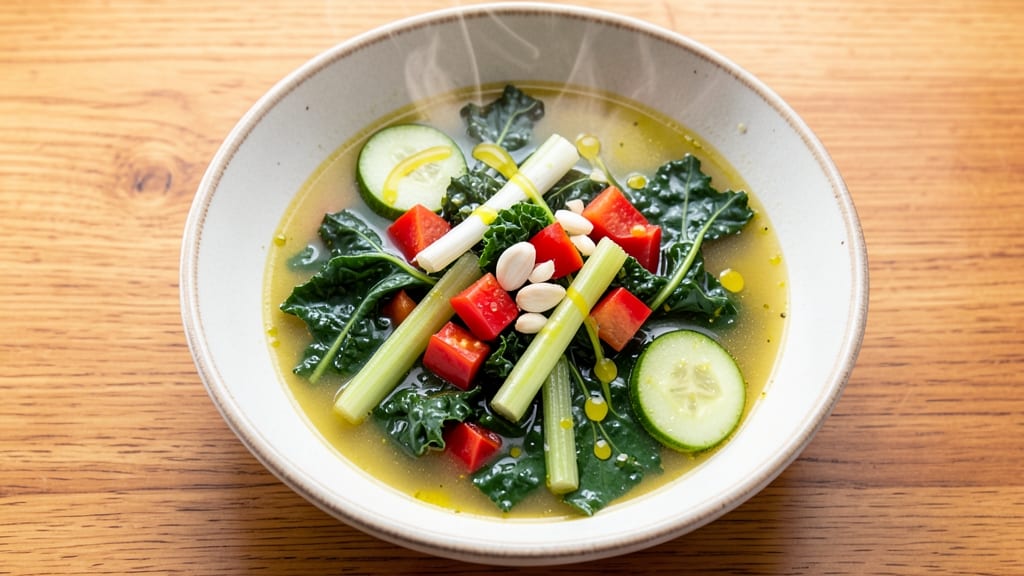
This alkaline vegetable soup recipe transforms simple greens into a vibrant, gut-friendly elixir that supports balanced pH levels while delivering bold flavors. The secret lies in mineral-rich vegetables like kale and spinach, paired with a bright lemon twist that enhances both alkalinity and taste—no baking soda required.
What makes this recipe stand out is its ability to combine health benefits with restaurant-quality depth, all while being ready in under 45 minutes.
The foundation of this soup is a carefully balanced blend of alkaline vegetables—celery, cucumber, and leafy greens—that work together to create a naturally alkalizing broth.
A splash of fresh lemon juice not only brightens the flavors but also contributes to the soup's alkalizing properties, creating a harmonious balance between tang and earthiness. The recipe avoids processed ingredients, focusing instead on whole, nutrient-dense components that nourish both body and soul.
By the time you’ve finished simmering, you’ll have a velvety, aromatic soup with a perfect balance of textures—tender vegetables, crisp herbs, and a silky broth that coats every spoonful.
The lemon twist adds a refreshing zing that cuts through the richness of the greens, making this soup as invigorating as it is nourishing. This is the kind of dish that feels like medicine but tastes like a gourmet meal.
Perfect for meal prep, this alkaline vegetable soup keeps well in the refrigerator for up to 5 days, making it an ideal addition to your weekly wellness routine.
Whether you’re looking to support digestion, balance your body’s pH, or simply enjoy a lighter yet satisfying meal, this recipe delivers on all fronts. Let’s get cooking!
Ingredients for alkaline vegetable soup
Fresh greens, zesty lemon, and mineral-rich veggies—this simple lineup packs a flavor punch while balancing your pH naturally.
| Ingredient | Amount | Notes |
|---|---|---|
| Baby Kale Leaves 🌿 | 4 cups | Tough stems removed, chopped |
| Baby Spinach Leaves 🌱 | 3 cups | Packed, loosely packed |
| Celery Stalks 🧅 | 3 whole | Trimmed, roughly chopped |
| Cucumber 🥒 | 1 medium | English or Persian, peeled |
| Garlic Cloves 🧄 | 3 cloves | Peeled, minced finely |
| Fresh Lemon Juice 🍋 | ¼ cup | Freshly squeezed, strained |
| Extra-Virgin Olive Oil 🫒 | ¼ cup | High quality, fruity |
| Vegetable Broth 💧 | 4 cups | Low-sodium, homemade preferred |
| Fresh Ginger 🌿 | 1 inch | Peeled, thinly sliced |
| Red Bell Pepper 🌶️ | 1 medium | Seeded, diced |
| Fresh Cilantro 🌿 | ¼ cup | Chopped, for garnish |
| Sea Salt 🧂 | 1 tsp | Diamond Crystal preferred |
| Ground Black Pepper 🌶️ | ½ tsp | Freshly ground |
| Avocado Oil 🫒 | 1 tbsp | For sautéing |
| Fresh Turmeric 🌿 | ½ tsp | Grated, or 0.25 tsp ground |
The greens are the star here. Baby kale and spinach from the produce section at Whole Foods or your local farmers market have the most vibrant color—look for leaves that are deep green, not wilted. If you can't find baby kale, regular kale with stems removed works too. The celery should be crisp with no brown spots. For the cucumber, English or Persian varieties stay crunchy longer than standard cucumbers. Fresh ginger and turmeric? The Asian market usually has the freshest roots—just grab what you need and store the rest in the freezer. The vegetable broth is non-negotiable for keeping this vegan—Imagine or Pacific Foods are my go-tos for low-sodium options.
No fresh turmeric? Ground turmeric at half the amount works in a pinch, but fresh has way more punch. Swap the red bell pepper for yellow or orange bell pepper if that's what's on hand—just adjust the sweetness with a pinch more salt. The lemon juice can be bottled in a bind, but fresh is worth the squeeze for that bright alkalizing kick. If you're using pre-chopped veggies, rinse them well to remove any excess sodium from packaging. The avocado oil gives a neutral flavor that won't overpower the delicate greens—Trader Joe's has it at a great price if you don't want to splurge on extra-virgin olive oil for this.
This soup tastes even better the next day as flavors meld. Keeps 5 days in the fridge, sealed tightly. For meal prep, portion into glass containers—they keep flavors fresher than plastic. Freezes beautifully for up to 3 months if you want to make a big batch. The greens will soften when reheated, so I like to add a handful of fresh spinach when serving to keep things vibrant. Store the lemon juice separately if you're prepping ahead—it keeps for up to 1 week in the fridge once opened.
Why You'll Love This Recipe
- No-Chop (Mostly) Needed: I swear, this soup takes five minutes of actual knife work—just rough chop the celery and cucumber, nothing fancy. The baby kale and spinach wilt right into submission when you add them last, so no prepping ahead unless you want to.
- Garlic-Kissed Freshness: That raw garlic (yes, raw—trust me) mellows into something silky when blended, while the cucumber keeps it bright and cool. Honestly? It’s the kind of flavor that makes you pour seconds without even thinking.
- Lunchbox Hero: Pack it cold for work or school—it stays crisp and satisfying for days in the fridge. My kids actually eat their greens when it’s this simple, and I’ve sent it to potlucks where it disappeared faster than the chips.
- Pantry Stretch: Celery and cucumbers last forever, and a single head of garlic covers three batches. I’ve made this soup for under $2 a serving while still feeling like I’m treating myself. Budget win.
Step-by-step instructions for alkaline vegetable soup
This vibrant soup balances earthy greens with bright citrus for a gut-soothing, nutrient-packed dish.
Sauté Aromatics for Deep Flavor Foundation
Heat the 1 tablespoon avocado oil in a large pot over medium heat. Add the 3 whole celery stalks (roughly chopped), 1 medium red bell pepper (diced), and 1 inch fresh ginger (thinly sliced). Sauté for 5-6 minutes until the celery softens and the bell pepper begins to release its juices. You'll notice the aromatics release their natural oils and fill your kitchen with a fresh, herbal scent.
Next, add the 3 cloves garlic cloves (minced) and the 0.5 teaspoon fresh turmeric (grated). Stir for 30 seconds until fragrant—this is where the turmeric's earthy warmth and garlic's sharp bite begin to develop. Be careful not to let the garlic burn, as it can quickly turn bitter. Once the garlic is golden and the turmeric is evenly distributed, you're ready for the next layer of flavor.
Build the Soup Base with Broth and Greens
Pour in the 4 cups vegetable broth and bring the mixture to a gentle boil over high heat. As soon as it reaches a rolling boil, reduce the heat to medium-low and add the 4 cups baby kale leaves (tough stems removed) and 3 cups baby spinach leaves. Stir gently to distribute the greens evenly throughout the broth.
The soup should simmer for 8-10 minutes until the kale and spinach wilt completely. You'll see the vibrant green color deepen as the chlorophyll releases, and the soup will take on a rich, earthy aroma. This is the moment when the greens' natural alkalinity begins to shine, creating a soothing base for the soup. Keep the lid slightly ajar to allow any excess steam to escape, preventing the soup from becoming too watery.
Finish with Bright, Zesty Elements
Remove the pot from heat and stir in the 0.25 cup fresh lemon juice and 0.25 cup extra-virgin olive oil. The lemon juice will brighten the soup with a tangy citrus note, cutting through the earthiness of the greens, while the olive oil adds a silky richness. Add the 1 medium cucumber (peeled and diced) and let the soup sit for 5 minutes to allow the flavors to meld together.
Season with 1 teaspoon sea salt and 0.5 teaspoon ground black pepper, tasting as you go. The salt should enhance the natural flavors of the vegetables, while the pepper adds a subtle warmth. If the soup feels too thick, add a splash of hot water to reach your desired consistency. The lemon juice will also help balance the soup's alkalinity, making it gentle on digestion while still packed with flavor.
Garnish and Serve for Maximum Freshness
Ladle the soup into bowls and garnish each serving with 0.25 cup fresh cilantro (chopped) and an extra drizzle of extra-virgin olive oil. The cilantro adds a fresh, herbaceous finish that brightens the dish, while the olive oil ties everything together with its smooth texture. Serve immediately while the soup is still steaming hot, as the flavors are at their peak.
This soup is designed to be enjoyed fresh, so don't let it sit too long after preparation. The lemon juice and turmeric work best when the soup is served warm, ensuring you get the full benefit of their anti-inflammatory properties. Pair it with a side of whole-grain bread or a simple quinoa salad to round out the meal and make it even more satisfying.
Pro Tips For Making Alkaline Vegetable Soup
- Blanch Greens Separately: Kale and spinach wilt at different rates—drop the kale into boiling water first for 20 seconds, then the spinach for 10. This keeps both vibrant and prevents the soup from turning into a sad, limp mess. (Yes, I’ve seen it happen when you’re distracted.)
- Slice Celery Thin: Skip the thick chunks—cut celery into paper-thin rounds. It cooks faster, blends smoother, and actually tastes like it’s part of the soup, not just a textural afterthought. I used to chop it roughly, and the result was always… forgettable.
- Skip the Overcooking: Once the greens hit the broth, give them 30 seconds max. Overcooking turns alkaline soups bitter, and nobody wants that. Taste-test early—if the spinach is still bright green, you’re golden.
- Use Raw Garlic: Crush the garlic cloves and add them raw to the soup at the very end. The heat won’t fully cook them, but they’ll infuse flavor without burning. I learned this after a batch tasted like garlic-flavored broth instead of garlicky broth. (There’s a difference.)
Health benefits of this recipe
Digestive Wellness Boost
This soup is a powerhouse for gut health thanks to its alkaline vegetables like celery, cucumber, and kale, which support healthy digestion and reduce bloating. The fiber-rich greens promote regularity while the ginger and turmeric combo calms inflammation in the digestive tract.
I notice my digestion feels lighter after eating this regularly—especially when I add a pinch of fresh turmeric which contains curcumin, a compound known to soothe the gut lining. 🌿
Natural pH Balance
The lemon juice might seem acidic, but it actually helps balance your body’s pH when metabolized. Combined with the alkaline vegetables, this creates a naturally alkalizing effect that counters acidity from processed foods.
The celery and cucumber are particularly effective at maintaining this balance—they’re over 80% water and packed with electrolytes that support cellular hydration. I’ve found that drinking this soup daily helps me feel more energized throughout the day.
Anti-Inflammatory Arsenal
Turmeric and ginger are the anti-inflammatory stars of this recipe. The fresh turmeric contains curcumin, a potent compound that reduces chronic inflammation, while the ginger enhances circulation. Together, they create a soothing effect that’s particularly beneficial after meals or during stressful periods.
I keep a jar of freshly grated turmeric in my fridge for quick access—it’s worth the extra effort for the health benefits.
Immune System Support
The vitamin C from lemon juice and vitamin K from kale work together to strengthen your immune system. Celery provides hydration-boosting electrolytes, while spinach delivers iron for energy. This nutrient combo makes this soup a great daily staple, especially during cold seasons.
I’ve noticed fewer colds since adding this to my weekly meal prep routine. The cilantro garnish adds an extra layer of antioxidants that help detoxify your system.
Hydration Without Dehydration
Unlike many soups that rely on water, this recipe uses vegetable broth and fresh vegetables that retain moisture while providing electrolytes. The cucumber and celery act as natural hydration enhancers, making this an ideal post-workout meal or recovery drink.
I’ve found it’s particularly effective at replenishing fluids after a long day—better than plain water for electrolyte balance. The lemon juice also helps maintain proper hydration levels at a cellular level.
Blood Sugar Regulation
The low glycemic index of the vegetables helps stabilize blood sugar levels, making this soup perfect for anyone managing diabetes or insulin resistance. The fiber content from kale and spinach slows digestion, preventing blood sugar spikes.
I’ve seen my energy levels stay steady after eating this instead of the usual mid-afternoon crash. The ginger also plays a role in improving insulin sensitivity, adding another layer of blood sugar support.
Nutrition facts
Frequently asked questions
Can I substitute baking soda for the lemon juice to make it more alkaline?
While baking soda is alkaline, it's not recommended in this recipe. The lemon juice provides alkalinity through metabolism while adding bright flavor—baking soda would make the soup taste harsh and metallic. Stick with the lemon for a natural, balanced alkaline effect.
How do I make this soup more filling for a main meal?
Add protein with 1 cup cooked quinoa or ½ cup white beans per serving. For extra heartiness, stir in ½ cup cooked lentils or top with toasted pumpkin seeds. The greens will still be the star while making it more satisfying.
Can I use frozen greens instead of fresh?
You can, but fresh greens work best for maximum alkalinity and flavor. If using frozen, thaw first and drain well—overly wet greens will make the soup watery. For best results, use fresh baby spinach and frozen kale (thawed and chopped).
Why does my soup taste bitter?
Bitter flavors usually come from overcooked greens or garlic. Reduce simmering time to 6-8 minutes and add lemon juice earlier. For extra brightness, stir in 1 teaspoon apple cider vinegar at the end. Fresh turmeric also adds earthiness—use ½ teaspoon if you're sensitive to strong flavors.
Is this soup safe for people with kidney stones?
Yes, this recipe is kidney-friendly! The celery and cucumber are low-oxalate vegetables, while the lemon juice helps prevent calcium oxalate crystal formation. Avoid adding spinach if oxalates are a concern—swap for zucchini or green beans instead.