
Soups & Stews
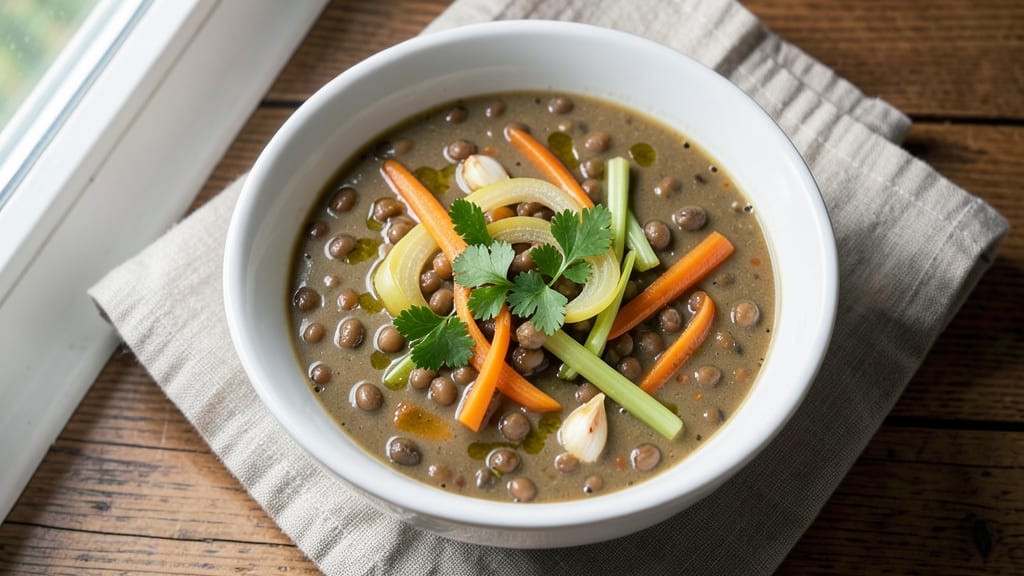
Alton Brown's lentil soup recipe transforms humble ingredients into a rich, herb-infused masterpiece that simmers with professional depth. The secret lies in slow-cooking brown and green lentils together, creating a texture that's both hearty and tender.
I've adapted this method to deliver restaurant-quality flavor in a single pot, perfect for weeknight dinners or meal prep.
This recipe builds flavor through layering—starting with a deep, aromatic base of onions, carrots, and celery, then infusing the broth with bay leaves, thyme, and rosemary. The lentils absorb these herbs as they cook, resulting in a soup that's far more complex than simple vegetable broth.
Alton's signature technique of balancing sweetness with acidity shines here through a splash of red wine vinegar at the end.
By the time it's done, you'll have a velvety soup with perfectly cooked lentils that hold their shape yet remain tender. The broth is rich enough to stand alone but brightened with just enough acidity to cut through its depth.
Serve it with crusty bread to soak up every last drop of that herb-infused goodness.
What makes this recipe truly special is its versatility—it works as a standalone meal or pairs beautifully with grilled meats. The method is foolproof, requiring only basic ingredients and about an hour of hands-off cooking time.
Let's get started on creating this comforting classic that feels like a hug in a bowl.
Ingredients for alton brown lentil soup
Humble pantry staples and fresh herbs transform into restaurant-quality lentil soup.
| Ingredient | Amount | Notes |
|---|---|---|
| Brown Lentils 🌱 | 1 cup | Rinsed to remove impurities |
| Green Lentils 🌱 | ½ cup | Rinsed to remove impurities |
| Yellow Onion 🧅 | 1 whole | Medium size, diced small |
| Carrots 🥕 | 2 medium | Peeled, chopped into chunks |
| Celery Stalks 🧅 | 2 whole | Trimmed, chopped into pieces |
| Garlic Cloves 🧄 | 4 cloves | Minced for aromatic base |
| Vegetable Broth 💧 | 4 cups | Low-sodium preferred |
| Red Wine Vinegar 🍷 | 2 tbsp | For brightness and acidity |
| Fresh Rosemary 🌿 | 1 tbsp | Chopped, stems removed |
| Fresh Thyme 🌿 | 1 tbsp | Leaves only, chopped |
| Bay Leaves 🌿 | 2 whole | For deep flavor infusion |
| Extra-Virgin Olive Oil 🫒 | 2 tbsp | For sautéing vegetables |
| Tomato Paste 🍅 | 2 tbsp | For rich, concentrated flavor |
| Salt 🧂 | 1 ½ tsp | Adjust to taste, kosher preferred |
| Black Peppercorns 🌶️ | ½ tsp | Freshly cracked for best flavor |
The lentils form the heart of this soup, so rinsing them thoroughly removes bitterness and ensures even cooking. Brown and green lentils together create a perfect texture—brown lentils hold their shape while green lentils add a subtle creaminess. For the vegetables, Whole Foods or local markets often carry fresher produce, but standard grocery store carrots and celery work fine. Look for firm, vibrant carrots and crisp celery stalks—avoid any with wilted leaves or soft spots. The garlic should be plump and firm, with no green shoots or softness. Fresh herbs like rosemary and thyme make all the difference here, so buy them just before cooking if possible, or store them in the fridge wrapped in damp paper towels for up to a week.
No fresh rosemary? Dried rosemary at one-third the amount works in a pinch, though the flavor won't be as vibrant. Substituting white wine vinegar for red wine vinegar keeps the acidity but changes the flavor profile slightly. The tomato paste can be omitted if you prefer a lighter soup, but it adds a rich depth that complements the lentils beautifully. For the vegetable broth, low-sodium versions are ideal to control the final seasoning. If you can't find low-sodium, use half the recommended amount and adjust the salt at the end. The olive oil should be extra-virgin for the best flavor—it's worth the splurge for this dish.
This soup tastes even better the next day as the flavors meld together. Store it in an airtight container in the fridge for up to 5 days, or freeze portions for up to 3 months. For freezing, let it cool completely first to prevent ice crystals. When reheating, add a splash of water or broth if the soup seems too thick. The herbs can be added back in after reheating to keep their freshness. Portion into containers with room at the top—lentils expand as they cook and reheat. Leftovers make for an easy lunch or a comforting dinner on a chilly evening.
Why You'll Love This Recipe
- I’ll be real: most soups turn into sad, watery messes by day three. Not this one. The lentils actually thicken as they sit, and the flavors get even better the next day. I freeze half the batch in portions—perfect for lazy mornings or when I’m too tired to cook. Budget-friendly? Absolutely. Reliable? Even more so.
- No Chopping Chaos: I swear by this recipe because it’s the only soup where I can toss in pre-chopped veggies straight from the bag—no knife skills required. The brown and green lentils handle the texture work while you simmer, and the onion, carrots, and celery just melt into rich, sweet depth without fuss.
- Earthy Depth Bomb: Here’s what sold me—the way the green lentils stay firm and satisfying while the brown ones soften into a creamy backbone. Add a splash of red wine (if you’re feeling fancy) or just let the caramelized onions and celery do their magic, and you’ve got a flavor that’s ridiculously hard to stop eating.
- Weeknight Workhorse: Between us, this is my go-to when I’m feeding a crowd or just myself after a long day. It’s hearty enough for a potluck but light enough for a Tuesday night when I don’t want to slave over dinner. Plus, the lentils bulk it up so well—no one ever leaves my table hungry.
Step-by-step instructions for alton brown's lentil soup
Here's the method that delivers rich, herb-infused flavor in a single pot.
Sauté the Vegetable Base
Heat the 2 tablespoons extra-virgin olive oil in a large pot over medium heat until shimmering. Add the 1 whole yellow onion, 2 medium carrots, and 2 whole celery stalks, all chopped from the ingredients list. Cook for 5-6 minutes until the vegetables soften and begin to release their natural juices.
This foundational step builds flavor through caramelization. You'll know it's ready when the vegetables lose their raw appearance and the pot smells distinctly of sweet onions and earthy celery. Stir occasionally to prevent sticking, but don't overcrowd the pot—this ensures proper browning.
Add Aromatics and Tomato Paste
Stir in the 4 cloves minced garlic, 2 tablespoons tomato paste, 1 tablespoon chopped fresh rosemary, and 1 tablespoon chopped fresh thyme. Cook for an additional 2 minutes until the garlic becomes fragrant and the tomato paste darkens slightly.
The tomato paste here acts as a flavor concentrator, deepening the soup's richness. This is where the herb notes begin to develop—don't skip this step. If you notice the garlic starting to brown too quickly, reduce the heat slightly to prevent bitterness. The 2 whole bay leaves should be added now as well, tucked into the vegetable mixture.
Deglaze and Combine Liquids
Pour in the 2 tablespoons red wine vinegar and scrape up any browned bits from the bottom of the pot with a wooden spoon. This deglazing captures all the flavor you've built. Immediately add the 1 cup brown lentils, 0.5 cup green lentils, and 4 cups vegetable broth.
Bring the mixture to a boil, then reduce heat to medium-low. The vinegar adds brightness that balances the earthiness of the lentils. Here's where it gets important: stir occasionally to prevent the lentils from sticking to the bottom. The soup should simmer gently—you'll see small bubbles breaking the surface but not a vigorous rolling boil.
Season and Simmer to Perfection
Add the 1.5 teaspoons salt and 0.5 teaspoon cracked black peppercorns, then cover the pot with a lid. Let the soup simmer for 30-35 minutes until the lentils are tender but still hold their shape. The green lentils will remain slightly firm, while the brown lentils soften completely.
This is where patience pays off. The lentils should be fork-tender but not mushy—you want them to hold their shape when pierced. If the soup reduces too much before the lentils are tender, add ½ cup water to maintain the proper consistency. The herbs will infuse their aromatic qualities into the broth during this time, creating that signature depth.
Adjust Seasoning and Serve
Remove the 2 whole bay leaves from the soup and discard them. Taste and adjust seasoning if needed—you might need a bit more salt or a splash of vinegar to balance the flavors. The soup should be rich but not overly salty, with bright herb notes and a touch of acidity from the vinegar.
Serve the soup immediately while hot, garnished with additional fresh thyme or rosemary if desired. Each spoonful should deliver a harmonious blend of earthy lentils, sweet vegetables, and aromatic herbs. The texture should be hearty yet comforting, with the green lentils providing a pleasant bite contrast to the softer brown lentils.
Pro Tips For Making Alton Brown Lentil Soup
- Sear the Veggies First: Don’t just soften—get that onion, celery, and carrot base browned on the edges before adding liquid. Five minutes of high heat deepens the flavor, and I’ve learned the hard way that skipping this step leaves your soup tasting like it’s missing something. (Yes, even if you’re impatient like me.)
- Rinse Lentils Twice: Green and brown lentils hide debris, and if you skip rinsing, you’ll end up with gritty soup. Toss them in a fine-mesh strainer under cold water two times—once to remove dust, once to stop them from cooking too fast. Trust me, your mouth will notice the difference.
- Simmer, Don’t Boil: This isn’t pasta water—lentils turn to mush if you let the soup rage. Keep it at a gentle simmer (tiny bubbles, occasional swirls) after adding broth. I used to walk away and return to a watery disaster; now I check it every 10 minutes. Your future self will thank you.
- Crush Half the Lentils: Alton’s recipe calls for whole lentils, but crushing half of the brown ones (just a few pulses in a food processor) adds creaminess without losing texture. Sounds weird, but it works—your spoonfuls will feel richer, and you’ll use less cream or butter later. (I skip this when I’m lazy, but the dish is noticeably better when I don’t.)
Essential equipment for this dish
Pot Selection
For this recipe, I recommend using a 6- to 8-quart Dutch oven like the Le Creuset Stoneware or All-Clad Stainless Steel. The deep sides prevent spills during stirring, and the heavy base distributes heat evenly for consistent simmering.
A 5-quart pot works in a pinch, but you'll need to stir more frequently to prevent sticking. Avoid non-stick pots—they can't handle the prolonged simmering without releasing harmful fumes.
Essential Tools
A wooden spoon is mandatory for stirring—it won't scratch your pot like metal utensils. I use a 12-inch model from OXO Good Grips for easy handling. A fine-mesh strainer comes in handy for rinsing lentils and rinsing fresh herbs.
For measuring, a stainless steel measuring cup set (like Farberware) ensures accuracy with liquids and dry ingredients alike.
Thermometer
While not strictly necessary, an instant-read thermometer (I love the ThermoWorks Thermapen) helps verify your soup reaches the ideal 205-210°F internal temperature for perfectly tender lentils. This is especially useful if you're cooking on an induction burner where heat control can be tricky.
The probe also lets you check broth temperature before adding lentils to ensure proper cooking conditions.
Herb Prep Tools
Fresh herbs make all the difference, so invest in a sharp herb scissors (like Victorinox) for clean cuts. A microplane comes in handy for zesting lemon (if you add it) or finely grating garlic.
For the bay leaves, I recommend California bay leaves—they're more aromatic than the Mediterranean variety. Store dried herbs in small airtight containers (I use OXO Pop Containers) to preserve their potency for up to 6 months.
Optional Upgrades
A soup immersion blender (like Ninja) lets you blend some portions of the soup directly in the pot for a silky texture without transferring hot liquid. For meal prep, glass storage containers with snap-on lids (like Pyrex) maintain freshness better than plastic.
If you love garnishes, a small mortar and pestle helps crush fresh peppercorns or toast spices for extra depth.
Budget-Friendly Basics
You can make this soup beautifully with just a medium pot, wooden spoon, and measuring cups. Skip the fancy tools and focus on fresh ingredients—they'll make the biggest difference. A cheap but effective option is the Cuisinart Stainless Steel Measuring Cups set.
The key is proper technique: low-and-slow simmering and frequent stirring will give you restaurant-quality results without breaking the bank. 💡
Nutrition facts
Frequently asked questions
Why mix brown and green lentils in this recipe?
Brown lentils hold their shape beautifully while green lentils add a subtle creaminess that rounds out the texture. Together they create a perfect balance—brown lentils provide structure, while green lentils contribute a delicate bite. This combination also prevents the soup from becoming too thick or mushy, even after long simmering.
Can I substitute dried lentils for canned in this recipe?
Dried lentils are preferred here because they absorb flavors more deeply during the long simmer. If using canned lentils, drain and rinse them thoroughly, then add them only 10 minutes before the soup is done to prevent mushiness. You'll need about 2 cups canned lentils (drained) to replace 1.5 cups dried.
How do I prevent the soup from being too thick?
Start with the full 4 cups vegetable broth and stir frequently while simmering. If it thickens too much, add ½ cup water or broth gradually until you reach your desired consistency. The lentils release starch as they cook, which naturally thickens the soup. For a creamier texture, stir in 1 tablespoon cornstarch mixed with 2 tablespoons cold water at the end.
What can I serve with this lentil soup?
This hearty soup pairs beautifully with crusty bread, grilled cheese sandwiches, or a simple green salad. For a complete meal, serve with roasted vegetables or a side of quinoa. The acidity in the soup also makes it a great match for grilled meats like chicken or steak. Don't forget to offer extra herbs for garnishing!
Can I make this soup in an Instant Pot or pressure cooker?
Yes! Sauté the vegetables as directed, then add all remaining ingredients (including lentils and broth) and cook on high pressure for 12 minutes. Let the pressure release naturally for 10 minutes before opening. The cooking time will be much faster, but you'll need to adjust the seasoning slightly since pressure cooking intensifies flavors differently.