
Soups & Stews
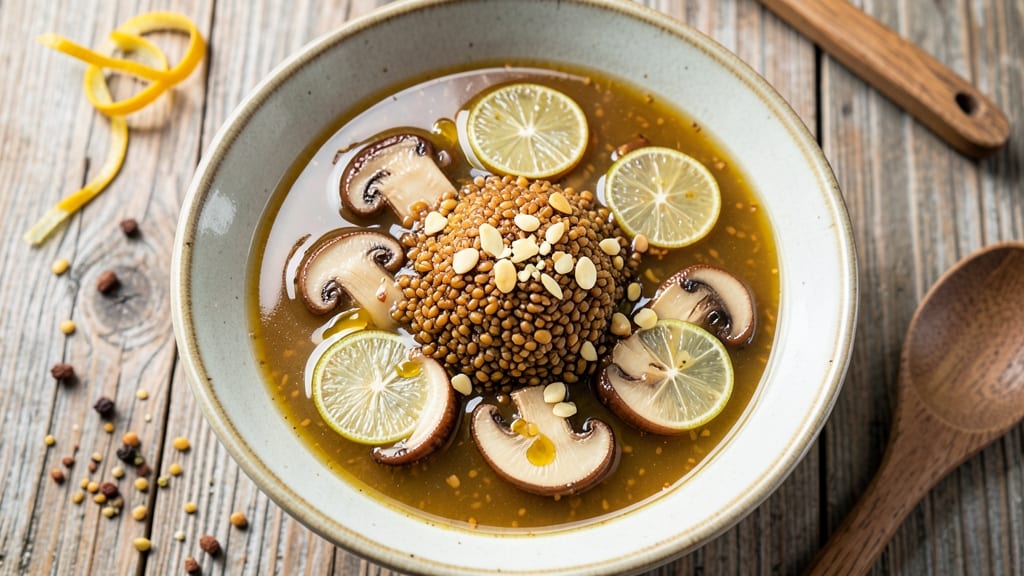
This Chinese amaranth soup transforms humble grains into a deeply comforting bowl of earthy warmth and bright ginger notes. The key lies in simmering amaranth grain with aromatic ginger, garlic, and mushrooms until the grains soften into a creamy, satisfying texture—no blender required.
I developed this recipe after discovering how amaranth's natural nuttiness pairs perfectly with traditional Chinese warming spices, creating a dish that's both nourishing and deeply flavorful.
The beauty of this soup is its simplicity: just a handful of ingredients work together to create a harmonious balance of textures and flavors. Amaranth, often overlooked in Western kitchens, takes center stage here, absorbing the aromatic broth while maintaining its subtle nutty character.
The ginger and garlic form the flavor foundation, while shiitake mushrooms add umami depth and a satisfying chewiness that complements the soft grains.
What you'll end up with is a rich, golden soup that's creamy yet light, with the perfect balance of earthy amaranth, bright ginger, and savory mushrooms. Each spoonful delivers warmth and nourishment, making this an ideal dish for chilly evenings or as a restorative meal.
The best part? It comes together in just 45 minutes, with minimal prep and no special equipment needed.
Serve this soup with a sprinkle of scallions and a drizzle of chili oil for added brightness, or enjoy it as-is to let the natural flavors shine. The warming properties make it particularly comforting during cooler months, while its vegetarian nature makes it accessible for all dietary preferences.
Let's create this nourishing bowl of harmony.
Ingredients for amaranth soup recipe chinese
A handful of earthy, aromatic ingredients transform simple amaranth into a deeply comforting Chinese-inspired soup.
| Ingredient | Amount | Notes |
|---|---|---|
| Amaranth Grain 🌾 | 1 cup | Rinsed thoroughly before cooking |
| Fresh Ginger Root 🧄 | ½ cup | Peeled, thinly sliced |
| Garlic Cloves 🧄 | 4 cloves | Minced for aromatic depth |
| Dried Shiitake Mushrooms 🍄 | 4 whole | Rehydrated in hot water |
| Vegetable Broth 💧 | 4 cups | Low-sodium preferred |
| Sesame Oil 🫒 | 1 tbsp | Toasted for nutty aroma |
| Soy Sauce 🍶 | 1 ½ tbsp | Dark soy for color |
| Green Onions 🧅 | 3 whole | Sliced for garnish |
| Chili Oil 🌶️ | 1 tbsp | Optional for heat |
| Sesame Seeds 🌰 | 1 tsp | Toasted for crunch |
| Sea Salt 🧂 | 1 tsp | Adjust to taste |
| White Pepper 🌶️ | ¼ tsp | Freshly ground |
Amaranth is the star here, so grab the organic variety from Whole Foods or your local health food store—it's worth seeking out for its nutty depth. Fresh ginger and garlic are non-negotiable for that bright, aromatic foundation. Look for plump, firm ginger root with no soft spots, and garlic cloves that feel heavy for their size. Dried shiitake mushrooms are a game-changer—they rehydrate beautifully and add that unmistakable umami richness. If you can't find dried, fresh shiitake mushrooms work too, but they'll cost more. The vegetable broth should be rich and flavorful; Imagine or Pacific Foods brands are solid choices for depth without excess salt.
No fresh ginger? Powdered ginger at half the amount works in a pinch, but you'll lose some brightness. Substituting dried shiitake for fresh? Use 1 cup dried to 4 cups fresh—they shrink dramatically when rehydrated. Soy sauce can be swapped for tamari or coconut aminos if you're avoiding soy. Sesame oil is non-negotiable for that nutty aroma, but if you're avoiding it, toasted walnut oil is a decent alternative. The chili oil is optional but adds that perfect kick—Lao Gan Ma brand is my go-to, but any good-quality chili oil will do. For extra creaminess, stir in a splash of silken tofu at the end.
This soup tastes even better the next day as flavors meld. Store leftovers in an airtight container in the fridge for up to 5 days, or freeze for 3 months in portion-sized containers. The amaranth thickens as it cools, so you can thin it with a splash of broth when reheating. Garnish with fresh scallions and sesame seeds right before serving—those add the final pop of color and texture. Double the batch and freeze half; it's perfect for quick lunches when you're craving something comforting.
Why You'll Love This Recipe
- No-Chop Necessary: I swear by this—just slice the ginger thin, no dicing, and let the broth do the work. The dried shiitakes soften right in, so no soaking or prepping fuss. Twenty minutes from start to bowl, and I’m not exaggerating.
- Umami Bomb Combo: That garlic-ginger base? It’s where the magic happens—sharp, bright, and lingering. Add the toasted amaranth (trust me, it’s worth the 5-minute dry-roast) and the mushrooms? You’ve got a depth that tastes like a whole meal, not just soup.
- Weeknight to Potluck Hero: Make a double batch on Sunday—it reheats beautifully for lunches, or bring it to a gathering where everyone assumes you slaved over it. (Between us, the amaranth adds a satisfying chew that keeps people reaching for seconds.)
- Pantry Staple Power: Dried shiitakes and amaranth? Both last forever, and you’ll use them in other dishes too. Budget-friendly, protein-packed, and no last-minute grocery runs—just pull what’s already there. My wallet and my fridge thank me every time.
Step-by-step instructions for earthy amaranth soup
Here's how to create a rich, aromatic amaranth soup with perfect texture and balanced flavors.
Prepare the Base Ingredients
Start by rinsing the 1 cup amaranth grain thoroughly under cold water to remove any debris. This step is crucial because amaranth can be dusty and gritty when dry. Transfer the rinsed amaranth to a bowl and set aside. Next, peel and thinly slice the 0.5 cup fresh ginger root - you want slices no thicker than 1/8 inch for even cooking and maximum flavor infusion.
While the ginger slices, rehydrate the 4 whole dried shiitake mushrooms by placing them in a heatproof bowl and covering with hot water. Let them soak for 15-20 minutes until they've absorbed the water and expanded to about double their original size. Drain well before using, reserving the soaking liquid for later if needed. This preparation ensures your mushrooms contribute their deep umami flavor without becoming mushy during cooking.
Build the Aromatic Foundation
Heat the 1 tablespoon sesame oil in a large pot over medium heat until shimmering. Add the 4 cloves minced garlic and cook for 30 seconds until fragrant but not browned. Immediately add the ginger slices and cook for another 1 minute until they become slightly translucent and release their aromatic oils. This quick cooking preserves the ginger's bright flavor rather than letting it turn bitter.
Add the rehydrated shiitake mushrooms (sliced if large) to the pot and cook for 2 minutes, stirring occasionally. The mushrooms will release their moisture and begin to soften. Pour in the 4 cups vegetable broth and bring to a gentle simmer. At this point, add the 1.5 tablespoons soy sauce and 1 teaspoon sea salt, stirring to combine. The broth should now have a rich, savory base ready for the amaranth to transform.
Cook the Amaranth to Perfection
Add the rinsed amaranth grain to the simmering broth and stir gently to distribute it evenly. The amaranth should be fully submerged in the liquid. Reduce the heat to low and let the soup simmer gently for 25-30 minutes. You'll notice the amaranth grains will first sink to the bottom, then gradually rise as they absorb the liquid and become tender.
After 20 minutes, taste the soup and check the amaranth's texture. It should be tender but still hold its shape with a slight bite - this is when it's perfectly cooked. If the soup becomes too thick before the amaranth is done, add 1/4 cup hot water to maintain the proper consistency. The key is to let the amaranth cook slowly in its own time rather than rushing the process, which can make it mushy.
Finish with Flavor Layers
Once the amaranth is perfectly tender, remove the pot from heat and stir in the 0.25 teaspoon white pepper. This subtle seasoning adds depth without overpowering the dish. Let the soup sit off the heat for 5 minutes to allow the flavors to meld together. In the meantime, slice the 3 whole green onions into 1/4-inch pieces, reserving the tops for garnish if desired.
Return the soup to low heat and stir in the green onions, cooking for just 1 minute to soften them slightly. Remove from heat and stir in the 1 tablespoon chili oil and 1 teaspoon toasted sesame seeds. The chili oil adds a subtle heat that complements the earthy amaranth, while the sesame seeds contribute a delightful nutty crunch. Taste and adjust the seasoning if needed - you might need a touch more soy sauce or salt to balance the flavors perfectly.
Serve with Confidence
Ladle the amaranth soup into bowls, making sure each serving gets a generous portion of the amaranth grains. The soup should be thick enough to coat the back of a spoon but still have a pleasant mouthfeel. Garnish each bowl with additional green onion tops and a sprinkle of toasted sesame seeds for both visual appeal and extra texture contrast.
Serve immediately while the soup is hot, as the flavors continue to develop even after cooking. The perfect bowl of amaranth soup should offer a harmonious balance of earthy amaranth, bright ginger, umami mushrooms, and the subtle heat from the chili oil. Each spoonful should deliver a complex interplay of textures - the chewy amaranth, silky broth, and satisfying crunch from the sesame seeds and green onions.
Pro Tips For Making Amaranth Soup Recipe Chinese
- Toast the Amaranth: Skip the raw grain—toss it in a dry skillet over medium-high heat for 3-4 minutes until it smells nutty and pops. I learned this the hard way: raw amaranth stays bland and gummy. The toasted version adds depth and prevents that sad, gluey texture in your soup.
- Soak Shiitakes Properly: Don’t just rinse dried shiitakes—soak them in hot (not boiling) water for 20 minutes, then slice the stems separately. The stems pack more flavor and won’t turn to mush. (Yes, even if you’re impatient like me, give them time.)
- Low and Slow for Broth: Simmer the vegetable broth on the lowest heat setting after adding ginger and garlic—barely a bubble, like a lazy Sunday morning. High heat burns the ginger and makes the broth bitter. Trust me, the soup will thank you with smooth, bright flavor.
- Salt the Broth Early: Add half the salt to the broth before the amaranth goes in—it cooks faster and absorbs more flavor. I used to wait until the end, and the soup always tasted flat. (Your future self will notice the difference.)
Dietary considerations for this dish
Gluten-Free Friendly
Amaranth is naturally gluten-free, making this soup perfect for those avoiding gluten or managing celiac disease. The recipe relies on vegetable broth, amaranth, and mushrooms—all gluten-free staples. Just ensure your soy sauce is tamari-based (like San-J brand) if you're avoiding wheat.
The sesame oil and chili oil are also typically gluten-free, but always check labels for cross-contamination warnings. 🌾
Vegetarian Powerhouse
This soup is packed with plant-based protein from amaranth and mushrooms, making it an excellent vegetarian option. A 1-cup serving provides about 12 grams of protein, thanks to the amaranth's complete amino acid profile.
The shiitake mushrooms add umami depth without any animal products, while the ginger and garlic boost flavor naturally. Perfect for meat-free days or vegan adaptations (skip the chili oil if it contains fish-based ingredients).
Nut-Free Adaptations
While sesame seeds and oil add flavor, they're common allergens. For nut-free versions, omit the sesame seeds and use walnut-free alternatives like toasted pumpkin seeds or extra green onions. The soup still shines without them—just skip the sesame oil's toasted aroma.
Store-bought chili oil is often nut-free, but brands like Lao Gan Ma are typically safe. Always verify labels if nut allergies are a concern.
Low-Sodium Options
To reduce sodium, use low-sodium vegetable broth (like Pacific Foods Unsalted) and cut the soy sauce to 1 tablespoon. Add extra fresh ginger or garlic for flavor depth. The amaranth and mushrooms provide natural umami, so you won’t miss the salt.
Taste as you go—this soup forgives minor adjustments better than many others. A pinch of white pepper enhances flavor without sodium. ✨
Protein Boosting
Add ½ cup silken tofu (crumbled) or 1 cup edamame> (shelled) for extra protein. Both blend seamlessly into the soup’s creamy texture. For a heartier bowl, stir in ¼ cup cooked quinoa> at the end—it absorbs the broth beautifully.
These additions keep the dish vegetarian while making it more filling. The tofu also adds a subtle creaminess that complements the amaranth’s chew.
Nutrition facts
Frequently asked questions
Can I use amaranth leaves instead of amaranth grain in this soup?
Amaranth leaves are delicious but have a different texture and flavor profile. For this recipe, stick with the grain for that satisfying chewy bite. If you want to incorporate leaves, save them for a separate stir-fry or add them to the soup only in the last 5 minutes of cooking to preserve their vibrant green color and tender texture.
How do I know when the amaranth grain is fully cooked?
The amaranth should be tender but still hold its shape with a slight bite—like al dente pasta. After 20 minutes of simmering, taste a grain: it should be soft enough to crush between your teeth but not mushy. If it's still hard, cook for another 5-10 minutes at low heat. Overcooking turns it into a gluey mess!
Can I make this soup in an Instant Pot or pressure cooker?
Yes! Use the same ingredients but reduce cooking time to 15 minutes on high pressure. After releasing pressure, let the soup sit for 5 minutes off heat to thicken naturally. The amaranth will absorb liquid faster, so you may need to add ½ cup broth at the end if it's too thick. Stir in fresh ginger and mushrooms at the very end to preserve their texture.
What if I don't have dried shiitake mushrooms?
Fresh shiitake mushrooms work perfectly—just use 4 cups (about 8-10 mushrooms) instead of 4 dried. Slice them before adding to the pot and cook for 3-4 minutes before pouring in the broth. For extra umami, add 1 teaspoon soy sauce directly to the mushrooms while they sauté. Avoid cremini or white mushrooms—they lack the deep earthy flavor shiitake provides.
How can I make this soup spicier or milder?
For more heat, add ½ teaspoon red pepper flakes or 1 extra tablespoon chili oil. For milder flavor, reduce the chili oil to ½ tablespoon and omit the red pepper flakes. You can also blend ½ cup of the soup with ¼ cup coconut milk to create a creamy base that mellows the heat while adding richness. Adjust ginger to taste—more ginger = brighter, less = subtler.