
Soups & Stews
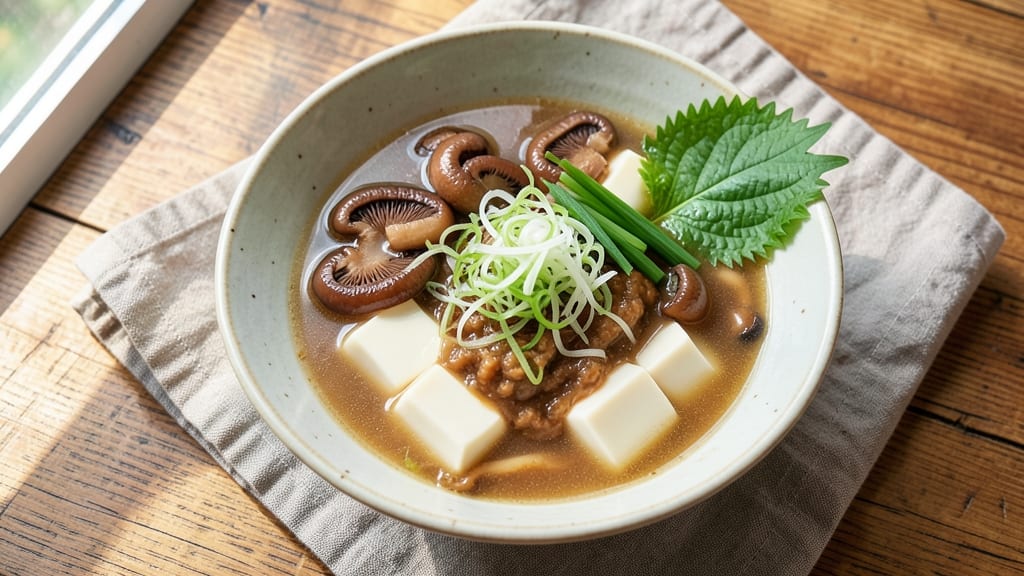
This Asian miso soup recipe delivers the perfect balance of umami richness and comforting simplicity—silky broth packed with fermented depth that warms both body and soul. The foundation lies in a carefully prepared broth (dashi or vegetable-based) that serves as the flavor canvas for miso paste, tofu, and seasonal vegetables.
I developed this version after years of refining traditional techniques to create a recipe that's both authentic and adaptable, whether you're following vegetarian principles or adding shrimp for extra depth.
The beauty of miso soup is in its versatility—each culture brings its own twist, from Japan's delicate dashi to Korea's heartier vegetable broths. Here, we'll focus on a foolproof method that ensures a smooth, silky texture without bitterness, achieved through proper miso paste incorporation and gentle simmering.
The tofu (silken or firm) absorbs the broth beautifully, while seaweed adds a subtle brininess that rounds out the flavors. For non-vegetarians, shrimp or pork belly can be added for a protein boost without compromising the dish's essence.
What makes this recipe truly special is how it transforms simple ingredients into something deeply satisfying. The miso paste, fermented for months, contributes layers of complex flavor that no instant packet can replicate.
When served with a sprinkle of green onions and a drizzle of chili oil, each bowl becomes a harmonious blend of textures and tastes—creamy tofu, delicate seaweed, and the velvety broth that ties it all together.
This is the kind of soup that feels like a hug in a bowl, perfect for chilly evenings or as a light yet nourishing meal any time of year.
The best part? This recipe scales effortlessly—double the batch for meal prep or adjust the ingredients to suit what's seasonal. Whether you're serving it as a starter or a complete meal, the result is always comforting and full of flavor.
Let's get started on creating your own silky, umami-rich miso soup that captures the essence of Asian comfort food.
Ingredients for asian miso soup
This silky miso soup transforms simple ingredients into umami-rich comfort—perfect for chilly days or quick meals.
| Ingredient | Amount | Notes |
|---|---|---|
| White Miso Paste 🧈 | ¼ cup | Aged white miso for delicate flavor |
| Silken Tofu 🍱 | 12 oz | Cube for easy absorption |
| Dried Shiitake Mushrooms 🍄 | 4 whole | Rehydrated for umami depth |
| Green Onions 🧅 | ¼ cup | Sliced, for fresh finish |
| Dried Wakame Seaweed 🌿 | 1 package | Rehydrates in broth |
| Dashi Broth 💧 | 4 cups | Homemade or quality store-bought |
| Vegetable Oil 🫒 | 1 tbsp | For gentle tofu cooking |
| Garlic Cloves 🧄 | 2 cloves | Minced for aromatic base |
| Ginger 🌿 | 1 tsp | Freshly grated for warmth |
| Sesame Oil 🫒 | 1 tsp | For finishing aroma |
| Red Chili Oil 🌶️ | 1 tbsp | Optional for heat |
| Diamond Crystal Kosher Salt 🧂 | ½ tsp | Adjusts seasoning balance |
| White Rice Vinegar 💧 | 1 tbsp | Brightens flavors |
| Sugar 🍬 | 1 tsp | Balances umami |
The miso paste is the soul of this soup—aged white miso delivers that delicate, fermented sweetness without overpowering. Marukome or Honten brands are my go-tos, but any quality white miso works. For the tofu, silken is ideal—it dissolves beautifully into the broth, but firm tofu cubes hold up if you prefer texture. The shiitake mushrooms? Buy dried—they pack more flavor and rehydrate perfectly. Soak them in hot water for 20 minutes before using. Wakame seaweed comes in those little packages—just tear it up and let it bloom in the broth. Don't skip the dashi! Homemade is best (bonito flakes + kombu), but the Marukyu brand is a solid shortcut.
No white miso? Red miso at half the amount adds depth, though it's bolder. Out of shiitake? Cremini mushrooms work in a pinch, but they won't have the same earthy punch. The wakame package might say '1 oz'—ignore it and use the whole thing. It's tiny! For the broth, vegetable broth works if you're avoiding fish-based dashi, but the umami will be subtler. Fresh ginger and garlic are non-negotiable here—they wake up the whole dish. Pre-minced garlic from the jar? Toss it. The flavor's duller. Same goes for pre-grated ginger. And if you're feeling fancy, toasted sesame seeds on top add crunch and aroma.
This soup tastes even better the next day—flavors meld beautifully when refrigerated. Store leftovers in airtight containers for 4-5 days, or freeze portions for up to 3 months. The tofu will soften further when reheated, so keep that in mind. For meal prep, make a big batch—it's perfect for lunches. And if you're serving it hot, reheat gently on low heat, stirring occasionally. The miso can separate if boiled too vigorously. A splash of hot water works wonders for reviving texture. Serve with steamed rice to soak up every last drop of that velvety broth!
Why You'll Love This Recipe
- Minimal Chopping Required: I swear by this—just slice the green onions and rehydrate the shiitakes in hot water for 10 minutes. No dicing, no frying, no fuss. That white miso paste does all the work once it hits the broth.
- Umami Bomb Every Sip: The combo of fermented miso, chewy shiitakes, and briny wakame is ridiculously good. Silken tofu adds that silky contrast, and honestly? It’s the kind of flavor that makes you want to slurp directly from the bowl.
- Weeknight to Party Fix: Make a big batch on Sunday—it’s my go-to for lazy nights or when unexpected guests show up. The dried ingredients keep forever, and the soup only gets better the next day. (Yes, even on a Tuesday night.)
- Pocketbook-Friendly Powerhouse: Dried shiitakes and wakame stretch a little miso paste into four servings without breaking the bank. I’ve fed my whole family for under $5, and the leftovers? Still delicious reheated for lunch. Budget win.
Step-by-step instructions for Asian miso soup with fermented depth
Here's how to craft a velvety miso soup bursting with umami and freshness—every step matters!
Rehydrate and Prepare Ingredients
Start by rehydrating the 4 whole dried shiitake mushrooms—place them in a small bowl of hot water for 10 minutes until pliable. While they soak, prepare the 1 package dried wakame seaweed by rinsing it briefly under cold water to remove any grit, then tear it into small pieces. This step ensures both ingredients contribute their full flavor without bitterness.
Next, cube the 12 oz silken tofu into ½-inch pieces—this size gives you perfect melting texture without falling apart. Finely slice the 0.25 cup green onions, keeping the white and green parts separate for garnish. Mince the 2 cloves garlic and grate the 1 tsp ginger using a microplane for maximum aromatic punch. Organization now saves time later!
Build the Aromatic Base
Heat 1 tablespoon vegetable oil in a medium saucepan over medium-low heat. Add the minced garlic and ginger, cooking for 1-2 minutes until fragrant but not browned—this prevents bitter flavors. Here's the thing: low heat preserves their delicate flavors while building the soup's foundation.
Add the rehydrated shiitake mushrooms (squeeze out excess water) and wakame seaweed. Stir gently for 2 minutes until the mushrooms soften slightly. Pour in the 4 cups dashi broth and bring to a gentle simmer. This step extracts all the umami goodness from the mushrooms and wakame while keeping the broth clear and silky.
Dissolve the Miso Paste
Remove the pan from heat and let the broth cool slightly for 2-3 minutes—this prevents killing the beneficial enzymes in the 0.25 cup white miso paste. Using a ladle, dissolve the miso paste into ½ cup of the hot broth in a separate bowl, whisking until completely smooth. The reason we do this separately is to avoid clumping and maintain that delicate, fermented flavor.
Return the miso mixture to the pan and stir gently for 1 minute over low heat. You'll see the broth turn a beautiful golden hue—this is your signal that the miso has fully integrated. Add the 1 tsp sugar and 1 tablespoon white rice vinegar now, stirring until dissolved. This balances the umami with brightness and subtle sweetness.
Finish and Serve with Flavor Layers
Return the soup to a gentle simmer and add the cubed silken tofu. Cook for just 2-3 minutes—you're not trying to cook the tofu, just warm it through. The tofu should remain silky and intact, absorbing the broth's flavors without breaking apart. Season with 0.5 teaspoon kosher salt, tasting as you go since miso can vary in saltiness.
For the final touch, drizzle in 1 teaspoon sesame oil and 1 tablespoon red chili oil, stirring gently. The sesame oil adds depth, while the chili oil brings a subtle kick. Ladle the soup into bowls, garnishing each with the reserved green onion whites and a sprinkle of green onion greens. Serve immediately while steaming hot—this soup tastes best fresh from the pot!
Pro Tips For Making Asian Miso Soup
- Dissolve Miso Last: The paste is delicate—adding it to boiling water kills its flavor. Instead, dissolve it in a splash of hot broth first, then pour back in. I learned this the hard way after my first batch tasted flat.
- Rehydrate Shiitakes Properly: Skip the microwave for dried shiitakes—soak them in warm (not boiling) water for 20 minutes. This keeps them tender without turning them to mush. Cold water works, but warm speeds it up.
- Don’t Overcrowd the Pot: Silken tofu breaks when crowded. Add it last, in one piece, and let it warm through gently. Crowding makes it rubbery, and nobody wants that in soup.
- Upgrade with Umami Boosters: A pinch of soy sauce or a dash of sesame oil brightens the broth. I was skeptical until I tried it—now it’s non-negotiable. Wakame alone isn’t enough; pair it with something bold.
Essential equipment for this recipe
Miso Paste Essentials
Your miso paste is the heart of this soup, so invest in quality—aged white miso like Marukome or Honten delivers that delicate, fermented sweetness. I keep a jar in my pantry at all times because it transforms any dish instantly.
For a deeper flavor, try red miso at half the quantity, but be prepared for a bolder taste. Avoid instant miso packets—they lack the complex fermentation depth that makes this soup special. 🧈
Broth Foundation Tools
A proper broth base is non-negotiable. For authentic flavor, use homemade dashi made with kombu and bonito flakes, but Marukyu brand is my go-to shortcut when I'm short on time. A fine-mesh strainer is essential for removing kombu pieces cleanly.
If you're making vegetable broth, a cheesecloth-lined colander helps achieve that silky texture. I also recommend a small saucepan (2-3 quart capacity) for precise temperature control during simmering.
Tofu Handling Gear
Silken tofu is delicate, so a sharp chef's knife and cutting board are must-haves for clean cubes. I use a small ladle to gently lower tofu into the broth to prevent breaking. For extra texture, a fine-mesh skimmer helps remove tofu if you prefer a broth-only serving.
A microplane is worth its weight in gold for grating fresh ginger—it releases more flavor than a box grater ever could. Don't skip this tool if you want restaurant-quality results. 🍱
Simmering Control
Temperature precision is key to silky texture. A digital thermometer helps maintain that gentle simmer (185-195°F)—any hotter and your broth risks breaking. I use a medium saucepan with sloped sides (like All-Clad Stainless) to prevent splattering.
For the miso paste, a small whisk ensures smooth dissolution without clumps. A wooden spoon is ideal for stirring—it won't scratch your pan or react with acidic ingredients.
Garnish and Serve
Fresh garnishes elevate the dish instantly. A sharp pair of kitchen shears makes quick work of slicing green onions, while a small squeeze bottle (like OXO Good Grips) lets you drizzle chili oil precisely. For sesame seeds, a fine-mesh strainer helps sift them evenly.
I also keep a small ladle with a long handle for serving—it lets me portion soup without disturbing the garnishes. The presentation matters just as much as the flavor! ✨
Nutrition facts
Frequently asked questions
Can I make this miso soup vegetarian?
This recipe is naturally vegetarian, using dashi broth made from kombu and shiitake mushrooms instead of bonito flakes. For extra protein, add cubed extra-firm tofu or tempeh instead of silken tofu. The umami from fermented ingredients like miso and mushrooms keeps it deeply flavorful without meat.
Why does my miso soup turn bitter?
Bitterness usually happens when the miso paste is heated too vigorously or added directly to hot broth. Always dissolve miso in ½ cup of warm broth (not boiling) first, then return to the pot. Also, avoid overcooking shiitake mushrooms—they can release bitter compounds. Keep the simmer gentle (185-195°F) for silky, balanced flavor.
How can I make this soup spicier?
For heat lovers, add 1-2 teaspoons of gochugaru (Korean chili flakes) directly to the broth while simmering, or increase the red chili oil to 2 tablespoons. For smoky depth, stir in ½ teaspoon of smoked paprika with the sesame oil. Garnish with sliced fresh chili peppers or a dash of sriracha on the side.
Can I use miso soup as a base for other dishes?
Yes! This broth makes an excellent base for ramen, udon, or even a stir-fry sauce. Simmer the miso broth with noodles or rice for a quick meal, or reduce it by half to make a glazing sauce for grilled meats. The umami depth enhances any dish—just adjust seasoning to taste after reduction.
What's the best way to store leftovers?
Store in an airtight container and refrigerate for 4-5 days. For longer storage, freeze portions for up to 3 months. When reheating, warm gently on low heat with a splash of water—this prevents the broth from breaking. The tofu will soften further, so add fresh cubes when reheating if you prefer texture.