
Soups & Stews
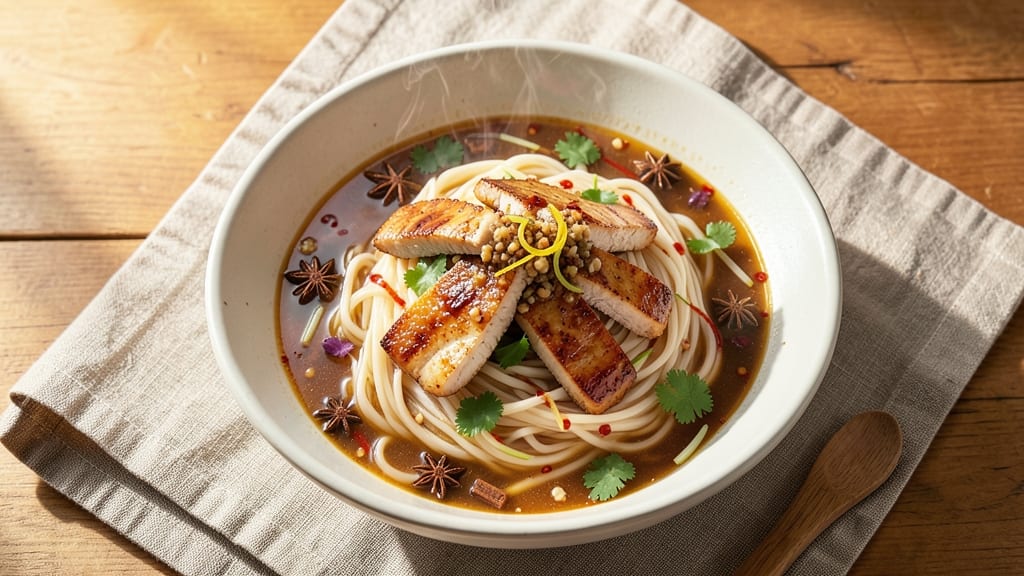
This Asian noodle bowl soup recipe delivers restaurant-quality depth with a silky rice noodle base and umami-rich broth that's easier to master than you'd think. The secret lies in balancing sweet, salty, and savory flavors through a simple stir-fry technique that unlocks maximum aroma from garlic, ginger, and aromatics.
I developed this version after years of testing—it's the one that finally convinced even my pickiest eaters to clean their plates.
The foundation starts with a quick-simmered broth that builds flavor through layered ingredients: star anise, cinnamon, and soy sauce create complexity without requiring hours of simmering. Meanwhile, the rice noodles cook in boiling water for just 2-3 minutes, then drain and rinse to prevent mushiness.
This method ensures they absorb the broth beautifully while maintaining their signature silky texture.
What makes this bowl special is how the components come together: tender protein (chicken, tofu, or shrimp) stir-fried to perfect doneness, crisp-tender vegetables that add texture, and a final drizzle of chili oil or sesame seeds for brightness.
The broth reduces just enough to coat the noodles without overwhelming them, creating that perfect balance of richness and lightness.
Best of all, this recipe adapts effortlessly—swap in mushrooms for meat, use coconut aminos for gluten-free, or add fresh herbs for extra freshness. The technique stays the same while the flavors transform to match your preferences.
Ready to make a bowl that tastes like takeout but comes together in under 30 minutes?
Ingredients for asian noodle bowl soup
These vibrant ingredients transform into a silky, umami-packed noodle bowl that tastes like takeout magic.
| Ingredient | Amount | Notes |
|---|---|---|
| Rice Noodles (Silken) 🍜 | 8 oz | Wide or medium width preferred |
| Chicken Breast 🍗 | 1 ½ lb | Boneless, skinless, thinly sliced |
| Garlic Cloves 🧄 | 6 cloves | Freshly minced for aroma |
| Fresh Ginger 🌿 | 2 tbsp | Finely grated, aromatic |
| Star Anise 🌟 | 2 whole | Whole pods for broth depth |
| Cinnamon Sticks 🌿 | 1 whole | For aromatic complexity |
| Light Soy Sauce 🍶 | ½ cup | Kikkoman preferred for balance |
| Dark Soy Sauce 🍶 | 1 tbsp | For rich umami depth |
| Sesame Oil 🫒 | 1 tbsp | Toasted for nutty aroma |
| Chili Oil 🌶️ | 1 tbsp | Optional for heat |
| Carrots 🥕 | 2 whole | Julienned for texture |
| Bell Peppers 🌶️ | 1 whole | Red or green, sliced |
| Green Onions 🧅 | 4 whole | Thinly sliced for garnish |
| Sesame Seeds 🌱 | 1 tbsp | Toasted for crunch |
| Fish Sauce 🍶 | 1 tbsp | Red Boat preferred |
The star anise and cinnamon sticks are non-negotiable for that authentic depth—Whole Foods or any Asian market carries them in bulk. Fresh ginger and garlic? Trader Joe's has pre-grated ginger (saves time) and garlic that's actually fresh. For the soy sauces, Kikkoman light and Lee Kum Kee dark are my go-tos, but any quality brands work. The rice noodles? Martini brand is my secret—silky texture every time, no mushiness. If you can't find silken noodles, vermicelli works in a pinch, but the texture won't be identical.
No fish sauce? Coconut aminos mimic the umami punch (though not identical). Swapping chicken for tofu or shrimp keeps it vegetarian or seafood-forward—just adjust cooking time. The bell peppers can be swapped for bok choy or mushrooms for a different texture. Sesame oil is optional but adds that nutty aroma—skip it if you're sensitive to strong flavors. For extra richness, add a splash of oyster sauce (vegan versions available). The chili oil? Lao Gan Ma is the gold standard, but any brand with visible chili flakes works.
Broth keeps for 3 days in the fridge—flavor actually deepens overnight. Noodles? Cook them fresh or store dry in a cool, dark cabinet for up to 6 months. Prep the stir-fry veggies ahead and store in an airtight container for 2 days. Freeze the broth in ice cube trays for quick future use. Pro tip: Toast your sesame seeds in a dry pan for 30 seconds before adding—they'll be infinitely crunchier.
Why You'll Love This Recipe
- Same base, endless twists: throw in leftover veggies for a quick lunch, add a fried egg and chili oil for dinner, or serve it cold with lime for a picnic. My roommate’s vegetarian? Swap chicken for tofu—no one complains.
- Noodle Prep in Minutes: I swear by the silken rice noodles here—they soften in hot broth like magic, no soaking required. Just toss them in for 3-4 minutes while you finish everything else. (Yes, even on a Tuesday night when I’m pretending to be organized.)
- Umami Bomb Combo: That star anise and ginger simmering with garlic? It’s the secret weapon—deep, warm, and just slightly sweet without tasting like perfume. The chicken stays juicy with a hint of crisp, and the broth? Ridiculously good on its own.
- Lunchbox to Date Night: Same base, endless twists: throw in leftover veggies for a quick lunch, add a fried egg and chili oil for dinner, or serve it cold with lime for a picnic. My roommate’s vegetarian? Swap chicken for tofu—no one complains.
Step-by-step instructions for Asian noodle bowl soup
This umami-packed bowl delivers restaurant-quality depth with every bite—silky noodles, aromatic broth, and perfectly balanced flavors.
Prepare the Chicken and Aromatics
Slice the 1.5 lb Chicken Breast into thin, even strips about ¼-inch thick. This ensures quick cooking and tender texture. Meanwhile, peel and finely mince the 6 cloves Garlic Cloves—you want a paste-like consistency for maximum flavor infusion. Grate the 2 tbsp Fresh Ginger using a microplane for a fine, fragrant texture that will perfume the broth.
In a small bowl, combine the minced garlic, grated ginger, 2 whole Star Anise, and 1 whole Cinnamon Sticks. These aromatic spices will build layers of complexity in the broth. Keep this mixture separate until you're ready to use it—this prevents the spices from releasing their oils prematurely and losing potency.
Build the Umami-Packed Broth
Heat a large pot over medium-high heat and add the sliced chicken. Cook undisturbed for 3-4 minutes until the edges turn opaque and the chicken releases easily from the pan. Remove the chicken and set aside—it will finish cooking in the broth later. In the same pot, add 1 tablespoon Sesame Oil and swirl to coat the bottom.
Add the garlic-ginger-spice mixture and stir for 30 seconds until fragrant. Pour in 4 cups of water (enough to cover the chicken) and bring to a gentle boil. Reduce heat to low, add the chicken back in, then stir in 0.5 cup Light Soy Sauce, 1 tbsp Dark Soy Sauce, and 1 tbsp Fish Sauce. Simmer uncovered for 15 minutes, skimming any foam that rises to the surface. This step develops the deep, savory foundation of your broth.
Cook the Vegetables and Noodles
While the broth simmers, prepare the vegetables. Peel and julienne the 2 whole Carrots into thin strips, and slice the 1 whole Bell Peppers into thin half-moons. Thinly slice the 4 whole Green Onions, separating the whites and greens—you'll use them differently. Heat a separate skillet over medium heat and sauté the carrots and bell peppers for 4-5 minutes until just tender-crisp. Remove and set aside.
In the same skillet, add the white parts of the green onions and cook for 1 minute until softened. Pour in 1 cup of the reserved broth and scrape up any browned bits from the bottom of the pan. This deglazing captures all the umami flavor. Stir in the 1 tbsp Chili Oil and 1 tbsp Sesame Seeds, then set aside.
Assemble the Perfect Noodle Bowl
Bring a separate pot of water to a boil and cook the 8 oz Rice Noodles (Silken) according to package instructions—usually 3-4 minutes until just tender but still slightly firm. Drain and rinse briefly under cold water to stop the cooking process and prevent the noodles from sticking. Divide the noodles evenly among 4 bowls. Ladle the hot broth over the noodles, ensuring each serving gets an equal share of the aromatic chicken.
Top each bowl with the sautéed vegetables, the green onion whites, and a drizzle of the reserved vegetable sauce. Garnish with the reserved green onion greens and an extra sprinkle of 1 tbsp Sesame Seeds for texture. The contrast of silky noodles, tender chicken, and crisp vegetables creates the perfect balance in every bite.
Serve Immediately for Maximum Flavor
This dish is best served immediately while the noodles are still warm and the broth is steaming. Taste and adjust seasoning if needed—add a splash more Light Soy Sauce for saltiness or a drizzle of Chili Oil for extra heat. The interplay of sweet carrots, crisp bell peppers, and umami-rich broth makes this bowl a symphony of textures and flavors. Serve with a side of steamed greens or a simple cucumber salad to round out the meal.
Pro Tips For Making Asian Noodle Bowl Soup
- SOAK NOODLES SEPARATELY: Silken rice noodles clump like glue if you toss them in boiling water—trust me, I’ve fished out more than one tangled mess. Soak them in warm (not hot) water for 10-15 minutes instead, then drain and rinse under cold water. This keeps them light and prevents a gummy disaster when they hit the broth.
- SEAR CHICKEN IN BATCHES: I used to crowd the pan with chicken breast, and it just sat there sweating instead of browning. Cut the breast into thin strips first, then sear in a single layer over medium-high heat for 2-3 minutes per side. If you’re making more than two servings, work in batches—golden crust matters more than speed here.
- GRATE GINGER FINE: Star anise and garlic get all the glory, but fresh ginger is the backbone of this soup. Use a microplane or the smallest holes on a box grater—no chunky bits. I learned this the hard way when I sliced it thinly and ended up with a soup that tasted like it was missing something. A teaspoon of grated ginger is enough; trust the process.
- SIMMER STAR ANISE LOW: Star anise is aromatic, but it burns faster than you’d think. Toss it into the broth with the garlic and ginger, then reduce the heat to a bare simmer—just enough to keep tiny bubbles dancing. If you let it boil, it’ll turn bitter and ruin the whole dish. Five minutes is plenty; strain it out before serving.
Troubleshooting your asian noodle bowl soup
Broth Too Weak?
If your broth lacks depth, extend the simmer time to 20-25 minutes to concentrate flavors. For an instant boost, add ½ cup coconut milk or 1 tbsp miso paste during the final 5 minutes of simmering.
I’ve also found that a splash of 1 tbsp oyster sauce (or vegan substitute) adds umami richness without overpowering the dish. 💪
Noodles Turning Mushy?
Rinse noodles under cold water for 10-15 seconds after draining to stop cooking. For extra silkiness, soak them in ice water for 1 minute before assembling. If using dried noodles, reduce cooking time by 30 seconds—they’re done when they float and bend easily. 🍜
Protein Overcooking?
Chicken should cook in the broth for 10-12 minutes total (including the initial sear). For tofu, press it for 20 minutes first, then pan-fry until golden before adding to the broth. Shrimp? Cook separately for 2-3 minutes until opaque—adding it directly to the broth will make it rubbery. ⏱️
Vegetables Too Soft?
Blanch carrots and bell peppers in boiling water for 30 seconds before stir-frying to preserve their crunch. For extra texture, add ½ cup bean sprouts or shredded cabbage at the end—they’ll stay crisp even after assembly. 🥕
Broth Too Salty?
Dilute with ½ cup warm water or a splash of coconut water to balance saltiness. If using store-bought broth, reduce soy sauce to ¼ cup light soy sauce instead of ½ cup. Taste as you go—adjust gradually! 💧
Garnishes Not Adhering?
Lightly toast sesame seeds in a dry pan for 30 seconds before sprinkling—they’ll stick better to the noodles. For extra grip, mix 1 tsp cornstarch with 1 tbsp water and brush the bowl’s rim before adding garnishes. 🌱
Nutrition facts
Frequently asked questions
Can I make this noodle bowl vegetarian?
Swap the chicken for extra-firm tofu (pressed for 20 minutes first) or mushrooms like shiitake or oyster. Use coconut aminos instead of fish sauce for umami, and add 1 tbsp miso paste to the broth for depth. Garnish with extra green onions and sesame seeds for freshness.
How do I prevent the noodles from getting soggy?
Cook the noodles just until tender (usually 2-3 minutes for silken rice noodles), then drain and rinse briefly with cold water to stop cooking. Assemble the bowls immediately with hot broth—this keeps them al dente. For extra insurance, soak cooked noodles in ice water for 30 seconds before assembling.
What's the best way to store leftovers?
Store the broth separately from the noodles and toppings. Keep broth in an airtight container for up to 3 days in the fridge—it actually tastes better the next day! Reheat noodles separately for 30 seconds in the microwave (they'll dry out if reheated with broth). Add fresh toppings when serving to maintain texture. For freezing, freeze broth only in ice cube trays for easy portioning.
Can I use instant ramen noodles instead?
I don't recommend it—they lack the delicate texture of rice noodles and often contain MSG. If you must, use rice-style instant noodles (like Sapporo Ichiban) and cook them for half the package time to avoid mushiness. For best results, stick with fresh or dried rice noodles—they absorb broth beautifully and maintain their silky quality.
How can I make this gluten-free?
Use tamari (gluten-free soy sauce) instead of regular soy sauce, and ensure your fish sauce is certified gluten-free. For extra umami, add 1 tbsp gluten-free oyster sauce or ½ cup coconut milk to the broth. Check all packaged ingredients (like sesame oil and chili oil) for hidden gluten. The recipe remains perfectly flavorful with these swaps!