
Soups & Stews
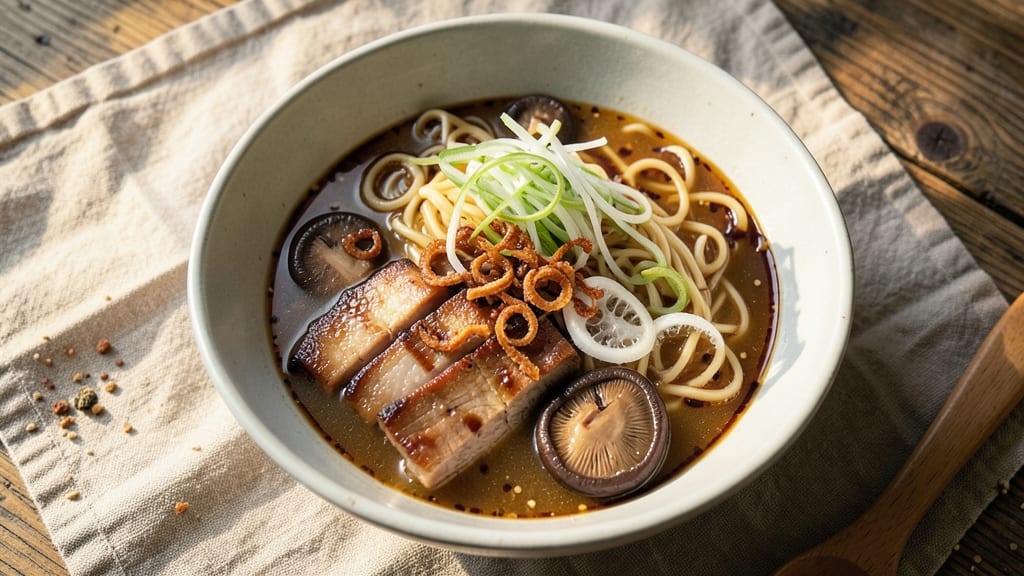
This Asian ramen soup recipe delivers restaurant-quality umami depth in every steaming bowl, with silky noodles and a broth so rich you'll want to savor it slowly.
The foundation is a slow-simmered base of aromatics, protein, and mushrooms that develop complex flavors over 2 hours, while the noodles cook in just 3 minutes—perfect for weeknight dinners that feel like a treat.
What sets this apart is the balance of traditional techniques with modern convenience, giving you authentic taste without requiring specialty ingredients.
The broth begins with a deep umami foundation of chicken or pork bones, garlic, ginger, and shiitake mushrooms, all simmered until the collagen breaks down into velvety richness.
I add a splash of soy sauce and a pinch of white pepper for that signature ramen tang, while sesame oil at the end adds a nutty aroma that lifts every spoonful. The noodles—whether fresh or dried—absorb the broth beautifully, becoming tender yet still holding their shape.
Toppings transform this from a simple soup to a customizable meal: soft-boiled eggs, sliced green onions, bean sprouts, and chashu pork (or tofu for vegetarian) add layers of texture and flavor. The egg, in particular, is a game-changer—its creamy yolk ties everything together when broken into the bowl.
This recipe serves 4 hungry people and scales easily, making it ideal for sharing or meal prep.
For those who love spice, a dash of chili oil or a sprinkle of red pepper flakes can add heat, while miso ramen lovers can swap the soy sauce for white miso paste.
The beauty of ramen is its adaptability—this broth becomes the perfect canvas for whatever you have on hand. Let's get cooking!
Ingredients for asian ramen soup
Pantry staples and a few specialty finds create this restaurant-style ramen with rich umami broth.
| Ingredient | Amount | Notes |
|---|---|---|
| Chicken Bones or Pork Bones 🍗 | 2 lb | Chicken for lighter broth, pork for richer |
| Dried Shiitake Mushrooms 🍄 | 8 whole | Rehydrated for umami depth |
| Garlic Cloves 🧄 | 6 cloves | Peeled, smashed for stronger flavor |
| Fresh Ginger 🌿 | 2 tbsp | Grated, fresh preferred |
| Soy Sauce 🍶 | ½ cup | Light or dark variety |
| Sesame Oil 🫒 | 1 tbsp | Toasted for nutty aroma |
| White Pepper 🌶️ | ½ tsp | Freshly ground preferred |
| Ramen Noodles 🍜 | 2 packages | Fresh or dried, 4 oz per package |
| Green Onions 🧅 | 3 whole | Sliced for garnish |
| Bean Sprouts 🌱 | 2 cups | Fresh or frozen, thawed |
| Large Eggs 🥚 | 4 whole | Soft-boiled for topping |
| Chashu Pork or Tofu 🥓 | 1 lb | Chashu for meat, tofu for veg |
| Water 💧 | 8 cups | Filtered for best flavor |
| Salt 🧂 | 1 tsp | Kosher or sea salt |
The bones are the heart of this broth—chicken for lighter flavor or pork for deeper richness. Costco or local butcher shops often have bone-in cuts at great prices. For shiitake mushrooms, dried is best—they pack more umami than fresh. Rehydrate them in hot water for 20 minutes before adding to the broth. Ginger and garlic should be fresh (the frozen stuff just doesn't cut it here), and I always grab extra—half goes in the broth, half gets tossed into the noodles at the end for that bright finish.
No soy sauce? Coconut aminos or tamari work in a pinch, though the flavor will be slightly different. Running out of sesame oil? Toasted peanut oil adds a similar nutty depth. For the noodles, fresh ramen noodles from Trader Joe's or Asian markets are ideal, but dried works fine too—just cook them separately. The bean sprouts can be fresh or frozen (thawed), and if you're short on time, pre-sliced green onions from the grocery store save minutes. For the protein, chashu pork is traditional, but extra-firm tofu marinated in soy sauce and sesame oil makes a great vegetarian swap.
Broth keeps for 5 days in the fridge or 3 months frozen—portion it into containers for easy reheating. Noodles are best served fresh, but you can cook them ahead and store separately for up to 2 days. The topping ingredients (eggs, green onions, bean sprouts) stay fresh for 1 week in the fridge. I always double the broth recipe and freeze half—nothing beats homemade ramen on a cold day
Why You'll Love This Recipe
- Bone-Broth Magic: The bones—chicken or pork—simmer into a rich, golden broth with almost no effort. Just toss them in cold water, bring to a boil, then let time do the work while you prep the mushrooms and aromatics.
- Umami Bomb: Dried shiitake mushrooms soak up water and explode with that deep, meaty flavor—no fancy ingredients needed. Add a splash of soy sauce, and suddenly, your soup tastes like it’s been simmering for hours (even if it’s just 30 minutes).
- Leftovers That Shine: This broth keeps for days in the fridge, and the flavor only gets better. Freeze extra portions for lazy Mondays or unexpected guests—just reheat and serve, no stress.
- Budget-Friendly Luxury: Pork or chicken bones are cheap, and dried shiitake mushrooms last forever. You’re basically making restaurant-quality soup for a fraction of the cost, and the leftovers stretch into lunches without breaking the bank.
Step-by-step instructions for Asian ramen soup with rich umami broth
Here's how to build a deeply flavorful ramen broth from scratch—layered with umami, balanced with freshness.
Prepare the Bones and Mushrooms for Maximum Flavor
Preheat your oven to 450°F. Place the 2 lb chicken bones or pork bones on a baking sheet and roast for 20-25 minutes until they turn a deep golden brown. This caramelization creates the foundation for your broth's rich flavor. While the bones roast, soak the 8 whole dried shiitake mushrooms in 4 cups hot water for 30 minutes—they'll plump up and infuse the broth with earthy umami.
Once the bones are browned, transfer them to a large stockpot along with the soaked mushrooms (discard the soaking water). Add 8 cups water and bring to a boil. Skim off any foam that rises to the surface—this ensures a clear, clean broth. Reduce heat to medium-low and let it simmer gently for 30 minutes, stirring occasionally to prevent sticking. This initial simmer extracts the first layer of flavor from the bones and mushrooms.
Build the Umami Base with Aromatics and Soy
While the broth simmers, prepare the aromatics. Peel and smash the 6 cloves garlic with the flat side of your knife—this releases more flavor than mincing. Grate the 2 tbsp fresh ginger using a fine grater or microplane. Add these to the pot along with the 0.5 cup soy sauce and 1 tsp salt. Stir gently to combine, then increase heat to medium-high and bring back to a boil.
Once boiling, reduce heat to low and let the broth simmer uncovered for 1 hour. The liquid should reduce slightly, concentrating the flavors. Here's the thing—don't walk away. Check occasionally to ensure it's not boiling too vigorously, which can make the broth cloudy. You'll know it's ready when the broth has a deep amber color and an intense, savory aroma that fills your kitchen.
Finish the Broth with Sesame and Pepper
After 1 hour, strain the broth through a fine-mesh sieve into a clean pot, pressing gently on the solids to extract every last drop of flavor. Discard the solids. Return the broth to the stove and add the 1 tbsp sesame oil and 0.5 tsp white pepper. Simmer gently for another 10 minutes to infuse the sesame aroma and let the pepper bloom. The broth should now have a glossy sheen and a complex, layered taste—savory from the bones, umami from the mushrooms and soy, with a subtle nutty depth from the sesame.
Taste the broth and adjust seasoning if needed. It should be deeply flavorful but balanced—saltiness from the soy and bones, with a touch of spice from the pepper. If it's too strong, add a splash of water to dilute slightly. Keep the broth warm over low heat while you prepare the rest of the components.
Assemble the Ramen with Fresh Toppings
While the broth simmers, prepare the toppings. Cook the 2 packages ramen noodles according to package instructions until al dente, then drain and rinse briefly with cold water to stop the cooking process. For the soft-boiled eggs, place the 4 whole large eggs in a pot of water and bring to a gentle simmer. Cook for 6 minutes for a runny yolk, then transfer to an ice bath to stop cooking.
Slice the 3 whole green onions into 1-inch pieces and set aside. If using chashu pork, slice it into thin strips; if using tofu, press and cube it. Arrange the cooked noodles in bowls, then ladle the hot broth over them. Top each serving with the bean sprouts, sliced green onions, chashu or tofu, and the soft-boiled eggs. Drizzle with a little extra sesame oil for added richness.
Serve Immediately for the Best Experience
This ramen is best served right away while the broth is hot and the noodles are tender. The contrast of temperatures—cool noodles against the steaming broth—creates the perfect bite. Stir everything together before eating to let the flavors meld. Each spoonful should deliver a perfect balance: the deep, savory broth, the chewy noodles, the fresh crunch of bean sprouts and green onions, and the silky richness of the egg.
Here's a pro tip: If you're serving this to guests, prepare the broth first and keep it warm. Then assemble the bowls just before serving so the noodles stay al dente and the toppings retain their freshness. Leftovers? Store the broth and toppings separately—reheat the broth gently and toss with fresh noodles to maintain texture.
Pro Tips For Making Asian Ramen Soup
- CHAR THE BONES FIRST: Skip the slow simmer until later—blister the bones in a dry pot over high heat for 5-7 minutes until they turn dark brown. This caramelizes the collagen and jumpstarts the flavor, so your broth isn’t just clear but packed with depth. (Yes, even if you’re impatient like me.)
- SOAK MUSHROOMS IN HOT WATER: Dried shiitake mushrooms need a quick 15-minute soak in boiling water, not cold. This rehydrates them faster and keeps them from turning to mush later. Save that soaking liquid—it’s liquid gold for your broth, just strain it in.
- DON’T BOIL THE GARLIC: After the bones are charred, add garlic and ginger whole and let them sizzle for 30 seconds in the hot pot before covering with liquid. Boiling turns them bitter; this way, they infuse the broth without overpowering it. (I learned this the hard way—burnt garlic ruins everything.)
- SALT THE BROTH IN STAGES: Start with half the soy sauce early, then add the rest at the end. Salting too soon makes the broth cloudy and dulls the flavors. Taste as you go—ramen broth should taste like a concentrated version of the final dish, not bland. (Your future self will thank you.)
Common mistakes when making this dish
Over-Simmering the Broth
I’ve made this mistake more times than I’d like to admit—letting the broth boil too vigorously or simmering it for too long. When you push past the 2-hour mark, the broth can turn bitter or develop a cloudy appearance from over-extracted proteins.
The key is patience: maintain a gentle simmer at low heat and resist the urge to rush. If you notice the broth reducing too quickly, add a splash of water to maintain volume.
Trust me, the extra 30 minutes of careful simmering will give you a cleaner, more flavorful result than a rushed, overcooked broth. 🌡️
Skipping the Skimming Step
Skimming the foam off the broth in the first 30 minutes is non-negotiable if you want a clear, clean broth. That foam contains impurities and fat that can cloud the liquid later. I’ve seen beginners skip this step, and the result?
A murky broth that lacks the polished look of restaurant-quality ramen. Use a fine-mesh skimmer or a ladle to scoop off the foam as it rises—it takes just 5 minutes but makes a world of difference.
The effort pays off with a glossy, inviting broth that tastes as good as it looks.
Using Low-Quality Bones
The bones you start with make or break your ramen broth. I’ve tried using chicken backs or pork neck bones from the grocery store freezer section, and while they work, they’re not the same as high-quality bones from a butcher or Costco.
Look for bones with a good amount of meat still attached—they’ll yield more gelatin and flavor. If you’re using chicken bones, opt for the legs and backs; for pork, choose the trotter or knuckle bones.
These bones have more collagen, which breaks down into that silky texture we all love. Don’t cut corners here—your broth will thank you. 🍗
Overcooking the Noodles
Ramen noodles cook in a flash—usually just 2-3 minutes—but it’s easy to overdo it, especially if you’re distracted. Overcooked noodles turn mushy and lose their chewy texture, which is the soul of ramen. Always follow the package instructions, but start checking them 1 minute before the suggested time.
For extra insurance, drain them and rinse briefly with cold water to stop the cooking process immediately. This keeps them al dente and prevents that sad, limp texture that ruins a perfect bowl.
Neglecting the Egg Topping
The soft-boiled egg is the star of ramen, but I’ve seen people skip it or cook it incorrectly. For the perfect egg, aim for a 6-minute cook time in gently simmering water—this gives you a runny yolk that blends seamlessly into the broth.
If you overcook it, the yolk will be firm and less flavorful. Pro tip: Shock the eggs in an ice bath immediately after cooking to stop the cooking process and make peeling easier.
And don’t forget to slice them in half before adding to the bowl—breaking them in at the table is a whole other experience, but it’s a bit messy for beginners. 🥚
Ignoring the Fresh Toppings
Fresh toppings like bean sprouts, green onions, and chashu pork aren’t just garnishes—they’re essential for texture and balance. I’ve had ramen that was delicious but lacked that satisfying crunch and freshness.
Bean sprouts should be crisp, green onions should be bright, and chashu pork (or tofu) should be tender but not soggy. Add toppings right before serving so they stay fresh and vibrant. If you’re prepping ahead, store them separately and assemble the bowls just before eating.
This keeps everything at its best and ensures every bite is packed with flavor. 🌱
Nutrition facts
Frequently asked questions
Can I make this ramen vegetarian?
Swap the chicken or pork bones for mushroom stems, kombu (dried kelp), and seaweed to build umami depth. Use vegetable broth instead of water and marinate extra-firm tofu in soy sauce and sesame oil for the protein topping. The broth will still develop rich flavors—just focus on simmering for the full 2 hours to extract maximum flavor from the vegetables.
How do I adjust the spice level?
For a milder bowl, reduce the white pepper to ¼ tsp or omit it entirely. For heat lovers, add ½ tsp chili oil or 1 tsp gochujang (Korean chili paste) to the broth during the final 10-minute simmer. If using dried chili flakes, start with ½ tsp and taste as you go—you can always add more! For a balanced spicy-sweet combo, stir in 1 tsp honey at the end.
Can I make the broth ahead of time?
Yes! This broth actually tastes better the next day as the flavors meld. Let it cool completely, then store in airtight containers in the fridge for up to 5 days or freeze for 3 months. When reheating, warm gently over low heat and avoid boiling to prevent cloudiness. Pro tip: Freeze broth in 1-cup portions for quick single-serving ramen—just add fresh toppings when ready.
What's the best way to store leftovers?
Store broth and toppings separately to maintain texture. Keep broth in the fridge for 5 days or freeze. For noodles, cook fresh when reheating—overcooked noodles turn mushy. Toppings like eggs and green onions keep for 3 days in the fridge. When reheating, bring broth to a simmer, then add fresh noodles cooked just until tender (2 minutes in boiling water). Add toppings last to keep them crisp.
Why does my broth look cloudy?
Cloudiness usually means the broth boiled too vigorously or wasn't skimmed properly. For a clear broth, skim foam for the first 30 minutes and maintain a gentle simmer at low heat. If it's already cloudy, strain through a fine-mesh sieve lined with cheesecloth for a polished result. The flavor won't be affected—it's purely about presentation! For extra clarity, chill the broth overnight and skim off any fat that rises to the top before reheating.