
Soups & Stews
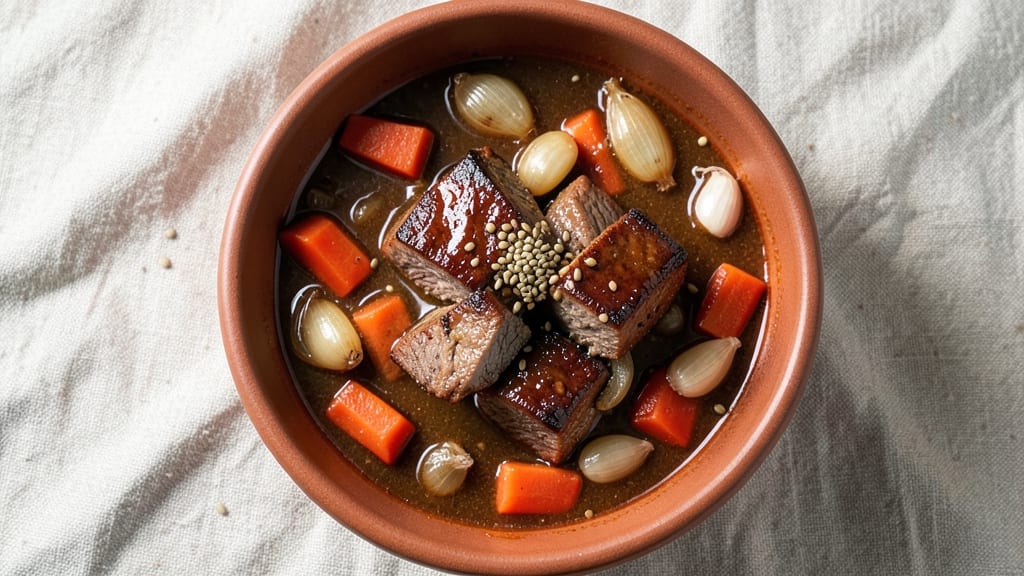
This Austrian goulash soup recipe transforms your slow cooker into a flavor factory, delivering restaurant-quality depth with minimal effort. The secret lies in layering paprika, caraway, and bay leaves—classic Austrian spices that develop rich, earthy notes as they simmer for hours.
I’ve perfected this version to balance tender beef, hearty vegetables, and a sauce so velvety it practically melts on your tongue.
Unlike traditional stovetop methods that demand constant attention, this slow-cooker adaptation lets you set it and forget it—6 hours on low transforms tough cuts into fork-tender meat while vegetables soften just enough to soak up every drop of savory broth.
The key? Browning the meat first to build a flavorful crust that dissolves into the soup, creating a depth you won’t find in instant versions.
What you’ll end up with is a deeply aromatic soup where smoky paprika meets sweet onions, and the beef falls apart at the slightest touch.
The slow cooker’s gentle heat ensures no burning, while the long simmer melds flavors into a harmonious blend—no lumps, no bitterness, just pure comfort. Serve with crusty bread to soak up every last drop of that golden, spiced broth.
This isn’t just a meal—it’s a flavor experience that turns a simple slow cooker into a vessel for authentic Austrian taste. The recipe scales effortlessly for crowds, and leftovers reheat beautifully, making it the ultimate weeknight solution for cozy, satisfying dinners.
Ingredients for austrian goulash soup recipe slow cooker
Six hours of slow-cooker magic transforms tough beef and simple spices into velvety, deeply aromatic goulash.
| Ingredient | Amount | Notes |
|---|---|---|
| Beef Chuck Roast 🥩 | 2 lb | Cut into 1-inch cubes, boneless |
| Yellow Onions 🧅 | 2 large | Thinly sliced, about 4 cups |
| Carrots 🥕 | 4 medium | Peeled, chopped into 1-inch pieces |
| Garlic Cloves 🧄 | 6 cloves | Minced, for depth of flavor |
| Sweet Paprika 🌶️ | 2 tbsp | Smoked or sweet, for authentic flavor |
| Ground Caraway Seeds 🌿 | 1 tsp | Toasted lightly for warmth |
| Bay Leaves 🌿 | 2 whole | Fresh or dried, removed before serving |
| Tomato Paste 🍅 | ½ cup | Smooth, no lumps |
| Beef Broth 💧 | 4 cups | Low-sodium preferred |
| Red Wine 🍷 | ½ cup | Dry, bold variety like Cabernet |
| All-Purpose Flour 🌾 | 1 tbsp | For thickening, optional |
| Salt 🧂 | 1 ½ tsp | Kosher or sea salt |
| Black Pepper 🌶️ | ½ tsp | Freshly ground for heat |
| Fresh Parsley 🌿 | ¼ cup | Chopped, for garnish |
| Olive Oil 🫒 | 1 tbsp | For browning beef |
The beef is non-negotiable—chuck roast delivers that melt-in-your-mouth texture, while sirloin or ribeye stays too firm. Cut it yourself if possible, but pre-cubed packages from Costco or Walmart save time. For the paprika, Penzeys or Hungarian brands offer the deepest flavor, but any good-quality sweet or smoked will work. Caraway seeds? Bulk bins at Whole Foods are your best bet—freshly ground makes all the difference. The onions and carrots can be pre-chopped to speed things up, but fresh is always better for that natural sweetness.
No red wine? Beef broth with a splash of balsamic works just as well. Short on caraway? Cumin at half the amount adds warmth without overpowering. The tomato paste can be the squeeze-tube kind from Trader Joe's—no lumps, no fuss. Fresh bay leaves are ideal, but dried are fine if that's what you've got. For the flour, King Arthur or Bob's Red Mill are reliable choices. The beef broth should be low-sodium—Swanson or Pacific Foods are solid options. And if you're worried about the wine's acidity cutting through, just add a pinch more salt at the end to balance.
This soup tastes even better the next day as flavors meld further. Store in an airtight container in the fridge for up to 5 days, or freeze portions for 3 months. I like to double the batch and freeze half—perfect for lazy weeknights. The parsley wilts fast, so add it just before serving. For reheating, start on low heat and stir occasionally to prevent scorching. The slow cooker's gentle heat means no lumps, no bitterness—just pure, comforting goulash every time.
Why You'll Love This Recipe
- Hands-Off Magic: I swear by this for days when I’d rather not stand at the stove. Toss in the chuck roast, onions, and carrots—no browning required—and let the slow cooker work its alchemy. By dinner, you’ve got tender beef that falls apart at the touch of a spoon, all while you’ve done exactly zero cleanup.
- Paprika Powerhouse: That first spoonful of sweet paprika isn’t just flavor—it’s soul. The slow cooker deepens it into something rich and slightly smoky, like a hug in a bowl. Honestly, I’ll take this over takeout any day, especially when the garlic cloves have had hours to mellow into something warm and irresistible.
- Leftovers That Lie: Between us, this soup always disappears before the second bowl hits the table. The good news? It reheats like a dream—better the next day, if you can believe it. I make a double batch on Sundays, freeze half, and pretend I’m not secretly stocking my pantry for lazy nights.
- Budget Beef Bonanza: A chuck roast is cheap, but it tastes like you spent hours on it. Here’s the thing: this recipe stretches one cut into four hearty servings, and the carrots and onions add bulk without breaking the bank. My wallet and my family’s stomachs both win—no guilt, just satisfaction.
Step-by-step instructions for slow-cooker Austrian goulash soup
Transform simple ingredients into a rich, hearty goulash with minimal effort using your slow cooker.
Sear the Beef for Deep Flavor
Heat a large skillet over medium-high heat and add the 1 tablespoon olive oil. Once shimmering, add the 2 lb beef chuck roast cut into 1-inch cubes, working in batches if needed. Sear the beef for 3-4 minutes per side until it develops a rich, brown crust—this is where all the flavor begins.
As you sear, resist the urge to overcrowd the pan. You want those cubes to get good color and release from the pan easily. Transfer the browned beef to your slow cooker once fully seared. This step is crucial—it builds the foundation for that authentic goulash taste.
Sauté the Vegetables and Aromatics
In the same skillet (no need to clean it—the browned bits add flavor), add the 2 large yellow onions and 4 medium carrots chopped into 1-inch pieces. Cook for 5-6 minutes until the onions turn translucent and the carrots begin to soften. Add the 6 cloves minced garlic and cook for another 30 seconds until fragrant.
This is where the goulash starts to develop its signature depth. The onions should be soft but not browned, and the garlic should smell intensely aromatic. Transfer these vegetables to the slow cooker, spreading them evenly over the beef. The vegetables will continue cooking slowly, absorbing all the rich flavors.
Build the Goulash Base
In the skillet, whisk together the 0.5 cup tomato paste and 0.5 cup red wine until smooth. Pour this mixture into the slow cooker, scraping the pan to ensure all the flavorful bits transfer. Add the 2 tablespoons sweet paprika, 1 teaspoon toasted ground caraway seeds, 1.5 teaspoons salt, and 0.5 teaspoon black pepper, stirring gently to combine.
Here's the thing—paprika and caraway seeds are the soul of this dish. The paprika adds warmth and color, while the caraway seeds contribute that distinctive earthy note. Stirring now ensures these spices are evenly distributed throughout the soup. This is also when you should add the 2 whole bay leaves—they'll infuse the broth with subtle herbal notes.
Slow Cook to Perfection
Pour in the 4 cups beef broth, making sure to scrape any remaining bits from the skillet. Give everything a gentle stir, then cover and cook on low heat for 8 hours or high heat for 4-5 hours. The slow cooker does all the work here, allowing the beef to become fork-tender while the vegetables soften and the flavors meld together beautifully.
I know it's tempting to check on it frequently, but resist the urge. Lifting the lid releases steam and can actually lengthen the cooking time. Trust the process—this is where the magic happens. The soup should be thick and rich, with the beef falling apart easily when pierced with a fork.
Finish and Serve with Fresh Herbs
Once the beef is tender, carefully remove the 2 bay leaves (they can be quite bitter if left in). For a thicker consistency, sprinkle in the 1 tablespoon all-purpose flour and stir gently. If the soup is already at your desired thickness, skip this step. Taste and adjust seasoning if needed—sometimes the slow cooking concentrates the flavors more than expected.
Ladle the goulash into bowls and garnish with the 0.25 cup chopped fresh parsley. The parsley adds a bright contrast to the rich, hearty flavors. Serve with crusty bread to soak up every last drop of that delicious broth. This soup tastes even better the next day as the flavors continue to develop.
Pro Tips For Making Austrian Goulash Soup Recipe Slow Cooker
- Sear the Chuck Roast First: I learned this the hard way—skipping the sear means flavor hiding in plain sight. Brown the beef in a hot skillet with oil until it hits 145°F (medium-rare), then transfer it to the slow cooker. That crust locks in juices and turns your soup from "meh" to "deep, smoky, and rich."
- Cut Onions in Even Slices: Uneven onions mean some cook into mush while others stay crunchy. Dice them into ¼-inch pieces—small enough to soften but not disappear. Pro tip: Toss them in a pinch of salt before adding to the pot; it draws out moisture and prevents them from turning to sludge.
- Don’t Overfill the Slow Cooker: I used to pack the pot like a Thanksgiving turkey, thinking more liquid = better soup. Wrong. Fill it only ⅔ full—liquid expands as the beef cooks, and you’ll end up with a sad, watery mess. Aim for about 4 cups of broth per pound of beef.
- Add Paprika Late: Sweet paprika burns faster than you’d think, especially when mixed with onions and garlic. Wait until the beef and veggies have cooked for at least 2 hours before stirring it in. This keeps the color bright and the flavor from turning bitter—trust me, your soup will look (and taste) like it’s from a proper Austrian kitchen.
Essential equipment for austrian goulash soup recipe slow cooker
Slow Cooker Essentials
Your trusty slow cooker is the star here, but not all models are created equal. I recommend a 6-quart model with a stoneware insert—like the Hamilton Beach 6-Quart Programmable—for even heat distribution. The stoneware helps maintain consistent temperatures, which is critical for tender beef and perfectly cooked veggies.
If you're on a budget, the Crock-Pot 6-Quart is a reliable workhorse that still delivers great results. 🌡️
Searing Pan Must-Haves
A heavy-bottomed skillet is non-negotiable for searing the beef—it prevents overheating and ensures a proper crust. I swear by a 12-inch cast-iron skillet (like the Lodge Pre-Seasoned) for its heat retention and natural non-stick properties after proper seasoning.
If cast iron isn't your thing, a stainless steel pan (such as All-Clad Stainless) works well, though you may need to add a touch more oil to prevent sticking.
Knife and Cutting Tools
Precision cutting makes all the difference in goulash texture. A sharp chef's knife (I use a Wüsthof Ikon 8-inch) paired with a cutting board (like the Teakhaus bamboo board) ensures clean, even cubes of beef and vegetables.
For mincing garlic, a garlic press saves time and ensures consistent results. If you're prepping in bulk, a mandoline (with a 1/4-inch thick slicing blade) speeds up onion and carrot prep—just be careful with your fingers!
Measuring and Spice Tools
Accurate measurements are key for balanced flavors. A stainless steel measuring spoons set (like OXO Good Grips) ensures precise spice amounts, while a small bowl for toasting caraway seeds prevents spills.
For grinding whole spices, a mini spice grinder (such as the Spice Grinder by MagicalButter) gives you fresh, aromatic caraway seeds right when you need them. A fine-mesh strainer comes in handy if you want to remove bay leaves without fishing them out with tongs.
Optional Upgrades
For next-level goulash, consider a meat thermometer (the Thermoworks Smoke is my favorite) to check beef doneness—aim for 203°F for fall-apart tenderness. A wooden spoon (like OXO Good Grips) is gentler on your slow cooker's interior than metal utensils.
And if you love red wine in your cooking, a wine funnel (such as Vegreville) helps pour that 0.5 cup of bold Cabernet without the mess. 🍷
Nutrition facts
Frequently asked questions
Can I use ground beef instead of beef chuck roast?
The recipe is designed for chuck roast because its fat content and connective tissue create that signature tender, melt-in-your-mouth texture when slow-cooked. Ground beef will cook much faster and won't develop the same rich, beefy depth. If you must use ground beef, reduce the cooking time to 2-3 hours on high and add 1/2 cup beef broth to compensate for the lost moisture.
How do I adjust this recipe for a 3-quart slow cooker?
This recipe is best suited for a 6-quart slow cooker to maintain proper proportions. For a 3-quart model, reduce the beef to 1 lb, halve all other ingredients (including broth and wine), and cook for 4 hours on high. The smaller volume means faster cooking, so monitor the beef closely—it should reach 203°F for perfect tenderness.
Why does my goulash taste too spicy?
The paprika and caraway seeds are the heart of the flavor, but they can be intense. If it's too spicy, add 1 tablespoon sour cream or Greek yogurt to each serving to cool the heat. For future batches, reduce the paprika to 1 tablespoon and toast the caraway seeds for 30 seconds in a dry pan to mellow their flavor before adding.
Can I make this soup ahead of time?
This goulash actually tastes better the next day as the flavors meld further. Store in an airtight container in the fridge for up to 5 days or freeze portions for 3 months. When reheating, warm on low heat or in the microwave with a splash of water to restore creaminess. Stir occasionally to prevent scorching.
What if I don't have red wine?
No problem! Replace the 0.5 cup red wine with 0.5 cup beef broth plus 1 teaspoon balsamic vinegar for depth. For extra richness, add 1/2 teaspoon Worcestershire sauce. The acidity from the vinegar helps tenderize the beef and balance the spices, while the broth maintains the soup's consistency.