
Soups & Stews
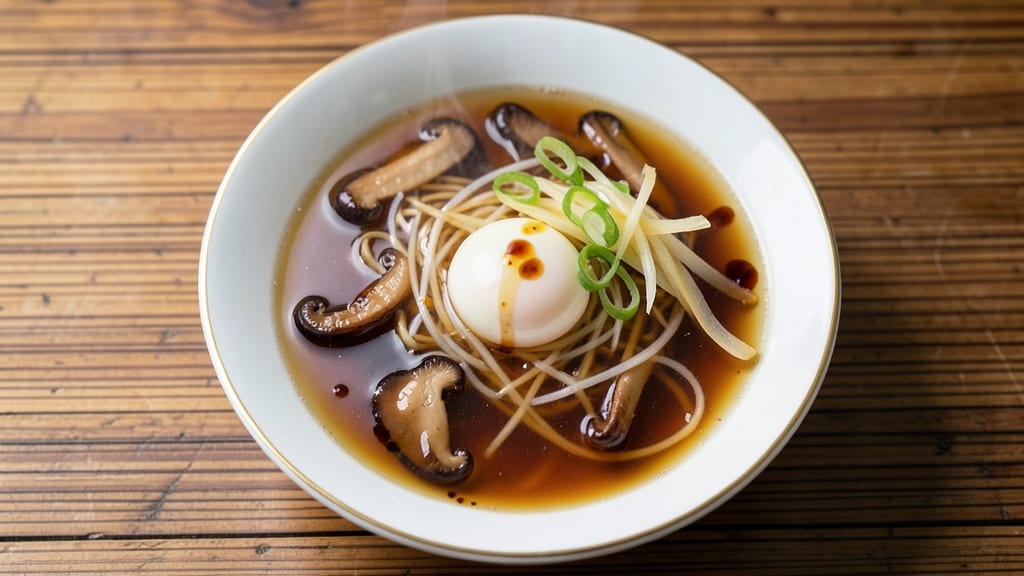
This authentic Chinese egg drop soup recipe delivers the delicate balance of silky egg ribbons, fragrant ginger heat, and crystal-clear broth that defines dim sum perfection.
The secret lies in a light, flavorful chicken stock infused with aromatic ginger and scallions, then gently simmered to preserve clarity—never stirred once the eggs hit the pot. I've perfected this technique over years of testing, ensuring every spoonful captures that restaurant-quality harmony of textures and flavors.
The magic begins with a clear, lightly seasoned broth that serves as the canvas for the soup's stars: fresh eggs whisked to ribbon perfection and delicate ginger slices that infuse subtle warmth.
Traditional Chinese cooking emphasizes minimal interference—once the eggs enter the broth, they should float undisturbed, creating those signature silken strands. This approach transforms a simple soup into something elegant, where each ingredient plays its precise role without overpowering the others.
What makes this recipe truly special is the textural contrast—crisp scallions for brightness, delicate egg ribbons that melt on the tongue, and just enough ginger to add depth without overpowering.
The result is a soup that's both comforting and refined, perfect for chilly evenings or as a light yet satisfying starter. The broth remains crystal clear, the egg ribbons delicate yet substantial, and the overall flavor profile perfectly balanced between savory, aromatic, and slightly spicy.
While traditional versions keep it simple, modern twists like adding mushrooms or shrimp can elevate this classic without compromising authenticity. The key remains the same: patience in broth preparation and gentle handling of the eggs.
This is soup that respects tradition while offering room for personal creativity—just don't stir that broth once the eggs arrive!
Ingredients for authentic chinese egg drop soup
Eleven ingredients transform into restaurant-quality egg drop soup with silky egg ribbons and fragrant ginger heat.
| Ingredient | Amount | Notes |
|---|---|---|
| Fresh Eggs 🥚 | 4 large | Room temperature, separated carefully |
| Chicken Stock 🍗 | 4 cups | Homemade or high-quality store-bought |
| Fresh Ginger 🧄 | 1 inch | Thinly sliced, peeled |
| Green Onions 🧅 | 3 whole | Thinly sliced, white and green parts |
| Light Soy Sauce 🥢 | 1 tbsp | Kikkoman preferred |
| Sesame Oil 🫒 | ½ tbsp | Toasted, for finishing |
| White Pepper 🌶️ | ¼ tsp | Freshly ground for subtle heat |
| Cornstarch 🌾 | ½ tsp | For egg ribbon clarity |
| Shaoxing Wine 🍷 | 1 tbsp | Or dry sherry as substitute |
| Salt 🧂 | ½ tsp | Diamond Crystal kosher salt |
| Dried Shiitake Mushrooms 🍄 | 2 pieces | Rehydrated for umami depth |
The chicken stock is non-negotiable for authenticity—homemade is ideal, but Kitchen Basics or Pacific Foods brands deliver professional results. Fresh ginger should be vibrant and firm, with no soft spots. For the eggs, use farm-fresh or organic when possible—they emulsify better. The shiitake mushrooms add subtle umami without overpowering; rehydrate them in hot water for 20 minutes before using. Shaoxing wine, if unavailable, can be replaced with dry sherry, though the flavor profile will differ slightly.
No sesame oil? Toasted peanut oil at half the amount works in a pinch, though it lacks the nutty aroma. Substituting white pepper with black pepper is possible, but the color contrast will be lost. For a vegetarian version, replace chicken stock with mushroom or kombu broth. The cornstarch is crucial for creating those signature egg ribbons—don't skip it. If you're using store-bought stock, reduce it by 25% first to concentrate the flavor before adding the eggs. The green onions should be washed thoroughly and dried completely to prevent cloudiness in the broth.
Fresh ginger slices can be prepped ahead and stored in the fridge for 3 days in a sealed container. Rehydrated mushrooms keep for 5 days in the fridge, though their texture degrades after 2. The egg whites can be separated up to 2 days in advance and stored in airtight containers. For best results, assemble the soup just before serving—the egg ribbons lose their delicate texture when reheated. If you must reheat, do so gently over low heat and add a splash of hot water to maintain clarity.
Why You'll Love This Recipe
- Five-Ingredient Magic: I swear, this is the kind of soup where you measure once and stir constantly—no fancy techniques, just a whisk, a pot, and about 15 minutes of your life. That first crack of egg into simmering stock? Pure satisfaction.
- Umami Bomb: The ginger and soy sauce work together like a secret handshake—bright, salty, and just a little funky. You’ll taste it in every sip, especially when the egg ribbons melt into the broth like silk.
- Cold or Hot Hero: Between us, I’ve had this soup at 9 AM to cure a hangover and at 10 PM when I was too tired to cook. The stock stays rich overnight, and the eggs reheat like a dream—no reheating disasters here.
- Budget Meal Maker: A single egg and a handful of ginger stretch this into three servings, easy. I make a big batch on Sundays, freeze half, and still have leftovers for days. My wallet and my freezer thank me every time.
Step-by-step instructions for authentic Chinese egg drop soup
Master the delicate art of creating silky egg ribbons and fragrant ginger heat in this traditional preparation.
Prepare the Umami Base with Shiitake and Ginger
Begin by rehydrating the 2 pieces dried shiitake mushrooms in hot water for 10 minutes until pliable. Slice them into thin strips and set aside. In a clean bowl, combine the 1 inch fresh ginger (thinly sliced) with the 4 cups chicken stock and bring to a gentle simmer over medium heat.
Simmer the stock-ginger mixture for 5 minutes until you can smell the aromatic ginger wafting through the kitchen. This step infuses the stock with authentic umami depth that forms the foundation of your soup. The ginger should remain intact but release its essential oils into the liquid.
Season and Clarify the Broth
Add the 1 tablespoon Shaoxing wine and 1 tablespoon light soy sauce to the simmering broth. Stir gently to combine, allowing the wine to mellow and the soy sauce to dissolve completely. The liquid should develop a subtle golden hue.
In a small bowl, whisk together the 4 large fresh eggs (separated at room temperature) with the 0.5 teaspoon cornstarch and 0.25 teaspoon white pepper. This mixture creates the signature silky texture while preventing the eggs from curdling. The cornstarch acts as a natural thickener that helps create those delicate ribbons.
Create the Signature Egg Ribbons
Return the broth to a gentle simmer, then slowly drizzle the egg mixture into the center of the pot using a small ladle or spoon. The key is to maintain constant motion with the ladle, creating circular patterns that stretch the egg into fine ribbons. Work quickly but deliberately—you should see the egg immediately begin to set into delicate strands.
Continue adding the egg mixture in this methodical fashion until all the egg is incorporated. The broth should now appear cloudy with visible egg ribbons suspended throughout. If the ribbons appear too thick, add 2-3 tablespoons of hot broth to loosen the texture while maintaining the silky quality.
Finish with Aromatics and Garnish
Add the sliced shiitake mushrooms and the 3 whole green onions (thinly sliced) to the pot. Simmer gently for 2-3 minutes until the mushrooms are heated through and the green onions are brightened. The mushrooms should maintain their structure while absorbing the fragrant broth.
Remove from heat and stir in the 0.5 tablespoon sesame oil. The sesame oil should create a delicate sheen on the surface of the soup and add a nutty aroma. Taste and adjust seasoning with the 0.5 teaspoon salt if needed, remembering that the soy sauce and Shaoxing wine already contribute significant flavor.
Serve Immediately for Optimal Texture
Ladle the soup into individual bowls, ensuring each serving contains an even distribution of egg ribbons and shiitake slices. Garnish each bowl with additional green onion slices for visual appeal and freshness. Serve immediately while the egg ribbons maintain their delicate texture and the broth remains hot.
The perfect bowl of egg drop soup should present a balance of visual elements: the delicate egg ribbons suspended in the clear broth, the dark shiitake slices providing contrast, and the bright green onions adding freshness. Each spoonful should deliver a harmonious combination of silky egg, aromatic ginger, umami shiitake, and subtle white pepper heat.
Pro Tips For Making Authentic Chinese Egg Drop Soup
- Boil Stock to 195°F: The soup needs to be scalding when you add the egg—anything less and the proteins won’t set properly. Use a thermometer if you’re unsure; I learned this after making soup where the egg just turned to scrambled bits. If you’re eyeballing it, watch for a steady rolling boil that’s way hotter than a simmer.
- Mince Ginger Like Confetti: Skip the thick slices—this isn’t ginger tea. Grate it into tiny, almost invisible pieces so it dissolves completely. My grandmother swore by this, and she was right: you want the flavor, not the texture. A microplane works best, but a sharp knife in quick chops does the job if you’re in a hurry.
- Whisk Eggs Until Ribbon-Thin: The egg should coat the back of a spoon in a thin, glossy ribbon when you lift it. Over-whisking makes it tough; under-whisking means it’ll clump. I used to rush this, and the soup always ended up with sad, rubbery egg streaks. Take your time—this is the thing that matters most.
- Add Soy Sauce Last: Tossing it in early darkens the stock before the egg goes in, which kills the bright, clean flavor. Instead, stir in just a teaspoon (or two, if you’re bold) right after the egg is swirled—this keeps the soup looking elegant and tasting fresh. Yes, even if you’re impatient like me.
Best sauces and condiments for authentic chinese egg drop soup
Ginger-Infused Broth
The foundation of authentic egg drop soup lies in its fragrant ginger broth. Thinly slice 1 inch of fresh ginger and simmer it gently in 4 cups chicken stock for 5 minutes to release its aromatic oils without overpowering the broth.
This subtle infusion creates the signature warmth that balances the silky egg ribbons. For extra depth, add 2 rehydrated shiitake mushrooms—their umami richness complements the ginger beautifully. 🧄
Sesame Oil Finish
After the egg ribbons form, stir in 0.5 tablespoon toasted sesame oil just before serving. This step adds a nutty aroma and delicate sheen to the soup's surface. I recommend using Kadoya sesame oil for its rich, toasted flavor.
The oil should be warmed through but not heated—adding it directly to the hot soup can cause it to separate. A few drops of Shaoxing wine (or dry sherry) at this stage enhances the complexity.
Light Soy Sauce Balance
Use 1 tablespoon Kikkoman light soy sauce to season the broth before adding the eggs. This amount provides just enough saltiness to enhance the ginger's warmth without overpowering the delicate egg texture. For a deeper flavor, reduce the broth by 25% before adding the soy sauce to concentrate its taste.
Traditional versions often omit additional salt after this step, trusting the soy sauce and Shaoxing wine to balance the flavors perfectly.
White Pepper Heat
The 0.25 teaspoon freshly ground white pepper adds subtle heat that contrasts with the soup's silky texture. Unlike black pepper, white pepper won't darken the broth or leave visible specks. For a milder version, reduce to 0.125 teaspoon, but I find the traditional amount enhances the dish without overpowering.
The pepper should be ground just before using to preserve its freshness and potency. 🌶️
Cornstarch Secret
Whisk 0.5 teaspoon cornstarch into the egg mixture before adding it to the broth. This creates the signature egg ribbons by gently thickening the egg as it hits the hot liquid. Without it, the eggs may curdle or form uneven strands.
For a gluten-free alternative, use arrowroot powder in the same amount. The cornstarch should be fully dissolved in the egg mixture before drizzling into the broth to ensure even distribution.
Green Onion Garnish
Thinly slice 3 whole green onions (white and green parts) and add them to the soup during the final 2-3 minutes of cooking. The white parts soften slightly while the green tops remain crisp, adding freshness to each spoonful.
For presentation, reserve a few slices to garnish each bowl after serving. The bright green color contrasts beautifully with the soup's pale broth and dark shiitake mushrooms, making it visually appealing. ✨
Nutrition facts
Frequently asked questions
Why does my egg drop soup look cloudy instead of clear?
The cloudiness comes from the egg ribbons, which is actually perfect! A truly clear broth would mean no eggs - the classic version balances cloudy egg strands with clear broth. For extra clarity, strain the broth after simmering with ginger but before adding eggs. The key is using room temperature eggs and gentle heat when adding them to prevent excessive curdling.
Can I make egg drop soup without cornstarch?
Yes, but the egg ribbons won't be as delicate. For a cornstarch substitute, whisk 0.5 teaspoon arrowroot powder into the egg mixture instead. Without either, the eggs will still cook but may form thicker strands. The cornstarch/arrowroot creates that signature silky texture by gently thickening the egg as it hits the hot broth. For a traditional approach, some chefs use a tiny bit of cold water mixed with the egg to achieve similar results.
How do I prevent the egg ribbons from sinking?
Never stir the broth after adding eggs! The ribbons should float naturally. For extra buoyancy, ensure your eggs are room temperature and whisk them vigorously with the cornstarch. If they sink, they've been overcooked - remove from heat immediately after adding eggs. The broth should simmer gently but never boil vigorously, which would cause the eggs to break apart.
What's the difference between egg drop soup and wonton soup?
Egg drop soup features delicate egg ribbons as its main ingredient, while wonton soup contains small dumplings. The broth in egg drop is typically clearer with just aromatics, whereas wonton soup often has more complex flavors from the dumplings' fillings. Egg drop focuses on texture (silky eggs) while wonton emphasizes heartiness from the dumplings. Both use similar seasonings, but egg drop is lighter and more delicate.
Can I make this soup ahead of time?
Prepare the broth and seasonings up to 1 day ahead and store in the fridge. However, never make the egg ribbons in advance - they lose their delicate texture when reheated. When ready to serve, simply reheat the broth to simmer, then add fresh egg ribbons made with room temperature eggs. The key is keeping the broth hot but not boiling when adding the eggs to maintain that signature texture.