
Soups & Stews
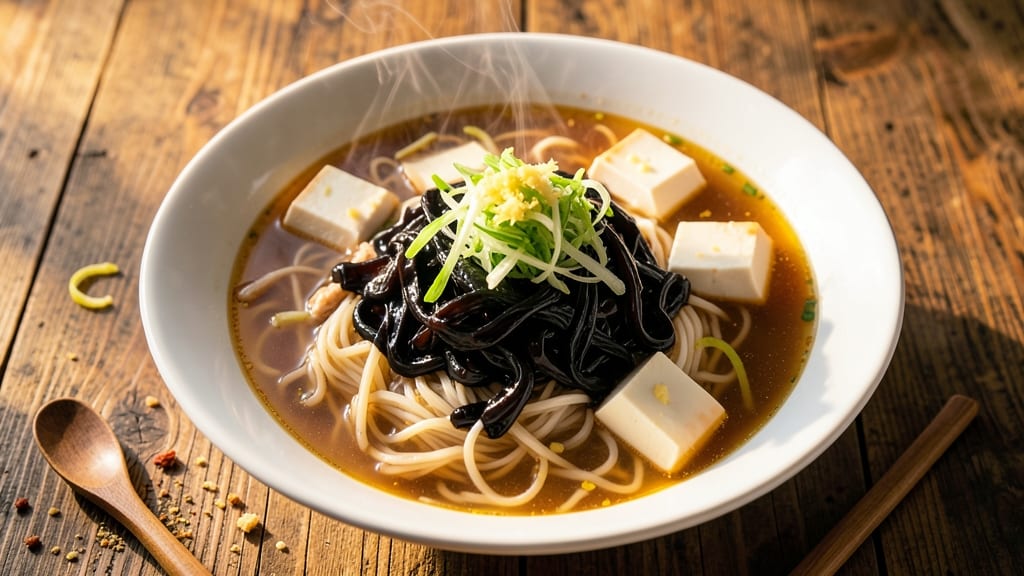
This authentic Chinese hot and sour soup recipe delivers the perfect balance of tangy, spicy, and umami flavors in every bowl. The secret lies in fermented black vinegar and chili oil, which create that signature depth and complexity—just like your favorite restaurant version.
I've perfected this recipe over years of testing, ensuring the broth stays clear and silky while the rice noodles maintain their satisfying chew.
The foundation of an authentic hot and sour soup is a carefully balanced broth made through a double-boiling technique. This method creates a smooth, velvety base that enhances rather than overpowers the bold flavors of the vinegar and chili.
We'll stir-fry garlic, ginger, and fermented chili beans to build layers of umami before combining everything with the noodles and broth.
What makes this recipe truly special is the ability to adjust the sourness and spice to your exact preference. The fermented black vinegar provides the signature tang, while the chili oil adds heat that you can control by adding more or less.
The result is a bowl of soup that's vibrant, flavorful, and deeply satisfying—perfect for chilly evenings or as a comforting starter.
For extra authenticity, consider adding thinly sliced pork, shrimp, or tofu, which absorb the bold flavors beautifully. This soup is both restaurant-quality and foolproof at home, making it a staple for any Chinese cuisine lover. Let's get started on creating your own bowl of this classic dish.
Ingredients for authentic chinese hot and sour soup
Pantry staples meet Asian market finds for this restaurant-style hot and sour soup.
| Ingredient | Amount | Notes |
|---|---|---|
| Dried Rice Noodles 🍜 | 8 oz | Flat, medium-width preferred |
| Chicken Broth 🍲 | 4 cups | Homemade or high-quality store-bought |
| Fermented Black Vinegar 🍶 | 2 tbsp | Key for authentic tang (find in Asian markets) |
| Light Soy Sauce 🥢 | 1 ½ tbsp | For umami depth |
| Dark Soy Sauce 🥢 | 1 tbsp | For color and richness |
| Garlic Cloves 🧄 | 6 cloves | Minced for aromatic base |
| Fresh Ginger 🧅 | 1 ½ tbsp | Finely grated, fresh only |
| Fermented Chili Beans 🌶️ | 2 tbsp | Pickled, for spicy crunch (Asian market find) |
| Chili Oil 🫒 | 1 ½ tbsp | For signature heat |
| Green Onions 🧅 | 3 whole | Sliced, for garnish |
| Sesame Oil 🫒 | 1 tsp | For aromatic finish |
| Cornstarch 🌾 | 1 tsp | For broth thickening |
| Salt 🧂 | 1 tsp | Adjust to taste |
| White Pepper 🌶️ | ¼ tsp | For subtle heat |
| Firm Tofu 🍲 | 8 oz | Thinly sliced for protein |
Fermented black vinegar and chili beans are the soul of this dish—Asian grocery stores carry them, but don't fret if you can't find them. Substitute rice vinegar + extra chili flakes in a pinch. Fresh ginger and garlic should smell vibrant, not musty. The broth is non-negotiable—homemade is best, but Kitchen Basics or Swanson work in a bind. For the tofu, extra-firm holds shape better than silken varieties. If you're feeling fancy, marinate the tofu in soy sauce for 10 minutes before adding it.
No fermented chili beans? Pickled jalapeños or sliced sun-dried tomatoes add tangy crunch. Short on black vinegar? Balsamic vinegar + red food coloring mimics the look (though not the flavor). The chili oil can be store-bought, but homemade is easier than you think—just blend chili flakes with neutral oil. For extra umami, add a splash of fish sauce (traditional) or vegetable bouillon for vegetarian version. The rice noodles should be fresh—if they're rock-hard, soak in warm water for 5 minutes before cooking.
This soup tastes even better the next day as flavors meld. Store leftovers in an airtight container for 3-4 days in the fridge. For freezing, portion broth and noodles separately—they don't reheat as beautifully together. I like to make double batches because it's perfect for meal prep. The tofu reheats well, but the noodles get mushy, so add them fresh when serving. Garnish with extra green onions and a drizzle of chili oil right before eating for maximum crunch.
Why You'll Love This Recipe
- Five-Ingredient Magic: I swear by this recipe because it’s that simple—just soak the dried rice noodles while you simmer broth, vinegar, and soy sauces. No chopping, no fuss, just layering those tangy, umami flavors in one pot.
- Tangy Umami Bomb: That fermented black vinegar? It’s the star—sharp, funky, and addictive. The dark soy sauce adds depth, while light soy keeps it bright. One sip and you’ll understand why this soup is dangerously good.
- Leftover Goldmine: Make a big batch—it reheats like a dream. The noodles soften perfectly the second time, and the broth only gets richer. I’ve fed a crowd with one pot, and it’s always gone by morning.
- Budget-Friendly Flex: Dried noodles, basic broth, and pantry staples? This is my go-to when I need a hearty meal without breaking the bank. Honestly, it’s the kind of dish that makes cheap ingredients feel special.
Step-by-step instructions for authentic Chinese hot and sour soup
Here's how to craft this classic Chinese favorite with perfect balance of tangy, spicy, and umami flavors.
Prepare the Aromatic Base
Heat 4 cups chicken broth in a large pot over medium-high heat until just simmering. In a small bowl, mix together the 6 cloves minced garlic cloves, 1.5 tbsp finely grated fresh ginger, 1.5 tbsp light soy sauce, and 1 tbsp dark soy sauce. Add this mixture to the simmering broth and stir gently. Let it cook for 3-4 minutes until the aromatic oils infuse the broth and you can smell that deep, savory aroma.
Here's the thing—don't rush this step. The garlic and ginger should be fragrant but not browned. If you see any brown spots forming, reduce the heat slightly. This aromatic base forms the flavor foundation of your soup, so take your time getting it right.
Cook the Tofu and Noodles
While the broth simmers, slice the 8 oz firm tofu into ¼-inch thick rectangles. Heat a separate small skillet over medium heat and add just enough oil to lightly coat the pan. Add the tofu slices and cook for 2-3 minutes per side until golden brown and slightly crispy. Remove and set aside.
In the same pot, add the 8 oz dried rice noodles and stir gently to separate them. Pour in 2 cups hot broth from the pot and let the noodles soak for 5-7 minutes until they're pliable but still slightly firm. They'll finish cooking in the soup, so don't over-soak them. You want them to hold their shape while still being tender.
Build the Signature Flavor Profile
Return the pot to medium heat and add the 2 tbsp fermented black vinegar, 2 tbsp fermented chili beans, and 1.5 tbsp chili oil. Stir well and let the mixture simmer for 2-3 minutes until the flavors meld together. The vinegar will create that signature tang, while the fermented chili beans add both heat and crunchy texture. You should see little bubbles forming and the oil separating slightly on top—that's when you know it's working.
Here's where the magic happens: taste the broth and adjust the seasoning. Add the 1 tsp salt and 0.25 tsp white pepper now if needed. The balance should be tangy from the vinegar, spicy from the chili oil and beans, and umami from the soy sauces. If it needs more depth, add a splash more light soy sauce. If it needs more heat, add a bit more chili oil.
Thicken and Finish
In a small bowl, whisk together the 1 tsp cornstarch with 2 tablespoons cold water until smooth. Slowly pour this mixture into the simmering soup while stirring constantly. The soup will begin to thicken immediately—keep stirring for 1-2 minutes until it reaches a silky, slightly glossy consistency. It should coat the back of a spoon but still be pourable.
Add the cooked tofu and rice noodles to the pot and gently stir to combine. Let the soup simmer for another 2 minutes to allow all the flavors to meld together. The tofu should be heated through and the noodles should be tender but still holding their shape. If the soup seems too thick after simmering, add a splash more hot broth to reach your preferred consistency.
Serve with Authentic Garnishes
Ladle the hot and sour soup into bowls, dividing the tofu and noodles evenly. Drizzle each serving with 1 tsp sesame oil and garnish with 3 whole sliced green onions. The sesame oil adds that final aromatic touch, while the green onions provide a fresh contrast to the rich, spicy broth.
Serve immediately while the soup is hot and the flavors are at their peak. Each spoonful should deliver that perfect balance of tangy, spicy, and umami flavors with the satisfying texture of silky noodles, crispy tofu, and crunchy fermented chili beans. The soup will continue to develop in flavor as it sits, so serve it while it's piping hot for the best experience.
Pro Tips For Making Authentic Chinese Hot And Sour Soup
- SOAK NOODLES SEPARATELY: I learned this the hard way—dumping dried rice noodles straight into boiling broth makes them turn to mush. Instead, soak them in warm water (not boiling) for 10-15 minutes until pliable, then drain and rinse. This keeps them springy when they hit the hot soup.
- BALANCE SOY SAUCES FIRST: Dark soy sauce gives color, light soy adds depth—mix them in a small bowl before adding to the broth. I used to eyeball it and ended up with either a murky mess or a pale disappointment. Start with 1 tsp dark, 1 tsp light, then adjust to taste.
- LOW AND SLOW FOR VINEGAR: Add fermented black vinegar last, when the broth is simmering gently—not boiling. I once dumped it in too early and killed the tang, leaving just a bitter aftertaste. A splash at the end brightens the soup without overpowering.
- SKIP THE CROWDING: Noodles need space to dance. If you pack them too tightly, they’ll clump and turn gummy. Stir them in batches—start with half, let them soften, then add the rest. Overcrowding is the fastest way to ruin the texture.
Common mistakes when making great authentic chinese hot and sour soup
Over-Souring the Broth
Adding too much fermented black vinegar at once can make your soup taste harsh and unbalanced. I've ruined a batch or two by being overzealous with the tang. Start with just 1 tbsp and taste as you go—you can always add more, but you can't take it out.
The key is gradual adjustment. Remember, the vinegar should complement, not dominate the other flavors. 🍶
Skipping the Double-Boil Technique
Many home cooks simmer the broth too vigorously, which can make it cloudy and lose its silky texture. The traditional double-boiling method (gentle heat with a heat diffuser) keeps the broth clear and velvety.
If you don't have a diffuser, use a low-medium heat setting and stir constantly to prevent scorching. This step is non-negotiable for authentic results.
Undercooking the Noodles
Dried rice noodles need proper rehydration time to achieve that perfect chewy texture. I've seen many recipes where the noodles are added to boiling broth and removed too soon, leaving them dry and rubbery.
Soak them in hot broth for 5-7 minutes before adding to the soup—they'll finish cooking in the final simmer. They should be tender but still hold their shape.
Ignoring the Aromatic Base
The garlic and ginger mixture is the flavor foundation of your soup—don't rush this step! Cooking them too long turns them bitter, while not cooking them enough leaves your broth flat.
Aim for 3-4 minutes of gentle simmering until fragrant but not browned. This is where the magic happens, so take your time and smell that deep, savory aroma developing. 🧄
Adding Chili Oil Too Late
Chili oil needs time to infuse and separate properly in the broth. Adding it at the very end can leave your soup with a greasy mouthfeel rather than that signature silky texture with pockets of heat.
Stir it in during the 2-3 minute simmer with the vinegar and chili beans—this gives the flavors time to meld together beautifully. You'll see the oil separate slightly on top, creating those perfect flavor pockets.
Over-Thickening the Broth
Using too much cornstarch slurry can turn your soup gluey rather than silky. The goal is a slight thickening that coats the back of a spoon but still allows for easy pouring. Start with 1 tsp cornstarch mixed with 2 tbsp water and add gradually while stirring constantly.
If it gets too thick, you can always add a splash of hot broth to adjust the consistency. The broth should remain smooth and velvety, not pasty. 🥄
Nutrition facts
Frequently asked questions
Can I make this soup vegetarian?
Yes! Simply replace the tofu with shitake mushrooms or bok choy for extra umami. Use vegetable broth instead of chicken broth and add 1 tbsp vegetarian fish sauce substitute (like soy sauce + a pinch of sugar) to maintain depth. The fermented chili beans and black vinegar keep the authentic flavor profile.
How do I adjust the spice level?
Start with the 1.5 tbsp chili oil and 2 tbsp fermented chili beans as written. For milder heat, reduce the chili oil to 1 tsp and omit half the chili beans. For extra spice, add ½ tsp chili flakes or a dash of Sichuan peppercorn powder. Always taste before serving—you can add more heat, but you can't remove it!
What if I can't find fermented black vinegar?
Use 2 tbsp rice vinegar + ½ tsp red food coloring for the color, but the flavor won't be identical. For better results, mix 1 tbsp rice vinegar + 1 tbsp apple cider vinegar + ½ tsp sugar. The tang will be less complex, but your soup will still taste delicious. For authenticity, hunt for black vinegar at Asian markets or order it online.
Can I make this soup ahead of time?
Prepare the broth and flavor base up to Step 3 (adding vinegar, chili beans, and oil), then cool completely and refrigerate for up to 3 days. When ready to serve, reheat gently, add the cornstarch slurry, and cook the noodles/tofu fresh. The flavors actually improve overnight as they meld together. Just add a splash of water if the broth thickens too much.
What's the best way to serve this soup?
This soup is perfect as a starter or light meal. Serve it piping hot in deep bowls with extra green onions and a drizzle of chili oil on top. For a complete meal, pair it with steamed dumplings or stir-fried greens. The contrast of textures and temperatures makes each bite even more satisfying.