
Soups & Stews
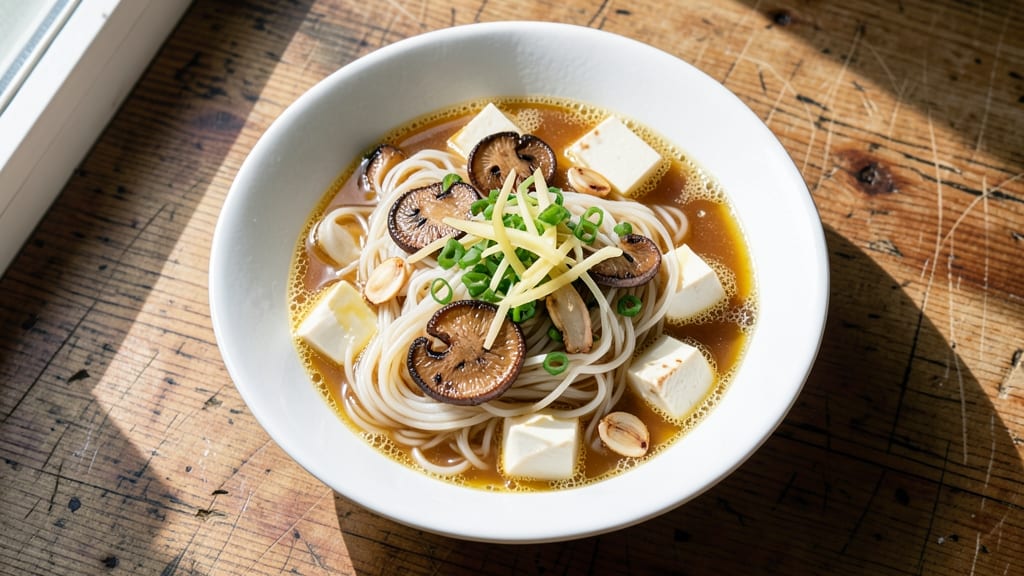
This bean thread noodles soup recipe delivers the delicate, silky texture and comforting flavors of a classic Chinese dish, perfect for any meal.
The secret lies in properly soaking the thin rice noodles until they're pliable yet still hold their shape, creating that signature melt-in-your-mouth quality when combined with a rich, savory broth.
What sets this recipe apart is the balance of traditional techniques with modern simplicity. We'll build a flavorful broth using mushrooms, ginger, and aromatics that simmer for deep umami development, while keeping the preparation approachable for home cooks.
The result is a harmonious blend of textures and flavors that's both comforting and elegant.
The noodles transform from dry strands to tender, silky ribbons when cooked just right, while the broth provides a fragrant, savory base that enhances every bite. This soup is naturally vegan-friendly and packed with plant-based protein from mushrooms and tofu, making it a satisfying choice for any dietary preference.
Ready in under 30 minutes, this recipe delivers restaurant-quality results with minimal effort. Whether you're serving it as a light lunch or a comforting dinner, the combination of delicate noodles and flavorful broth creates a dish that's both nourishing and deeply satisfying.
Ingredients for bean thread noodles soup
Silky rice noodles and aromatic umami-rich broth create a delicate, restaurant-quality soup with minimal effort.
| Ingredient | Amount | Notes |
|---|---|---|
| Bean Thread Noodles (Rice Noodles) 🍜 | 8 oz | Dried, medium-width preferred |
| Shiitake Mushrooms 🍄 | 8 oz | Fresh, stems removed |
| Firm Tofu 🧀 | 1 lb | Extra-firm, pressed and cubed |
| Fresh Ginger 🧄 | 2 tbsp | Finely minced, peeled |
| Garlic Cloves 🧄 | 4 cloves | Minced, fresh preferred |
| Green Onions 🧅 | 3 whole | White and green parts separated |
| Vegetable Broth 💧 | 4 cups | Low-sodium preferred |
| Sesame Oil 🫒 | 1 tbsp | Toasted, for aroma |
| Light Soy Sauce 🍶 | 2 tbsp | Gluten-free if needed |
| Dark Soy Sauce 🍶 | 1 tbsp | For depth of color |
| Rice Vinegar 🍶 | 1 tbsp | For brightness |
| Sesame Seeds 🌾 | 1 tsp | Toasted, for garnish |
| Vegetable Oil 🫒 | 2 tbsp | For stir-frying |
| Salt 🧂 | ½ tsp | Adjust to taste |
| White Pepper 🌶️ | ¼ tsp | Freshly ground |
The bean thread noodles are the heart of this dish—medium-width works best for that signature silky texture. Most Asian markets carry them, but if unavailable, substitute with thin rice vermicelli (soak 3-5 minutes less). For mushrooms, shiitake delivers the deepest umami, but cremini or oyster mushrooms will work in a pinch. Fresh ginger and garlic are non-negotiable here—they develop complex flavors during simmering. Look for organic ginger with tight, smooth skin for maximum potency. Tofu selection matters too: extra-firm holds shape best when cubed, but firm tofu pressed for 15 minutes works too.
No fresh mushrooms? Dried shiitake rehydrated in hot water (1 cup) makes an excellent substitute—they intensify flavor dramatically. Short on time? Pre-minced garlic and ginger from the freezer aisle saves prep work without sacrificing quality. The soy sauces create that signature savory depth—Kikkoman light soy and Lee Kum Kee dark soy are reliable choices. For vinegar, rice vinegar provides the perfect balance of tang, but apple cider vinegar adds a subtle sweetness if you prefer. The sesame oil should be toasted, not the flavored kind—it adds aroma without overpowering. Toast the sesame seeds in a dry pan for 30 seconds before garnishing for maximum nuttiness.
Soaked noodles keep for 2 days in the fridge submerged in water—drain and rinse just before using to prevent mushiness. The broth can be made 3 days ahead and reheated gently—it actually improves in flavor. For meal prep, portion noodles and broth separately and combine when ready to serve. Freeze broth in ice cube trays for 3 months—thaw and reheat for quick soups. The tofu cubes can be pre-cooked and stored separately for 4 days, adding them fresh when reheating. Always rinse drained noodles before adding to hot broth to remove excess starch and prevent clumping.
Why You'll Love This Recipe
- Noodles in Minutes: I swear, the second those bean threads hit hot water, they’re ready. No boiling, no waiting—just a quick rinse and they’re silky smooth. The tofu and mushrooms soften while you prep, so everything’s done at the same time.
- Umami Bomb: That first sip? Pure flavor payoff. The shiitake mushrooms add this deep, earthy richness, while the garlic and ginger hit like a warm hug. Honestly, the broth becomes ridiculously good with just a splash of soy sauce—simple, but next-level.
- Lunchbox Hero: Between us, this soup is my go-to for meal prep. Pack it cold for work or school—those noodles stay tender, and the tofu holds up perfectly. (Yes, even on a Tuesday night when you’re too tired to think.)
- Budget Magic: A single block of tofu, a handful of mushrooms, and a bag of noodles stretch into so many bowls. I’ve fed four people for under $10 with leftovers that taste just as good reheated. Not the prettiest, but the taste makes up for it.
Step-by-step instructions for bean thread noodles soup
Master this delicate balance of silky noodles and rich umami broth with precise technique.
Prepare the Noodles for Perfect Texture
Soak the 8 oz bean thread noodles (rice noodles) in warm water for 10-12 minutes until they become pliable but still hold their shape. I use a bowl of water heated to 160°F—hot enough to soften but not boil them, which would turn them mushy. Drain immediately and rinse under cold water to stop the cooking process. The noodles should be tender but still slightly firm to the touch.
Here's the thing—these noodles are delicate. Over-soaking destroys their signature silky texture, while under-soaking leaves them chewy. Test one strand by pressing between your fingers: it should yield slightly but not break apart. Set aside in a bowl and cover with a damp towel to prevent drying while you prepare the rest of the soup.
Build the Umami-Packed Broth Base
Heat 2 tablespoons vegetable oil in a large pot over medium-high heat. Add the 8 oz shiitake mushrooms (stems removed) and cook for 4-5 minutes until they release their moisture and develop golden brown spots. Remove and set aside—these will return later for texture.
In the same pot, add 1 pound firm tofu (pressed and cubed) and cook for 3-4 minutes until lightly golden. Remove and set aside with the mushrooms. Now add 2 tablespoons minced fresh ginger and 4 cloves minced garlic, cooking for 30 seconds until fragrant. This quick cooking preserves their bright flavors without burning.
Develop the Flavor Foundation
Pour in 4 cups vegetable broth and bring to a gentle simmer. Add 2 tablespoons light soy sauce, 1 tablespoon dark soy sauce, and 1 tablespoon rice vinegar. The dark soy sauce will give the broth its signature deep color while enhancing umami. Simmer for 5 minutes to allow the flavors to meld.
Return the cooked tofu and mushrooms to the pot. Add 0.5 teaspoon salt and 0.25 teaspoon white pepper, then simmer for another 3 minutes. The broth should now have a rich, complex flavor with visible depth from the soy sauces. Taste and adjust seasoning—this is your flavor baseline before adding the delicate noodles.
Finish with Sesame Oil and Garnish
Add the drained bean thread noodles to the simmering broth and cook for just 1-2 minutes—they'll finish cooking in the hot liquid. Remove from heat and stir in 1 tablespoon sesame oil while the pot is still warm. This adds a nutty aroma that brightens the entire dish.
Divide the soup among bowls and garnish with 1 teaspoon toasted sesame seeds and the white and green parts of 3 whole green onions (thinly sliced). The contrast of textures—silky noodles, tender tofu, chewy mushrooms—creates a satisfying mouthfeel with each spoonful.
Serve Immediately for Optimal Texture
Serve the soup while steaming hot to maintain the perfect balance of textures. The noodles should be tender but still hold their shape, the broth should coat the back of a spoon with rich umami flavor, and each bite should deliver a harmonious blend of all components.
For best results, serve with a side of steamed greens or a simple cucumber salad to complement the soup's savory depth. The key to this dish is timing—especially with the delicate noodles—so work efficiently from start to finish for restaurant-quality results at home.
Pro Tips For Making Bean Thread Noodles Soup
- SOAK NOODLES COLD: Bean thread noodles need a quick soak—just 5-7 minutes in cold water, not hot. I used to toss them in boiling water like ramen, and they’d turn to mush. Cold water keeps them firm and silky, even after simmering.
- STIR-FRY TOFU FIRST: Press and cube the firm tofu, then pan-fry it until golden on all sides before adding to the soup. This adds texture and prevents it from turning soggy later. I learned this the hard way—raw tofu just melts into the broth.
- GINGER-GARLIC BASE: Bloom the minced ginger and garlic in oil for 30 seconds before adding mushrooms—this builds flavor without burning. Skipping this step means your soup will taste underdeveloped, no matter how long you simmer.
- SIMMER LOW AND LONG: Once the noodles hit the broth, reduce heat to a gentle simmer and cover for 3-4 minutes. High heat turns them into glue. My grandmother called this "whispering heat," and she was right: it keeps them tender without falling apart.
Storing and reheating this bean thread noodles soup
Noodle Storage Secrets
Soaked bean thread noodles keep best in the fridge for 2 days when stored submerged in cold water. I use a sealed container with just enough water to cover them completely—this prevents drying and maintains their delicate texture.
Drain and rinse them thoroughly under cold water right before using to remove excess starch and prevent clumping in your soup. 🌊
Broth Make-Ahead Magic
The broth is where this soup shines when prepped ahead. It actually improves in flavor over 3 days when refrigerated, developing deeper umami complexity. Store it in an airtight container and reheat gently over low heat—never microwave, as this can make the noodles mushy when combined.
For longer storage, freeze broth in ice cube trays for up to 3 months—thaw and reheat for quick soup assembly.
Tofu Prep Efficiency
Press and cube the tofu 1 day ahead and store it in the fridge. This saves time and ensures better texture when reheated. When ready to serve, simply add the pre-cooked tofu cubes directly to the hot broth for 1-2 minutes to warm through.
The tofu will absorb some broth but maintain its structure beautifully. I like to keep it separate from the broth until serving to prevent over-softening during storage.
Reheating Like a Pro
For best texture, reheat the entire soup gently over medium-low heat for 5-7 minutes until steaming. The noodles are delicate—never microwave them directly as this creates a rubbery texture. If using pre-made broth, combine all ingredients and heat just until the noodles are warm through (1-2 minutes max).
The key is maintaining that silky quality, so keep the heat low and stir occasionally to distribute heat evenly.
Freezer-Friendly Tips
This soup freezes surprisingly well for 2 months if you assemble it completely (noodles, broth, and all) before freezing. Use a freezer-safe container, leaving 1 inch headspace for expansion. Thaw overnight in the fridge, then reheat gently.
The texture remains silky when done right—just avoid reheating from frozen, as the noodles can become gummy. For individual servings, freeze in single portions for quick meals.
Garnish Freshness
Toast your sesame seeds and prepare your green onions right before serving. These garnishes lose their freshness when stored with the soup, so keep them separate until the final moment.
The contrast of crisp green onions and nutty sesame seeds against the warm broth is what makes this dish truly special. I like to have everything prepped and ready to assemble within 5 minutes of reheating for maximum freshness and impact. 💫
Nutrition facts
Frequently asked questions
Why do bean thread noodles turn mushy when cooked?
The delicate rice noodles absorb too much liquid when overcooked. Always soak them in 160°F water for 10-12 minutes (not boiling) and rinse immediately after draining. For soup, add them to simmering broth just 1-2 minutes before serving to maintain their signature silky texture.
Can I substitute dried shiitake mushrooms in this recipe?
Yes! Rehydrate 4 dried shiitake mushrooms in 1 cup hot water for 20 minutes before using. Use the rehydrated mushrooms plus their soaking liquid in place of fresh. The dried version packs even more umami flavor—just be sure to remove stems and slice caps thinly.
How do I make this soup spicier without adding chili oil?
Add ½ teaspoon red pepper flakes to the simmering broth or stir in 1 teaspoon gochujang (Korean chili paste) for depth. For heat without spice, mash 1 small garlic clove with ½ teaspoon chili crisp and mix into the finished soup. Adjust to taste—these options add both heat and complexity.
What's the best way to serve this soup for a crowd?
Prepare the broth and tofu base ahead, then assemble individual portions by adding fresh noodles and garnishes at serving time. Use a large pot for broth and small bowls for noodles to keep textures perfect. For presentation, ladle hot broth over noodles and garnish tableside with sesame seeds and green onions.
Can I make this soup gluten-free?
Use tamari or gluten-free soy sauce (both light and dark versions) and ensure your vegetable broth is certified gluten-free. All other ingredients are naturally gluten-free. For extra umami, add 1 teaspoon nutritional yeast to the broth while simmering.