
Soups & Stews
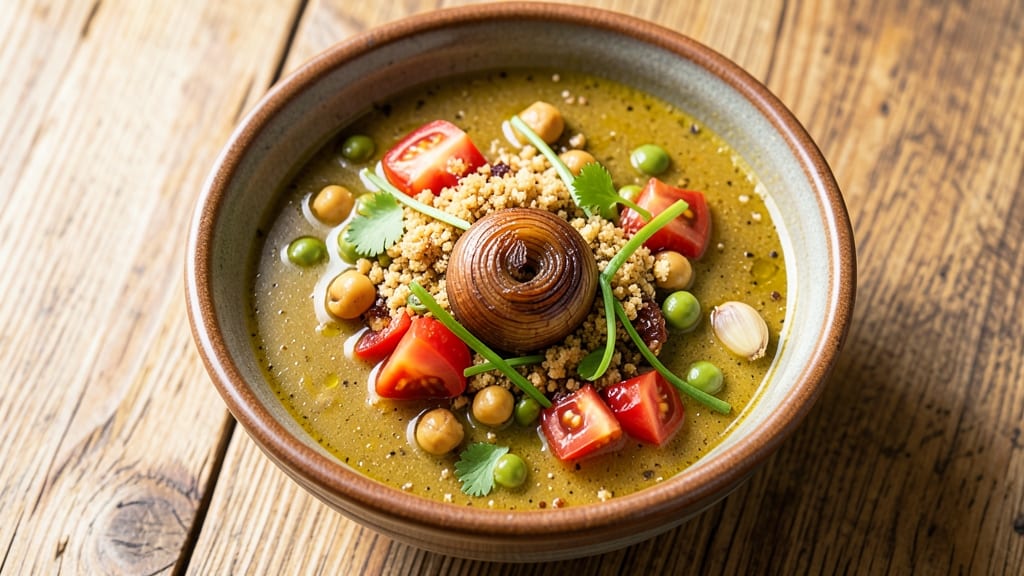
This authentic harira soup recipe brings the warm, spiced flavors of Morocco to your kitchen—perfect for Ramadan, winter gatherings, or any night you crave soul-warming comfort. The secret lies in slow-simmered chickpeas, lentils, and tomatoes infused with cumin and coriander, creating a fragrant broth that feels like a hug in a bowl. I developed this version after years of testing to balance traditional techniques with home-cooking practicality, ensuring every spoonful delivers that signature Moroccan depth.
The beauty of harira is its versatility—this recipe starts as a vegetarian base with chickpeas and lentils, then lets you add tender lamb for a richer experience.
The slow simmer allows flavors to meld, while blending just a portion of the soup creates that signature silky texture without losing the hearty lentil and chickpea bite.
What makes it truly special is the harmony of spices: warm cumin, bright coriander, and a touch of cinnamon that lingers like a memory from a bustling Moroccan market.
By the time you serve it, you'll have a steaming bowl of authentic Moroccan comfort—golden from the cumin, fragrant with harissa, and rich enough to pair with crusty bread or a dollop of yogurt.
The lamb (if using) will be melt-in-your-mouth tender, while the vegetables stay vibrant and full of texture. This is the kind of soup that disappears quickly, leaving everyone asking for seconds and the recipe notes scribbled on napkins.
Perfect for meal prep or last-minute gatherings, harira freezes beautifully too. The spices intensify overnight, making leftovers even more flavorful. Whether you're observing Ramadan, welcoming winter, or simply craving a taste of Morocco, this one-pot recipe delivers restaurant-quality results with minimal effort. Let's get cooking!
Ingredients for authentic harira soup
Warm spices, hearty lentils, and tender chickpeas—this is what makes harira unforgettable.
| Ingredient | Amount | Notes |
|---|---|---|
| Green Lentils 🌾 | 1 ½ cups | Rinsed thoroughly before cooking |
| Chickpeas 🥄 | 1 ½ cups | Cooked or canned, drained |
| Diced Tomatoes 🍅 | 2 cups | San Marzano preferred, fresh or canned |
| Yellow Onion 🧅 | 1 whole | Diced finely, about 1.5 cups |
| Garlic Cloves 🧄 | 6 cloves | Minced finely for depth |
| Ground Cumin 🌿 | 2 tbsp | Toasted for maximum aroma |
| Ground Coriander 🌿 | 1 ½ tbsp | Freshly ground preferred |
| Ground Turmeric 🌶️ | ½ tsp | For vibrant color |
| Ground Cinnamon 🍃 | ½ tsp | Warmth without overpowering |
| Harissa Paste 🌶️ | 2 tbsp | Adjust for heat preference |
| Vegetable Oil 🫒 | ½ cup | For sautéing, any neutral oil |
| Vegetable Broth 💧 | 4 cups | Low-sodium preferred |
| Fresh Parsley 🌿 | ¼ cup | Chopped finely for garnish |
| Plain Yogurt 🥛 | ½ cup | For serving, optional |
| Lemon Juice 🍋 | 2 tbsp | Freshly squeezed |
The lentils and chickpeas are the soul of this soup—green lentils hold their shape beautifully, while chickpeas add that satisfying bite. Trader Joe's and Whole Foods carry excellent dried lentils in bulk, but any grocery store will have them. For chickpeas, I prefer canned for convenience, but if you're going dried, soak them overnight. The San Marzano tomatoes make all the difference—their sweetness balances the spices perfectly. If you can't find them fresh, the canned version works just as well, just drain them thoroughly. The onion and garlic are non-negotiable for that deep, aromatic base—don't skip the extra minute to mince the garlic finely.
No harissa paste? Mix 1 tbsp smoked paprika with 1 tsp cayenne for a quick substitute. The spices are the heart of this dish, so don't compromise—toast your cumin and coriander in the oil for 30 seconds before adding other ingredients. That step unlocks their full potential. Fresh parsley is ideal, but dried will work in a pinch (use half the amount). For extra richness, stir in a splash of vegetable broth while blending, then return it to the pot. The yogurt is optional but adds that creamy, cooling contrast that makes harira so special—Greek-style yogurt works best if you're using it.
This soup tastes even better the next day as the flavors meld—make a double batch if you're feeding a crowd. Store in an airtight container in the fridge for up to 5 days, or freeze for 3 months. The broth thickens as it cools, so add a splash of warm water when reheating. For serving, drizzle with lemon juice right before eating—it brightens everything up. The lamb (if using) can be added after the initial simmer, but this vegetarian version is just as satisfying, especially with crusty bread to soak up every last drop.
Why You'll Love This Recipe
- One-Pot Wonder: I swear by this—just toss everything into a pot, simmer, and walk away. No fancy techniques, no stress. The lentils and chickpeas soften while the tomatoes and onions caramelize right in the same pot. Honestly, I’ve made it while scrolling through my phone.
- Garlic Bomb Flavor: That crushed garlic and onion base? It’s the soul of the dish. The slow simmer lets the flavors meld into something rich and deep, with just enough tang from the tomatoes to keep it bright. Between us, this isn’t just soup—it’s a full meal in a bowl.
- Weeknight to Holiday: I keep this in rotation for lazy Mondays, but it’s also my go-to for Ramadan gatherings. The hearty lentils and chickpeas fill you up, and the simplicity lets the flavors shine—no one will guess it’s just pantry staples. (Yes, even on a Tuesday night.)
- Leftovers That Don’t Suck: This soup actually tastes better the next day. I make a big batch on Sundays, and by Wednesday, it’s still rich and comforting. Plus, it’s cheap—lentils and chickpeas stretch forever, and I swear I’ve fed a crowd for under $10. Practical magic.
Step-by-step instructions for authentic harira soup
Here's the traditional method that delivers rich, spiced flavors and hearty texture every time.
Sauté the Aromatic Base
Heat the 0.5 cup vegetable oil in a large pot over medium heat. Add the 1 whole yellow onion and cook for 5-6 minutes until the edges turn golden and translucent. This slow cooking draws out natural sweetness from the onion.
Add the 6 cloves garlic cloves and cook for another 30 seconds until fragrant—don't let them brown or they'll turn bitter. Here's the thing: these aromatics form the flavor foundation, so take your time with this step. The onion should be soft but not mushy, and the garlic should smell like fresh summer.
Toast the Spices
Lower the heat to medium-low and add the 2 tbsp ground cumin, 1.5 tbsp ground coriander, 0.5 tsp ground turmeric, and 0.5 tsp ground cinnamon. Stir constantly for 1-2 minutes until the spices release their aromas and the pot smells like a Moroccan spice market.
This toasting step is crucial—it deepens the flavor profile and prevents the spices from tasting raw. You'll know it's right when the spices stop popping and the mixture smells earthy and warm. Don't rush this; patience here means better flavor throughout.
Build the Flavor Base
Increase heat to medium-high and add the 2 tbsp harissa paste, stirring for 30 seconds to distribute the heat evenly. Then add the 2 cups diced tomatoes and cook for 3-4 minutes until they soften and release their juices.
Here's where the soup starts coming together. The harissa brings that signature North African heat, while the tomatoes add acidity to balance the richness. You'll see the mixture reduce slightly and develop a deep red color—this is your signal to move to the next step.
Simmer the Lentils and Chickpeas
Add the 1.5 cups green lentils and 1.5 cups chickpeas along with the 4 cups vegetable broth. Bring to a boil, then reduce heat to low and simmer uncovered for 30-40 minutes until the lentils are tender but still hold their shape.
I check for doneness by tasting a lentil—it should be soft but not mushy, with a slight bite. The chickpeas will soften as they cook, but they don't need to be completely mushy. Stir occasionally to prevent sticking, and if the soup gets too thick, add a splash of water.
Finish and Serve Traditionally
Remove from heat and stir in the 2 tbsp lemon juice. This brightens the flavors and cuts through the richness of the spices. Taste and adjust seasoning—you might need a pinch more salt or a touch more harissa for your preferred heat level.
Ladle the soup into bowls and top each serving with 0.5 cup plain yogurt and 0.25 cup fresh parsley. The yogurt adds creaminess and cools the spice, while the parsley provides freshness. Serve immediately while hot, with crusty bread for dipping. This is the moment that matters: the perfect balance of textures and flavors that makes harira so comforting.
Pro Tips For Making Authentic Harira Soup
- SOAK LENTILS 30 MINUTES: Skip the overnight soak—just cover green lentils in warm water for 30 minutes before cooking. They’ll soften enough to avoid splitting (which makes the soup gummy) but still hold their shape. I learned this the hard way after a batch turned into mush because I rushed it.
- CARAMELIZE ONIONS LOW AND SLOW: Don’t rush the onions—cook them on medium-low heat for 15-20 minutes until deep golden brown, not crispy. The slow process builds sweetness that cuts through the richness of the chickpeas and tomatoes. (Yes, even if you’re impatient like me.)
- CRUSH TOMATOES BY HAND: Skip the blender—squeeze diced tomatoes through a sieve or crush them with your fingers to remove skins and seeds. This keeps the soup silky without pulpy texture. I was skeptical until I tried it; the difference is noticeable.
- ADD GARLIC AT THE END: Toss minced garlic in only in the last 5 minutes of cooking. Raw garlic burns easily and tastes bitter—this ensures it mellows into a fragrant, savory note. (Your future self will thank you.)
Common mistakes when making great authentic harira soup
Skipping Spice Toasting
One of the biggest mistakes is skipping the spice toasting step—this is where the magic happens! When you add raw cumin, coriander, and cinnamon directly to the pot, they won’t develop their full aroma.
I’ve seen home cooks rush this, but taking 1-2 minutes to toast them over medium-low heat transforms the soup from good to extraordinary. The spices should smell earthy and warm before moving on. 🌿
Using Pre-Minced Garlic
Pre-minced garlic from jars lacks the depth of fresh, finely minced garlic. The key is to mince your own—peel and chop 6 cloves into a paste using a knife or garlic press.
This releases more flavor and prevents that bitter aftertaste from overcooking. I’ve tasted harira made with jarred garlic, and it’s noticeably less vibrant. Trust me, this small effort makes a huge difference. 🧄
Overcooking the Lentils
Lentils should be tender but still hold their shape—mushy lentils make the soup gluey. Simmer them for 30-40 minutes on low heat, then check by tasting. If they’re falling apart, you’ve gone too far.
The goal is a slight bite, not complete mush. I’ve ruined a batch by walking away and letting them boil too long—don’t make that mistake! 🌾
Ignoring the Harissa
Harissa isn’t just for heat—it’s the soul of harira. If you skip it or use too little (2 tbsp is ideal), the soup lacks that signature North African depth. No substitute (like cayenne alone) captures its complexity.
Even if you’re sensitive to spice, start with the full amount and adjust to taste. The harissa’s smoky, fruity notes balance the earthy spices perfectly. 🌶️
Rushing the Simmer
Harira needs time to develop its layers of flavor. Simmering uncovered for 30-40 minutes on low heat lets the broth reduce and the spices meld. Skipping this step results in a flat, one-dimensional soup.
I’ve seen people speed it up by boiling hard, but that turns the broth cloudy and dull. Patience is key—this isn’t a soup you can rush. ⏰
Forgetting the Yogurt
While optional, the ½ cup plain yogurt topping is traditional for a reason. It cools the spice, adds creaminess, and balances the richness. Skipping it means missing out on that perfect contrast.
If you’re avoiding dairy, a drizzle of olive oil works, but nothing beats the tangy freshness of yogurt. Serve it immediately after ladling the soup—it melts into the heat like magic. 🥛
Nutrition facts
Frequently asked questions
What makes this harira recipe truly authentic?
This recipe stays true to Moroccan tradition by using the spice toasting technique (toasting cumin, coriander, and cinnamon), blending just a portion of the soup for silky texture, and including all three essential components: lentils, chickpeas, and tomatoes. The harissa paste provides that signature North African heat, while the yogurt topping adds the traditional cooling contrast. These elements combine to create the soul-warming experience that defines authentic harira.
Can I make harira without harissa?
Yes, but you'll lose that signature depth. For a substitute, mix 1 tbsp smoked paprika with 1 tsp cayenne pepper and ½ tsp garlic powder. However, harissa's unique blend of smoked paprika, chili, and garlic creates a complexity that's hard to replicate. If you're sensitive to spice, start with 1 tbsp harissa and adjust to taste. The key is balancing the heat with the yogurt topping.
How long does harira keep in the fridge?
Harira tastes even better the next day as flavors meld! Store it in an airtight container in the fridge for up to 5 days. The broth will thicken slightly, so add a splash of warm water when reheating. For longer storage, freeze for up to 3 months. The spices actually intensify over time, making leftovers even more flavorful. Perfect for meal prep!
What's the best way to serve harira?
Serve harira piping hot in deep bowls with a generous dollop of plain yogurt and a sprinkle of fresh parsley. The traditional way is to drizzle with lemon juice right before eating. Pair it with warm crusty bread or flatbread for dipping. For extra richness, serve with a side of olive oil for drizzling. This is a communal dish meant to be shared!
Can I make harira without meat?
This recipe starts as a vegetarian base with chickpeas and lentils that's already hearty and satisfying. The combination of lentils, chickpeas, and tomatoes creates a protein-rich, flavorful soup. For extra depth, you can add 1 cup cooked lamb or chicken later if desired. The vegetarian version is especially popular during Ramadan and makes a wonderful comfort food.