
Soups & Stews
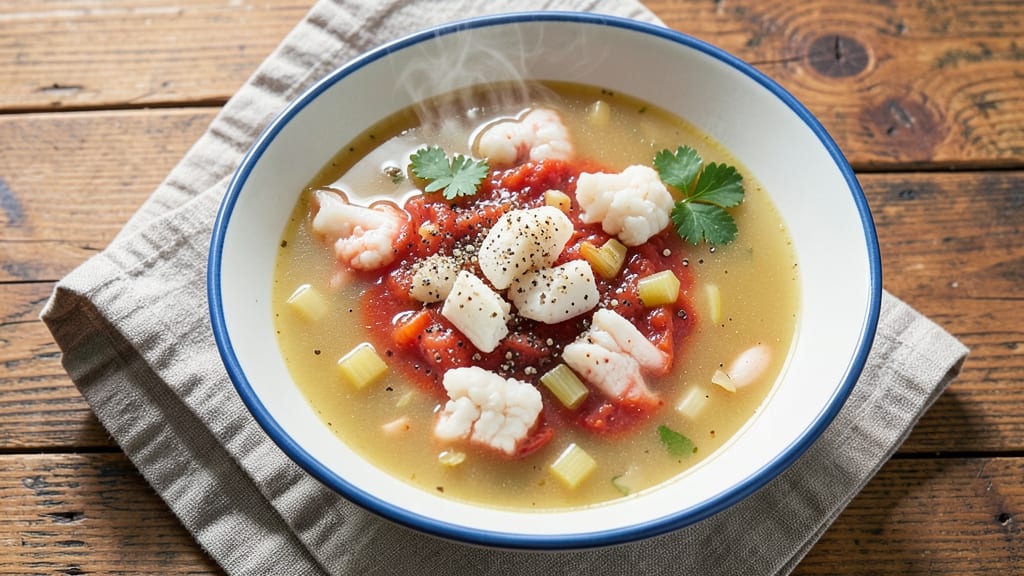
This authentic Maryland crab soup captures the Chesapeake Bay’s briny charm in every spoonful, where Old Bay seasoning and tender crabmeat create a luxurious yet approachable dish. The recipe balances tradition with simplicity—no shortcuts, just the essentials: fresh crab, rich broth, and that signature spice blend.
I perfected this version after years of testing, ensuring the broth stays velvety while the crab remains delicate, never rubbery. The secret lies in simmering just enough to meld flavors without overcooking.
The soul of Maryland seafood shines in this one-pot wonder, where Old Bay’s signature blend of celery, paprika, and black pepper transforms basic ingredients into something extraordinary. You’ll start with a fragrant base of onions, garlic, and tomatoes, then build layers of flavor by gradually adding crabmeat and broth.
The result? A soup so rich and aromatic it tastes like a seaside escape, yet requires just 45 minutes of active time. No fancy techniques—just precise steps and quality ingredients.
What you’ll end up with is a steaming bowl of Old Bay-spiced luxury, where tender crabmeat floats in a golden, slightly thickened broth that clings to every spoonful. The aroma alone—herbaceous, briny, and just a hint of smoky warmth—will have everyone gathering around the table.
Serve it with crusty bread or oyster crackers to soak up every last drop, because this soup is built for sharing. Here’s how to make it.
This recipe honors Maryland’s seafood traditions while adapting to modern kitchens—no need for a commercial stove or specialty equipment. The key is patience: letting the broth develop depth and the crab absorb the spices without overpowering its natural sweetness.
Whether you’re celebrating a holiday or craving a taste of the coast, this crab soup delivers authentic comfort in every bite. Let’s get cooking.
Ingredients for authentic maryland crab soup
Fresh crabmeat, Old Bay seasoning, and aromatic vegetables form the heart of this authentic Chesapeake Bay creation.
| Ingredient | Amount | Notes |
|---|---|---|
| Fresh Jumbo Lump Crabmeat 🦀 | 1 ½ lb | Backfin preferred for texture |
| Old Bay Seasoning 🌶️ | 2 tbsp | Classic blend for authentic flavor |
| Yellow Onion 🧅 | 1 whole | Medium, diced into 1/4-inch pieces |
| Garlic Cloves 🧄 | 4 cloves | Fresh, minced for aromatic base |
| Canned Crushed Tomatoes 🍅 | 14 ½ oz | San Marzano preferred for sweetness |
| Celery Stalk 🥬 | 2 whole | Diced, includes leaves for color |
| Fresh Bay Leaves 🍃 | 2 whole | Dried works at half the amount |
| Dry White Wine 🍷 | ½ cup | Sauvignon Blanc preferred |
| Chicken or Seafood Stock 💧 | 4 cups | Homemade preferred, low-sodium |
| Heavy Cream 🥛 | ½ cup | Full-fat for velvety texture |
| Unsalted Butter 🧈 | 2 tbsp | Cold, for finishing richness |
| Diamond Crystal Kosher Salt 🧂 | 1 ½ tsp | Adjust to taste at the end |
| Fresh Lemon Juice 🍋 | 1 tbsp | Brightens the final flavor |
| Extra-Virgin Olive Oil 🫒 | 2 tbsp | For initial sautéing |
| All-Purpose Flour 🌾 | 1 tbsp | For thickening the broth |
The crabmeat is non-negotiable here—backfin or lump delivers that signature Maryland texture. Local seafood markets often carry the best quality, but frozen works in a pinch if labeled 'sweet crabmeat.' For Old Bay, Penzeys Spices sells the original blend, though any brand will work. The tomatoes should be San Marzano if possible—their natural sweetness balances the briny crab perfectly. Fresh bay leaves elevate the dish beyond typical recipes, but if you're using dried, reduce to one leaf per serving. The wine adds acidity that cuts through the richness; Sauvignon Blanc is ideal, but any dry white will suffice.
No Old Bay? Substitute with 1 tsp each of celery seed, paprika, and black pepper plus a pinch of thyme and cayenne. Using canned crabmeat? Opt for backfin-style and drain thoroughly to avoid watery soup. The flour acts as a natural thickener—arrowroot powder works too at half the amount. For a vegetarian version, swap crab for firm tofu or hearts of palm, but the flavor profile will differ significantly. The broth is the soul of this soup; homemade stock makes all the difference, but quality low-sodium options like Pacific Foods work in a pinch.
This soup tastes even better the next day as flavors meld, so double the batch if entertaining. Store in an airtight container for up to 3 days in the refrigerator, or freeze for 2 months in portion-sized containers. The crabmeat will absorb flavors over time, so reheat gently on low heat. For serving, keep the butter cold until the very end—whisking in cold butter creates that luxurious finish. The soup pairs beautifully with crusty sourdough or oyster crackers for optimal presentation.
Why You'll Love This Recipe
- Here’s the thing: fresh lump crab is a splurge, but this recipe makes it feel worth it. A little goes a long way, and the tomatoes and Old Bay stretch the flavor so you don’t need a mountain of meat. Plus, the leftovers? Just as good the next day—if there are any. (Spoiler: There usually aren’t.)
- One-Pot Magic: I swear by this recipe because it’s literally one pot—no chopping mountains of veggies, no measuring cups of herbs, just sauté that onion and garlic until fragrant, toss in the tomatoes, and let the Old Bay work its magic. The crabmeat melts into the broth like it’s been simmering all day, and honestly? I’ve made it on nights when I was too tired to do anything else.
- Old Bay Obsession: That first spoonful of soup—warm, briny, with the garlic and Old Bay singing together—is why I keep coming back. The crushed tomatoes add just enough tang to cut through the richness of the crab, and the seasoning? It’s the kind of flavor that makes you pause mid-bite, like, “Wait, is this actually real?” (Yes. It is.)
- Lunchbox Hero: Between us, this soup is my secret weapon for meal prep. I’ll make a big batch on Sunday, let it cool, and portion it into containers—some with crackers, some with crusty bread—because it reheats like a dream. My kids grab it for school lunches (they call it “fancy soup”), and I still get to eat it for dinner. No waste, all win.
Step-by-step instructions for authentic Maryland crab soup
Here's the traditional method that delivers rich, Old Bay-kissed crab soup with perfect texture and depth.
Build the Flavor Base with Vegetables
Heat the 2 tablespoons extra-virgin olive oil in a large Dutch oven over medium heat. Add the 1 whole yellow onion and 2 whole celery stalks, both diced into ¼-inch pieces, along with the 4 cloves garlic cloves that have been minced. Cook for 8-10 minutes, stirring occasionally, until the vegetables soften and the onion becomes translucent.
Here's where the authentic Maryland flavor begins: Add the 2 tablespoons Old Bay Seasoning and stir for 30 seconds to toast the spices. You'll notice the aroma immediately intensify—this is the signature spice blend that defines Chesapeake Bay cuisine. Keep the heat at medium to prevent burning the spices while allowing them to release their full flavor profile.
Develop the Tomato-Wine Broth
Pour in the 0.5 cup dry white wine and scrape up any browned bits from the bottom of the pot. This deglazing step captures all the flavor you've built so far. Let the wine simmer for 3-4 minutes until it reduces by about half and the alcohol cooks off completely.
Add the 14.5 ounces canned crushed tomatoes and stir well to combine. Bring the mixture to a gentle simmer, then add the 4 cups chicken or seafood stock and 2 whole fresh bay leaves. The broth should now have a rich, slightly sweet base that will form the heart of your soup. Let this simmer uncovered for 15 minutes to allow the flavors to meld together while the tomatoes break down slightly.
Thicken and Season the Broth
In a small bowl, whisk together the 1 tablespoon all-purpose flour with 1 tablespoon cold water to create a smooth slurry. Slowly pour this mixture into the simmering broth while stirring constantly. The soup will begin to thicken immediately as the flour cooks out.
Add the 1.5 teaspoons diamond crystal kosher salt and bring the broth to a gentle boil. Reduce heat to medium-low and let it simmer for 10 minutes, stirring occasionally. You're looking for a broth that coats the back of a spoon but isn't gluey—this is the perfect consistency for Maryland crab soup. Taste and adjust seasoning if needed, remembering that the crab will add its own briny flavor.
Incorporate the Crab and Finish
Gently stir in the 1.5 pounds fresh jumbo lump crabmeat using a wooden spoon. Work quickly but carefully to avoid breaking the delicate lumps. The crab should be added just before serving to maintain its perfect texture—overcooking will turn it rubbery. Remove the 2 whole fresh bay leaves before adding the crab.
In a small saucepan, warm the 0.5 cup heavy cream over low heat until it's just steaming but not boiling. Remove from heat and stir in the 2 tablespoons unsalted butter until melted and smooth. Pour this creamy mixture into the soup and stir gently to combine. The soup should now have a luxurious, velvety texture that contrasts beautifully with the sweet crab.
Serve with Classic Accompaniments
Ladle the soup into bowls and immediately garnish each serving with 1 tablespoon fresh lemon juice. The acidity brightens all the flavors and cuts through the richness of the cream. Serve with crusty bread or oyster crackers on the side—this is traditional for Maryland crab soup and helps balance the rich broth.
Real talk: The first time you taste this soup, you'll understand why Marylanders consider it a culinary treasure. The Old Bay seasoning creates that distinctive Chesapeake flavor, while the careful balance of cream and lemon ensures each spoonful delivers both richness and brightness. The crab should be visible in every bite, its sweetness complementing the savory broth perfectly.
Pro Tips For Making Authentic Maryland Crab Soup
- Sweat the Onions: DESCRIPTION: Chop your yellow onion into 1/4-inch dice and cook them in a heavy pot with a splash of water (about 2 tablespoons) over medium heat for 8-10 minutes until they’re soft and translucent but not browned. I learned this the hard way—skipping the water makes them cling and burn, and you’ll taste the bitterness in every spoonful.
- Add Old Bay Last: DESCRIPTION: Sprinkle the Old Bay seasoning over the soup just before serving, not while cooking. The spices burn easily, and adding them early turns the soup into a flavorless gray sludge. (Yes, I’ve seen it happen.)
- Simmer, Don’t Boil: DESCRIPTION: Once the tomatoes and broth are in the pot, keep the heat at a gentle simmer—tiny bubbles, not rolling. Boiling breaks down the crabmeat and makes the soup watery. My grandmother swore by this, and she was right: the texture stays rich and the flavor stays bright.
- Use Cold Crabmeat: DESCRIPTION: Pull the jumbo lump crabmeat from the fridge and let it sit in an ice bath for 5 minutes before folding it into the soup. Warm crabmeat turns mushy in the heat, and you’ll end up with a sad, grainy mess. (Your future self will thank you.)
Best sauces and condiments for this authentic maryland crab soup
Old Bay Spice Blend
The heart of this soup is the Old Bay Seasoning, a Maryland staple that blends celery seed, paprika, black pepper, and other spices into one signature flavor. I always use 2 tablespoons of the original blend from Penzeys Spices—it’s the gold standard for authentic Chesapeake Bay flavor.
If you don’t have Old Bay, substitute with 1 teaspoon celery seed, 1 teaspoon paprika, ½ teaspoon black pepper, and a pinch of cayenne for a similar kick. 🌶️
Creamy Finish
The velvety texture comes from ½ cup heavy cream warmed with 2 tablespoons cold butter at the end. This combination adds richness without overpowering the crab’s natural sweetness. For a lighter version, swap the cream for ½ cup whole milk—it’ll still taste luxurious but with less fat.
Always whisk the butter into the warm cream first to prevent clumping.
Lemon Brightness
A final splash of 1 tablespoon fresh lemon juice per serving is non-negotiable—it cuts through the richness and enhances the crab’s briny notes. I like to zest a little extra lemon over the top for a fragrant garnish.
If you’re short on time, bottled lemon juice works, but fresh is always better. The acidity also helps balance the Old Bay’s warmth.
Tomato Base
The 14.5 ounces crushed tomatoes (San Marzano preferred) form the soup’s aromatic foundation. Simmering them with ½ cup dry white wine and Old Bay infuses the broth with depth. For extra richness, add 1 tablespoon tomato paste to the initial sauté—it deepens the flavor without altering the texture.
The wine should reduce until it’s nearly evaporated before adding the stock.
Thickening Agent
A simple 1 tablespoon flour slurry (mixed with 1 tablespoon cold water) gently thickens the broth without making it gluey. For a gluten-free option, use 1 tablespoon cornstarch or arrowroot powder instead.
The key is to whisk the slurry into the simmering broth gradually while stirring constantly—this prevents lumps and ensures an even, silky consistency. 💡
Herb Garnishes
Finish with fresh parsley or chives for color and a subtle herbal note. I also like adding crispy fried shallots for texture—just fry 2 shallots in olive oil until golden and sprinkle over the top.
The contrast of crispy, creamy, and briny makes every bite unforgettable. Store-bought fried shallots work in a pinch, but homemade adds that restaurant-quality touch.
Nutrition facts
Frequently asked questions
Why does this recipe use both Old Bay and fresh bay leaves?
Old Bay seasoning provides the signature Chesapeake Bay flavor profile with its blend of celery, paprika, and black pepper. The fresh bay leaves add a more subtle, aromatic depth that complements the crab's natural sweetness. Together, they create a complex flavor that's both familiar and sophisticated.
Can I make this soup without wine?
Yes! Replace the ½ cup dry white wine with ½ cup additional chicken or seafood stock or even ½ cup apple cider vinegar for acidity. The wine helps deglaze the pot and adds depth, but these substitutes will still create a delicious broth. The vinegar option works especially well if you're avoiding alcohol entirely.
How do I prevent the crab from turning rubbery?
Add the crabmeat only at the very end, just before serving. The soup should never boil after adding the crab—keep the heat at low and stir gently. Overcooking by even 5 minutes can make the crab tough. For extra tenderness, use fresh jumbo lump crabmeat instead of canned whenever possible.
What's the best way to store leftovers?
Store in an airtight container in the refrigerator for up to 3 days. The flavors actually improve overnight as the crab absorbs the broth. For longer storage, freeze for up to 2 months. When reheating, warm gently on low heat and add a splash of water or stock if the soup thickens too much.
Can I make this soup vegetarian?
While it won't be authentic, you can substitute the crab with firm tofu or hearts of palm for texture. For flavor, add 1 teaspoon nori flakes or ½ teaspoon seaweed seasoning to mimic the briny notes. The Old Bay seasoning will still provide that signature Maryland taste, though the dish will have a completely different profile.