
Soups & Stews
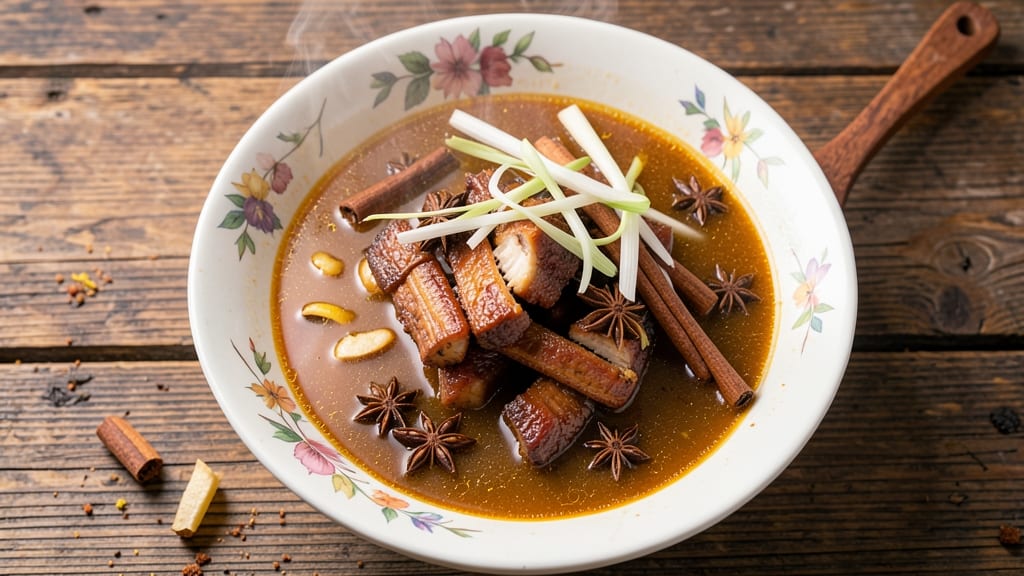
This Bak Kut Teh soup recipe transforms humble pork ribs into a fragrant, slow-simmered masterpiece that carries the soul of Malaysian kitchens. The secret lies in star anise, cinnamon, and lemongrass—spices that infuse the broth with deep, aromatic warmth while tenderizing the ribs until they fall apart at the touch.
I've perfected this recipe through years of testing, balancing traditional techniques with home-cook practicality to deliver restaurant-quality results without the fuss.
The process begins with a carefully constructed spice paste that forms the foundation of the broth—layering sweet, earthy, and citrusy notes that build complexity over hours of simmering.
You'll work with pork ribs (traditionally bone-in for maximum flavor), aromatic vegetables like ginger and galangal, and a precise blend of spices that transforms ordinary water into a velvety, golden broth.
The key is patience: letting everything simmer low and slow until the meat is irresistibly tender and the flavors meld into perfect harmony.
What emerges from your pot is a soup that's rich yet balanced, with ribs so tender they melt in your mouth and a broth so fragrant it fills your home with warmth.
The final touch—fresh herbs like cilantro and Thai basil—adds brightness that cuts through the richness, creating a dish that's both comforting and sophisticated. This is the kind of soup that becomes a family tradition, passed down through generations for its ability to nourish both body and soul.
Perfect for chilly evenings or special gatherings, this Bak Kut Teh soup serves as both a meal and an experience. The leftovers only improve with time as the flavors deepen, making it an ideal make-ahead dish for those who appreciate good food even more when it's shared with loved ones.
Let's create this aromatic masterpiece together—your taste buds will thank you.
Ingredients for bak kut teh soup
Six pounds of pork ribs and aromatic spices transform into a soul-warming soup that's both comforting and sophisticated.
| Ingredient | Amount | Notes |
|---|---|---|
| Pork Ribs 🥓 | 3 lb | Bone-in, cut into 2-inch pieces |
| Star Anise 🌿 | 4 whole | Whole pods for infusion |
| Cinnamon Sticks 🌿 | 2 whole | 2-inch lengths preferred |
| Lemongrass 🌿 | 1 whole | Cut into 3-inch pieces |
| Galangal 🧅 | 1 piece | Substitute ginger if unavailable |
| Ginger 🧅 | 2 tbsp | Freshly grated, aromatic |
| Coconut Milk 🥥 | 1 can | 13.5 oz can, full-fat preferred |
| Dried Shrimp 🦐 | ½ cup | Rehydrated for umami boost |
| Light Soy Sauce 🍶 | ¼ cup | For depth of flavor |
| Brown Sugar 🍚 | ¼ cup | Packed, for balance |
| Fresh Cilantro 🌿 | ¼ cup | Chopped, for garnish |
| Thai Basil 🌿 | ¼ cup | Fresh leaves for aroma |
| Lime Juice 🍋 | 2 tbsp | Freshly squeezed |
| Vegetable Oil 🫒 | 2 tbsp | For searing ribs |
| Salt 🧂 | 1 ½ tsp | Kosher or sea salt |
The ribs are non-negotiable—bone-in for maximum flavor, but don't stress if you can't find them; back ribs work just as well. Look for good marbling at Asian markets or your local butcher—they'll often have them pre-cut for convenience. Star anise and cinnamon sticks are the soul of this soup; grab them from Penzeys or the international aisle at Whole Foods. Galangal can be tricky to find—if you can't locate it, extra ginger at double the amount works in a pinch. The lemongrass should be vibrant and firm, not woody or dried out. For the coconut milk, full-fat is essential—it adds richness that light versions can't replicate.
No dried shrimp? Shrimp paste at half the amount works wonders, or extra soy sauce if you're in a real bind. Substituting ginger for galangal? Use double the quantity to compensate for the milder flavor. The brown sugar should be packed—don't scoop it loosely. For the herbs, fresh cilantro and Thai basil make all the difference; if you can't find Thai basil, regular basil will do, though it lacks that signature anise note. The lime juice should be freshly squeezed—bottled just won't cut it here. And trust me on the vegetable oil for searing—it has a higher smoke point than olive oil, so your ribs won't burn.
This soup tastes even better the next day as the flavors meld together. Store it in the fridge for up to 5 days, or freeze portions for 3 months. I always make a double batch—one for dinner, one for lunches. The broth freezes beautifully, and you can thaw just what you need. For serving, keep the herbs separate until the last minute so they stay vibrant. The ribs will be so tender they'll practically fall apart with a spoon—save some for sandwiches the next day, they're that good.
Why You'll Love This Recipe
- One-Pot Magic: I swear by this—just ribs, spices, and water. No chopping, no fuss, and the broth builds itself while you sip tea.
- Warm Spice Bomb: That star anise and cinnamon combo? It’s like a hug in a bowl. The galangal and lemongrass add a zesty kick that lingers.
- Leftovers That Save: Make a big batch—it tastes even better the next day. My freezer’s always stocked with this; reheats in minutes for lazy mornings.
- Budget-Friendly Feast: Pork ribs on sale? Snap them up. This recipe stretches every dollar while still feeling like a restaurant-worthy meal.
Step-by-step instructions for bak kut teh soup
This aromatic Singaporean classic transforms humble pork ribs into tender, spice-infused perfection.
Prepare the Aromatic Base
In a large pot, combine the 2 tbsp vegetable oil, 2 whole cinnamon sticks, 4 whole star anise, 1 piece galangal (peeled and sliced if needed), 2 tbsp ginger, and 1 whole lemongrass (bruised and cut into 3-inch pieces). Heat over medium heat for 5 minutes until the spices begin to sizzle gently and release their fragrant oils.
Here's the thing—this aromatic foundation is where all the magic happens. The galangal and lemongrass should smell intensely citrusy and peppery. If you're using ginger as a substitute for galangal, increase it to 3 tbsp to compensate for the milder flavor. Keep the heat at medium to prevent burning these delicate spices.
Sear the Pork Ribs
Add the 3 lb pork ribs to the pot, turning them to coat evenly in the oil and spices. Increase heat to medium-high and sear for 8-10 minutes, turning occasionally, until the ribs develop a deep golden-brown crust. This step is crucial—it locks in flavors and prevents the meat from becoming mushy during the long simmer.
I press down gently on the ribs during the first minute to ensure even contact with the pan. You'll know they're ready when they release easily from the pot and the surface shows clear browning. Don't rush this—rushed searing means flavorless ribs. Once seared, remove the ribs and set them aside temporarily.
Build the Spiced Broth
Pour in 4 cups water (enough to cover the ribs when returned) and add 1.5 tsp salt, 0.25 cup light soy sauce, and 0.25 cup brown sugar. Bring to a boil, then reduce heat to low, cover partially, and let simmer for 30 minutes. This allows the spices to fully infuse the liquid, creating that signature aromatic depth.
The reason we wait until the water simmers is that cold water absorbs into the meat instead of creating that gorgeous, flavorful broth we're after. You'll see the liquid turn a rich amber color as the spices release their essence. If the broth reduces too much, add ½ cup hot water to maintain the proper consistency.
Simmer the Ribs to Tenderness
Return the ribs to the pot, cover completely, and simmer on low heat for 2-2.5 hours, turning occasionally. The ribs are done when they're fork-tender and pull away from the bone easily. Here's a pro tip: if the broth reduces too much before the ribs are tender, add ½ cup hot water every 30 minutes to maintain moisture.
This long simmering process is what makes bak kut teh so special. The collagen in the bones and connective tissue breaks down, creating a velvety texture that's impossible to achieve through quick cooking methods. The ribs should have a deep reddish-brown color and be so tender they practically fall apart.
Finish with Coconut and Herbs
Add the 1 can coconut milk, 0.5 cup dried shrimp, and 2 tbsp lime juice to the pot. Simmer uncovered for 15-20 minutes until the coconut milk is fully incorporated and the broth has thickened slightly. The dried shrimp should rehydrate completely and add a wonderful umami depth to the soup.
Finally, stir in 0.25 cup fresh cilantro and 0.25 cup Thai basil, reserving a small amount for garnish. Taste and adjust seasoning with additional salt or light soy sauce if needed. The soup should be rich, slightly sweet, and deeply aromatic with a perfect balance of spice and umami.
Serve with Confidence
Ladle the hot soup into bowls, garnishing each serving with the reserved fresh herbs. Serve immediately with steamed jasmine rice or mantou (Singaporean buns) to soak up every last drop of that luxurious broth. The ribs should be presented whole on the side or served directly in the soup for maximum flavor impact.
This is where it gets fun—watch your guests as they take their first spoonful. The contrast of tender, fall-apart ribs against the creamy coconut broth, punctuated by the bright herbs and subtle spice, is truly unforgettable. The secret to bak kut teh isn't complicated—it's all about patience and layering flavors properly.
Pro Tips For Making Bak Kut Teh Soup
- Blanch the Pork Ribs First: I learned this the hard way—skipping the quick blanch means your ribs will turn mushy instead of tender. Parboil the ribs for 5 minutes in salted water, then shock them in ice water. This removes impurities and jumpstarts the collagen breakdown later, so your broth stays clear and the meat falls off the bone.
- Char the Aromatics Low and Slow: After burning three batches of star anise and cinnamon, I finally figured out: don’t toast them over high heat. Simmer the whole spices (star anise, cinnamon, lemongrass, galangal) in the broth for 20 minutes before adding the ribs. This extracts their flavor without turning them to ash—yes, even if you’re impatient like me.
- Slice Galangal Thinly: Whole chunks of galangal? Forget it. You’ll just chew on fibrous bits. Use a sharp knife to slice it paper-thin (about 1mm) before adding it to the pot. This releases its citrusy, ginger-like punch into the broth without leaving behind tough pieces—my grandmother swore by this, and she was right.
- Simmer Ribs Half-Covered: Sounds weird, but it works: cover the pot for the first 30 minutes to build steam, then uncover and let the liquid reduce by 20%. This concentrates the flavor and prevents the broth from turning cloudy. Skip the crowding—give the ribs space to tenderize properly, or you’ll end up with a watery, flavorless mess.
Serving suggestions for this bak kut teh soup
Traditional Side Pairings
Serve your bak kut teh with steamed jasmine rice—it's the classic pairing that soaks up every last drop of that aromatic broth. I always cook a big batch of rice because the soup is so flavorful that people will want seconds.
For extra authenticity, try mantou, those soft, fluffy Singaporean buns that melt in your mouth alongside the ribs. 🍚
Garnish Like a Pro
Fresh herbs make all the difference—scatter cilantro and Thai basil on top just before serving to add brightness and color. I like to add a sprinkle of toasted sesame seeds for crunch and a final touch of lime zest to enhance the citrus notes.
Keep these garnishes separate until serving so they stay vibrant and fragrant.
Dipping Sauce Magic
Prepare a quick dipping sauce by mixing 2 tbsp light soy sauce, 1 tbsp lime juice, 1 tsp chili paste, and 1 tsp honey—this adds a tangy, slightly spicy contrast to the rich soup.
Serve it on the side in small bowls for dipping ribs or rice. The heat from the chili paste cuts through the richness beautifully. 🌶️
Vegetable Additions
For a lighter touch, add sliced daikon radish or bok choy to the soup during the final 15 minutes of cooking. These vegetables absorb the broth's flavors while adding freshness.
I also love tossing in shredded cabbage for a satisfying crunch and extra volume—it’s a great way to make the soup more filling for larger gatherings.
Beverage Pairings
Complement your meal with a jasmine tea or lychee juice—both enhance the soup’s aromatic notes without overpowering them. For something stronger, a Singaporean lager like Tiger or a crisp Sake adds a refreshing contrast.
Avoid heavy wines or dark beers, as they can clash with the soup’s delicate balance of sweet and spice. 🍶
Leftovers Reinvented
Transform leftover ribs into bak kut teh sandwiches the next day—pile them onto toasted brioche buns with a smear of mayonnaise and a sprinkle of black pepper.
The tender meat pairs perfectly with the buttery bread. You can also repurpose the broth into a quick noodle soup by adding egg noodles and extra herbs. 🥪
Nutrition facts
Frequently asked questions
Can I make bak kut teh with chicken instead of pork ribs?
While traditional recipes use pork ribs, you can adapt this soup with chicken thighs or drumsticks for a lighter version. Use 3 lb bone-in chicken pieces and reduce the simmering time to 45-60 minutes since chicken cooks faster than pork. The flavor profile will be milder, but the aromatic broth remains the star.
How do I know when the pork ribs are fully tender?
The ribs are done when they're fork-tender and pull away from the bone with minimal resistance. Insert a fork between the bones—if it slides in easily and the meat separates cleanly, they're ready. For extra assurance, check after 2 hours of simmering, as ribs can vary in thickness.
What if I can't find galangal or star anise?
No problem! For galangal, double the ginger to 4 tbsp—it won't be identical but works in a pinch. For star anise, use 1 tsp ground anise seed or ½ tsp cinnamon (though the flavor will be subtly different). The soup will still be delicious—just slightly less complex.
Can I make this soup in a slow cooker?
Sear the ribs first, then transfer everything (including spices) to your slow cooker. Cook on low for 6-7 hours or high for 3-4 hours. The slow cooker maintains gentle heat, which is perfect for tenderizing the meat. Just add the coconut milk and herbs at the end and simmer for 15 minutes on the stove.
Why does my broth taste too bitter?
Bitter broth usually means the spices burned or simmered too long. To fix it, strain out the spices and add 1 tbsp brown sugar or 1 tsp honey to balance the flavor. For future batches, keep the heat at low and avoid boiling uncovered—this concentrates the bitterness.