
Soups & Stews
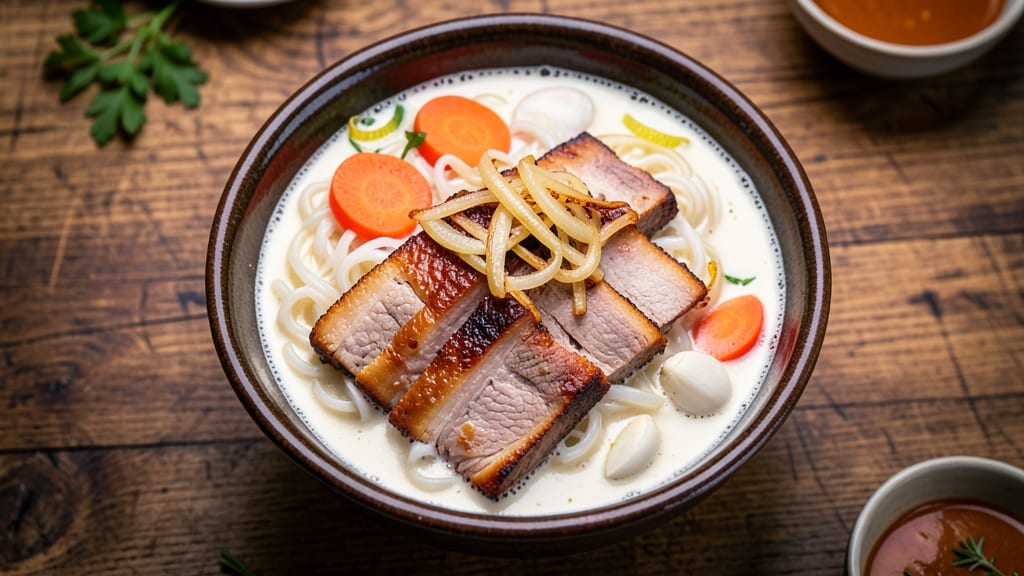
This Filipino-style balbacua soup recipe delivers the ultimate comfort—rich, savory broth simmered with tender pork, rice noodles, and aromatic vegetables. The secret lies in slow-cooking the pork until it practically falls apart, creating a deeply flavorful base that warms the soul.
What makes this dish special is how the ingredients meld together over time, transforming simple components into something truly hearty and satisfying.
Traditionally, balbacua features pork ribs or shoulder, but you can adapt it with any cut of pork for a foolproof result. The broth develops its signature depth from slow simmering, while the rice noodles absorb the rich flavors perfectly.
This soup is designed to be nourishing, filling, and deeply comforting—ideal for chilly evenings or when you crave a meal that feels like a warm embrace.
By the time you finish this recipe, you’ll have a steaming bowl of balbacua with tender pork, silky noodles, and a broth so flavorful it’ll have everyone asking for seconds.
The dish is simple yet impressive, balancing rich meat with the subtle sweetness of vegetables and the heartiness of rice noodles. It’s the kind of meal that feels like coming home.
Serve it with a side of steamed vegetables or a simple salad to round out the meal, or enjoy it as-is for a satisfying, one-dish experience.
The beauty of balbacua lies in its adaptability—whether you’re cooking for a family gathering or a cozy night in, this recipe delivers restaurant-quality comfort without the fuss.
Ingredients for balbacua soup
Pork, noodles, and aromatic veggies—this hearty soup needs just 15 simple ingredients for restaurant-quality comfort.
| Ingredient | Amount | Notes |
|---|---|---|
| Pork Shoulder 🥩 | 2 lb | Bone-in for best flavor |
| Rice Noodles 🍜 | 8 oz | Flat, medium-width preferred |
| Onion 🧅 | 1 whole | Yellow, sliced thin |
| Carrots 🥕 | 3 medium | Baby carrots work too |
| Garlic Cloves 🧄 | 6 cloves | Minced for aromatic base |
| Coconut Milk 🥥 | 1 can | Full-fat for creaminess |
| Tomatoes 🍅 | 3 medium | Ripe, quartered |
| Bay Leaves 🌿 | 2 whole | Dried, for depth |
| Black Peppercorns 🌶️ | 1 tsp | Crushed for heat |
| Salt 🧂 | 1 ½ tsp | Kosher or sea salt |
| Soy Sauce 🍶 | 2 tbsp | For umami richness |
| Fish Sauce 🐟 | 1 tbsp | Traditional Filipino flavor |
| Green Onions 🧅 | 4 whole | Sliced for garnish |
| Fresh Cilantro 🌿 | ¼ cup | Chopped for brightness |
| Olive Oil 🫒 | 2 tbsp | For initial searing |
The pork shoulder is non-negotiable here. Look for bone-in cuts—they add extra flavor to the broth. Costco or Trader Joe's usually have great deals on this cut, and it's worth the splurge for balbacua. If you can't find bone-in, regular pork shoulder works fine. The rice noodles? Asian markets have the best selection—flat, medium-width ones are traditional. If you're in a pinch, vermicelli works too, but it won't be quite the same texture. The carrots can be baby or regular—just make sure they're firm and bright orange.
No fish sauce? Soy sauce with a splash of Worcestershire gets you close, though it won't be identical. Fresh out of bay leaves? Dried thyme at half the amount works in a bind. The tomatoes should be ripe but firm—heirloom varieties from the farmers market add the best flavor. Coconut milk matters here—full-fat is essential for that creamy, rich texture. The fish sauce might seem intimidating, but just one tablespoon is all you need for that signature Filipino umami punch. And trust me, the green onions and cilantro at the end? Don't skip them—they're what makes this dish pop.
This soup tastes even better the next day—make extra if you can. Keeps in the fridge for 4-5 days in an airtight container, or freeze portions for 3 months. I like to portion it into individual containers so I can just grab and heat when I need a quick, comforting meal. The broth reduces as it sits, so add a splash of water when reheating if it gets too thick. And if you're serving with rice? Jasmine rice pairs perfectly with the coconut flavors.
Why You'll Love This Recipe
- Pork Melts Away: I swear, the pork shoulder practically falls apart on its own after hours of slow simmering—no tough chewing, just tender, rich bites that disappear faster than my willpower when it’s done.
- Garlic-Onion Bomb: That deep, caramelized onion base with fresh garlic cloves? It’s the soul of this soup. The aroma alone makes my kitchen smell like a Filipino comfort food dream, and the first spoonful is pure satisfaction.
- Noodle Flexibility: Use it for lunch, dinner, or even a late-night snack. The rice noodles soak up the broth perfectly, and I’ve served it cold with chili oil for a refreshing twist or piping hot with extra veggies for a hearty meal—no rules, just delicious.
- Budget Stretch: A single pork shoulder feeds my family for days, and the noodles stretch further than I thought possible. Honestly, it’s my go-to when groceries feel tight, but no one ever guesses it’s budget-friendly. Leftovers? Even better the next day.
Step-by-step instructions for balbacua soup
This Filipino classic delivers rich, comforting flavors with tender pork and silky noodles.
Sear the Pork Shoulder for Deep Flavor
Heat a large pot over medium-high heat and add the 2 tablespoons olive oil. Once shimmering, add the 2 lb pork shoulder in one piece and sear on all sides until deep golden brown, about 8-10 minutes total. This step develops the Maillard reaction, creating that irresistible caramelized crust that forms the base of the soup's rich flavor.
Real talk: Don't rush this. The pork should develop a good sear before you move on. If it's sticking too much, reduce heat slightly and let it cook undisturbed. Once browned, remove the pork and set it aside on a plate. You'll return it to the pot later, but first, we need to build that aromatic foundation.
Build the Aromatic Base with Vegetables
In the same pot, add the 1 whole onion sliced thin and the 3 medium carrots cut into thick rounds. Cook for 5 minutes until the onions soften and begin to caramelize slightly. Add the 6 cloves garlic cloves that have been minced and cook for another 1 minute until fragrant.
Here's where it gets good—stir in the 3 medium tomatoes that have been quartered, the 2 whole bay leaves, 1 teaspoon crushed black peppercorns, 1.5 teaspoons salt, 2 tablespoons soy sauce, and 1 tablespoon fish sauce. Let everything simmer together for 5 minutes, allowing the tomatoes to break down and release their juices. This creates the flavorful broth that will later meld with the pork and coconut milk.
Simmer the Pork Until Fork-Tender
Return the pork shoulder to the pot and add 4 cups of water (enough to cover the pork by about 1 inch). Bring to a boil, then reduce heat to low and cover. Simmer for 1 hour 30 minutes to 2 hours, until the pork is fork-tender and easily pulls apart. I know it seems like a long time, but patience is key here—this slow cooking ensures the meat becomes melt-in-your-mouth tender.
About halfway through cooking, check the water level and add more if needed to keep the pork submerged. You'll know it's ready when you can easily insert a fork into the thickest part of the meat and it slides in like butter. This is the moment that matters: tender pork is the heart of balbacua.
Finish with Coconut Milk and Noodles
Once the pork is tender, remove it from the pot and set it aside. In the same pot, stir in the 1 can coconut milk and bring to a gentle simmer. Let it cook for 5 minutes to blend the coconut flavor with the broth. Then, add the 8 oz rice noodles and cook for 3-4 minutes until they're tender but still hold their shape.
Here's the thing—rice noodles cook quickly, so keep an eye on them. They're done when they're soft but still have a slight bite. If they cook too long, they'll turn mushy. Return the shredded pork to the pot and stir gently to combine everything. Taste and adjust seasoning if needed—you might want to add a bit more fish sauce or salt to balance the flavors.
Serve with Fresh Garnishes
Ladle the balbacua into bowls and garnish each serving with 4 sliced green onions and 0.25 cup chopped fresh cilantro. The bright green garnishes add a fresh contrast to the rich, creamy soup. Serve immediately while hot, as the noodles will continue to soften as they cool.
This dish is all about comfort—warm, creamy, and deeply satisfying. Each spoonful delivers tender pork, silky noodles, and a perfect balance of coconut, soy, and fish sauce flavors. Don't skip the garnishes; they're what makes this dish look as good as it tastes. Enjoy with crusty bread to soak up every last drop of that delicious broth!
Pro Tips For Making Balbacua Soup
- Sear the Pork First: Don’t skip the initial browning—cut the pork shoulder into 2-inch chunks, then sear them in a hot pot with a splash of oil until deep golden. This step locks in flavor and makes the broth taste richer later, especially when you’re simmering for hours. (Yes, it’ll take 10 minutes longer, but the difference is night and day.)
- Slice Carrots Thinly: I used to chunk carrots like potatoes, but balbacua needs them tender in under an hour. Cut them into ¼-inch half-moons so they soften alongside the noodles without turning to mush. Thick slices just sit there, uncooked and sad.
- Add Noodles Last: The noodles will turn to glue if you toss them in too early. Instead, cook the broth with pork, veggies, and spices until it’s thick and fragrant, then add the noodles just 2–3 minutes before serving. They’ll soak up the flavor without falling apart.
- Use Garlic Wisely: Smash the garlic cloves with the flat of your knife before adding them—this releases more flavor without burning. And skip the whole head if you’re not using it all; 4–5 cloves are plenty. Too much garlic makes the broth bitter, not aromatic.
Serving suggestions for balbacua soup
Garnish Like a Pro
Fresh green onions and cilantro are non-negotiable for that restaurant-quality finish. I like to slice the 4 green onions on the bias for a pop of color, then sprinkle them over each bowl.
For extra flair, add a pinch of crushed black pepper or a drizzle of chili oil if you want a little kick. The cilantro should be finely chopped—about ¼ cup—so it distributes evenly. 🌿
Bread Pairings
Balbacua soup is a noodle-centric dish, but a good bread on the side makes it even better. I recommend crusty sourdough or Filipino pandesal (if you can find it) to soak up the rich broth.
For a quick option, toast a baguette and rub it with a garlic clove before serving. The bread should be sturdy enough to handle the creamy coconut broth without falling apart. 🥖
Vegetable Sides
Light, fresh sides balance the richness of the soup. A simple steamed bok choy with a sprinkle of toasted sesame seeds adds a crisp contrast. For something heartier, try garlic sautéed spinach—just wilt 2 cups baby spinach with 1 minced garlic clove and a splash of water.
The acidity cuts through the coconut cream beautifully. 🥬
Extra Toppings
Want to take your balbacua to the next level? Add crispy fried shallots for texture or a soft-boiled egg on top for protein. I also love a sprinkle of toasted coconut flakes—just 2 tbsp—to enhance the coconut flavor.
For a tangy twist, squeeze a little lime wedge over the top before serving. The brightness balances the richness perfectly. 🍋
Make It a Meal
Turn your balbacua into a full Filipino feast by serving it with steamed white rice on the side. The rice soaks up any leftover broth, and you can even use it to scoop up the noodles.
For a complete meal, add a side of kinilaw (Filipino ceviche) or grilled calamari for a seafood touch. The contrast of textures and temperatures makes every bite exciting. 🍚
Leftovers Strategy
Balbacua tastes even better the next day, so plan ahead! Store leftovers in an airtight container in the fridge for up to 5 days or freeze for 3 months. When reheating, add a splash of water or coconut milk to prevent drying out.
For a quick lunch, serve with microwave-steamed rice and a sprinkle of soy sauce for extra umami. 💪
Nutrition facts
Frequently asked questions
Can I substitute pork with chicken or beef for balbacua?
Yes, but the texture will change. Chicken breast cooks faster and stays less tender, while beef (like chuck) works well but requires longer simmering (2.5-3 hours) for fork-tender results. For best flavor, use bone-in cuts—they add depth to the broth. Pork shoulder remains ideal for its fat content and slow-cooking properties.
Why does my balbacua broth look thin? How do I fix it?
Thin broth often happens from overcooking or insufficient pork fat. For a quick fix, stir in 2 tbsp cornstarch mixed with 2 tbsp water and simmer 2 minutes. For long-term solutions:
- Use more bone-in pork,
- Simmer uncovered for 10 minutes to reduce liquid, or
- Add ½ cup coconut milk at the end to enrich the texture.
What's the best way to store and reheat balbacua?
Store in an airtight container in the fridge for 4-5 days or freeze for 3 months. To reheat, add 2-3 tbsp water or coconut milk per serving and simmer gently until hot. Never microwave directly from the fridge—it causes uneven heating. For noodles, add them fresh when reheating to prevent mushiness.
Can I make balbacua without fish sauce?
Yes, but the flavor will differ. Replace 1 tbsp fish sauce with: 1 tbsp soy sauce + ½ tbsp oyster sauce, or 1 tbsp soy sauce + ½ tsp liquid smoke for depth. For authenticity, try Filipino patis (fish sauce) if available—it's essential for that signature umami. The dish will still be delicious, just with a slightly different profile.
How do I adjust the spice level in balbacua?
Start with the recipe as written for mild heat. For spicier versions, add 1 tsp chili flakes with the pork or stir in 1 tbsp chili paste (like sambal oelek) when adding coconut milk. For heat control, taste as you go—you can always add more chili but can't remove it. Garnish with chili oil or sliced jalapeños for extra kick at serving.