
Soups & Stews
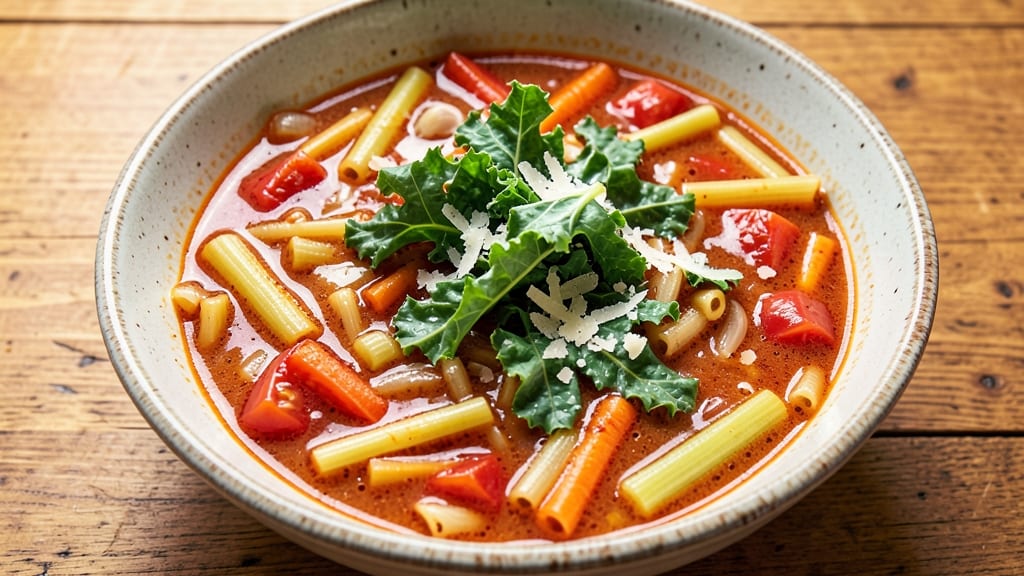
This Barilla minestrone soup recipe transforms simple pantry staples into a hearty Italian classic that feels like a warm embrace on chilly days. The secret lies in Barilla pasta's sturdy texture, which holds up perfectly to the vegetable-packed broth while soaking up all those savory flavors.
I developed this version after years of testing—every ingredient plays a role, from the caramelized onions to the wilted greens that melt into the broth at just the right moment.
The beauty of this recipe is its versatility—it's hearty enough to satisfy a crowd but simple enough for a weeknight dinner. We'll start by sautéing aromatic vegetables until they're golden, then add Barilla pasta directly to the pot where it cooks through in the broth itself.
This one-pot method means less cleanup and more time enjoying the rich, earthy flavors that define minestrone. The soup builds depth as it simmers, with each vegetable contributing its own texture and taste.
What you'll end up with is a bowl of comforting goodness—creamy from the beans and pasta, vibrant from the tomatoes and herbs, and perfectly balanced with a touch of acidity from the broth.
The Barilla pasta adds that satisfying bite, while the vegetables provide fiber, vitamins, and rustic charm. Serve it with a sprinkle of Parmesan and fresh basil, and you've got a dish that feels like a hug in every spoonful.
This recipe works equally well as a main course or light dinner, and it reheats beautifully for leftovers. Perfect for meal prepping or feeding a family, it's the kind of soup that gets better as it sits—allowing all those flavors to meld together into something truly special.
Let's get started on creating your own pot of Italian comfort.
Ingredients for barilla minestrone soup
Pantry staples meet Italian tradition in this comforting Barilla minestrone—simple ingredients, big flavor.
| Ingredient | Amount | Notes |
|---|---|---|
| Barilla Pasta 🍝 | 1 lb | Penne or ditalini preferred |
| Yellow Onions 🧅 | 2 whole | Medium size, diced |
| Carrots 🥕 | 4 whole | Medium size, chopped |
| Celery Stalks 🌿 | 3 whole | Medium size, chopped |
| Garlic Cloves 🧄 | 4 cloves | Freshly minced |
| Canned Diced Tomatoes 🍅 | 28 oz | Fire-roasted preferred |
| Canned Cannellini Beans 🌱 | 15 oz | Drained and rinsed |
| Vegetable Broth 💧 | 6 cups | Low-sodium preferred |
| Tomato Paste 🍅 | 2 tbsp | Smooth, not chunky |
| Dried Oregano 🌿 | 1 tsp | Italian preferred |
| Bay Leaves 🍃 | 2 whole | Fresh preferred |
| Kosher Salt 🧂 | 1 ½ tsp | To taste |
| Black Pepper 🌶️ | ½ tsp | Freshly ground |
| Fresh Spinach 🌿 | 4 cups | Chopped, loosely packed |
| Parmesan Cheese 🧀 | ½ cup | Freshly grated |
The Barilla pasta is non-negotiable here—its sturdy texture holds up perfectly to the hearty veggies. Penne or ditalini work best, but any Barilla shape will do. For the vegetables, Trader Joe's or your local grocery store's produce section usually has the best selection. Look for carrots with vibrant orange color (no green tops) and celery with crisp stalks. The onions should feel firm—not mushy. Fresh herbs are ideal, but dried oregano works in a pinch if you're short on time. I always grab extra spinach—it wilts down beautifully and adds that perfect earthy touch.
No fire-roasted tomatoes? Regular diced tomatoes work fine—just add an extra pinch of salt. Cannellini beans can be swapped for kidney beans or chickpeas if that's what you have. Short on vegetable broth? Water plus 1 tsp bouillon powder gets you close. The tomato paste is where the magic happens—don't skip it. For extra depth, toast the garlic and onions in olive oil until golden before adding the rest. Fresh basil isn't traditional in minestrone, but I add a handful at the end for brightness (it's my little secret).
This soup tastes even better the next day—honestly, the flavors meld together beautifully. Store leftovers in an airtight container for up to 5 days in the fridge. For freezing, portion into individual containers—it reheats perfectly and is great for quick lunches. The Parmesan keeps well in the fridge for 2 weeks if you grate it yourself. Fresh herbs? Wrap them in damp paper towels and store in a plastic bag for 3-4 days. Double the recipe—it's worth it.
Why You'll Love This Recipe
- One-Pot Magic: The Barilla pasta cooks right in the broth—no separate boiling, no draining drama. Just toss everything in, simmer, and let the flavors meld while you chop veggies for dinner.
- Savory Soul: That crispy garlic sizzle in the onion? Chef’s kiss. The Barilla’s al dente bite cuts through the creamy tomato base, and the carrots stay tender-crisp—no mushy soup here.
- Lunchbox Hero: Between us, this is my go-to for meal prep. The flavors only get better the next day, and it reheats like a dream—perfect for lunches or feeding unexpected guests.
- Pantry Powerhouse: Onions, carrots, celery, garlic—these are the veggies that never go to waste. A bag of Barilla pasta and a can of tomatoes turn them into a filling, budget-friendly meal that costs pennies per serving.
Step-by-step instructions for Barilla minestrone soup
This hearty Italian classic comes together in one pot with simple steps and big flavor.
Sauté the Vegetable Base
Heat a large Dutch oven or deep pot over medium heat. Add 2 tablespoons tomato paste and let it cook for 1 minute until it darkens slightly—this deepens the flavor foundation. Add the 2 whole yellow onions, 4 whole carrots, and 3 whole celery stalks, all chopped uniformly. Cook for 8-10 minutes until the vegetables soften and the onions turn translucent.
Here's the thing—don't rush this step. You want the vegetables to release their natural sweetness and mingle with that tomato paste. Stir occasionally to prevent burning, especially the onions which can scorch quickly. The aroma will fill your kitchen, signaling you're on the right track.
Build the Flavor Layers
Add the 4 cloves garlic cloves and cook for 30 seconds until fragrant—you'll know it's perfect when your kitchen smells like a Tuscan countryside. Stir in the 28 oz canned diced tomatoes (with juices), 15 oz cannellini beans (drained and rinsed), 6 cups vegetable broth, 1 teaspoon dried oregano, 2 whole bay leaves, 1.5 teaspoons kosher salt, and 0.5 teaspoon black pepper.
Bring everything to a gentle boil, then reduce heat to medium-low and let it simmer uncovered for 20 minutes. This is where the magic happens—the flavors meld together. You'll see the soup thicken slightly and develop a rich, savory aroma. Skim off any foam that rises to the surface to keep the soup clean.
Cook the Pasta Al Dente
Add the 1 lb Barilla pasta (penne or ditalini work best) to the simmering soup. Stir gently to distribute the pasta evenly. Increase heat to medium-high and bring back to a boil. Once boiling, reduce heat to medium and let it cook for 12-14 minutes, stirring occasionally to prevent sticking.
This is the moment that matters: you want the pasta al dente—firm to the bite with a slight resistance. Taste a piece—it should have a pleasant bite, not be mushy. The pasta will finish cooking in the residual heat when you remove it from the stove, so don't overcook it. If you're using penne, check for doneness at the 12-minute mark.
Finish with Spinach and Cheese
In the final 2 minutes of cooking, stir in the 4 cups fresh spinach. The heat will wilt it beautifully, adding a vibrant green color and fresh flavor. Remove the 2 bay leaves at this point—they've done their job. Taste and adjust seasoning if needed, adding more salt or pepper as necessary.
Ladle the soup into bowls and top each serving with 1 tablespoon freshly grated Parmesan cheese. The cheese adds a salty, nutty finish that ties all the flavors together. Serve immediately with crusty bread for dipping—this soup tastes best fresh from the pot, when the pasta is still al dente and the broth is steaming hot.
Rest and Serve for Maximum Comfort
Let the soup sit off the heat for 5 minutes before serving. This resting period allows the flavors to settle and the pasta to absorb any remaining broth, ensuring each spoonful is packed with taste. If you find the soup too thick after resting, stir in a splash of hot water or additional broth to reach your preferred consistency.
Real talk: this soup gets better the next day as the flavors continue to meld. The pasta absorbs the rich broth, making each bite even more comforting. Store leftovers in an airtight container in the refrigerator for up to 4 days or freeze for 3 months. Reheat gently on the stove with a splash of water or broth to restore the perfect texture.
Pro Tips For Making Barilla Minestrone Soup
- SOFTEN THE VEGETABLES FIRST: Minestrone’s veggie base (onions, carrots, celery) needs 10 minutes of low-and-slow simmering before adding anything else—or they’ll stay stubbornly crunchy. I used to toss them all in raw and wondered why my soup tasted like a salad. Cover the pot and let them melt into the broth first.
- SAVE THE PASTA WATER: Add Barilla pasta to the simmering soup with a splash of its starchy cooking water—about ¼ cup. It tightens the broth and keeps the noodles from turning mushy. (Yes, even if you’re impatient and want to drain them first.)
- DON’T OVERCROWD THE POT: If you’re using a small pot, cook the pasta in batches or it’ll steam instead of absorb flavor. I learned this after making a watery, bland soup that tasted like plain noodles. A quick test: Pasta should have room to wiggle when added.
- SALT THE BROTH LIKE THE SEA: Minestrone’s depth comes from salty broth—aim for 1½ teaspoons of kosher salt per quart of liquid. Taste as you go; if it’s bland now, it’ll be insipid later. (And no, the pasta won’t magically soak up flavor if you skimp.)
Troubleshooting this dish
Mushy Vegetables
If your carrots, celery, or onions turn to mush during cooking, you likely added too much liquid or didn't cook them long enough at the start. For next time, sauté your veggies over medium heat for 10-12 minutes before adding broth.
I always use a large Dutch oven—it gives the veggies room to breathe and prevents overcrowding. If you're in a hurry, try par-cooking them in the microwave for 3 minutes before sautéing. 🥕
Pasta Overcooked
Minestrone pasta can easily turn mushy if left too long in the broth. The key is timing—add your 1 lb Barilla pasta with 12 minutes left in the recipe and cook it uncovered. If you're worried, do a taste test at 10 minutes—it should have a slight bite.
For extra insurance, reserve ½ cup pasta water before draining and stir it back in at the end to restore creaminess. 🍝
Broth Too Thin
A watery soup often means you didn't reduce the broth enough during simmering. After adding all ingredients, let it simmer uncovered for 25-30 minutes to thicken naturally. If it's still too thin, mash ½ of the cannellini beans with a fork to thicken the broth.
I've also had success adding 2 tablespoons cornstarch mixed with 2 tablespoons cold water and stirring it in at the end. 💧
Spinach Too Bitter
Fresh spinach can turn bitter if cooked too long or added too early. Always stir it in during the final 2 minutes of cooking—this preserves its bright flavor. For extra insurance, blanch your spinach in boiling water for 30 seconds before adding it to the soup.
If you're using frozen spinach, thaw and squeeze out excess water first. 🌿
Blended Texture
If your soup ends up too smooth, you likely didn't chop your vegetables uniformly. For next time, dice everything into ¼-inch pieces—this ensures even cooking and maintains texture.
I also recommend adding ½ cup diced tomatoes (instead of blending) to keep chunks. For extra heartiness, stir in ½ cup cooked white beans at the end. 🥗
Lacking Depth
A flat-tasting minestrone often means insufficient seasoning or flavor development. Always toast your tomato paste for 1 minute at the start to deepen its flavor. For extra umami, add 1 teaspoon soy sauce or ½ teaspoon smoked paprika with the other spices.
Let the soup simmer uncovered for 30 minutes to concentrate flavors. 🌶️
Nutrition facts
Frequently asked questions
Can I make this minestrone without Barilla pasta?
While Barilla pasta is ideal for its sturdy texture, you can substitute with other penne or ditalini brands. For a gluten-free option, use chickpea or lentil pasta (reduce cooking time by 2 minutes). Avoid delicate shapes like angel hair—they'll turn mushy in the broth.
How do I make this soup more filling?
Add ½ cup cooked white beans or ½ cup diced potatoes (simmer for 10 minutes before adding other veggies). For extra protein, stir in ½ cup crumbled feta at the end. The Barilla pasta already makes it hearty—just double the portion size if needed!
Can I prepare this minestrone in a slow cooker?
Sauté the veggies and tomato paste in a skillet first, then transfer everything to the slow cooker. Cook on LOW for 6-7 hours or HIGH for 3-4 hours. Add the pasta during the last 30 minutes of cooking. The slow cooker intensifies flavors beautifully—just check for doneness carefully.
What's the best way to store leftovers?
Store in an airtight container for up to 4 days in the fridge. For freezing, portion into individual containers—it reheats perfectly. To restore texture, add 1-2 tablespoons broth or water when reheating. The flavors actually improve overnight!
Is this recipe vegan-friendly?
Almost! Skip the Parmesan and use nutritional yeast instead. For extra richness, stir in 1 tablespoon olive oil at the end. The Barilla pasta and vegetable broth keep it completely plant-based while maintaining that satisfying texture.