
Soups & Stews
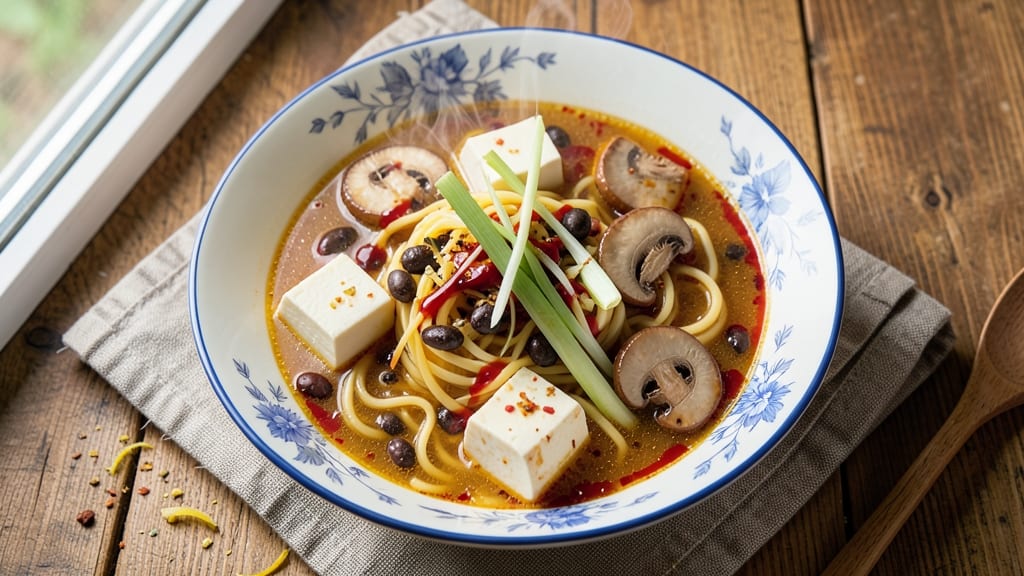
This basic hot and sour soup recipe delivers the perfect balance of tangy, spicy, and umami flavors in just 30 minutes—a comforting classic that transforms simple ingredients into a restaurant-quality bowl.
The secret lies in blooming spices in oil to deepen their aroma while building a clear, silky broth that lets every component shine. I’ve refined this version over years of testing, ensuring the vinegar’s brightness cuts through the richness without overpowering the dish’s natural depth.
What sets this recipe apart is the harmony of textures and flavors: silky egg noodles absorb the savory broth, crisp mushrooms add bite, and tender tofu or bamboo shoots provide substance.
The broth starts with a simple chicken or vegetable base, then brightens with rice vinegar and chili oil, while fermented black beans and soy sauce contribute layers of umami. This isn’t just a soup—it’s a flavor-packed experience that’s as nourishing as it is satisfying.
The process is straightforward but intentional: first, you’ll build the broth by simmering aromatics until fragrant, then clarify it for a clean finish. Next, cook the noodles and vegetables separately to control their textures before combining everything in a hot pot.
The result is a bowl where every spoonful delivers a perfect marriage of tangy, spicy, and savory notes, with the heat and sourness playing off each other in balance.
Whether you’re serving a family dinner or meal prepping for the week, this soup scales effortlessly. For a vegan version, swap the chicken broth for vegetable and omit the egg in the noodles.
The key is adjusting the vinegar and chili oil to taste—start with less and add gradually to avoid overpowering the dish. Let’s get cooking!
Ingredients for basic hot and sour soup
Transform simple pantry staples into a restaurant-worthy hot and sour soup with balanced tangy, spicy, and savory notes.
| Ingredient | Amount | Notes |
|---|---|---|
| Chicken or Vegetable Broth 💧 | 4 cups | Low-sodium preferred for balance |
| Egg Noodles 🍜 | 8 oz | Fresh or dried, thin width |
| Shiitake Mushrooms 🍄 | 8 oz | Fresh, stems removed, sliced |
| Firm Tofu 🧇 | 1 lb | Extra-firm, pressed and cubed |
| Fermented Black Beans 🫘 | ¼ cup | Rinsed, chopped if large |
| Bamboo Shoots 🌱 | ½ cup | Canned, drained and sliced |
| Rice Vinegar 🍶 | ¼ cup | White or seasoned, adjust to taste |
| Chili Oil 🌶️ | 1 tbsp | Store-bought or homemade |
| Light Soy Sauce 🥄 | 1 tbsp | Low-sodium preferred |
| Garlic Cloves 🧄 | 4 cloves | Minced for aroma development |
| Ginger 🌿 | 1 tbsp | Fresh, grated or finely minced |
| Sesame Oil 🫒 | 1 tsp | Toasted, for finishing |
| Cornstarch 🌾 | 1 tsp | For broth clarification |
| Salt 🧂 | ½ tsp | Adjust to taste |
| White Pepper 🌶️ | ¼ tsp | Freshly ground preferred |
The broth forms the foundation—low-sodium chicken or vegetable broth ensures you control the seasoning without excess salt. For depth, fermented black beans add umami, while shiitake mushrooms provide earthy texture. I source my mushrooms from Whole Foods when possible, as they tend to have more consistent quality. Fresh ginger and garlic are non-negotiable here; grate the ginger with a microplane for maximum aromatic oils. The tofu should be extra-firm—it holds together better during cooking and absorbs flavors well. If using dried noodles, soak them in hot water for 3-4 minutes before adding to the soup.
No rice vinegar? Apple cider vinegar or white vinegar work in a pinch, though the flavor will differ slightly. Short on chili oil? Mix 1 tsp chili flakes with 1 tbsp neutral oil for a quick substitute. The bamboo shoots can be omitted if unavailable, but the mushrooms are essential for texture. For a vegan version, simply use vegetable broth and ensure your noodles are egg-free. The cornstarch slurry is crucial for clarifying the broth—mix it with 2 tbsp cold water before adding to the simmering liquid. Taste as you go: the vinegar should brighten without overpowering, and the chili oil should add heat without dominating.
Broth keeps for 3 days in the fridge or 3 months frozen, making this an ideal meal-prep soup. Store noodles and vegetables separately to maintain texture, then reheat everything together. The tofu reheats beautifully, but add it last to prevent sogginess. For extra richness, drizzle with toasted sesame oil before serving. This soup tastes even better the next day as flavors meld—double the batch and freeze half for future lunches. If storing leftovers, cover tightly to preserve the aromatic oils.
Why You'll Love This Recipe
- No-Chop Needed: I swear by this—just slice the tofu and mushrooms into thick pieces, no dice, no fuss. The broth does all the work while you stir in the fermented black beans (that funky, salty punch) and let them bloom. Honestly, the hardest part is waiting for the noodles to soften.
- Umami Bomb: Between those shiitake mushrooms soaking up the broth and the fermented black beans adding depth, every spoonful is ridiculously flavorful. The tofu soaks up the tangy-sour sauce while the egg noodles hold it all together—no bland moments here.
- Leftover Goldmine: This soup actually tastes better the next day. I make a big batch on Sundays, and by Wednesday, the flavors have melded into something even richer. Reheat it, add a splash of broth, and it’s like a warm hug in a bowl—no takeout needed.
- Budget-Friendly Powerhouse: Tofu, mushrooms, and dried noodles? Check. Fermented black beans add complexity without costing a fortune. I feed four people for under $10, and we’re all happy. Plus, the leftovers stretch into lunches or a quick dinner for two. Smart, simple, satisfying.
Step-by-step instructions for hot and sour soup
This method delivers a perfectly balanced hot and sour soup with silky noodles and vibrant flavors.
Prepare the Broth Base
In a large pot, combine the 4 cups chicken or vegetable broth and bring it to a rolling boil over medium-high heat. While waiting, prepare the tofu by pressing it between paper towels for 15 minutes to remove excess moisture. Cut the pressed tofu into ½-inch cubes—this size ensures even cooking and proper texture.
Once the broth boils, reduce heat to medium-low and add the 1 lb cubed firm tofu. Let it simmer gently for 5 minutes to warm through. The broth should remain at a gentle simmer—not a vigorous boil—to prevent the tofu from becoming rubbery. This initial cooking step also helps infuse the broth with subtle tofu flavor before adding other ingredients.
Sauté Aromatics and Vegetables
In a separate pan, heat 1 tablespoon neutral oil over medium heat. Add the 4 cloves minced garlic and 1 tablespoon grated ginger, cooking for 30 seconds until fragrant. The aroma should fill your kitchen—this is your cue that the garlic is ready. Immediately add the 8 oz sliced shiitake mushrooms and cook for 4-5 minutes until they release their moisture and begin to brown.
Next, stir in the 0.5 cup sliced bamboo shoots and 0.25 cup chopped fermented black beans, cooking for another 2 minutes. The black beans will add their signature tangy depth while the bamboo shoots contribute a pleasant crunch. Remove this mixture from the pan and set aside temporarily—we'll return to it once the noodles are cooked.
Cook the Noodles and Clarify the Broth
Return the tofu and broth to a boil, then add the 8 oz egg noodles. Cook for 3-4 minutes until the noodles are al dente—they should still have a slight bite. While the noodles cook, prepare the cornstarch slurry by mixing 1 teaspoon cornstarch with 2 tablespoons cold water in a small bowl. Stir this into the simmering broth to clarify it and create a glossy finish.
After the noodles reach al dente, drain them but reserve ½ cup of the pasta water—this starchy liquid will help emulsify the sauce later. Return the noodles to the pot with the broth and tofu. The noodles should now finish cooking in the hot broth, absorbing its flavors while maintaining their texture.
Balance Flavors and Finish
Add the sautéed mushrooms, bamboo shoots, and black beans back to the pot. Stir in the 1 tablespoon light soy sauce, 0.25 cup rice vinegar, and 1 teaspoon sesame oil. Taste and adjust seasoning with the 0.5 teaspoon salt and 0.25 teaspoon white pepper—the vinegar should create a bright tang, while the soy sauce adds umami depth. The broth should now have a balanced acidity without being overly sharp.
Finally, drizzle in the 1 tablespoon chili oil just before serving. This step is critical—it adds heat and visual appeal without altering the soup's overall balance. Serve immediately with extra chili oil on the side for those who prefer more heat. The soup should be vibrant, with silky noodles, tender tofu, and a broth that's both tangy and savory.
Pro Tips For Making Basic Hot And Sour Soup
- SOAK NOODLES SEPARATELY: I learned this the hard way—dumping dry noodles into simmering broth turns them mushy. Instead, soak them in cold water for 10 minutes first, then drain. They’ll hold their shape and absorb the soup’s tangy magic better.
- SIMMER FERMENTED BEANS LOW: Those black beans pack serious punch, and high heat turns them bitter. After adding them, drop the heat to a bare simmer—just enough to keep the broth moving. Let them steep for 5 minutes so their flavor infuses without dominating.
- CUT TOFU IN HALF: Whole tofu blocks float and steam unevenly, leaving you with dry edges. Slice each block in half before adding, so they absorb the broth’s heat and acidity properly. (Yes, even if it looks less "restaurant-y.")
- STIR IN MUSHROOMS LAST: Shiitake mushrooms release their umami when they sweat, but adding them early makes the broth cloudy. Toss them in with the noodles for the final 2 minutes—just enough to soften them without turning the soup into mushroom soup.
Troubleshooting this dish
Broth Too Cloudy?
If your broth looks murky after simmering, it’s likely from starches or impurities. The fix: clarify it by whisking 1 tsp cornstarch with 2 tbsp cold water and stirring it into the simmering broth.
Let it cook for 1-2 minutes until the liquid turns glossy. This simple slurry traps particles, creating a crystal-clear base. For extra clarity, strain the broth through a fine-mesh sieve after simmering. 💧
Noodles Overcooked?
Egg noodles can turn mushy if overcooked in the broth. To prevent this, cook them separately in boiling water for 3-4 minutes until al dente, then drain and add them to the hot broth.
The residual heat will finish cooking them without oversoftening. If using dried noodles, soak them in hot water for 3-4 minutes before adding to the soup. 🍜
Flavor Imbalance?
If your soup tastes too sour or bland, adjust the balance with these fixes: For excessive sourness, add ½ tsp soy sauce or a pinch of sugar to mellow the acidity.
For lack of umami, stir in an extra ½ tsp fermented black beans or a splash of light soy sauce. Taste as you go—small adjustments make all the difference. 🌶️
Tofu Too Soft?
Extra-firm tofu should hold its shape, but if it turns soggy, the issue is likely overcooking. Simmer it in the broth for only 5 minutes before adding other ingredients. For firmer texture, press the tofu for 20 minutes before cubing. If using silken tofu, skip it—it dissolves in broth. 🧇
Broth Too Salty?
If your broth tastes salty, it’s probably from the broth base or soy sauce. Dilute it by adding ½ cup hot water and simmering for 2 minutes to even out the flavor.
For a vegan version, use low-sodium vegetable broth and reduce soy sauce to ½ tbsp. Taste before serving—adjustments are easier early on. 🧂
Mushrooms Too Bitter?
Bitter mushrooms happen when cooked too long. Sauté shiitake mushrooms over medium heat for only 4-5 minutes until just tender. Remove them from the pan as soon as they release moisture. For milder flavor, soak dried shiitake mushrooms in hot water for 20 minutes before slicing. 🍄
Nutrition facts
Frequently asked questions
Can I make this hot and sour soup without tofu?
For a meat-based version, swap the tofu with 8 oz sliced chicken breast or 6 oz shrimp. Cook the protein separately until fully done before adding it to the finished soup. If you prefer vegetarian, try extra mushrooms or bok choy for substance. The key is maintaining balance—adjust the broth volume if needed.
How do I make the broth clearer?
For a crystal-clear broth, whisk 1 teaspoon cornstarch with 2 tablespoons cold water to make a slurry. Stir it into the simmering broth and cook for 1-2 minutes until the liquid turns glossy. This traps impurities and creates a restaurant-quality finish. For extra clarity, strain through a fine-mesh sieve after simmering.
Can I use dried shiitake mushrooms?
Yes! Soak 4 dried shiitake mushrooms in hot water for 20 minutes to rehydrate. Drain, reserving the soaking liquid (use ¼ cup in the broth). Slice the mushrooms and cook as directed. The dried mushrooms add deeper umami flavor—just reduce the fresh mushrooms to 4 oz to maintain balance.
What can I substitute for fermented black beans?
If you can't find fermented black beans, use ½ teaspoon fish sauce (for umami) plus ¼ teaspoon black pepper for depth. For a vegetarian option, try 1 teaspoon soy sauce plus ½ teaspoon miso paste. The key is balancing the tangy-savory profile—taste as you go and adjust gradually.
How long will leftovers keep?
Store in an airtight container in the fridge for 3-4 days. The flavors actually improve overnight! Reheat gently on the stove with a splash of water to restore silkiness. For freezing, portion into containers and freeze for up to 3 months. Thaw in the fridge overnight before reheating.