
Soups & Stews
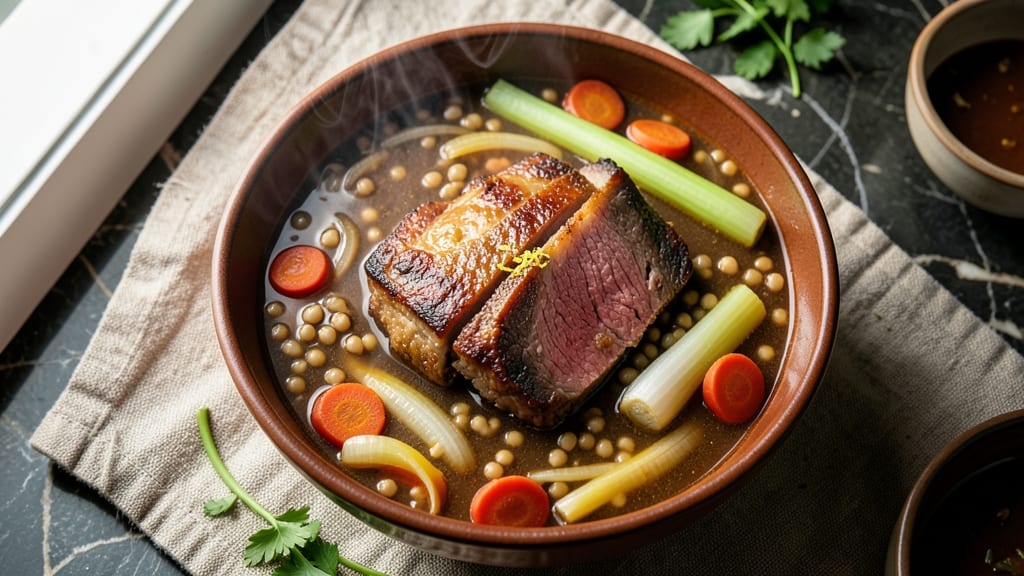
Transforming leftover prime rib into this beef barley soup turns dinner scraps into a hearty, restaurant-worthy meal that’s ready in under an hour. The secret lies in shredding tender prime rib for deep, savory flavor while barley soaks up every rich drop of broth—no waste, just satisfaction.
This isn’t just soup; it’s a foolproof way to repurpose leftovers without sacrificing depth or texture. What sets this recipe apart is the balance: barley’s chewy bite contrasts perfectly with the prime rib’s melt-in-your-mouth tenderness, all wrapped in a broth that’s bold yet comforting.
The slow simmer extracts maximum flavor from bones and meat, while aromatic vegetables add layers of warmth. No fancy techniques—just a pot, a few pantry staples, and 45 minutes of hands-off cooking.
By the final spoonful, you’ll taste why this becomes a weeknight staple: the barley plumps to ideal texture, the broth reduces to velvety richness, and every bite delivers that prime rib luxury you’d pay for at a steakhouse. The best part?
Leftovers reheat beautifully, making it the ultimate meal prep solution. Serve with crusty bread to soak up every last drop, or pair with a simple green salad for balance. Here’s how to turn last night’s prime rib into tonight’s star dish.
Ingredients for beef barley soup recipe with leftover prime rib
Leftover prime rib transforms into this rich, hearty soup with just a few pantry staples and 45 minutes.
| Ingredient | Amount | Notes |
|---|---|---|
| Leftover Prime Rib 🥩 | 2 cups | Shredded meat from 1 lb prime rib |
| Pearl Barley 🌾 | ½ cup | Uncooked, rinsed well |
| Yellow Onion 🧅 | 1 whole | Diced, medium size |
| Carrots 🥕 | 3 medium | Peeled, chopped into 1/2-inch pieces |
| Garlic Cloves 🧄 | 4 cloves | Minced, fresh preferred |
| Celery Stalk 🧅 | 2 whole | Diced, including leaves |
| Prime Rib Bones 🦴 | 1 lb | From leftover roast, crushed |
| Beef Broth 💧 | 4 cups | Low-sodium preferred |
| Tomato Paste 🍅 | 2 tbsp | Smooth, not chunky |
| Dried Thyme 🌿 | 1 tsp | Or 1 tbsp fresh thyme |
| Bay Leaves 🍃 | 2 whole | Removed before serving |
| Salt 🧂 | 1 ½ tsp | Kosher or sea salt |
| Black Peppercorns 🌶️ | ½ tsp | Freshly cracked |
| Olive Oil 🫒 | 2 tbsp | Extra-virgin preferred |
The prime rib is the star here—shred it aggressively for maximum flavor infusion. If you don't have leftover bones, swap in beef marrow or extra broth to keep the richness. For barley, Pearl Barley is ideal (it holds its shape), but Pot Barley works too if that's what you've got. The vegetables? Fresh is best, but frozen carrots and celery will do in a pinch—just thaw and drain first. Trader Joe's has pre-chopped veggie mixes that save time, though I prefer the satisfaction of dicing myself. Look for organic onions and carrots at the grocery store's produce section—they tend to be sweeter and more flavorful.
No beef broth? Chicken broth with a splash of soy sauce works in a bind, though it won't have the same depth. Swap dried thyme for fresh at a 1:3 ratio (1 tsp dried = 3 tbsp fresh), and bay leaves can be omitted if you're sensitive to their flavor. The tomato paste is non-negotiable for that umami punch—if you're using a squeeze tube, Trader Joe's has the perfect single-serve size. For extra richness, add a splash of red wine (about 1/4 cup) when deglazing the pot. The olive oil matters here too—extra-virgin adds a fruity note that cuts through the richness of the beef. If you're out, avocado oil is a great substitute.
This soup tastes even better the next day as flavors meld. Portion into airtight containers and store for up to 5 days in the fridge, or freeze for 3 months. The barley thickens when reheated, so add a splash of broth when warming. For meal prep, double the recipe—barley keeps well, and you can freeze portions for quick weeknight meals. Crusty bread is the perfect companion, but a simple green salad adds freshness if you want balance. The bones? Save them—they're perfect for next time's broth.
Why You'll Love This Recipe
- Zero-Waste Hero: I swear by this trick—prime rib leftovers get a second life instead of sad, lonely fridge days. That rich, meaty flavor? It turns into something hearty and new, no extra shopping needed.
- Garlic-Kissed Magic: Between the slow-cooked onions and crushed garlic cloves, this soup has depth you’ll taste in every spoonful. The barley soaks up all that savory goodness—like a flavor sponge, but delicious.
- Game-Day Ready: Serve it in bowls at your next watch party or family dinner. The barley holds up perfectly, and the prime rib shreds into tender, crowd-pleasing bites. (Yes, even on a Tuesday night.)
- Budget Booster: Pearl barley’s cheap, and you’re using existing ingredients—no fancy add-ons. A big pot feeds four for under $10, and the leftovers? Even better the next day. Honestly, it’s my secret weapon.
Step-by-step instructions for beef barley soup with leftover prime rib
Transform your leftover prime rib into a rich, comforting bowl in under an hour.
Sear the Prime Rib Bones for Deep Flavor
Preheat your largest pot over medium-high heat and add the 2 tablespoons olive oil. Place the 1 pound prime rib bones in the pot, arranging them in a single layer. Let them sear undisturbed for 5-6 minutes until they develop a deep golden-brown crust. This step is crucial—it extracts maximum flavor from the bones through the Maillard reaction.
Once browned, carefully flip the bones and sear the other side for another 5 minutes. You'll notice the oil becoming more fragrant and slightly darker—this is the foundation of your soup's rich depth. Remove the bones with tongs and set them aside for later. The rendered fat in the pot will form the base for your soup, so don't wipe it out.
Sauté the Aromatic Vegetables
In the same pot with the seared bone fat, add the 1 whole yellow onion, 3 medium carrots, and 2 whole celery stalks, all chopped as specified. Cook them over medium heat for 8-10 minutes, stirring occasionally, until they soften and begin to caramelize at the edges. This process develops their natural sweetness and creates a flavorful base.
After about 5 minutes, add the 4 cloves minced garlic and cook for another 30 seconds until fragrant. Here's the thing—don't let the garlic burn. It should smell heavenly but not bitter. Stir in the 2 tablespoons tomato paste and cook for 1 minute to deepen the color and add umami complexity. This step builds the flavor foundation that will carry through your entire soup.
Build the Soup Base with Barley and Broth
Add the 0.5 cup rinsed pearl barley to the pot and stir to coat it in the vegetable mixture. Pour in the 4 cups beef broth, scraping up any browned bits from the bottom of the pot. This technique, called fond deglazing, captures all the flavor you've built so far. Bring the mixture to a gentle boil, then reduce heat to medium-low and add the 2 whole bay leaves and 1 teaspoon dried thyme. The broth should bubble softly around the edges.
Return the seared prime rib bones to the pot. They'll simmer gently, releasing their marrow and collagen into the broth, which will thicken the soup naturally. Let everything simmer uncovered for 30 minutes, stirring occasionally. You'll notice the barley starting to soften and the broth developing a rich, golden color. This is where the magic happens—the flavors meld and intensify.
Incorporate the Prime Rib Meat and Season
After 30 minutes, remove the prime rib bones with tongs and discard them. Using a slotted spoon, transfer the 2 cups leftover prime rib to the pot. Stir gently to distribute the meat throughout the soup. The prime rib should warm through in about 5 minutes—just enough time to heat without overcooking.
Season the soup with 1.5 teaspoons salt and 0.5 teaspoon freshly cracked black peppercorns. Taste and adjust the seasoning if needed—this is where you can make it truly your own. Remember, the prime rib is already seasoned, so be mindful not to over-salt. The soup should be rich and savory, with the barley adding a pleasant chewiness. Let it simmer for another 10 minutes to ensure everything is heated through and the flavors are fully integrated.
Finish and Serve with Perfect Texture
Remove the 2 whole bay leaves from the soup. They've done their job infusing flavor, but their presence can make the soup bitter if left in too long. Ladle the soup into bowls, making sure each serving gets a generous portion of barley and prime rib. The barley should be tender but still have a slight bite—if it's mushy, you may need to adjust cooking times in future batches.
Garnish each bowl with a sprinkle of freshly cracked black pepper and serve immediately. The soup should be hearty and comforting, with each spoonful delivering layers of flavor from the prime rib, barley, and aromatic vegetables. This is the perfect weeknight meal—quick to prepare but packed with restaurant-quality depth and richness. Enjoy it with crusty bread to soak up every last drop of that flavorful broth.
Pro Tips For Making Beef Barley Soup Recipe With Leftover Prime Rib
- SHRED THE RIB FIRST: Cut the prime rib against the grain into ½-inch strips—this makes every bite tender without overcooking. I used to slice with the grain and ended up with chewy chunks that ruined the soup’s texture.
- SOAK BARLEY 30 MINUTES: Skip the long soak, but at least let pearl barley sit in cold water for 30 minutes before adding it to the pot. This cuts down on cooking time and prevents a gummy, gluey texture that’s hard to fix later.
- CARAMELIZE ONIONS LOW AND SLOW: Walk away from the onions—simmer them at medium-low heat for 15-20 minutes until deep amber. Rushing this step burns them fast, leaving a bitter taste that overpowers the rich beef flavor.
- USE BEEF BROTH, NOT WATER: Ditch the water and use at least 4 cups of high-quality beef broth for depth. Water makes the soup taste flat, and since you’re using prime rib, you’re already paying for flavor—don’t dilute it.
Dietary considerations for these flavors
Gluten-Free Adaptation
This soup is naturally gluten-free if you use certified gluten-free barley or swap it for quinoa or buckwheat. A ½ cup substitution of either grain works beautifully, though quinoa has a slightly nuttier flavor.
I’ve tested this with Bob’s Red Mill gluten-free barley—it holds up well during simmering. Always check broth labels too, as some contain hidden gluten. 🌾
Low-Carb Options
For a lower-carb version, reduce the barley to ¼ cup and bulk up with 1 cup cauliflower rice—it absorbs flavors beautifully. Alternatively, omit barley entirely and add ½ cup diced mushrooms for umami depth.
The prime rib remains the star, so focus on maximizing its richness while adjusting other components. This approach keeps carbs under 10g per serving while maintaining heartiness.
Dairy-Free Considerations
This recipe is already dairy-free, but if you’re avoiding all animal fats, replace the 2 tablespoons olive oil with 2 tablespoons avocado oil (neutral flavor) or 1 tablespoon refined coconut oil. The broth and prime rib provide enough richness without dairy.
For extra creaminess, stir in 2 tablespoons coconut milk at the end—it blends seamlessly and adds a subtle sweetness that complements the beef.
Vegetarian Substitutes
To make this vegetarian, replace the prime rib with 2 cups shredded king oyster mushrooms (they mimic meat texture) or 1.5 cups lentils (cooked). Boost umami with 1 tablespoon soy sauce or ½ teaspoon smoked paprika in the broth.
For bones, use 1 cup vegetable broth plus 2 tablespoons nutritional yeast to replicate depth. The barley and vegetables will still shine, but the flavor profile shifts toward earthy and savory.
Allergen-Friendly Swaps
For nut allergies, avoid any garnishes with toasted nuts (like walnuts). If celery is a concern, swap it for 2 cups chopped kale—it adds color and nutrients without altering texture. For onion allergies, use 1 cup diced fennel instead; it’s naturally sweet and pairs well with beef.
Always double-check spice blends (like thyme) for cross-contamination if allergies are severe. I keep Penzeys Spices for their single-origin, allergen-tested options.
Nutrition facts
Frequently asked questions
Can I use other cuts of beef instead of prime rib?
While prime rib delivers that luxurious richness, you can use chuck roast or brisket for a similar hearty result. For tender texture, shred slow-cooked pot roast or short ribs (cooked until fork-tender). The key is using well-marbled, flavorful beef—just adjust cooking time to ensure it shreds easily.
How do I prevent the barley from turning mushy?
Start with pearled barley (not pot barley) and rinse it well before adding to the pot. Simmer uncovered for exactly 30 minutes—no longer! If your barley cooks too fast, reduce heat slightly or add a ½ cup extra broth at the end to adjust consistency. The goal is al dente texture with a slight bite.
What if I don't have leftover bones?
No problem! Skip the bone searing step and simply use the 2 cups shredded prime rib directly in the soup. For extra depth, add 1 tablespoon beef marrow (if available) or ½ cup extra beef broth with 1 teaspoon Worcestershire sauce to replicate the umami richness from bones. The soup will still be delicious—just slightly lighter.
Can I make this soup in an Instant Pot?
Yes! Sauté the bones and vegetables as directed, then add all ingredients (including barley) and cook on high pressure for 15 minutes. Quick-release the pressure, stir in the prime rib, and let it sit for 5 minutes off heat. The barley may need 10-15 minutes extra simmering on the stovetop afterward to reach perfect texture. The Instant Pot cuts total time to about 30 minutes!
Why does my soup taste bland?
Blandness usually means insufficient seasoning or insufficient cooking time. First, check if you used low-sodium broth—it needs extra salt (start with 2 teaspoons instead of 1.5). Let the soup simmer uncovered for 45 minutes total to deepen flavors. Finally, add a splash of red wine (¼ cup) when deglazing or a pinch of smoked paprika for complexity. Taste as you go!