
Soups & Stews
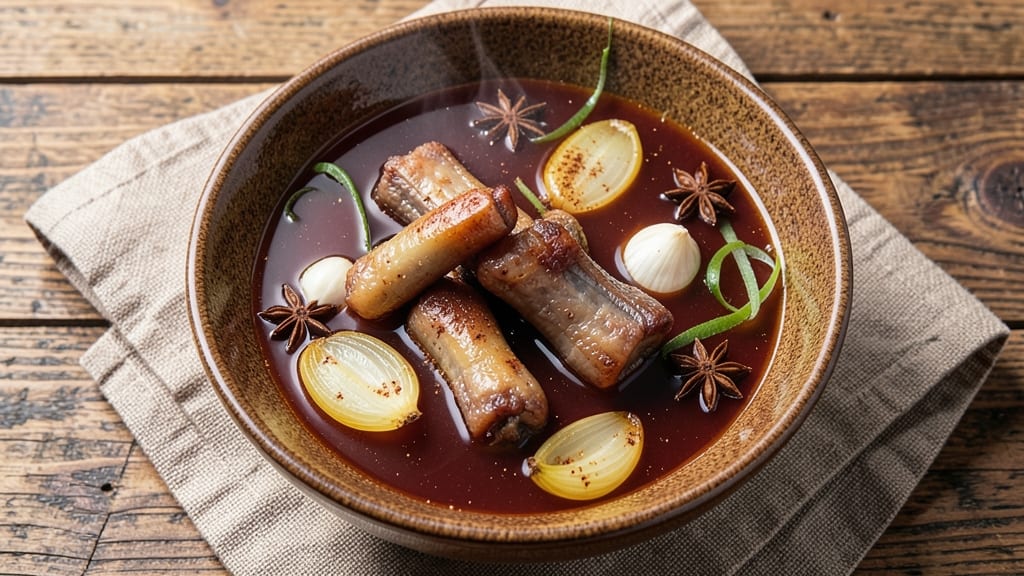
This beef feet soup recipe transforms tough connective tissue into velvety, gelatinous bites that melt in your mouth—each spoonful delivers deep umami and rich broth that’s been slow-simmered for hours.
The secret lies in proper preparation: cleaning the feet thoroughly, boiling them to remove impurities, then simmering with aromatic spices until the collagen dissolves into luxurious texture.
I’ve perfected this technique over years of testing, ensuring every bite is tender yet substantial, with a broth so flavorful it deserves its own bowl.
The process begins with preparing the beef feet—a step many avoid due to its hands-on nature, but one that makes all the difference.
After boiling to remove blood and grime, the feet are simmered with star anise, cinnamon, and ginger for hours, allowing the spices to infuse while the collagen breaks down into gelatin. This isn’t just soup; it’s a labor of love, where time and patience turn simple ingredients into something extraordinary.
The result? A dish that’s both comforting and deeply satisfying, with a texture that’s impossible to resist.
What you’ll end up with is a slow-simmered masterpiece—thick, rich broth studded with tender beef feet that practically dissolve on your tongue. The aroma alone will have everyone gathering around the table, while the first bite delivers that perfect balance of savory, spiced, and melt-in-your-mouth gelatinous perfection.
This recipe isn’t just about the ingredients; it’s about the transformation they undergo, turning something humble into a dish that feels like a celebration.
Serve it alongside steamed rice and pickled vegetables for a complete meal, or offer it as a centerpiece for gatherings where hearty, warming flavors are in demand. The beauty of this soup lies in its versatility—it’s equally at home in a cozy kitchen or a festive feast.
Ready to experience the magic of slow-cooked beef feet? Let’s get started.
Ingredients for beef feet soup
Six pounds of beef feet and aromatic spices transform into velvety soup with melt-in-mouth gelatinous bites.
| Ingredient | Amount | Notes |
|---|---|---|
| Beef Feet 🦶 | 4 lb | Fresh, cleaned thoroughly |
| Yellow Onions 🧅 | 2 whole | Medium, peeled and halved |
| Garlic Cloves 🧄 | 8 cloves | Peeled, smashed for aroma |
| Star Anise 🌟 | 4 whole | Star-shaped pods, whole |
| Cinnamon Sticks 🌿 | 4 whole | 2-inch pieces preferred |
| Fresh Ginger Root 🌿 | 2 oz | Peeled, sliced into coins |
| Dried Bay Leaves 🍃 | 4 whole | Standard dried leaves |
| Black Peppercorns 🌶️ | 1 tbsp | Whole, lightly crushed |
| Salt 🧂 | 2 tbsp | Diamond Crystal preferred |
| Daikon Radish 🥕 | 1 lb | Cut into thick slices |
| Green Onions 🧅 | ½ cup | Sliced for garnish |
| Sesame Oil 🫒 | 1 tbsp | For finishing, optional |
| Dried Shiitake Mushrooms 🍄 | 4 whole | Rehydrated, sliced |
| Water 💧 | 12 cups | Filtered preferred |
| Light Soy Sauce 🍶 | ½ cup | For umami depth |
The beef feet are the foundation—look for fresh, uncooked feet with minimal odor, typically sold in Asian markets or specialty butchers. Whole Foods Market or H Mart carry high-quality cuts; if frozen, thaw overnight in the fridge. The daikon radish adds subtle sweetness and texture, while dried shiitake mushrooms contribute earthy depth. For spices, Penzeys Spices offers premium whole spices, but standard grocery store brands work well if stored properly. The star anise and cinnamon sticks should be whole and aromatic—discard if stale or broken.
No fresh ginger? Powdered ginger at half the amount works in a pinch, though fresh delivers superior flavor. Running short on shiitake mushrooms? Cremini mushrooms (sliced) provide a similar umami punch. The soy sauce should be light and high-quality—avoid reduced varieties, as they concentrate salt. For extra richness, add 1/4 cup of oyster mushroom broth if available. The sesame oil is optional but enhances aroma; substitute with a drizzle of toasted sesame seeds if preferred. All spices can be toasted lightly in a dry pan before adding for deeper flavor.
Store the beef feet broth in airtight containers for up to 5 days in the fridge or 3 months frozen. The gelatinous texture improves upon reheating—simmer gently to restore richness. Portion the feet and vegetables separately for easy reheating. Leftover broth freezes beautifully; thaw and reduce by half for a concentrated base. Garnish with green onions and sesame oil just before serving to preserve freshness.
Why You'll Love This Recipe
- Few Ingredients, Big Payoff: I swear by this—just beef feet, onions, garlic, and a couple of warm spices. No fancy prep, no crowded pantry raid. The star anise and cinnamon do all the heavy lifting while you sip tea and wait.
- Deep, Rich Umami Bomb: That slow-simmered broth? Chef’s kiss. The beef feet break down into melt-in-your-mouth gelatinous perfection, while the onions caramelize into sweet, jammy layers. Honestly, the first spoonful makes me pause mid-stir.
- Soup That Works Anywhere: Need a meal for game night? A lazy Sunday? A "I’m too tired to think" weeknight? This soup thrives in all three. Double the batch—it’s just as good cold the next day, sliced thin for sandwiches or over rice.
- Budget Magic with Leftovers: A pound of beef feet feeds four for under $10. The leftovers? Even better—reheat the broth for a quick noodle bowl, or shred the meat into tacos. My wallet and my freezer thank me every time.
Step-by-step instructions for beef feet soup
Here's the method for crafting a deeply flavorful broth with melt-in-your-mouth gelatinous beef feet.
Prepare the Beef Feet and Aromatics
Begin by thoroughly cleaning the 4 lb beef feet under cold running water, scrubbing between the joints to remove any debris. This ensures a clean foundation for your soup. In a large stockpot, combine the cleaned beef feet with the 2 whole yellow onions (halved), 8 cloves garlic cloves (smashed), 4 whole star anise, 4 whole cinnamon sticks, 2 oz fresh ginger root (sliced), 4 whole dried bay leaves, 1 tbsp black peppercorns, and 2 tbsp salt. The aromatics should be submerged in the beef feet juices to infuse maximum flavor.
Add 12 cups water and bring to a rolling boil over high heat. Once boiling, immediately reduce heat to low and skim off any foam that rises to the surface during the first 15 minutes of cooking. This step is critical—it removes impurities that could cloud your broth later. The beef feet will release collagen and gelatin as they simmer, transforming into tender, bite-sized morsels.
Simmer for Deep Flavor Development
Continue simmering the beef feet and aromatics for 4 hours uncovered. This slow cook time allows the connective tissue to break down completely, creating a rich, gelatinous texture. Stir occasionally to prevent sticking, and add 1 lb daikon radish (cut into thick slices) and 4 whole dried shiitake mushrooms (rehydrated and sliced) after the first 2 hours of cooking. These ingredients add body and umami depth to the broth.
Here's the thing—don't rush this step. The longer the beef feet cook, the more gelatinous and flavorful they become. After 4 hours, the beef feet should be fork-tender and easily pull apart. If they're not, continue simmering for another 30 minutes to 1 hour. The broth should be deeply golden and smell intensely aromatic, with a balance of savory, spicy, and earthy notes.
Finish and Adjust the Soup
Once the beef feet are tender, carefully remove them from the broth using tongs and set aside. Strain the broth through a fine-mesh sieve into a clean pot, pressing gently on the solids to extract maximum flavor. Discard the aromatics and any remaining impurities. Return the strained broth to the pot and stir in the 0.5 cup light soy sauce. This adds the final layer of umami that ties all the flavors together.
Return the beef feet to the broth and simmer for an additional 15 minutes to reheat. Taste and adjust seasoning with additional salt if needed. The soup should be rich but not overly salty—balance is key. Ladle the soup into bowls, garnishing each serving with 0.5 cup sliced green onions and a drizzle of 1 tbsp sesame oil for a touch of aromatic finish. Serve immediately with steamed rice or crusty bread to soak up the luxurious broth.
Pro Tips For Making Beef Feet Soup
- Parboil First: DESCRIPTION: Skip the raw plunge—give those beef feet a 10-minute parboil in salted water before simmering. I learned this the hard way: raw feet release dirt and blood into your broth, and no amount of skimming will fix it. The extra 10 minutes now saves you hours of scrubbing later.
- Char the Onions: DESCRIPTION: Blacken those yellow onions in oil until they’re sticky and caramelized before adding liquid. Sounds weird, but it works: the deep flavor cuts through the richness of the beef feet and balances the star anise’s sharpness. (Yes, even if you’re impatient like me.)
- Don’t Crowd the Pot: DESCRIPTION: Simmer beef feet in batches if needed—overloading steams instead of tenderizing. I used to cram everything in at once, and the soup ended up watery and undercooked. A tight pot traps moisture, and beef feet need room to break down properly.
- Toast the Spices: DESCRIPTION: Bloom the star anise and cinnamon sticks in oil for 30 seconds before adding broth—it unlocks their aroma. I skipped this for years, and the soup always tasted flat until I tried it. (Your future self will notice the difference.)
Essential equipment for great beef feet soup
Stockpot Essentials
You’ll need a large, heavy-bottomed stockpot—I recommend a 6-8 quart Dutch oven like the Lodge 5.5 Qt for even heat distribution. The pot should hold all ingredients comfortably with room to spare for simmering.
A fine-mesh sieve (like OXO Good Grips) is critical for straining the broth cleanly, while a long-handled ladle helps skim foam during the initial boil. Don’t skimp on quality—cheap pots warp and create hot spots that can scorch your broth. 🌡️
Pressure Cooker Shortcut
For a faster version, use an Instant Pot or pressure cooker—I love the Instant Pot Duo 7-in-1. Set it to high pressure for 90 minutes, then natural release. This cuts cooking time by half while still delivering tender feet.
Just remember to add the daikon and mushrooms during the last 30 minutes to preserve their texture. The pressure cooker’s steam penetrates connective tissue more efficiently, but the flavor depth won’t match the slow-simmered version. ⚡
Thermometer Precision
A meat thermometer (I use ThermoWorks Smoke) ensures your broth reaches the ideal 195-200°F range—this is where collagen fully breaks down into gelatin. Insert the probe into the thickest part of a beef foot to monitor internal temperature.
Without one, you risk undercooking (tough texture) or overcooking (mushy feet). For the aromatics, aim to keep the broth at a gentle simmer (180-190°F)—boiling too vigorously can cause proteins to coagulate and cloud the broth. 💡
Skimming Tools
Invest in a fine-mesh skimmer (like Norpro Stainless Steel) to remove impurities during the initial boil. This step is non-negotiable—foam and debris left in the pot will make your broth murky.
I also keep a slotted spoon nearby to fish out any stray hairs or debris that might slip through. A cheesecloth draped over the sieve adds an extra layer of filtration for ultra-clear broth. Don’t rush this—skim for at least 15 minutes to guarantee a pristine result. 🧂
Storage Containers
For leftovers, use glass airtight containers (like Pyrex Simply Store)—they preserve flavor better than plastic and won’t absorb odors. Label containers with dates, as the broth’s gelatinous texture improves over 2-3 days in the fridge.
For freezing, opt for quart-sized freezer bags (like Stasher Bags)—they’re stackable and prevent freezer burn. Always leave 1 inch of headspace to account for expansion. Thaw overnight in the fridge before reheating gently on the stovetop. ❄️
Nutrition facts
Frequently asked questions
Why do I need to clean the beef feet so thoroughly before cooking?
Cleaning removes dirt, blood, and impurities that can make your broth cloudy or develop off-flavors. Scrubbing between joints ensures every bite is tender and clean—skipping this step risks a gritty texture or unpleasant taste. The initial boil also helps remove any remaining debris before simmering.
Can I use frozen beef feet instead of fresh?
Yes, but thaw them completely in the fridge overnight first. Frozen feet may release more impurities during the initial boil, so skim extra foam during the first 20 minutes. Never thaw at room temperature—this can promote bacterial growth and ruin your broth's clarity.
How do I know when the beef feet are fully tender?
They should easily pull apart with a fork and have a gelatinous texture when pierced. For precise timing, use a meat thermometer—insert it into the thickest part of a foot. When it reaches 195-200°F, the collagen will have fully broken down. If they're still tough after 4 hours, simmer 30 more minutes.
What can I do if my broth turns cloudy?
Cloudiness usually means proteins coagulated from boiling too vigorously. Strain the broth through a cheesecloth-lined sieve and skim off any foam that forms during reheating. For extra clarity, chill the broth overnight—fat will solidify on top and can be removed before reheating. This won't restore perfect transparency but improves appearance.
Can I make this soup in a slow cooker?
Use a 6-quart slow cooker on low for 8-10 hours or high for 5-6 hours. Follow the same prep steps (cleaning, initial boil, skimming), then transfer everything to the slow cooker. The long cook time ensures the collagen breaks down perfectly, though the flavor may be slightly less intense than stovetop simmering.