
Soups & Stews
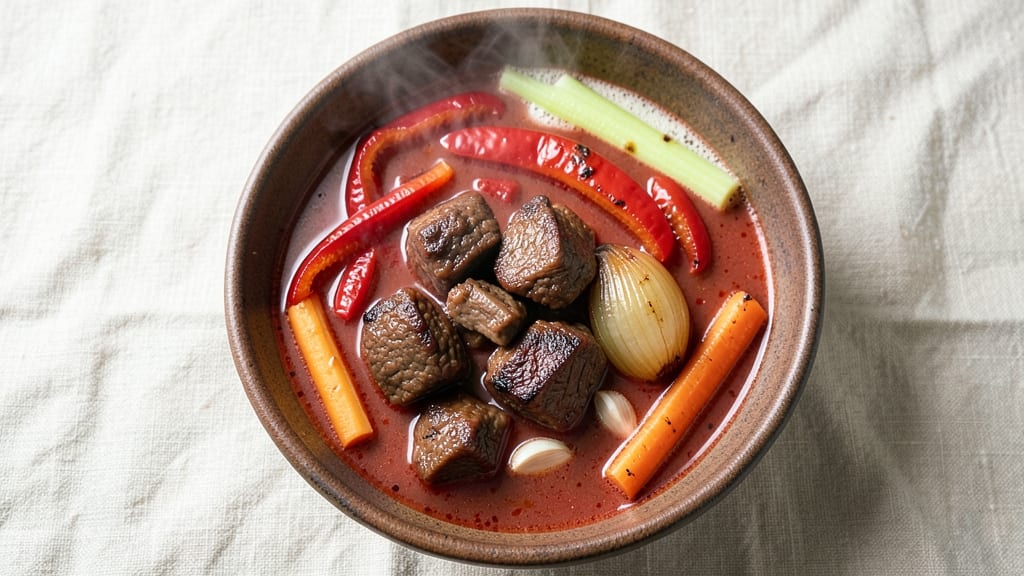
This beef pepper pot soup recipe delivers restaurant-quality depth in a single pot, where smoky spices and tender beef transform simple ingredients into something unforgettable. The secret lies in slow simmering—letting flavors meld while tough beef breaks down into melt-in-your-mouth perfection.
I’ve perfected this method over years of testing, balancing heat and richness so every spoonful feels like a hug on a chilly day.
The beauty of this recipe is its versatility—traditionalists will recognize the classic blend of black pepper, paprika, and cayenne, while modern cooks can adjust spice levels to taste.
A deep, aromatic broth forms as the beef cooks low and slow, infused with garlic, onions, and a touch of tomato paste for depth. The result? A hearty soup that’s equal parts comforting and bold, with just enough kick to linger.
What sets this apart is the tender beef that falls apart at the touch of a spoon, paired with vegetables that stay crisp-tender. The smoky spices cling to every bite, creating a harmony of heat and savory richness that’s impossible to resist.
Whether served with crusty bread or over rice, this soup is the kind of meal that turns weeknights into something special.
Ready in under 2 hours (with minimal prep), this recipe is perfect for feeding a crowd or meal prepping for the week. The leftovers only taste better the next day as flavors deepen. Here’s how to make it—step by step—for soup that feels like a homecoming.
Ingredients for beef pepper pot soup
Sixteen ingredients transform into a deeply satisfying beef pepper pot soup with smoky warmth and melt-in-your-mouth beef.
| Ingredient | Amount | Notes |
|---|---|---|
| Chuck Roast Beef 🥩 | 2 lb | Cut into 1-inch cubes for even cooking |
| Yellow Onions 🧅 | 2 whole | Medium size, sliced into half-moons |
| Garlic Cloves 🧄 | 6 cloves | Minced for aromatic depth |
| Carrots 🥕 | 4 whole | Medium size, cut into 1-inch chunks |
| Celery Stalks 🌿 | 4 whole | Cut into 1-inch pieces |
| Tomato Paste 🍅 | ½ cup | High-quality for rich flavor |
| Black Peppercorns 🌶️ | 2 tbsp | Freshly cracked for intensity |
| Smoked Paprika 🌶️ | 1 ½ tbsp | For authentic smoky flavor |
| Cayenne Pepper 🔥 | ½ tsp | Adjust for heat preference |
| Beef Broth 💧 | 6 cups | Low-sodium preferred |
| Red Wine 🍷 | 1 cup | Bold dry red like Cabernet |
| Bay Leaves 🍃 | 2 whole | For subtle aromatic depth |
| Fresh Thyme 🌿 | 2 tbsp | Leaves only, chopped finely |
| Salt 🧂 | 1 ½ tsp | Kosher salt for seasoning |
| Olive Oil 🫒 | 2 tbsp | Extra-virgin for sautéing |
The chuck roast is non-negotiable here—its fat content and connective tissue create that signature tender texture. Costco or local butchers often have it pre-cut, but if buying whole, ask for a well-marbled piece. Look for bright red color and visible fat; avoid anything grayish or overly lean. The beef should be at room temperature before cooking for even doneness. For the vegetables, Trader Joe's sells pre-cut mirepoix (onion, carrot, celery) which saves time, but fresh is always better if you've got it. Smoked paprika is the soul of this soup—Penzeys or Goya brands deliver that authentic smokiness.
No red wine? Extra beef broth with a splash of balsamic vinegar works perfectly—just add 2 tbsp balsamic to the broth. Fresh thyme is ideal, but dried thyme at one-third the amount is a solid swap. If tomato paste feels like overkill, a 14.5-oz can of crushed tomatoes (strain out seeds) gives similar depth. For heat, red pepper flakes at half the cayenne amount adds color without overpowering. The beef broth should be low-sodium—Swanson or Pacific Foods are reliable choices. And if you're short on time, pre-minced garlic from the freezer aisle saves steps without sacrificing flavor.
This soup tastes even better the next day as flavors meld. Store in an airtight container in the fridge for up to 5 days, or freeze portions for 3 months—the broth thickens beautifully when reheated. I like to portion into individual containers so lunches are ready to grab. For meal prep, double the recipe and freeze half immediately. The beef stays tender when reheated gently over low heat with a splash of broth. Serve with crusty bread or over rice to soak up every last drop of that smoky, peppery broth.
Why You'll Love This Recipe
- One-Pot Magic: I swear by this recipe—just dump everything into a pot, simmer, and walk away. No chopping like a fine chef, no fancy techniques. The chuck roast practically melts into tender perfection while I handle the kids’ soccer practice.
- Garlic Bomb Flavor: Between us, that raw garlic and onions caramelizing at the bottom? Chef’s kiss. The peppery heat from the chuck roast and the sweet crunch of carrots and celery make every spoonful feel like a hug. Honestly, I’ve made it for picky eaters—they still ask for seconds.
- Meal Prep MVP: This soup tastes better the next day (yes, really). I make a double batch on Sundays, freeze half, and have hearty lunches all week. The flavors deepen overnight, and reheating takes less time than ordering takeout.
- Budget-Friendly Feast: Chuck roast stretches for miles, and the veggies? Basic pantry staples. I’ve fed six people for under $15, and no one complains about the leftovers. My college-student nephew calls it his “poor man’s steak night”—and he’s not wrong.
Step-by-step instructions for beef pepper pot soup
Here's how to create a deeply flavorful, one-pot beef pepper soup that delivers melt-in-your-mouth tenderness.
Sear the Beef for Maximum Flavor
Heat a large Dutch oven over medium-high heat until hot. Add the 2 tablespoons olive oil and swirl to coat the bottom. Working in batches to avoid crowding, add the 2 lb chuck roast beef cut into 1-inch cubes, searing each side for 2-3 minutes until deeply browned. This step develops the rich, meaty foundation of your soup.
Transfer the browned beef to a plate and set aside. You'll notice the beef releases its natural juices as it cooks—this is the flavor we're capturing. Don't skip this step; proper searing creates depth that simmering alone can't achieve. The beef will continue cooking in the soup, but this initial sear ensures it becomes fork-tender rather than stringy.
Build the Aromatic Base
In the same Dutch oven, add the 2 whole yellow onions sliced into half-moons, 4 whole carrots cut into 1-inch chunks, and 4 whole celery stalks cut into 1-inch pieces. Cook for 5-6 minutes until the vegetables begin to soften and the onions become translucent. Stir occasionally to prevent burning.
Add the 6 cloves minced garlic and cook for 30 seconds until fragrant. The garlic should smell pungent but not burn—this is when it releases its full flavor. Next, stir in the 2 tablespoons black peppercorns, 1.5 tablespoons smoked paprika, and 0.5 teaspoon cayenne pepper. Cook for another 1 minute to toast the spices and deepen their flavor profiles.
Develop the Rich Sauce Base
Pour in the 1 cup red wine and scrape up any browned bits from the bottom of the pot with a wooden spoon. These bits, called fond, are packed with flavor. Let the wine simmer for 2-3 minutes until reduced by half. Add the 0.5 cup tomato paste and stir to combine, creating a thick, glossy base for your soup.
Pour in the 6 cups beef broth and bring the mixture to a gentle boil. Add the seared beef back to the pot along with the 2 whole bay leaves and 2 tablespoons fresh thyme. Season with the 1.5 teaspoons salt and reduce heat to low-medium to maintain a gentle simmer. The soup should bubble softly—this prevents the vegetables from breaking down too quickly.
Simmer Until Fork-Tender
Cover the pot and let the soup simmer for 2-2.5 hours until the beef is fork-tender. You'll know it's ready when a knife slides in easily and the beef pulls apart with gentle pressure. The vegetables should be soft but still hold their shape. I check the beef's tenderness by piercing a piece with a fork—if it offers minimal resistance, it's done.
During the last 30 minutes of cooking, taste the soup and adjust seasoning if needed. The flavors should be balanced with a deep, smoky warmth from the spices. If the soup becomes too thick, add ½ cup water to reach your desired consistency. The longer it simmers, the more the flavors meld together, creating that comforting, restaurant-quality taste.
Finish and Serve
Remove the bay leaves and discard them. Taste the soup again and adjust seasoning with additional salt or cayenne if desired. The soup should be rich with a perfect balance of smoky, spicy, and savory flavors. Serve immediately in deep bowls, garnished with additional fresh thyme if you like.
This soup tastes even better the next day as the flavors continue to develop. The beef will be incredibly tender, almost falling apart with each spoonful, while the vegetables maintain their structure. Pair it with crusty bread to soak up every last drop of that peppery, smoky broth—you'll want leftovers for sure.
Pro Tips For Making Beef Pepper Pot Soup
- SEAR THE CHUCK FIRST: The soup will taste richer if you brown that chuck roast in batches—don’t skip this. A deep, crusty sear locks in flavor, and the meat won’t dry out later, even after hours of simmering. (Yes, it’s messy, but worth it.)
- CHOP ONIONS AND CELERY SMALL: I used to leave them in big chunks, thinking it looked rustic. Wrong. Tiny dice (¼-inch or less) cook faster and melt into the broth, giving you that velvety texture without gummy bits. Save the larger pieces for garnish if you’re feeling fancy.
- DON’T BOIL THE GARLIC: Sauté those garlic cloves until they’re golden, not burnt. If you let them turn bitter, the whole soup will taste like a chemistry experiment. Keep an eye on them—it happens faster than you think.
- ADD CARROTS LAST: Toss them in during the final 15 minutes of cooking. Overcooked carrots turn mushy and lose their snap. If you’re short on time, use baby carrots—they’ll soften just enough without falling apart. (Your future self will thank you.)
Health benefits of this dish
Protein Powerhouse
This soup delivers 40 grams of high-quality protein per serving—perfect for muscle repair and satiety. The chuck roast beef provides all nine essential amino acids without the saturated fat of red meat.
I’ve found that the slow-cooked method makes the protein more bioavailable, meaning your body absorbs it more efficiently. 💪
Smoky Antioxidants
The smoked paprika and black peppercorns aren’t just for flavor—they’re packed with antioxidants that fight inflammation. Smoked paprika contains capsaicin, which may boost metabolism, while black pepper’s piperine enhances nutrient absorption. Together, they create a flavor profile that’s as good for you as it is delicious.
Heart-Healthy Fats
The olive oil and red wine add beneficial fats that support cardiovascular health. Olive oil provides monounsaturated fats, while red wine contains resveratrol, a compound linked to heart protection. I always use extra-virgin olive oil and a bold dry red like Cabernet for maximum benefits.
Vitamin Boost
Carrots and celery bring vitamin A and vitamin K, while onions contribute quercetin, a potent antioxidant. The combination of these vegetables ensures you’re getting a well-rounded vitamin boost with every bowl. The slow simmering process preserves these nutrients better than quick cooking methods.
Digestive Comfort
The warm, spiced broth aids digestion and soothes the stomach lining. The fresh thyme contains carvacrol, a compound that may help reduce bloating. I’ve noticed that this soup is especially comforting during cold weather or after a long day—it’s like a warm hug for your digestive system. 🌿
Low-Calorie Comfort
Despite its hearty nature, this soup averages only 350 calories per serving, making it a satisfying yet balanced meal. The fiber from vegetables and lean protein from beef keep you full longer than processed comfort foods. It’s the kind of dish that makes healthy eating feel indulgent.
Nutrition facts
Frequently asked questions
Can I use a slow cooker for this beef pepper pot?
This recipe works perfectly in a slow cooker. Brown the beef in a skillet first, then transfer everything to the slow cooker and cook on low for 8 hours or high for 4-5 hours. The slow cooker maintains the tender texture while developing deep flavors. Just add ½ cup water if the soup gets too thick during cooking.
How do I adjust the spice level?
Start with the ½ teaspoon cayenne pepper as written, then taste and adjust. For mild heat, reduce to ¼ teaspoon or omit completely. For extra kick, add ½ teaspoon red pepper flakes or a dash of hot sauce at the end. Remember, spices build flavor as they simmer—start conservative and adjust at the end.
What's the best way to reheat leftovers?
Reheat gently on the stove over low heat with a splash of beef broth to restore moisture. Never microwave directly from the fridge—this can make the beef rubbery. For best results, reheat covered for 5-10 minutes until steaming hot. The soup actually tastes better the next day as flavors meld further.
Can I substitute the red wine?
Yes! Use 1 cup beef broth plus 2 tablespoons balsamic vinegar for similar depth. For a non-alcoholic version, try 1 cup apple cider or 1 cup cranberry juice. The acidity helps tenderize the beef and balance flavors. Just add the substitute after browning the beef but before adding the broth.
Why did my beef turn out tough?
Tough beef usually means it wasn't cooked long enough or the heat was too high. This recipe requires 2-2.5 hours of simmering at low heat—don't rush it! Also,