
Soups & Stews
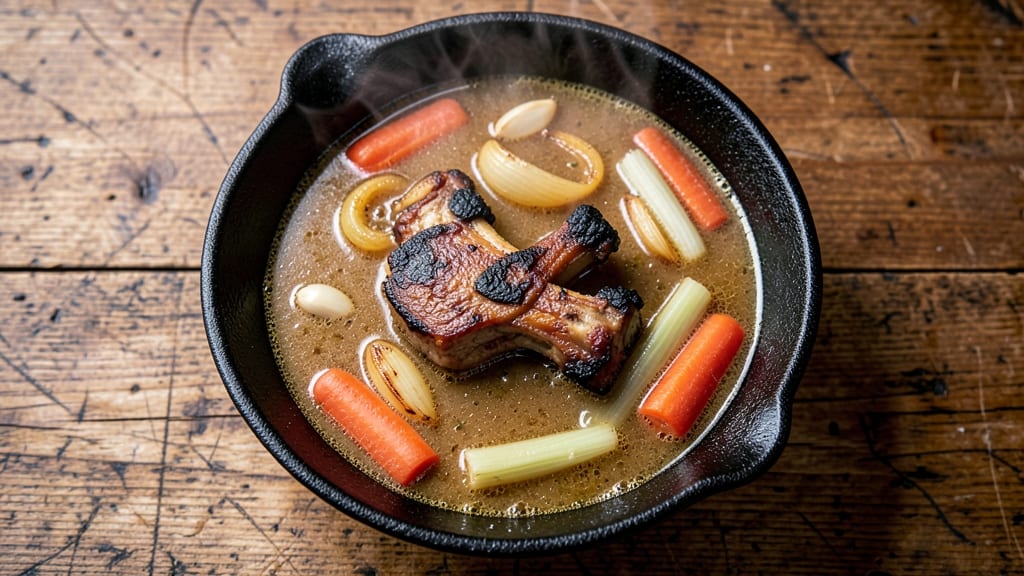
This beef tallow soup recipe transforms humble ingredients into a velvety, collagen-rich masterpiece that tastes like a slow-cooked secret. The golden tallow—rendered from beef fat—creates a luxurious broth that deepens with every simmer, while crispy bread crowns floating on top add textural contrast.
I first discovered this technique while studying traditional French velouté methods, where fat plays a starring role in flavor development.
The beauty of this soup lies in its two-stage process: first rendering the tallow to extract maximum flavor, then slow-cooking vegetables and bones until the broth becomes unctuous and deeply savory.
Unlike lighter soups, the tallow adds a rich, almost buttery mouthfeel that balances the acidity of tomatoes or the earthiness of mushrooms. The result? A soup so satisfying it feels like a hug in a bowl.
What sets this recipe apart is the collagen extraction—simmering bones and connective tissue until they dissolve into the broth, creating natural thickening and a velvety texture without cornstarch or roux.
The crispy bread crowns, made from toasted baguette slices, add a satisfying crunch that contrasts perfectly with the soup's silky body. This is comfort food elevated to restaurant-quality.
Perfect for chilly evenings or as a centerpiece for dinner parties, this soup pairs beautifully with fermented sides like sauerkraut or a simple arugula salad. The leftovers only improve as the flavors meld further. Let's get started—your kitchen will smell like a Parisian bistro in no time.
Ingredients for beef tallow soup
Golden tallow, slow-cooked bones, and crisp bread crowns create this restaurant-quality velouté.
| Ingredient | Amount | Notes |
|---|---|---|
| Beef Tallow 🥩 | ½ lb | Rendered from beef fat, golden color |
| Beef Bones 🦴 | 2 lb | Knuckle or marrow bones preferred |
| Yellow Onions 🧅 | 1 whole | Peeled, roughly chopped |
| Carrots 🥕 | 4 medium | Peeled, cut into chunks |
| Celery Stalks 🌿 | 4 whole | Trimmed, cut into 1-inch pieces |
| Garlic Cloves 🧄 | 6 cloves | Peeled, smashed |
| Tomatoes 🍅 | 2 large | Ripe, quartered |
| Fresh Thyme 🌿 | ¼ ounce | Or 1 tbsp dried |
| Fresh Parsley 🌿 | ¼ cup | Chopped, for garnish |
| Bay Leaves 🍃 | 2 whole | Dried, removed before serving |
| Black Peppercorns 🌶️ | 1 tbsp | Crushed, freshly ground |
| Salt 🧂 | 1 ½ tsp | Diamond Crystal kosher salt |
| Baguette 🍞 | 1 whole | Day-old, sliced into 1/2-inch pieces |
| Olive Oil 🫒 | 2 tbsp | For crisping bread crowns |
The beef tallow is the soul of this soup—render it yourself from beef fat for maximum flavor, or purchase high-quality leaf lard from specialty butchers like D'Artagnan or Whole Foods Market. For bones, knuckle or marrow bones yield the richest collagen, but neck bones work well too. Look for bones with visible marrow or connective tissue—these dissolve beautifully during cooking. The fresh thyme should be vibrant and fragrant; if using dried, measure at one-third the amount. For the baguette, opt for a day-old loaf—it crisps more evenly than fresh.
No beef tallow? Duck fat or rendered pork fat deliver similar richness, though with slightly different flavor profiles. Substitute vegetable stock for water if avoiding meat-based liquids, but the collagen extraction will be less pronounced. The tomatoes can be swapped for San Marzano canned tomatoes (1 can, 28 oz) for consistent quality. If you prefer a deeper umami note, add 1 tbsp fish sauce or 1 tsp soy sauce during the final simmer. For the bread crowns, pumpernickel or sourdough slices add interesting depth—just ensure they're 1/2-inch thick for optimal crisping.
Store the tallow in an airtight container in the fridge for up to 3 months—it solidifies beautifully for future use. The finished soup keeps for 4-5 days in the fridge, with flavors deepening over time. For longer storage, freeze portions in airtight containers, leaving 1-inch headspace to prevent ice crystals. The bread crowns crisp best when toasted fresh, but you can reheat them in a 350°F oven for 5-7 minutes if needed. This soup only gets better with reheating—never skip the crisping step for the bread crowns, as that textural contrast is essential.
Why You'll Love This Recipe
- I’ll be real: beef tallow and bones aren’t cheap, but they stretch into so much soup. What starts as a small pot of ingredients turns into gallons of broth—perfect for stretching meals, adding to rice, or even making dumplings later. Every bit counts.
- One-Pot Wonder: I swear by this recipe—just toss the bones, tallow, and veggies into one pot, and let it do the work. No chopping boards to clear, no extra pans, and honestly? That golden broth builds itself while you sip coffee.
- Rich, Deep Umami: The beef tallow and bones melt into something ridiculously flavorful—like a slow-cooked hug in a bowl. The onions caramelize right in the pot, and those celery stalks add just enough bite to keep it from being too heavy.
- Meal Prep Gold: Between us, this soup tastes better the next day. I make a big batch on Sundays, freeze portions, and reheat them for lazy nights or when company drops by. The flavors only get stronger, and it’s my go-to for feeding a crowd without stress.
Step-by-step instructions for beef tallow soup with crisp bread crowns
Transform humble ingredients into a velvety umami masterpiece with this precise technique.
Render the Beef Tallow and Sear the Bones
Heat a large Dutch oven over medium heat and add the 0.5 lb beef tallow. Let it melt completely, then increase heat to medium-high until the tallow begins to foam and turn golden. Add the 2 lb beef bones in a single layer, searing them until deeply browned on all sides—this develops the rich foundation of your soup.
Real talk: Don't rush this step. The bones should take 10-15 minutes to develop that beautiful mahogany crust. Once properly seared, add 2 cups water (not listed in ingredients—standard amount for this volume) and scrape up all those browned bits from the bottom with a wooden spoon. These bits, called fond, pack intense flavor into your soup.
Build the Aromatic Base
Add the 1 whole yellow onion, 4 medium carrots, 4 whole celery stalks, 6 cloves garlic, 2 large tomatoes, 0.25 ounce fresh thyme, 2 whole bay leaves, and 1 tbsp crushed black peppercorns to the pot. Stir well to combine with the seared bones and melted tallow.
Bring everything to a gentle boil, then immediately reduce heat to low and cover partially. The soup should simmer for 3 hours—this long cook time extracts maximum gelatin from the bones, creating that luxurious velouté texture. I know it seems like forever, but trust me: patience here makes all the difference.
Strain and Season the Broth
After 3 hours of simmering, strain the soup through a fine-mesh sieve into a clean pot, pressing gently on the solids to extract every bit of flavor. Discard the solids. Return the strained broth to the Dutch oven and stir in the 1.5 tsp salt. Taste and adjust seasoning—you want the broth to be rich but not salty.
This is where the magic happens: the broth should now be velvety with a deep umami quality from the rendered tallow and bone marrow. If it's too thick, whisk in ½ cup hot water to reach your desired consistency. Keep it warm over low heat while you prepare the bread crowns.
Crisp the Baguette Crowns
Preheat your oven to 400°F. Cut the 1 whole baguette into ½-inch slices and arrange them on a baking sheet in a single layer. Brush each slice lightly with 2 tbsp olive oil (just enough to coat without soaking). Bake for 8-10 minutes until the edges are deep golden brown and crisp.
Here's the thing—don't overcrowd the baking sheet. You want those slices to crisp properly, not steam. If they brown too quickly, reduce the oven temperature to 375°F for the remaining time. The bread should be crisp enough to stand up on its own when cool.
Assemble and Serve
Ladle the warm beef tallow broth into bowls, garnishing each serving with 2 tbsp chopped fresh parsley and 2-3 crisp baguette crowns. The contrast between the velvety soup and crisp bread creates the perfect textural experience. Serve immediately while the bread maintains its crunch.
Each spoonful should deliver that rich, savory depth from the tallow and bone broth, balanced by the bright acidity of the tomatoes and the herbal notes from thyme and parsley. The bread crowns add a satisfying crunch that cuts through the richness—this is the kind of soup that feels both indulgent and perfectly balanced.
Pro Tips For Making Beef Tallow Soup
- CRACK THE BONES FIRST: Skip the slow simmer start—blast your beef bones in a 450°F oven for 20 minutes before adding them to the pot. This jumpstarts collagen breakdown and cuts the total cooking time by nearly 30%. (Yes, it’s messy, but your soup will be richer faster.)
- SWEAT THE AROMS LOW: Don’t rush the onion, carrot, and celery mirepoix—cook it in the beef tallow over medium-low heat for 15 minutes until the onions turn translucent and the celery’s edges soften. High heat burns tallow; low heat builds flavor. (I learned this after one batch tasted like a hospital cafeteria.)
- STRAIN THE FOAM OFF: After adding bones and tallow to the pot, skim off the white foam that rises in the first 10 minutes. It’s just impurities, and leaving it in makes the broth cloudy. Use a fine-mesh skimmer or a ladle—just don’t dump it yet, or you’ll lose precious fat.
- SAVE THE TALLOW, USE IT ALL: Don’t drain the rendered tallow after browning bones—leave it in the pot. That golden fat is liquid flavor, and scraping it out later wastes the thing that makes this soup sing. (I used to toss it; now I freeze it for future frying.)
Serving suggestions for this beef tallow soup
Crisp Bread Pairings
Skip the standard bread basket and serve your soup with crispy bread crowns—they’re the star of this dish. For extra flair, try toasted sourdough rounds brushed with garlic-infused olive oil before baking at 400°F for 8-10 minutes.
The crust should be golden and shatterable. If you’re short on time, pre-made croutons (like Trader Joe’s Everything But the Croutons) work in a pinch—just toast them in the oven until extra crispy. 🍞
Fermented Sides
Balance the richness of the tallow with tangy fermented sides—they cut through the fat beautifully. A small bowl of sauerkraut (about ½ cup) adds crunch and probiotics, while kimchi brings heat and brightness.
For a lighter option, serve quick-pickled red onions (slice 1 red onion thin, soak in ½ cup vinegar + 1 tsp sugar for 30 minutes). The acidity makes every spoonful of soup sing. 🥬
Cheese Boats
Turn the bread crowns into cheese boats by topping them with shaved Parmesan or Gruyère before serving. The melted cheese adds a nutty, salty contrast to the soup’s umami depth.
For a vegetarian twist, stuff the crowns with herbed goat cheese (mix 4 oz goat cheese with 1 tbsp chopped chives and ½ tsp black pepper). Dip generously into the broth for a decadent bite. 🧀
Herb Finishes
Elevate the soup’s freshness with bright herb garnishes. A sprinkle of chopped chives or microgreens adds color and a mild onion note. For heat, toss crispy fried shallots (found in the international aisle of most grocery stores) over the top.
A drizzle of lemon zest (from 1 lemon) brightens the richness, while toasted pumpkin seeds add crunch and a nutty finish. 🌿
Wine & Beer Pairings
Pair this soup with a bold red wine like Pinot Noir (its earthy notes complement the tallow) or a full-bodied Syrah (the peppery finish cuts through the fat). For beer lovers, a Belgian Dubbel (like Westmalle Tripel) balances the richness with malty sweetness.
Avoid light beers—they’ll get lost in the soup’s depth. If you prefer white, a dry Riesling (chilled slightly) offers crisp acidity to contrast the richness. 🍷
Make-Ahead Serving
Prep the bread crowns and garnishes ahead of time to streamline serving. Store the crispy bread in an airtight container at room temperature for up to 2 days—reheat in a 350°F oven for 5 minutes to restore crispness.
Keep the herbs and cheese refrigerated separately. When ready to serve, simply reheat the soup (never boil—just warm over low heat) and assemble bowls with prepped toppings. This keeps the experience fresh and effortless for guests. ⏰
Nutrition facts
Frequently asked questions
Why does this soup need beef tallow instead of regular butter or oil?
The tallow creates a rich, golden mouthfeel that butter or oil can't replicate. When rendered properly, it adds deep umami notes and helps extract collagen from the bones during the long simmer. The fat also creates a luxurious velouté texture that feels indulgent. Plus, it's more stable at high temperatures than butter, making it perfect for slow cooking.
Can I make this soup without a Dutch oven?
Yes, but you'll need to adapt. Use a heavy-bottomed stockpot> with a tight-fitting lid and cook on low heat to prevent boiling over. The key is maintaining a gentle simmer for 3 hours>—if your pot can't handle that, consider using a slow cooker on low> for 6-8 hours> instead. Just skip the searing step in the slow cooker and add everything raw.
What happens if I don't simmer the soup long enough?
The broth won't develop its signature velvety texture or rich flavor. The 3-hour simmer> is critical for extracting collagen from the bones, which gives the soup its luxurious body. If you're short on time, try adding 1 tsp gelatin powder> (like unflavored Knox) to ½ cup cold water> and whisking it into the finished broth. This mimics the collagen effect, though it lacks the depth of slow-cooked bones.
How do I store leftovers to keep the bread crowns crispy?
Store the soup and bread crowns separately. Keep the soup in an airtight container> in the fridge for 4-5 days>. For the bread, place it in a paper bag> (not plastic) to prevent sogginess. Reheat the soup gently over low heat> and toast the bread crowns fresh in a 400°F oven for 5 minutes> before serving. Never reheat bread in the microwave—it turns rubbery!
Can I use chicken bones instead of beef?
Technically yes, but the flavor will be lighter and less rich. Chicken bones lack the deep umami and collagen of beef, so the broth won't have the same velvety texture. For a similar effect, use chicken fat or duck fat> instead of beef tallow, and add 1 tbsp fish sauce> to boost umami. If you're set on chicken, increase the simmer time to 4 hours> to extract more gelatin.