
Soups & Stews
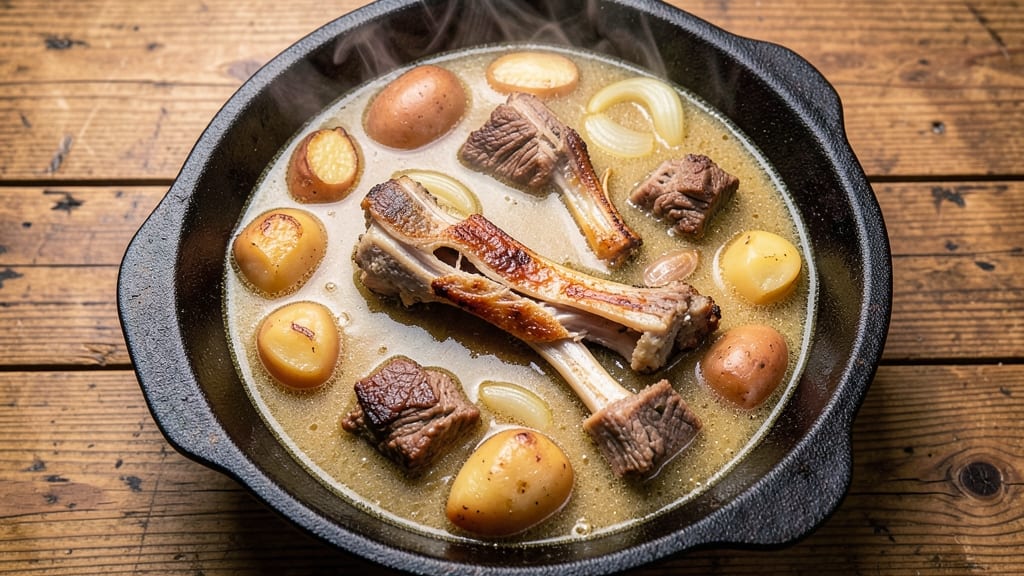
This beef bulalo bone marrow soup delivers the ultimate Filipino comfort food experience—rich, collagen-packed broth infused with tender beef and luxurious bone marrow. The secret lies in slow simmering, where tough beef cuts transform into melt-in-your-mouth perfection while the marrow adds velvety depth.
I've perfected this recipe over years of testing, ensuring every spoonful delivers that signature umami richness paired with tender meat and creamy marrow.
The beauty of bulalo is its simplicity combined with deep flavor development. Start with a base of beef bones and marrow, then build layers of aromatic vegetables and spices that simmer for hours, creating a broth so rich it practically dissolves into your rice.
The key is patience—letting the collagen release gradually for that signature gelatinous texture that makes this soup irresistible.
What you'll end up with is a steaming bowl of restaurant-quality bulalo, where each bite offers tender beef, creamy marrow, and a broth so flavorful it deserves its own spoon.
The aroma alone will have everyone gathering around the table, and the first taste will confirm why this dish is a Filipino classic. Serve with steamed rice to soak up every precious drop of that collagen-rich broth.
Perfect for family gatherings or special occasions, this bulalo recipe transforms simple ingredients into a luxurious meal. The slow-cooking process makes it ideal for meal prep—just reheat and enjoy the comforting flavors all week long.
Here's how to make it the traditional way, with all the secrets to authentic bulalo success.
Ingredients for beef bulalo bone marrow soup
Rich beef bones, velvety marrow, and aromatic vegetables create this luxurious Filipino classic.
| Ingredient | Amount | Notes |
|---|---|---|
| Beef Shank Bones 🦴 | 2 lb | Split for maximum surface area |
| Beef Marrow Bones 🦴 | 4 pieces | Fresh, uncooked marrow preferred |
| Beef Chuck Roast 🥩 | 2 lb | Cut into 2-inch chunks |
| Yellow Onions 🧅 | 2 whole | Cut into wedges, skins on |
| Garlic Cloves 🧄 | 8 cloves | Smashed, not minced |
| Russet Potatoes 🥔 | 2 lb | Cut into 2-inch chunks |
| Carrots 🥕 | 4 whole | Cut into 3-inch lengths |
| Tomatoes 🍅 | 4 whole | Roma or vine-ripened |
| Bay Leaves 🌿 | 2 whole | Dried, standard size |
| Black Peppercorns 🌶️ | 1 tbsp | Whole, lightly crushed |
| Salt 🧂 | 2 tsp | Diamond Crystal preferred |
| Fish Sauce 🍶 | 1 tbsp | Red Boat brand recommended |
| Calamansi or Lemon Juice 🍋 | 2 tbsp | Calamansi for authentic flavor |
| Green Onions 🧅 | 4 whole | For garnish, chopped |
| Steamed White Rice 🍚 | 2 cups | For serving, cooked |
The bones are everything here. Fresh beef shank bones from your butcher's counter—look for good marbling and clean cuts—will give you that signature gelatinous texture. Costco or Whole Foods usually carry them pre-split, which saves time. For marrow bones, local farmers markets often have the freshest options, but any grocery store with a meat counter should carry them. The chuck roast should be well-marbled too—ask for chuck eye roast if you want extra tenderness. Potatoes and carrots don't need anything special, but organic produce keeps better during the long simmer. The tomatoes? Roma or vine-ripened hold up best in the broth.
No beef shank bones? Pork femurs or veal shanks work in a pinch, though the flavor will differ slightly. Short on marrow bones? Substitute extra beef chuck—just add an extra hour to the cooking time. Fish sauce is non-negotiable for that umami punch, but Red Boat brand is the gold standard. Calamansi is ideal, but lemon juice works fine if you can't find it. The bay leaves should be dried—fresh ones get bitter. For the vegetables, baby carrots or pre-cut potatoes save chopping time, but whole roots develop more flavor. And if you're feeling fancy, add a splash of soy sauce at the end for extra depth.
This soup tastes even better the next day as the flavors meld. Store in the fridge for up to 5 days, or freeze portions for 3 months. The broth thickens as it cools, so add a splash of water when reheating. I always make a double batch—leftovers make amazing rice bowls. For serving, keep those green onions and a squeeze of calamansi on hand. The rice? Jasmine or long-grain works perfectly, but short-grain absorbs the broth like a dream.
Why You'll Love This Recipe
- Here’s what sold me: the marrow bones release their golden, velvety center into the broth without lifting a finger. You get that deep, meaty flavor from the shank bones, but the real magic? The marrow turns the soup into something dangerously addictive—creamy, rich, and so satisfying it feels like a hug in a bowl.
- I’ll be real: this feeds a crowd without turning my kitchen into a warzone. Double the recipe for game day, serve it in mugs for a cozy Sunday, or pack leftovers for lunch—it reheats like a dream. My kids even ask for it on random Tuesdays, which, for me, is basically a Michelin star.
Step-by-step instructions for beef bulalo bone marrow soup
Here's how to craft this deeply flavorful Filipino classic with velvety marrow and collagen-rich broth.
Prepare the Bones and Initial Searing
Split the 2 lb beef shank bones lengthwise with a sharp cleaver to expose the marrow cavity. This increases surface area for maximum collagen extraction. In a large Dutch oven, sear the split shanks and 4 pieces beef marrow bones over medium-high heat for 8-10 minutes until deeply browned on all sides. The bones should develop a rich, caramelized crust that will dissolve into the broth later.
While the bones sear, cut the 2 lb beef chuck roast into 2-inch chunks and set aside. The high heat caramelization creates the foundation for the soup's deep umami flavor. Don't rush this step—proper browning is essential for developing that characteristic bulalo taste. Once browned, remove the bones and set them aside temporarily.
Build the Aromatic Base
In the same Dutch oven, add 2 tablespoons olive oil and heat over medium heat. Add the 2 whole yellow onions cut into wedges (skins on) and cook for 5 minutes until softened and lightly golden. Add the 8 smashed garlic cloves and cook for 1 minute until fragrant—don't let them burn, as this creates bitterness.
Next, add the 2-inch chunks of beef chuck roast and cook for 5 minutes until lightly browned. The onions should be translucent with just a hint of color, and the garlic should smell intensely aromatic. This layering of flavors creates the complex foundation for the broth. If the onions stick, add a splash of water and scrape up the browned bits from the bottom of the pot.
Simmer the Vegetables and Seasonings
Add 2 cups water, the 2 lb russet potatoes cut into 2-inch chunks, 4 whole carrots cut into 3-inch lengths, 4 whole tomatoes, 2 whole bay leaves, 1 tablespoon black peppercorns (lightly crushed), and 2 teaspoons salt. Bring to a boil, then immediately reduce heat to low and cover partially. Simmer for 45 minutes, stirring occasionally to prevent sticking.
After 45 minutes, add the seared bones back to the pot. The vegetables should be tender but not falling apart, and the broth should be developing a rich, golden color. This initial simmering phase builds the vegetable flavors while beginning to extract collagen from the bones. The potatoes should be fork-tender but still hold their shape—this ensures they'll break down further during the long cook.
Long Cook for Maximum Flavor Development
Continue simmering uncovered for 2-2.5 hours until the broth reduces by about one-third and becomes deeply flavorful. The bones should be falling apart easily when tested with tongs, releasing gelatinous collagen into the broth. This long cooking time is crucial—it transforms tough cuts into tender morsels while creating that signature bulalo texture.
About 30 minutes before finishing, add the 1 tablespoon fish sauce and 2 tablespoons calamansi or lemon juice. These brighten the rich, meaty flavors and balance the deep umami. The broth should coat the back of a spoon and have a velvety consistency. If it's too thin, uncover and simmer longer to reduce further. The aroma should be intoxicating—earthy, meaty, with a hint of citrus.
Finish and Serve with Marrow Luxury
Remove the bones from the broth and let them cool slightly. Using a small knife, carefully cut along the seams of the beef marrow bones to expose the rich marrow inside. Spoon the marrow directly into bowls of soup for each serving—this is the luxurious centerpiece of bulalo. The marrow should be creamy and golden, melting easily at the touch of a spoon.
Ladle the hot broth and vegetables over 2 cups steamed white rice in each bowl. Garnish with chopped 4 whole green onions and serve immediately. Each spoonful should deliver tender beef, silky marrow, and vegetables in a rich, collagen-based broth that coats your tongue. The soup should be hot enough to steam slightly when served, with the marrow melting gently at the first bite.
Pro Tips For Making Beef Bulalo Bone Marrow Soup
- CRACK THE MARROW FIRST: The marrow bones won’t release their rich fat if you just toss them in raw—crack them open with a meat mallet or cleaver before adding them to the pot. I learned this the hard way when my first batch yielded soup that looked like watered-down broth. Aim for a clean split down the center so the marrow pools out naturally during cooking.
- SIMMER LOW AND LONG: This isn’t a rushed stew. After the initial sear, drop the heat to a bare simmer—just enough to keep tiny bubbles breaking the surface. I used to crank it up to speed things along, but that turns the marrow into grease and makes the broth cloudy. Two hours minimum for the bones, three if you can swing it.
- SAVE THE SKIN ONIONS: Peel the onions after they’ve caramelized—leave the papery skin on during the initial sauté. The skin adds body to the broth and prevents the onions from burning before they soften. I was skeptical until I tried it; the soup now has a deeper, almost umami-rich base that stands out.
- SALT THE BONES BEFORE SEARING: Pat the shank and marrow bones dry, then season them generously with salt before searing. This isn’t just for flavor—it helps render the fat and collagen more evenly. I skipped this once and ended up with a broth that tasted flat, no matter how long I simmered it. Trust me, the extra 30 seconds of salting makes a real difference.
Serving suggestions for leftovers
Rice Pairing Essentials
This dish is incomplete without steamed white rice—traditional Filipino-style bulalo needs jasmine or long-grain rice to soak up that collagen-rich broth. I recommend 2 cups cooked rice per serving to handle the soup's luxurious texture.
For extra authenticity, use unpolished rice like Calrose—its chewy texture contrasts beautifully with the tender beef and marrow. 🍚
Classic Filipino Sides
Serve with atchara (pickled papaya salad) for that perfect tangy crunch. The sweet-spicy flavors cut through the richness of the broth beautifully. I also love adding steamed bok choy or Chinese cabbage—their mild bitterness balances the meal.
For a heartier option, include garlic fried rice on the side to mop up any remaining broth.
Marrow Presentation Tips
The bone marrow is the star—serve it in a small bowl beside each soup portion for dramatic effect. Use a small spoon to scoop the golden marrow directly into the broth, letting it melt into creamy ribbons.
For extra flair, garnish with chopped green onions and a squeeze of calamansi right before serving. The contrast of colors makes the dish look as good as it tastes. ✨
Bread and Dipping Options
Crusty Filipino pandesal (sweet bread rolls) or garlic bread make fantastic dipping tools. I also keep warm tortillas on hand for guests who prefer to scoop up the soup.
For a lighter option, serve with steamed egg rolls—their crispy texture adds another dimension to the meal. The bread should be slightly warm to complement the hot soup.
Drink Pairings
A cold San Miguel beer is the classic choice—its crisp, clean flavor cuts through the soup's richness. For non-alcoholic options, calamansi soda or iced tea with lemon refreshes the palate.
I also love serving tsokolate (Filipino hot chocolate) afterward to balance the meal's savory notes. The contrast of warm and cold drinks completes the dining experience. 🍺
Nutrition facts
Frequently asked questions
Why does beef bulalo need such a long cooking time?
The extended simmering—up to 2.5 hours—is essential for extracting collagen from the bones, creating that signature gelatinous broth. This slow process also transforms tough beef cuts into melt-in-your-mouth tenderness. The patience pays off with each velvety spoonful!
Can I substitute beef marrow bones with other ingredients?
Yes! If marrow bones are unavailable, use extra beef chuck or pork femurs. For a vegetarian version, add 1 cup coconut milk at the end for creaminess, though the texture will differ. The key is maintaining the soup's rich, collagen-based foundation.
What's the secret to making the broth extra rich?
Start with fresh beef shank bones (split for maximum surface area) and sear them deeply for caramelization. Use 2-3 tablespoons fish sauce and simmer uncovered for 2+ hours to reduce the broth naturally. The longer it cooks, the more collagen dissolves into the liquid.
How do I prevent the marrow from turning gray?
Keep the marrow bones refrigerated until ready to use, and sear them thoroughly before simmering. Add 1 tablespoon lemon juice at the end to maintain color. Serve immediately after scooping the marrow to preserve its golden hue and creamy texture.
Can I make this soup in a slow cooker?
Sear the bones and beef first, then transfer everything to the slow cooker. Cook on low for 8-10 hours or high for 5-6 hours. The slow cooker's gentle heat enhances collagen extraction, making the broth even more luxurious. Just skip the uncovered reduction step.