
Soups & Stews
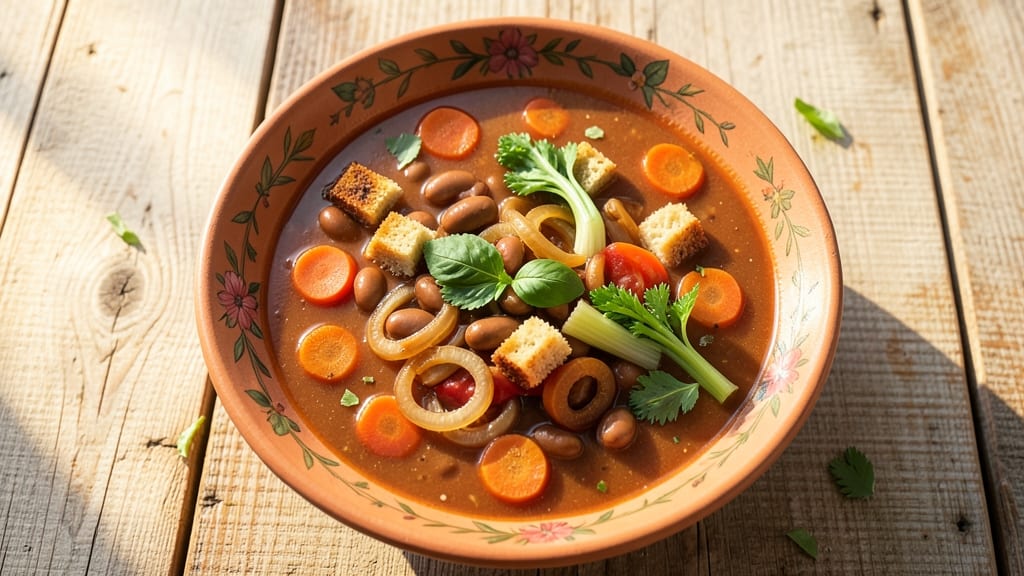
This Bertolas minestrone soup recipe delivers the soul-warming comfort of Italy’s most beloved vegetable soup—where tender beans, hearty vegetables, and aromatic herbs create a broth so rich it feels like a hug in a bowl. 💛 The secret lies in slow-cooked tomatoes, celery crowns that add a satisfying crunch, and a touch of anchovy for depth that elevates every spoonful without overpowering the natural flavors.
What sets this version apart is the balance of textures—creamy cannellini beans, al dente pasta, and crisp-tender celery crowns that hold their shape until the very last bite. Traditional Italian ingredients like basil, parsley, and a splash of white wine transform simple vegetables into something extraordinary.
The broth simmers low and slow, allowing flavors to meld into a harmonious, comforting blend that’s perfect for chilly evenings or family gatherings.
By the time you’re done, you’ll have a steaming bowl of minestrone that’s packed with protein, fiber, and vibrant flavors—vegetarian but far from lacking. The anchovy adds umami complexity, while the celery crowns provide that essential crunch that makes this soup truly special.
It’s the kind of dish that tastes even better the next day, making it ideal for meal prep or feeding a crowd.
Whether you’re a seasoned home cook or new to Italian cuisine, this recipe delivers restaurant-quality results with simple techniques and pantry-friendly ingredients. Let’s get started!
Ingredients for bertolas minestrone soup
Celery crowns, cannellini beans, and San Marzano tomatoes form the soul of this vegetarian minestrone—crunchy, creamy, and deeply flavorful.
| Ingredient | Amount | Notes |
|---|---|---|
| Dried Cannellini Beans 🌾 | 1 ½ cups | Unsold or dried preferred |
| Celery Crowns 🧅 | 4 whole | Leaves included for flavor |
| Carrots 🥕 | 3 medium | Whole, cut into chunks |
| Onion 🧅 | 1 whole | Yellow or red, diced |
| Garlic Cloves 🧄 | 4 cloves | Peeled and minced |
| Canned San Marzano Tomatoes 🍅 | 2 cans | 28 oz each, crushed by hand |
| Ditalini Pasta 🍝 | 1 cup | Uncooked, al dente preferred |
| Vegetable Broth 💧 | 4 cups | Homemade or low-sodium store-bought |
| White Wine 🍷 | ½ cup | Dry variety, like Pinot Grigio |
| Fresh Basil Leaves 🌿 | ¼ cup | Chopped, stems removed |
| Fresh Parsley 🌿 | ¼ cup | Chopped, for garnish |
| Anchovy Fillets 🐟 | 2 whole | Rinsed and finely chopped |
| Olive Oil 🫒 | ¼ cup | Extra-virgin for richness |
| Salt 🧂 | 1 ½ tsp | Diamond Crystal preferred |
| Black Pepper 🌶️ | ½ tsp | Freshly ground |
Celery crowns are non-negotiable here—they add that essential crunch and vibrant flavor that sets this minestrone apart. Look for fresh, crisp crowns at specialty markets or your local produce section, avoiding any with wilted leaves. The San Marzano tomatoes are worth the investment; their sweetness and low acidity create a rich, balanced broth. For the beans, dried cannellini soak overnight for best texture, but canned beans in a pinch work fine if drained and rinsed thoroughly. The anchovy fillets may seem unusual, but they dissolve completely, adding umami depth without overpowering the dish.
No white wine? Dry vermouth or extra vegetable broth works just as well. Substituting dried herbs? Use half the amount of fresh—dried basil and parsley are fine, but fresh delivers that authentic Italian brightness. For the pasta, ditalini or small shells hold up best in the broth, but any small shape will do. If you can't find anchovies, a splash of soy sauce or miso paste adds a similar savory note. The celery crowns should be cut into rough chunks—no need for precision, just even-sized pieces so they cook uniformly.
This soup tastes even better the next day as flavors meld. Store in an airtight container for up to 5 days in the fridge, or freeze portions for 3 months. For meal prep, cook the beans and vegetables ahead, then reheat with fresh pasta and herbs. The celery crowns can be blanched separately and added back just before serving to maintain their crispness. Garnish with extra basil and parsley just before serving—fresh herbs make all the difference.
Why You'll Love This Recipe
- No-Soaking Needed: Dried cannellini beans soften beautifully in the simmer—no overnight soak required. I’ve made this at least 20 times, and that’s my favorite shortcut.
- Garlic-Celery Crunch: The caramelized onion and celery crowns add a sweet, earthy depth, while the garlic cloves—sautéed until golden—bring a punch that lingers. Honestly, that first spoonful makes me pause.
- Meals for Days: This soup tastes even better the next day, so I double the batch on Sundays. The beans get tenderer, and the flavors meld into something richer—perfect for lunches or reheated dinners.
- Pantry Staple Magic: Celery, carrots, onion, and garlic? I bet you’ve got those. Add a few herbs, a can of tomatoes, and boom—you’ve got a hearty, budget-friendly meal that feeds four for under $10.
Step-by-step instructions for Bertolas minestrone soup
Here's the method for a rich, textured minestrone with celery crown crunch and anchovy depth.
🔥 Step 1: Sauté the Aromatic Vegetable Base
Heat the 0.25 cup olive oil in a large Dutch oven over medium heat until shimmering. Add the 1 whole diced onion and cook for 5 minutes until softened and translucent. Add the 3 medium carrots cut into chunks and 4 whole celery crowns chopped (including leaves), stirring occasionally.
Cook for 8-10 minutes until the vegetables begin to soften and release their natural juices. This slow cooking develops their sweetness and creates a flavorful foundation. I like to press down gently with a wooden spoon to help break down the tougher celery crowns—this ensures they'll soften properly and contribute that signature crunch.
🍳 Step 2: Build Flavor with Wine, Anchovies, and Tomatoes
Add the 2 whole rinsed and finely chopped anchovy fillets and stir for 30 seconds until they dissolve completely into the oil. Pour in the 0.5 cup white wine and let it simmer for 2-3 minutes until reduced by half, allowing the alcohol to burn off and intensify the flavors.
Add the 4 cloves minced garlic and cook for 30 seconds until fragrant. Stir in the 2 cans crushed San Marzano tomatoes (crush by hand for authentic texture) and 4 cups vegetable broth. Bring to a gentle simmer and let cook for 15 minutes to meld all the flavors together. This step is where the soup's depth comes from—the anchovies and wine create that umami-rich base.
👨🍳 Step 3: Cook the Beans and Season Properly
Add the 1.5 cups dried cannellini beans to the simmering liquid. The beans should be fully submerged—they'll expand as they cook. Bring to a boil, then reduce heat to medium-low and simmer uncovered for 45-50 minutes until the beans are tender but not mushy. Stir occasionally and add hot water as needed to maintain liquid level.
After 30 minutes of cooking, add the 1.5 tsp salt and 0.5 tsp black pepper. Seasoning at this point allows the flavors to develop properly. The beans should be fork-tender when done—press one to test. If they're still firm, continue cooking for another 10 minutes. I always taste the beans before proceeding to ensure they're perfect.
🥘 Step 4: Finish with Pasta and Fresh Herbs
Add the 1 cup uncooked ditalini pasta to the soup and cook for 8-10 minutes until al dente. The pasta will absorb some of the cooking liquid, so don't worry if it looks slightly underdone when you first add it—the residual heat will finish cooking it.
In the final 5 minutes of cooking, stir in the 0.25 cup chopped fresh basil leaves and 0.25 cup chopped fresh parsley. These herbs add bright, fresh notes that cut through the richness of the anchovies and tomatoes. Taste and adjust seasoning if needed—minestrone should be rich but not overly salty.
⏰ Step 5: Rest and Serve with Crunchy Garnish
Remove the soup from heat and let it rest for 10 minutes before serving. This resting period allows all the flavors to meld together and the pasta to finish absorbing the cooking liquid. The soup will be even more flavorful after resting—don't skip this step!
Serve in deep bowls with an extra sprinkle of chopped parsley and a few crisp celery leaves on top for that signature crunch. The contrast between the tender beans and pasta, the rich tomato-anchovy broth, and the fresh herbs makes this minestrone truly special. Each spoonful should deliver layers of flavor and texture that keep you coming back for more.
Pro Tips For Making Bertolas Minestrone Soup
- SOAK BEANS OVERNIGHT: I learned this the hard way—skipping the soak leaves cannellini beans tough as leather. Toss them in cold water for 8+ hours (or quick-soak: boil 2 minutes, then rest 1 hour), then drain. The extra time makes them creamier without gummy texture.
- SWEEP THE POT: After simmering celery, carrots, and onion for 10 minutes, scrape the browned bits stuck to the bottom. Those bits pack flavor, but skipping this step means you’re missing out on the depth that makes Bertolla’s version stand out.
- DON’T BOIL GARLIC: Sauté minced garlic in olive oil just until fragrant—about 30 seconds—before adding tomatoes or broth. Letting it brown turns it bitter, and that’s the last thing you want in a soup meant to be bright and comforting.
- USE STALE BREAD: Tear day-old bread into the pot during the last 5 minutes of cooking. Fresh bread turns to mush; stale bread absorbs liquid perfectly and adds the perfect chewy texture without falling apart. (Yes, even if you’re impatient like me.)
Pro cooking tips for perfect results
Celery Crown Technique
Celery crowns are the secret weapon in this minestrone—their crisp texture and vibrant flavor make all the difference. Start by chopping them into 2-inch chunks (including the leaves) to maintain their structure while cooking.
I like to press them gently with a wooden spoon during the 8-10 minute sauté to break down their tough fibers without over-softening them. This ensures they stay slightly crisp even after simmering. 🌿
Anchovy Integration
Anchovies might seem intimidating, but they dissolve completely into the oil, adding umami depth without altering the soup's texture. Rinse 2 whole anchovy fillets first to remove excess salt, then finely chop them before adding to the hot oil.
Stir for 30 seconds until fully incorporated—this ensures even distribution. The key is to add them before the wine, so their flavor melds seamlessly with the tomatoes and garlic. 🐟
Wine Reduction Timing
Don’t rush the white wine reduction—simmering for 2-3 minutes until reduced by half intensifies the flavors and burns off the alcohol. I use 0.5 cup dry Pinot Grigio (or vermouth in a pinch) because its crisp acidity balances the richness of the tomatoes.
If your wine simmers too quickly, reduce heat to low to prevent overcooking the onions. This step is where the soup’s complexity begins. 🍷
Bean Seasoning Strategy
Season the beans after 30 minutes of cooking, not at the start. This allows their natural starches to soften and absorb the broth’s flavors first. Add 1.5 tsp Diamond Crystal salt and 0.5 tsp black pepper directly to the pot—the beans will draw in the seasoning as they cook.
Taste-test one bean before finishing; it should be fork-tender but not mushy. Overcooking turns them mealy, which ruins the soup’s texture. ⏱️
Pasta Cooking Hack
Add 1 cup uncooked ditalini pasta during the final 8-10 minutes of cooking—this ensures it absorbs the broth’s flavors without turning mushy. The pasta will finish cooking in the residual heat, so don’t worry if it looks slightly underdone when added.
For extra richness, reserve ½ cup pasta water before draining; stir it into the soup if it needs thinning. This keeps the broth silky and cohesive. 🍝
Herb Timing Matters
Fresh herbs like basil and parsley should go in only in the last 5 minutes to preserve their bright, vibrant flavors. Chop them finely and stir gently to distribute them evenly.
Avoid boiling the herbs—they’ll turn bitter and lose their aroma. A final sprinkle of chopped parsley and celery leaves on top adds that restaurant-quality crunch and freshness. 🌿
Nutrition facts
Frequently asked questions
Why do celery crowns need to be included whole in this recipe?
Celery crowns add both flavor and that signature crunch that makes this minestrone special! Using them whole (with leaves) preserves their structure better than chopped celery, and their tougher stems hold up during the long simmer. The leaves infuse the broth with their delicate flavor, while the stems provide satisfying texture.
Can I substitute canned beans for dried in this minestrone?
Yes, but with adjustments! Use 2.5 cups canned cannellini beans (drained and rinsed) instead of 1.5 cups dried. Since canned beans are already cooked, reduce the simmering time by 20-25 minutes after adding them. They'll absorb flavors faster, so taste-test for doneness at 15 minutes instead of 30 minutes.
What makes the anchovies in this recipe different from other minestrone versions?
These anchovies create umami depth without overpowering the dish. By adding them early (with the oil) and using only 2 fillets, they dissolve completely, enhancing the tomatoes and garlic rather than dominating. The key is rinsing them first to reduce saltiness. This technique is inspired by traditional Italian cooking where anchovies elevate flavors subtly.
How do I prevent the pasta from getting mushy in the soup?
Add the 1 cup uncooked ditalini only in the final 8-10 minutes of cooking. The residual heat will finish cooking it perfectly. For extra insurance, use 1 cup less broth and add ½ cup pasta water at the end if needed. Also, choose small pasta shapes like ditalini or shells—they hold up better than larger varieties.
Can I make this minestrone ahead of time?
This soup tastes even better the next day. Cook everything except the pasta, then store in an airtight container for 5 days in the fridge. When ready to serve, reheat gently and add fresh pasta and herbs. For freezing, cook the beans and vegetables completely, then freeze for 3 months. Add fresh pasta and herbs when reheating.