
Soups & Stews
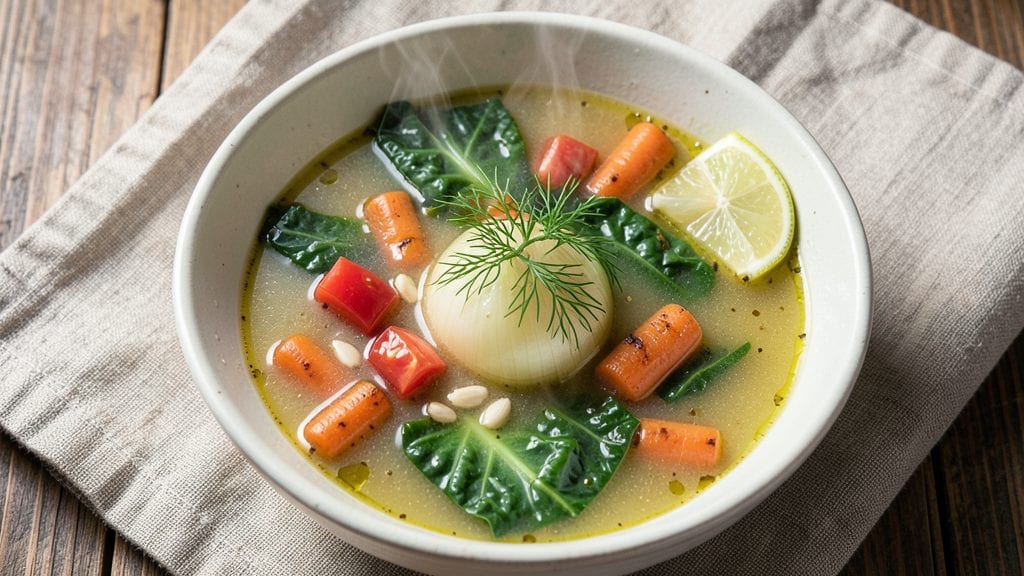
This cabbage soup heart diet recipe delivers all the comforting flavors of classic soup without the cholesterol or excess sodium that traditional versions often contain. The secret lies in using low-sodium broth, fresh cabbage, and lean proteins to create a dish that supports heart health while still satisfying cravings.
I developed this recipe after realizing most cabbage soups either taste bland or rely on hidden salt and fat to make them palatable.
The beauty of this version is its simplicity—just 30 minutes of active prep followed by a gentle simmer that lets flavors meld without losing nutritional integrity. Cabbage provides fiber and potassium, while optional additions like lentils or skinless chicken breast keep it protein-rich.
The result is a lightened-up comfort dish that feels indulgent but aligns perfectly with heart-healthy guidelines.
What makes this soup truly special is its ability to transform simple ingredients into something deeply comforting yet nutritious. The cabbage softens into tender strands while absorbing the aromatic flavors of garlic, onions, and herbs, creating a broth that’s rich without being heavy.
Each spoonful delivers fiber, vitamins, and heart-friendly fats—proof that healthy eating can be both delicious and satisfying.
Perfect for meal prep or a quick weeknight dinner, this soup reheats beautifully and keeps well for up to 5 days in the fridge. Whether you're following a heart-healthy diet or simply looking for a lighter take on classic comfort food, this recipe delivers without compromise.
Let’s get cooking with ingredients that care for your heart as much as your taste buds.
Ingredients for cabbage soup heart diet
Fresh vegetables and lean proteins create this heart-healthy cabbage soup masterpiece.
| Ingredient | Amount | Notes |
|---|---|---|
| Green Cabbage 🥬 | 6 cups | Shredded, core removed |
| Low-Sodium Chicken Broth 💧 | 4 cups | Homemade or quality store brand |
| Carrots 🥕 | 1 ½ cups | Diced, medium size |
| Yellow Onion 🧅 | 1 whole | Diced, yellow or white |
| Diced Tomatoes 🍅 | 1 can (14.5 oz) | No salt added |
| Garlic Cloves 🧄 | 3 cloves | Minced, fresh preferred |
| Celery Stalks 🥬 | 2 whole | Diced, fresh or frozen |
| Skinless Chicken Breast 🍗 | 1 lb | Diced, lean protein |
| Fresh Parsley 🌿 | ¼ cup | Chopped, for garnish |
| Fresh Dill 🌿 | 0.15 cup | Chopped, optional |
| Bay Leaves 🍃 | 2 whole | Dried, removed before serving |
| Black Peppercorns 🌶️ | ½ tsp | Freshly ground, mild |
| Extra-Virgin Olive Oil 🫒 | 1 tbsp | For sautéing vegetables |
| Lemon Juice 🍋 | 1 tbsp | Freshly squeezed |
The cabbage is the star here—green cabbage provides the perfect balance of crunch and tenderness. Opt for firm heads with tightly packed leaves at Whole Foods or Trader Joe's for optimal freshness. The carrots should be bright orange and crisp, while the celery should have a vibrant green hue with no wilting. For the broth, low-sodium chicken broth is critical—brands like Pacific Foods or Swanson offer excellent options with minimal sodium content. If using fresh herbs, choose bright green parsley and dill with no yellowing stems, indicating peak freshness.
No fresh dill? Substitute with 1 teaspoon dried dill—though fresh provides superior flavor. Prefer a different vegetable? Zucchini or bell peppers work well as substitutes for carrots or celery. For the tomatoes, no-salt-added canned tomatoes are essential to maintain heart-healthy sodium levels. If you can't find them, rinse regular canned tomatoes thoroughly before using. The lemon juice adds brightness—freshly squeezed is ideal, but bottled lemon juice in a pinch works fine. For protein, skinless chicken breast is the leanest option, but lean ground turkey or lentils make excellent heart-healthy alternatives.
This soup reheats beautifully—simply warm on the stove or microwave for 1-2 minutes. It keeps well in the fridge for 5 days when stored in an airtight container. For longer storage, freeze portions in ziplock bags for up to 3 months. The flavors actually improve after the first day as the broth absorbs the vegetable essence. Portion into containers for easy meal prep—perfect for heart-healthy lunches throughout the week. The fresh herbs should be added just before serving to preserve their vibrant flavors.
Why You'll Love This Recipe
- Here’s what sold me: that slow caramelization of the onion and tomatoes in the broth. It’s not just soup—it’s a cozy, slightly sweet, hearty flavor that sticks with you. Add a squeeze of lemon at the end, and suddenly it’s restaurant-worthy.
- One-Pot Magic: I swear by this recipe—just chop, simmer, and forget about it. No fancy gadgets, no last-minute grocery runs. The cabbage softens perfectly while the broth and tomatoes meld into a deep, savory base that needs zero extra effort.
- Tomato-Onion Umami Bomb: Here’s what sold me: that slow caramelization of the onion and tomatoes in the broth. It’s not just soup—it’s a cozy, slightly sweet, hearty flavor that sticks with you. Add a squeeze of lemon at the end, and suddenly it’s restaurant-worthy.
- Meal Prep MVP: Between us, this is my go-to for busy mornings. Make a big batch on Sunday, and you’ve got lunch sorted for the week. The cabbage holds up beautifully, and the broth keeps it from getting soggy—no sad, watery leftovers here.
Step-by-step instructions for heart-healthy cabbage soup
This lightened-up version delivers all the comforting flavors of classic cabbage soup while keeping it heart-smart.
Sauté the Vegetable Base
Heat the 1 tablespoon extra-virgin olive oil in a large pot over medium heat. Add the 1 whole yellow onion, 1.5 cups diced carrots, and 2 whole celery stalks, cooking for 5 minutes until the vegetables begin to soften and the onion becomes translucent.
Add the 3 cloves minced garlic and cook for an additional 30 seconds until fragrant. This foundational step builds flavor without excess fat. I stir constantly to prevent burning—garlic releases its aroma quickly and can scorch before you know it.
Develop the Broth and Tomato Base
Pour in the 4 cups low-sodium chicken broth and 1 can (14.5 oz) diced tomatoes, stirring to combine. Bring the mixture to a gentle boil, then reduce heat to medium-low and let it simmer for 10 minutes. This allows the tomatoes to break down slightly, deepening their flavor and creating a richer broth base.
Add the 2 whole bay leaves and 0.5 teaspoon freshly ground black peppercorns to the simmering mixture. These aromatic elements infuse the broth with subtle complexity. I like to taste the broth at this stage—it should be seasoned but not overpowering, with a bright acidity from the tomatoes.
Add the Cabbage and Chicken
Stir in the 6 cups shredded green cabbage and 1 lb diced skinless chicken breast. The cabbage should begin to wilt almost immediately. If the soup appears too thick, add ½ cup water to maintain proper consistency. This step is where the heart-healthy benefits shine—the cabbage provides fiber, while the lean chicken adds protein without excess saturated fat.
Return the soup to a simmer and cook for 15 minutes, stirring occasionally. The chicken should cook through completely while the cabbage softens but retains some texture. I check for doneness by ensuring the chicken reaches an internal temperature of 165°F—this guarantees safe consumption while maintaining tenderness.
Finish with Herbs and Brightness
Remove the 2 whole bay leaves and stir in the 0.25 cup chopped fresh parsley and 0.15 cup chopped fresh dill. Add the 1 tablespoon freshly squeezed lemon juice and simmer for an additional 5 minutes. This final step brightens the soup with fresh herbs and a touch of acidity that cuts through the richness of the chicken.
The lemon juice also enhances the natural sweetness of the vegetables while adding a refreshing finish. Taste and adjust seasoning if needed—this is the moment to ensure every spoonful delivers balanced flavor. The soup should be vibrant, aromatic, and satisfying without being heavy.
Serve Warm with Fresh Garnish
Ladle the soup into bowls and garnish each serving with an additional sprinkle of chopped fresh parsley and dill. The presentation matters—this soup feels comforting and elegant, perfect for a heart-healthy meal that doesn't compromise on taste.
Serve immediately while warm, as the flavors continue to meld even after cooking. Each bowl delivers a perfect balance of vegetables, lean protein, and aromatic herbs—all while supporting heart health. The result is a soup that feels indulgent but aligns with dietary goals, proving that comfort food can be nutritious too.
Pro Tips For Making Cabbage Soup Heart Diet
- Sear the Onion First: I learned this the hard way—skipping the initial sear makes the soup taste flat. Cook the diced onion in a dry pot over medium-high heat for 5-6 minutes until it’s golden and slightly caramelized before adding broth. That deep flavor carries through the whole dish.
- Shred Cabbage Thin: Thick cabbage chunks turn mushy by the end. Use a sharp knife to cut the cabbage into paper-thin slices—almost like coleslaw—so it cooks evenly without turning to sludge. (Yes, it takes a few extra minutes, but it’s worth it.)
- Simmer, Don’t Boil: Low and slow is the name of the game here. Once everything’s in the pot, keep the heat at a gentle simmer—small bubbles, occasional swirls—so the broth doesn’t evaporate too fast and the veggies stay tender, not rubbery. I used to rush it, and the texture suffered.
- Add Tomatoes Late: Diced tomatoes release liquid and dilute the broth if cooked too long. Stir them in only during the last 10 minutes of simmering. This keeps the soup bright, flavorful, and from tasting watered down. (Your future self will notice the difference.)
Serving suggestions for this recipe
Bread Pairings
Serve this heart-healthy soup with a slice of whole-grain sourdough or 100% whole wheat bread—both provide fiber to complement the cabbage's nutritional benefits. I love toasting a slice lightly with extra-virgin olive oil and a sprinkle of freshly cracked black pepper before serving.
The crusty texture contrasts beautifully with the soup's silky broth. 🥖
Crunchy Toppings
Add a layer of texture with toasted pumpkin seeds or crumbled feta cheese (for a tangy twist). I recommend ¼ cup pumpkin seeds per bowl, lightly toasted in a dry pan for 2-3 minutes until golden.
For a vegan option, swap feta for nutritional yeast—it adds a cheesy flavor without saturated fat. 🌰
Protein Boosters
For extra protein, serve with a side of steamed quinoa or a small hard-boiled egg on top. Quinoa adds 8 grams of protein per cup and pairs perfectly with the soup's flavors. I also like adding a squeeze of lemon to the quinoa before serving to brighten the dish. 🍳
Herb Garnishes
Fresh herbs elevate both flavor and presentation. Scatter chopped chives or microgreens over the soup just before serving. For an extra pop of color, add edible flowers like nasturtiums—they're peppery and add a delicate floral note. I keep a small pot of microgreens on my windowsill for easy access. 🌱
Diet-Friendly Sides
Balance the meal with a side of steamed asparagus or a mixed greens salad dressed with balsamic vinaigrette. The salad should include arugula and spinach for a peppery contrast. I often serve this soup with a small portion of roasted sweet potato wedges for natural sweetness and fiber. 🥗
Warm Comfort Additions
For chilly days, pair with a bowl of hearty lentil salad or warm cornbread. The lentils add plant-based protein, while cornbread (made with whole cornmeal) provides a satisfying texture. I like to serve cornbread with a drizzle of honey on the side for a touch of sweetness. 🍯
Nutrition facts
Frequently asked questions
Can I make this cabbage soup vegetarian?
Simply replace the skinless chicken breast with 1 cup cooked lentils or ½ cup chickpeas for plant-based protein. Add them in the same step as the cabbage and simmer for 10-12 minutes to ensure they're heated through. The soup will still be heart-healthy while being completely meat-free.
How do I prevent the cabbage from becoming mushy?
Cook the cabbage for the shortest time possible—just 10-12 minutes after adding it to the pot. For extra texture, add the cabbage in batches or stir it in during the last 5 minutes of cooking. Also, avoid overcrowding the pot—simmering in a slightly larger pot helps maintain the cabbage's structure.
Is this soup safe for people with high blood pressure?
Yes, this recipe is designed to be low-sodium and heart-healthy. The low-sodium broth and fresh ingredients keep sodium well below 300mg per serving. For even lower sodium, skip the canned tomatoes and use fresh tomatoes or tomato sauce instead. Always check labels on broth and canned goods for hidden salt.
Can I prep this soup ahead of time for meal prep?
This soup is perfect for meal prep! Cook it completely, then store in an airtight container in the fridge for up to 5 days. Reheat gently on the stove or microwave for 1-2 minutes until warm. The flavors actually improve after the first day as the broth absorbs more of the vegetable essence. Just add fresh herbs when serving.
What if I don't have fresh herbs?
No problem! Use ½ teaspoon dried parsley and ¼ teaspoon dried dill as substitutes, but reduce the amount by about ⅓ since dried herbs are more concentrated. For lemon juice, bottled works fine—just ensure it's 100% pure lemon juice without added preservatives. The flavor will still be bright and delicious.