
Soups & Stews
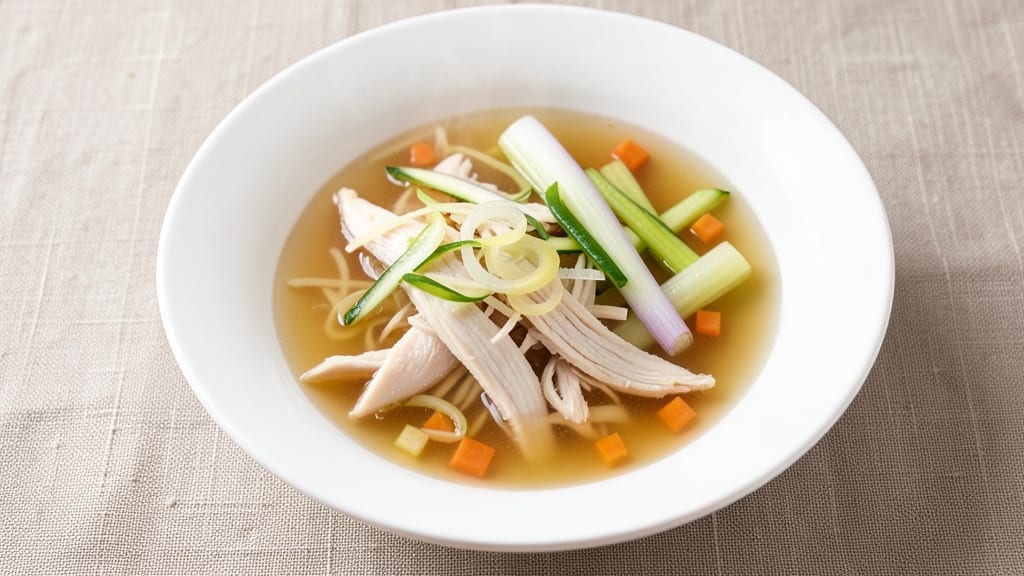
This clear soup recipe for diverticulitis delivers gentle, soothing comfort without triggering flare-ups—perfect for days when your digestive system needs extra care. The secret lies in finely strained vegetables and lean proteins, creating a broth so smooth it glides effortlessly through sensitive digestion while providing essential hydration and nutrients. I developed this recipe during a particularly challenging flare-up, and it became my go-to for both nourishment and relief.
The beauty of this soup is its simplicity—just a few easy-to-digest ingredients like carrots, zucchini, and chicken breast, all simmered until tender before being strained for a completely smooth texture.
No seeds, skins, or fibrous vegetables mean zero risk of irritation, while the warm broth helps calm inflammation and replenish electrolytes. The result is a nourishing meal that feels like a hug for your gut.
What makes this recipe truly special is how it balances nutrition with gentleness. Packed with vitamins from well-cooked vegetables and lean protein for satiety, it’s designed to support healing without overworking your digestive system.
The gentle flavors make it easy to enjoy, even when other foods feel impossible. This is comfort food at its finest—soft, hydrating, and completely gut-friendly.
Whether you're managing diverticulitis or simply need an easy-to-digest meal, this soup is your answer. Ready in under an hour and customizable with herbs or spices, it’s the perfect way to nourish yourself without compromise. Let’s get started on a recipe that truly cares for your body.
Ingredients for clear soup recipe for diverticulitis
Gentle ingredients that soothe while nourishing—perfect for sensitive digestion days.
| Ingredient | Amount | Notes |
|---|---|---|
| Boneless, Skinless Chicken Breast 🍗 | 1 lb | Cut into 1-inch pieces |
| Carrots 🥕 | 3 medium | Peeled and cut into chunks |
| Zucchini 🍆 | 2 medium | Peeled and cut into chunks |
| Yellow Onion 🧅 | 1 medium | Peeled and quartered |
| Celery Stalks 🌿 | 2 whole | Trimmed and cut into pieces |
| Low-Sodium Chicken Broth 💧 | 4 cups | Homemade or store-bought |
| Extra-Virgin Olive Oil 🫒 | 1 tbsp | For sautéing |
| Fresh Parsley 🌿 | ¼ cup | Chopped for garnish |
| Salt 🧂 | ½ tsp | Adjust to taste |
| Black Pepper 🌶️ | ¼ tsp | Freshly ground |
| Fresh Dill 🌿 | 1 tbsp | Optional for flavor |
| Lemon Juice 🍋 | 1 tbsp | Freshly squeezed |
The chicken breast is your protein anchor here. Look for boneless, skinless cuts—they cook evenly and are gentle on digestion. Most grocery stores carry them pre-cut, but if you're buying whole, trim any visible fat or silver skin. For broth, homemade is ideal but low-sodium store-bought works in a pinch. The vegetables? Organic produce if possible, but regular store-bought is fine—just peel everything to remove any potential irritants. Carrots and zucchini are your stars—they're naturally low-fiber and packed with vitamins your body can easily absorb. The celery adds subtle flavor without bulk, making this soup a comforting yet gentle option.
No fresh parsley? Dried parsley at one-third the amount works, but fresh is brighter. Short on dill? Skip it entirely or swap for a pinch of dried thyme. The lemon juice brightens the broth—bottled lemon juice is fine, but fresh is always better. No extra-virgin olive oil? Light olive oil or avocado oil works just as well. Want to make it even smoother? Strain through a fine-mesh sieve after simmering. The key is keeping everything soft and easy to digest, so don’t rush the cooking time—gentle simmering is what makes this soup so healing.
This soup tastes even better the next day as flavors meld. Store in the fridge for up to 4 days in an airtight container, or freeze for 3 months for future flare-up days. I like to portion it into single servings—glass containers work best for reheating. When reheating, warm gently on the stove or microwave until just hot, as boiling can make the broth too intense. The gentle flavors make it perfect for sipping slowly, which is exactly what your digestive system needs right now.
Why You'll Love This Recipe
- Here’s what sold me: the onion and celery caramelize just enough to add depth, while the zucchini keeps it light. No garlic cloves burning your throat, no heavy herbs—just clean, gentle flavor that actually helps when you’re feeling under the weather.
- No-Chop Nightmare: I swear by this—just slice the carrots and celery into thick rounds (no dicing, no fuss), and the broth still tastes like I spent hours. The chicken shreds itself with a fork after simmering, so you’re not stuck picking meat off bones.
- Savory Without Spice: Here’s what sold me: the onion and celery caramelize just enough to add depth, while the zucchini keeps it light. No garlic cloves burning your throat, no heavy herbs—just clean, gentle flavor that actually helps when you’re feeling under the weather.
- Meal Prep MVP: Between us, this is my go-to for three days straight. The broth thickens beautifully when reheated, and I portion it into jars with a sprinkle of fresh parsley—zero guessing what to eat, zero last-minute scrambling.
Step-by-step instructions for clear soup for diverticulitis
This gentle yet flavorful soup brings comfort without aggravating sensitive digestive systems.
Sauté the Vegetables for Gentle Flavor
Heat the 1 tablespoon extra-virgin olive oil in a large pot over medium heat. Add the peeled and quartered yellow onion, trimmed celery stalks, and peeled carrot chunks. Sauté for 5 minutes until the vegetables soften slightly but don't brown—this prevents adding unnecessary fiber while building flavor. Stir occasionally to ensure even cooking.
Next, add the peeled and chunked zucchini and continue cooking for another 3 minutes. The zucchini should remain slightly firm—overcooking releases more fiber, which could irritate. Keep the heat steady; if it gets too hot, the vegetables will darken and lose their delicate sweetness. This step forms the gentle vegetable base without triggering flare-ups.
Cook the Chicken Until Fully Tender
Push the vegetables to one side of the pot and add the 1-inch chicken pieces. Cook for 4-5 minutes until the chicken is no longer pink on the outside. This ensures the meat cooks through without overcooking the vegetables. Stir occasionally to prevent sticking, and if the chicken releases too much liquid, let it evaporate before adding the broth.
Once the chicken is lightly browned, return the vegetables to the center of the pot. Pour in the 4 cups low-sodium chicken broth and bring everything to a gentle simmer. The liquid should just bubble softly—this prevents the vegetables from breaking down further. Let it cook uncovered for 10 minutes to allow the flavors to meld without creating a thick texture that could be difficult to digest.
Simmer Until Vegetables Are Tender
Reduce the heat to low and let the soup simmer gently for 15-20 minutes. You'll know it's ready when the vegetables are fork-tender but still hold their shape—this ensures they're easy to digest while contributing to the broth's richness. The chicken should also be fully cooked through, with no resistance when pierced with a fork.
Here's the thing—this soup relies on the vegetables' natural sweetness rather than their texture. The carrots and zucchini should soften just enough to release their flavors into the broth without becoming mushy. If the soup reduces too much, add a splash of water or broth to maintain a light consistency that's gentle on the digestive system.
Season and Finish with Fresh Herbs
Remove the pot from heat and stir in the ½ teaspoon salt, ¼ teaspoon black pepper, and 1 tablespoon fresh dill. The dill adds a bright, digestive-friendly herb note without overpowering the delicate flavors. Let the soup sit for 5 minutes to allow the seasonings to meld into the broth.
Before serving, stir in the 1 tablespoon lemon juice and ¼ cup chopped fresh parsley. The lemon juice brightens the soup and adds a touch of acidity that aids digestion, while the parsley contributes a fresh finish. This step ensures the soup is flavorful yet gentle, making it perfect for those managing diverticulitis flare-ups.
Serve Warm for Maximum Comfort
Ladle the soup into bowls and serve immediately while still warm. The warmth helps soothe the digestive system, and the light texture makes it easy to digest. I like to serve it with a side of plain rice or crusty bread to soak up any remaining broth—both are gentle on the stomach and add to the comforting experience.
This soup is designed to be nourishing without being heavy. The clear broth ensures it's easy to digest, while the carefully cooked vegetables and chicken provide essential nutrients. The key is balance—enough flavor to satisfy, but nothing that could irritate a sensitive digestive system. Enjoy it warm, and let it work its magic on your comfort and recovery.
Pro Tips For Making Clear Soup Recipe For Diverticulitis
- Simmer Low and Slow: The chicken needs 20-25 minutes to shred effortlessly—any faster and it’ll turn out rubbery. Once the broth reaches a gentle bubble (not rolling), cover it and let it hum along at a whisper. I used to rush this, and the chicken would fall apart in my hands like overcooked pasta.
- Cut Veggies Uniformly: Slice carrots, celery, and zucchini into ¼-inch rounds—no bigger, no smaller. Even cooking is non-negotiable here; otherwise, you’ll end up with mushy carrots and crunchy celery in the same bowl. A mandoline makes this faster, but a sharp knife works too if you’re patient (and I know, I know, you’re not).
- Strain the Broth Twice: First strain removes visible bits, but the second pass through a fine-mesh sieve guarantees a silky texture. Skip this, and you’ll get that "I ate a salad" mouthfeel instead of a clean, soothing broth. It’s extra work, but your gut will thank you—especially if you’re dealing with flare-ups.
- Deglaze with Cold Water: After browning the onion and celery, splash in ½ cup cold water instead of hot broth. The cold liquid loosens stuck-on bits better, and you won’t dilute the flavor before the broth even starts. I was skeptical until I tried it—now it’s my go-to for any clear soup.
Pro cooking tips for perfect results
Low-Temp Simmering
Keep the heat at a gentle simmer—never a rolling boil—to prevent breaking down the vegetables into fibrous bits that could irritate. I use a low setting on my stove and watch for just tiny bubbles breaking the surface.
This ensures the carrots and zucchini soften without releasing excess fiber into the broth. A thermometer helps too—I aim for 185-195°F to maintain gentle cooking. 🌡️
Straining for Clarity
After simmering, strain the soup through a fine-mesh sieve or cheesecloth for an ultra-smooth texture. I double-strain it for extra clarity—first through a sieve to catch any small vegetable pieces, then through cheesecloth for a silky finish.
This step is crucial for diverticulitis management, as even tiny bits can cause discomfort. If you don’t have cheesecloth, a nut milk bag works perfectly. 🥄
Protein Timing
Cook the chicken until it reaches 165°F internal temperature but don’t overcook it—this prevents it from becoming dry or tough. I like to remove the chicken pieces after 4-5 minutes of browning, then return them to the broth to finish cooking.
This ensures tender, easy-to-digest protein without adding unnecessary texture. For extra tenderness, shred the chicken after cooking and stir it back into the broth. 🍗
Broth Selection
Use low-sodium chicken broth to avoid adding unnecessary salt or preservatives that could irritate. Homemade broth is ideal, but if using store-bought, choose a brand with no added MSG or artificial flavors.
I’ve found Pacific Foods or Imagine low-sodium broths work well. For extra flavor without fiber, add a splash of homemade vegetable stock (strained through cheesecloth) after cooking. 💧
Herb Freshness
Fresh herbs like parsley and dill brighten the soup without adding fiber. If fresh isn’t available, use dried herbs at one-third the amount—but taste first, as dried herbs can be more concentrated.
I avoid heavy spices like paprika or cumin, as they might irritate sensitive digestive systems. A pinch of fresh ginger (finely grated) adds warmth without bulk and can aid digestion. 🌿
Storage Safety
Store leftovers in glass airtight containers for up to 4 days in the fridge or 3 months in the freezer. When reheating, warm gently on the stove or microwave to 165°F—never boil, as this can make the broth too intense.
I like to reheat portions just until steaming, then let them sit for 2 minutes before serving. This keeps the texture gentle and easy to digest. ❄️
Nutrition facts
Frequently asked questions
Can I make this soup without chicken?
For a vegetarian version, replace the chicken with 1 cup of well-cooked and strained white beans (like cannellini or navy beans) or ½ cup of silken tofu, both cut into small pieces. The key is maintaining the smooth texture—just ensure any protein is fully cooked and strain it to avoid any fibrous bits. This keeps the soup gentle while still providing protein.
How do I know if my soup is too fibrous?
Look for any visible strings, tiny vegetable specks, or gritty texture when you stir. The soup should be completely smooth—if you see any particles, strain it again through a fine-mesh sieve or cheesecloth. Even small bits can irritate diverticulitis, so clarity is your goal. If you're unsure, taste a small spoonful—the broth should feel silky, not textured.
Can I add other vegetables to this recipe?
Stick to low-fiber, easy-to-digest options like peeled and finely diced potatoes, sweet potatoes, or butternut squash. Avoid cruciferous veggies (broccoli, cauliflower) or anything with skins/seeds. For extra flavor, try a small amount of finely minced leeks (white parts only) or well-cooked mushrooms (strain well). Always peel and dice vegetables finely to minimize fiber.
Will this soup help with diverticulitis flare-ups? Yes, this soup is designed to be low-residue and easy to digest, which is exactly what your gut needs during flare-ups. The clear broth provides hydration, while the strained vegetables offer gentle nutrition without irritating fiber. Many people find warm broths soothing for inflammation—just
Can I use this soup as a base for other recipes?
This clear broth makes an excellent base for congee (rice porridge), creamy soups, or even low-fiber risotto. For congee, simmer with white rice until it reaches a porridge consistency. For creaminess, blend in a splash of coconut milk (strain again if needed) or a small amount of Greek yogurt. Just ensure any additions remain low-fiber and well-strained.