
Soups & Stews
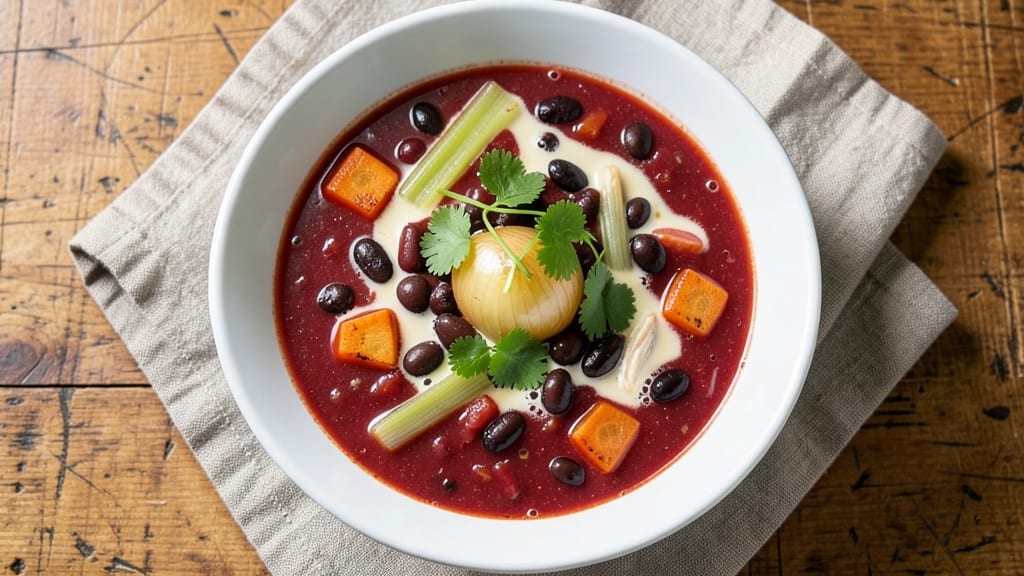
Recreating Campbell's chunky soup at home delivers that nostalgic, hearty thickness without the canned aftertaste. The secret lies in blending tomatoes until perfectly smooth while keeping just enough texture to mimic the classic version.
This recipe transforms simple pantry staples into a comforting meal that tastes like childhood memories—thick, flavorful, and satisfying.
What sets this apart is the balance between smooth and chunky, achieved by blending only half the tomatoes before adding them back. Simmering with broth, beans, and seasonings builds depth, while a touch of sugar rounds out the acidity.
The result is a soup that’s rich enough to stand alone but versatile enough to stretch into casseroles or serve as a starter.
By the time you taste it, you’ll understand why this version wins over canned soup—creamy yet textured, with layers of flavor that develop as it simmers. The aroma alone will have everyone at the table asking for seconds. Ready to make this from scratch?
Serve with crackers for dipping or alongside grilled cheese for a New England-style meal. The leftovers reheat beautifully, making it perfect for busy weeknights or meal prep. Here’s how to bring that familiar comfort home.
Ingredients for campbell's chunky soup
Pantry staples that taste like childhood memories—no canned aftertaste here.
| Ingredient | Amount | Notes |
|---|---|---|
| Canned Tomatoes 🍅 | 28 oz | San Marzano preferred for sweetness |
| Chicken Broth 💧 | 4 cups | Low-sodium preferred for control |
| Black Beans 🌱 | 1 ½ cups | Drained and rinsed, any variety |
| Yellow Onion 🧅 | 1 whole | Medium size, diced |
| Carrot 🥕 | 2 whole | Medium size, chopped |
| Celery Stalks 🌿 | 3 whole | Medium size, chopped |
| Garlic Cloves 🧄 | 4 cloves | Fresh, minced |
| Tomato Paste 🍅 | ½ cup | Squeeze tube or canned |
| Granulated Sugar 🍚 | 1 tbsp | Adjust to taste |
| Salt 🧂 | 1 ½ tsp | Kosher or sea salt |
| Ground Black Pepper 🌶️ | ½ tsp | Freshly ground preferred |
| Dried Thyme 🌿 | ½ tsp | Or 1 tbsp fresh thyme |
| Olive Oil 🫒 | 1 tbsp | For sautéing vegetables |
The tomatoes are everything. San Marzano canned tomatoes have that perfect balance of sweetness and acidity, but any good-quality crushed tomatoes will work. I usually grab the Muir Glen brand from the regular grocery store—it's reliable and affordable. The broth matters too; low-sodium gives you better control over seasoning. If you're in a pinch, bouillon cubes work, but they add a slight bitterness. The beans? Any variety—black, kidney, or pinto. Just make sure they're drained and rinsed to cut down on that canned taste.
No San Marzano tomatoes? Crushed tomatoes from a can are totally fine—just taste and adjust the sugar. Fresh thyme is ideal, but dried works at half the amount. The tomato paste can be from a squeeze tube if you're lazy—no shame in it. The veggies? Baby carrots or pre-chopped celery save time, but they're not necessary. If you're making this for a crowd, double the beans and veggies—it's hearty enough to handle it. The garlic can be pre-minced if you're in a rush, but fresh is always better.
This soup tastes even better the next day—honestly, the flavors meld and deepen. Keeps for 5 days in the fridge, and freezes beautifully for up to 3 months. I like to portion it into containers so lunches are sorted for the week. If you're meal prepping, make a big batch—it reheats like a dream. The texture might get a little thicker when reheated, so add a splash of broth if needed.
Why You'll Love This Recipe
- Pantry Magic: I swear by this recipe when my fridge is empty but my stomach isn’t. Three cans, a handful of spices, and 20 minutes later—warm, hearty soup. No fancy shopping required, just what you’ve got.
- Tomato-Beany Bliss: That sweet-tart tomato base with black beans? It’s the kind of flavor that sticks with you. The onions caramelize just enough to add depth, while the chicken broth keeps it rich without being heavy.
- Lunchbox Hero: Between us, this is my go-to for packed lunches. The chunky texture holds up in containers, and it’s still delicious cold the next day. Add a sprinkle of cheese or crackers, and you’ve got a meal that feels special.
- Budget-Friendly Staple: Honestly, I make this twice a month just to stretch my grocery budget. Canned tomatoes and beans are cheap, and the broth adds that restaurant-quality touch for pennies. Plus, leftovers taste just as good reheated.
Step-by-step instructions for homestyle thick soup
Here's how to build hearty, restaurant-worthy soup from scratch.
Sauté the Vegetable Base
Heat the 1 tablespoon olive oil in a large pot over medium heat. Add the diced 1 whole yellow onion, chopped 2 whole carrot, and chopped 3 whole celery stalks. Cook for 8-10 minutes, stirring occasionally, until the vegetables soften and the onion becomes translucent.
Here's the thing—don't rush this step. You want those veggies to break down and release their natural sweetness. When they're tender enough to crush between your fingers, add the 4 cloves minced garlic cloves and cook for another 30 seconds until fragrant. That aroma signals your flavor foundation is ready.
Build the Tomato Base
Pour in the 28 oz canned tomatoes (including juices) and stir to combine with the vegetables. Add the 0.5 cup tomato paste, 1 tablespoon granulated sugar, and 1.5 teaspoons salt. Bring everything to a gentle boil over medium-high heat, then reduce to a simmer.
Let it cook uncovered for 15 minutes, stirring occasionally. You're looking for the mixture to thicken slightly and develop a rich, concentrated tomato flavor. The sugar helps balance any acidity from the tomatoes while the salt enhances all the flavors. If you notice the soup sticking to the bottom, add 2 tablespoons chicken broth to deglaze and prevent burning.
Add Liquids and Seasonings
Pour in the 4 cups chicken broth and add the 1.5 cups drained and rinsed black beans, 0.5 teaspoon dried thyme, and 0.5 teaspoon ground black pepper. Stir well to combine all ingredients. This is where the soup starts taking shape—thick but still fluid enough to coat the back of a spoon.
Bring the soup back to a gentle simmer and let it cook uncovered for 20-25 minutes. You'll see the flavors melding together beautifully. Taste as you go and adjust the seasoning if needed—another pinch of salt or a touch more sugar can make all the difference. The beans will absorb some of the liquid, helping create that perfect homestyle thickness.
Simmer to Perfection
Reduce the heat to low and let the soup simmer gently for another 15-20 minutes. This final cooking time allows all the flavors to fully develop and the soup to reach its ideal consistency—thick enough to coat a spoon but still easy to ladle.
Real talk: This is where patience pays off. The longer it simmers, the deeper the flavors become. You'll know it's ready when every spoonful delivers that perfect balance of tomato richness, bean heartiness, and vegetable sweetness. If it gets too thick, simply stir in a splash of broth to reach your desired consistency.
Serve Warm
Ladle the soup into bowls and serve immediately while hot. The aroma alone will make your kitchen smell like home. For extra flavor, garnish with a sprinkle of fresh thyme if you have it, or a dash of black pepper.
This soup tastes even better the next day as the flavors continue to meld. Store leftovers in an airtight container in the refrigerator for up to 5 days, or freeze for 3 months. When reheating, add a splash of broth or water to maintain that perfect thickness.
Pro Tips For Making Campbell'S Chunky Soup
- SOFTEN THE ONIONS FIRST: Slice that onion into ¼-inch pieces and let them sit in cold water for 10 minutes before cooking. I learned this the hard way—skipping it means your soup will taste raw and sharp, even after simmering. Drain them well, but don’t rinse; just pat dry with a towel.
- SIMMER LOW AND SLOW: Once everything’s in the pot, keep the heat at a gentle simmer—not a rolling boil. I used to crank it up, and the beans would turn mushy while the broth barely warmed. A steady simmer for 20-25 minutes keeps the texture perfect.
- DRAIN AND RINSE BEANS: Skip the canned beans’ liquid—it’s salty and watery. Rinse them under cold water to remove excess starch, then drain well. My grandmother swore by this, and she was right: the soup stays thicker and richer without that gummy residue.
- ADD CARROTS LAST: Toss the diced carrots in after the soup’s been simmering for 15 minutes. They’ll soften just enough to blend in without turning to mush. I was skeptical until I tried it—now I never add them early.
Common mistakes when making perfect results
Over-Simmering Ruins Texture
I’ve made this mistake more times than I’ll admit—letting the soup bubble away too long turns it into a sad, watery mess. Once the beans break down and the veggies turn mushy, there’s no fixing it.
The key is to keep it at a gentle simmer after the initial 20-25 minutes of active cooking. If you see bubbles popping aggressively, reduce the heat immediately. The perfect consistency should coat the back of a spoon but still be ladle-friendly. 🌡️
Skipping the Sugar
This is a big one—many recipes omit sugar entirely, but it’s what balances the acidity in canned tomatoes. Without it, your soup can taste sharp and unbalanced. Start with 1 tablespoon and taste as you go.
If you’re using San Marzano tomatoes, you might need less, but store-bought brands often need the full amount. Trust me, a little sweetness makes all the difference in that homestyle thickness. 🍚
Ignoring the Bean Drainage
Leaving excess liquid from canned beans in your soup dilutes the flavors and makes it watery. Always drain and rinse the beans before adding them to the pot. I’ve seen people skip this step, and the result?
A soup that’s more broth than anything else. Pro tip: Use a fine-mesh strainer and give those beans a quick rinse under cold water to remove any residual sodium. 🌱
Not Adjusting Seasoning Mid-Cook
Tasting your soup only at the end is a recipe for disappointment. The flavors evolve as it simmers, so check in every 10-15 minutes and adjust salt, pepper, or even a pinch of sugar if needed.
I once made a batch where the broth was too salty by the final minute—no going back. Keep a small bowl of kosher salt nearby and taste as you go. 🧂
Using Low-Quality Tomatoes
Not all canned tomatoes are created equal. Cheap, watery brands will turn your soup into a thin, flavorless broth. Invest in San Marzano or Muir Glen for that sweet, rich taste. If you’re using crushed tomatoes, look for brands labeled "no salt added" to control the seasoning better.
I’ve tried the budget options, and they just don’t cut it for that chunky, hearty texture we’re after. 🍅
Rushing the Simmering Process
Patience is everything here. Rushing the simmering means underdeveloped flavors and a soup that tastes more like individual ingredients than a cohesive dish. Let it cook low and slow for that final 15-20 minutes—this is where the magic happens.
I once tried to speed it up by cranking the heat, and the result was a soup that tasted flat and one-dimensional. Give it time, and the flavors will meld into something truly comforting. ⏳
Nutrition facts
Frequently asked questions
Can I make this soup without canned tomatoes?
Use 4-5 medium fresh tomatoes roasted at 400°F for 30 minutes until blistered, then peeled and blended with 2 tablespoons tomato paste to mimic canned texture. The sugar amount may need adjustment since fresh tomatoes vary in acidity.
How do I make it vegetarian?
Swap the chicken broth for vegetable broth and replace black beans with white beans or lentils. Add 1 cup diced potatoes or 1 zucchini chopped for extra heartiness. The tomato base and seasonings stay exactly the same.
Why does my homemade version taste different from canned Campbell's?
Canned chunky soup uses preservatives and artificial flavors for consistency. Homemade versions taste fresher because we control the ingredients—real tomatoes, fresh herbs, and no added MSG. The texture difference comes from blending only half the tomatoes for that perfect chunky-smooth balance.
Can I make this in a slow cooker?
Yes! Sauté the veggies first, then transfer everything to the slow cooker. Cook on LOW for 6-8 hours or HIGH for 3-4 hours. The slow cooking enhances flavors but may require adding 1/2 cup broth if it gets too thick. Stir occasionally to prevent sticking.
What's the best way to reheat leftovers?
Gently reheat on the stovetop over medium-low heat, stirring frequently to prevent scorching. If it thickens too much, add 1-2 tablespoons broth at a time. Microwave reheating works too—just stir well and add extra liquid if needed. Never reheat to boiling temperature.