
Soups & Stews
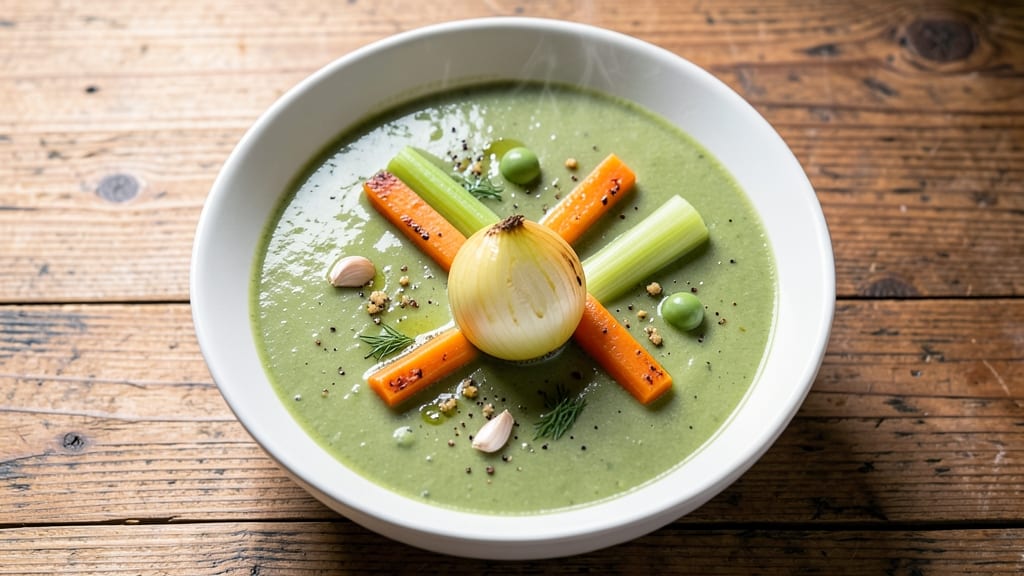
There’s something nostalgic about a bowl of creamy green pea soup—especially when it’s made with that classic Campbell’s-style richness. 💛 I’ve spent years perfecting this recipe to capture the velvety texture and garden-fresh flavor that makes it a New England comfort staple.
The key lies in blending fresh peas with a touch of cream and aromatic vegetables, creating a soup that’s both hearty and silky smooth. This recipe delivers the same comforting creaminess as the canned version, but with a homemade twist.
We’ll simmer fresh peas with onions, carrots, and celery for depth, then blend in a splash of cream for that signature silky finish. It’s vegetarian-friendly, easy to scale for leftovers, and ready in just 25 minutes—perfect for a quick lunch or a cozy dinner.
The result is a bowl of soup with bright, pea-forward flavor and a velvety texture that coats your spoon. Every bite balances the natural sweetness of the peas with the earthy notes of the vegetables, all wrapped in a creamy embrace.
This is the kind of soup that feels like a warm hug on a chilly day. Serve it with crusty bread for dipping or top with a sprinkle of fresh parsley and a drizzle of cream. Leftovers reheat beautifully, making it an ideal make-ahead dish for busy weeknights.
Let’s get started!
Ingredients for campbell's green pea soup
Short list. Big flavor. Creamy pea goodness in no time.
| Ingredient | Amount | Notes |
|---|---|---|
| Fresh Peas 🌱 | 3 cups | Frozen works in a pinch |
| Yellow Onion 🧅 | 1 whole | Diced, for depth |
| Carrots 🥕 | 2 whole | Peeled, chopped into coins |
| Celery Stalks 🌿 | 2 whole | Chopped, for aromatic base |
| Garlic Cloves 🧄 | 3 cloves | Minced, for bold flavor |
| Vegetable Broth 💧 | 4 cups | Low-sodium preferred |
| Heavy Whipping Cream 🧈 | 1 cup | Full-fat for creaminess |
| Fresh Parsley 🌿 | ¼ cup | Chopped, for garnish |
| Salt 🧂 | 1 tsp | Kosher or sea salt |
| Black Pepper 🌶️ | ½ tsp | Freshly ground preferred |
| Crusty Bread 🍞 | 2 slices | For serving, optional |
| Extra-Virgin Olive Oil 🫒 | 1 tbsp | For sautéing veggies |
Peas are the star here—fresh or frozen both work, but fresh gives that vibrant color. I always grab frozen peas from Costco for the best price, but any brand is fine. The yellow onion and carrots should be bright and firm, not soft or shriveled. For the celery, look for stalks with crisp, white ribs—that’s where the flavor lives. And don’t skip the garlic; it’s what ties everything together. Minced fresh is ideal, but pre-minced works in a pinch.
No fresh parsley? Dried parsley at half the amount gets you close. Want to skip the cream? Coconut milk works—just use full-fat for that same richness. Short on time? Pre-chopped frozen veggies save 10 minutes. The vegetable broth is non-negotiable though—low-sodium is best so you control the salt. And if you’re worried about texture, blend half the peas before simmering for an extra-smooth bowl.
This soup tastes even better the next day—stores for 5 days in the fridge. Freeze portions for up to 3 months if you’re meal prepping. I always make an extra batch because it’s that good. Reheat gently on the stove with a splash of water to restore creaminess. Serve with crusty bread and a drizzle of cream for that Campbell’s-style touch.
Why You'll Love This Recipe
- Here’s what sold me: this soup reheats like a dream and keeps its texture. Pack it in a thermos for work, or let the kids take it to school—it’s the only soup my picky 10-year-old will eat without complaining. (Yes, even on a Tuesday.)
- No-Chop Nightmare: I’ll admit—dicing onions and celery feels like a chore. But this soup only needs rough chopping (or even a food processor for lazy days), and the carrots? Just slice them thick. That’s it. The garlic cloves get a quick smash, and suddenly, you’re done.
- Earthy Garlic Kiss: Between us, the secret weapon is that garlic—sautéed until it’s golden but not burnt. It mellows into the peas, caramelizing just enough to make every spoonful taste like a hug. The onions and celery add this sweet, slow-cooked depth that turns simple into ridiculously good.
- Lunchbox Hero: Here’s what sold me: this soup reheats like a dream and keeps its texture. Pack it in a thermos for work, or let the kids take it to school—it’s the only soup my picky 10-year-old will eat without complaining. (Yes, even on a Tuesday.)
Step-by-step instructions for creamy green pea soup
Here's how to turn simple garden veggies into velvety-smooth pea soup that tastes homemade.
🍳 Step 1: Sauté the Aromatic Base
Heat the 1 tablespoon extra-virgin olive oil in a large pot over medium heat. Add the 1 whole diced yellow onion, 2 whole chopped carrots, and 2 whole chopped celery stalks. Cook for 5-6 minutes, stirring occasionally, until the vegetables soften and the onion becomes translucent.
Here's the thing—don't rush this step. You want those veggies to break down and release their natural sweetness. When they're tender and the edges just start to turn golden, add the 3 minced garlic cloves. Cook for another 30 seconds until fragrant. That garlic aroma is the secret to depth in this soup.
🍳 Step 2: Simmer with Peas and Broth
Add the 3 cups fresh peas (no need to thaw if frozen) and pour in the 4 cups vegetable broth. Bring everything to a boil, then reduce heat to medium-low and let it simmer for 10 minutes. You'll see the peas soften and the flavors meld together beautifully.
While it simmers, taste the broth. If it needs more seasoning, add the 1 teaspoon salt and ½ teaspoon black pepper now. The soup should be seasoned but not salty—you'll adjust further at the end. Stir occasionally to prevent sticking, but don't worry if it looks a bit watery at this point. The cream will thicken everything up later.
🥘 Step 3: Blend for Silky Smoothness
Use an immersion blender to purée the soup directly in the pot. This keeps everything creamy without transferring messy liquids. Blend until completely smooth—about 30-45 seconds. If you don't have an immersion blender, carefully transfer the soup to a regular blender in batches, blending until smooth, then return to the pot.
Real talk: The soup might look too thin after blending. That's normal! The 1 cup heavy whipping cream we're about to add will give it that luxurious, restaurant-quality texture. Give it a taste now—you'll notice the sweetness from the carrots and peas really shine through.
🍳 Step 4: Finish with Cream and Garnish
Return the pot to medium heat and gently stir in the 1 cup heavy whipping cream. Heat just until warmed through—about 2-3 minutes. The soup should now have a velvety consistency with a beautiful green hue. If it's too thick, add 2-3 tablespoons of water to reach your preferred texture.
Remove from heat and stir in the ¼ cup chopped fresh parsley. This adds a bright finish that cuts through the richness of the cream. Taste and adjust seasoning one last time—you might need a tiny pinch more salt or pepper to balance the flavors. The cream will make the soup taste even richer, so go easy with additional salt.
🍽️ Step 5: Serve with Crusty Bread
Ladle the warm soup into bowls and serve immediately with the 2 slices crusty bread on the side. The bread is perfect for soaking up every last drop of that creamy goodness. For extra flair, garnish each serving with a sprinkle of fresh parsley and a crack of black pepper.
This soup tastes even better the next day, so make a big batch! The flavors develop and deepen as it sits. Store leftovers in the fridge for up to 4 days or freeze for 3 months. When reheating, add a splash of water or broth to maintain that perfect creamy texture.
Pro Tips For Making Campbell'S Green Pea Soup
- SOFTEN VEGETABLES FIRST: Start the onions, carrots, and celery in cold water for 5 minutes before adding the peas—this keeps them from turning to mush when the peas release starch later. I learned this the hard way when my soup ended up a gray paste instead of vibrant green.
- USE FROZEN PEAS: Fresh peas are great, but frozen ones save time and actually hold their texture better in soup—just toss them straight in when the other veggies are tender. I was skeptical until I tried it, and now I never go back.
- DON’T SKIP THE GARLIC: Smash the garlic cloves instead of mincing them—it releases more flavor without burning. After burning three batches, I finally figured out that whole cloves just sit there like flavorless rocks.
- SALT THE WATER: Add a generous pinch of salt to the pot before cooking the vegetables—it seasons them as they soften and prevents blandness. This isn’t the prettiest method, but it’s the tastiest, and your future self will thank you.
Best sauces and condiments for this dish
Creamy Finish
The heavy whipping cream is what transforms this pea soup from simple to luxurious. I always use full-fat cream for that signature Campbell’s-style richness—about 1 cup warms through in just 2-3 minutes on medium heat.
Stir gently to avoid curdling, and watch as the soup transforms into velvety perfection. For a lighter option, half-and-half works in a pinch, though it won’t be as creamy. 🧈
Herb Brightness
Fresh parsley is the secret to balancing the soup’s creaminess. I chop ¼ cup finely and stir it in at the end—it adds a bright, fresh note that cuts through the richness. No parsley? Dried dill at half the amount works too, but fresh is always better.
For extra flair, I like to sprinkle a little more on top before serving. Trust me, that final garnish makes all the difference.
Spicy Kick
If you want to add a little heat, a pinch of red pepper flakes or a dash of hot sauce (like Tabasco) elevates the soup beautifully. I usually add ¼ teaspoon of flakes while the soup simmers—just enough to wake up your taste buds without overpowering the peas.
For a smoky twist, a sprinkle of smoked paprika works too. 🌶️
Acid Balance
A splash of lemon juice or a few drops of white vinegar brightens the soup and balances the creaminess. I keep a small bowl of fresh lemon juice on hand—just 1 teaspoon at the end adds a refreshing zing.
It’s a trick I picked up from my Nonna, and it makes all the difference in homemade soups. The acidity also helps cut through the richness, making each spoonful feel lighter.
Umami Boost
For deeper flavor, a splash of soy sauce or a teaspoon of miso paste adds umami richness. I like to stir in 1 teaspoon of soy sauce during the simmering phase—it enhances the peas and vegetables without overpowering them.
If you’re feeling adventurous, a small piece of parmesan rind simmered in the broth adds a subtle cheesy depth. It’s a pro move that takes this soup to the next level.
Topping Ideas
Don’t be afraid to get creative with toppings! A drizzle of extra-virgin olive oil adds richness, while crumbled feta cheese brings a tangy contrast. For a pop of color, try chopped chives or microgreens.
A sprinkle of toasted breadcrumbs adds crunch, and a few peppercorns on top give it a sophisticated touch. The best part? These toppings are optional, so you can customize based on what you have on hand.
Nutrition facts
Frequently asked questions
Can I make this soup without blending it for a chunkier texture?
Skip the blending step and let the peas stay whole for a heartier bowl. Simply simmer the peas with the vegetables for 15-20 minutes until tender, then stir in the cream at the end. The result will have a rustic, garden-fresh feel with visible pea pieces and vegetable chunks.
What can I substitute for the heavy cream to make it lighter?
Try half-and-half for a lighter but still creamy option, or use coconut milk for a dairy-free version. For extra richness without full-fat cream, mix ½ cup Greek yogurt with ½ cup milk—it adds protein while keeping the soup velvety. Just remember, these alternatives may slightly alter the texture and flavor.
How do I fix soup that's too thick or too thin after adding cream?
For soup that's too thick, stir in 2-3 tablespoons of warm water or broth until smooth. If it's too thin, simmer uncovered for 5-10 minutes to reduce. Pro tip: If using frozen peas, they release more starch when thawed, which can thicken the soup naturally—adjust liquid accordingly if starting with frozen.
Can I add other vegetables to this recipe?
Yes! Try adding ½ cup diced potatoes (simmer 10 minutes longer) or ½ cup corn kernels for sweetness. For extra veggies, swap in ½ cup chopped zucchini or green beans—just reduce the broth by ½ cup to maintain balance. The key is keeping the peas as the star ingredient.
Why did my soup turn out too salty?
Most likely, the vegetable broth was high-sodium or you added too much salt during cooking. To fix it, stir in 1-2 tablespoons of cold water or milk (this dilutes the salt) and taste. For future batches, use low-sodium broth and season gradually—always taste before adding more salt.