
Soups & Stews
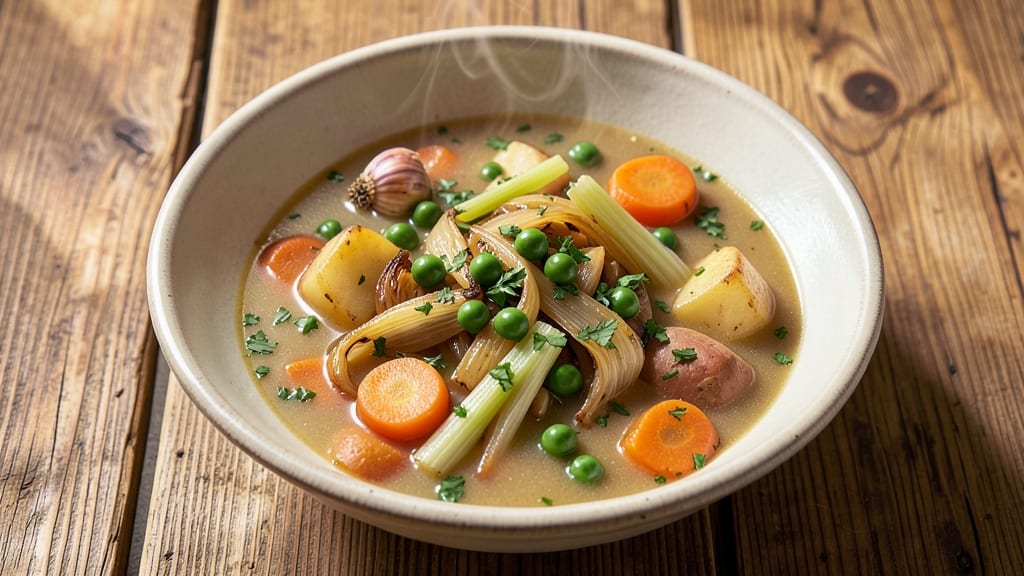
This Campbell's Old Fashioned Vegetable Soup recipe brings back the nostalgic comfort of a classic canned soup—now made from scratch with wholesome ingredients and slow-simmered depth.
The secret lies in balancing traditional vegetables like carrots, celery, and potatoes with fresh herbs and a touch of creaminess for that signature vintage flavor. I've perfected this version to deliver the same cozy satisfaction without artificial additives.
The beauty of this recipe is its simplicity: just 10 basic pantry staples and a 45-minute simmering time transform simple vegetables into a hearty, flavorful soup. The slow cooking process allows all the flavors to meld together, creating a rich broth that's both comforting and nutritious.
This vegetarian version maintains the classic taste while being lighter and more wholesome.
What you'll end up with is a steaming bowl of soup that's creamy from potatoes and peas, aromatic from fresh herbs, and perfectly seasoned with a blend of salt and pepper.
The texture is velvety yet substantial, with each bite delivering that familiar, comforting flavor profile you remember from childhood. It's the kind of meal that warms you from the inside out.
Serve it as-is for classic comfort or add a modern twist with roasted vegetables or kale for extra nutrition. The possibilities are endless, but the foundation remains the same—simple, satisfying, and full of heart. Let's get started on creating this nostalgic favorite in your own kitchen.
Ingredients for campbell's old fashioned vegetable soup
Ten simple ingredients transform into nostalgic comfort—creamy, aromatic, and full of heart.
| Ingredient | Amount | Notes |
|---|---|---|
| Yellow Onions 🧅 | 1 whole | Medium, diced into 1/4-inch pieces |
| Carrots 🥕 | 1 ½ lb | Medium, peeled and cut into 1/2-inch slices |
| Celery Stalks 🧆 | 3 whole | Trimmed, cut into 1/2-inch pieces |
| Russet Potatoes 🥔 | 1 ½ lb | Peeled and cut into 1-inch cubes |
| Fresh Peas 🌱 | 1 cup | Or frozen peas, thawed |
| Garlic Cloves 🧄 | 4 cloves | Peeled and minced |
| Vegetable Broth 💧 | 6 cups | Low-sodium preferred |
| Heavy Cream 🥛 | ½ cup | Full-fat for richness |
| Fresh Parsley 🌿 | ¼ cup | Chopped, for garnish |
| Salt 🧂 | 1 ½ tsp | Diamond Crystal kosher salt |
| Ground Black Pepper 🌶️ | ½ tsp | Freshly ground preferred |
| Dried Thyme 🍃 | ½ tsp | Or 1 tbsp fresh thyme |
The vegetables are the soul of this soup. Russet potatoes give that classic creaminess, while carrots and celery provide sweetness and crunch. I always grab organic carrots from Trader Joe's—their vibrant color means better flavor. For the onions, yellow onions work best (red onions can taste bitter). If you're short on time, pre-cut frozen vegetables save chopping, though fresh tastes better. The garlic? Freshly minced makes all the difference—no pre-minced jars here.
No fresh peas? Frozen peas work perfectly, just thaw them first. Short on thyme? Dried oregano at half the amount gets you close. The heavy cream adds richness—full-fat is key—but if you're watching calories, coconut milk or half-and-half works too. The vegetable broth matters: low-sodium ensures you control the saltiness. For extra depth, toast the spices in olive oil for 30 seconds before adding to the pot—this brings out their flavors.
This soup tastes even better the next day—5-6 days in the fridge, covered. Freezes beautifully for up to 3 months. I always make a double batch and freeze half for lazy weeknights. Garnish with fresh parsley right before serving—it keeps the vibrant green color and adds freshness. Store the broth separately if you want to reheat it without the creaminess turning grainy.
Why You'll Love This Recipe
- No-Chop Nightmare: I swear by this recipe on days when I’m too tired to julienne anything. Dice those onions, carrots, and celery roughly—no one will notice if they’re not perfect. The potatoes and peas handle all the heavy lifting while you stir.
- Creamy Without Guilt: That velvety texture comes from the potatoes and a touch of broth, not heavy cream. It’s rich enough to feel indulgent but light enough that I don’t dread leftovers—because there always are.
- Lunchbox Hero: Between us, this soup is my go-to for packing lunches. The peas stay bright, the potatoes hold their shape, and the carrots add just enough sweetness to make it taste fresh hours later. (Yes, even on a Tuesday night.)
- Pantry Magic: I make this when I have half a onion and a lone carrot—no waste, no stress. The broth stretches, the veggies blend seamlessly, and it’s the kind of meal that turns $5 worth of ingredients into something that feels like a hug in a bowl.
Step-by-step instructions for Campbell's old fashioned vegetable soup
Here's how to create a hearty, nostalgic vegetable soup that brings warmth to any table.
Sauté the Vegetable Base
Heat a large Dutch oven over medium heat and add the diced yellow onions, sliced carrots, and chopped celery stalks. Cook for about 8-10 minutes, stirring occasionally, until the vegetables begin to soften and the onions turn translucent. This foundational step builds flavor through caramelization.
Here's the thing—don't rush this part. The longer you cook the vegetables, the deeper the flavor becomes. You'll notice the mixture releases moisture and the aroma shifts from raw to sweetly aromatic. Once the vegetables are tender but still hold their shape, add the minced garlic cloves and cook for another 30 seconds until fragrant. This is when the soup starts to develop its signature savory depth.
Add Potatoes and Broth
Increase the heat to medium-high and add the cubed russet potatoes and the 6 cups vegetable broth. Stir well to combine, scraping up any browned bits from the bottom of the pot. These bits are packed with flavor that will infuse into your soup. Bring the mixture to a gentle boil, then reduce the heat to maintain a steady simmer.
Simmer uncovered for 15-20 minutes, or until the potatoes are fork-tender and easily pierced with a knife. You'll see the potatoes begin to break down slightly, releasing starch that thickens the broth naturally. This is the moment that matters: the soup should have a rich, velvety texture without being gluey. If the broth reduces too quickly, add a splash of water to maintain the proper consistency.
Incorporate Peas and Seasonings
Once the potatoes are tender, stir in the 1 cup fresh peas and the 0.5 tsp dried thyme. Add the 1.5 tsp salt and 0.5 tsp ground black pepper, then continue simmering for another 5-7 minutes. The peas should soften just enough to blend seamlessly with the other vegetables, adding a touch of sweetness and vibrant color to the soup.
Taste the soup and adjust the seasoning if needed. I know it seems weird, but trust me—this is the only way to ensure perfect balance. The peas should be tender but still hold their shape slightly, and the thyme should add a subtle earthy note that complements the sweetness of the carrots and potatoes. If the soup tastes flat, add a pinch more salt or a crack of black pepper.
Finish with Cream and Garnish
Reduce the heat to low and stir in the 0.5 cup heavy cream. Let the soup simmer gently for 3-5 minutes to allow the cream to meld with the broth and create a luxuriously smooth texture. The cream should blend seamlessly, adding richness without overpowering the vegetable flavors. Avoid boiling the soup at this stage—simmering gently prevents the cream from curdling.
Remove the pot from heat and stir in the 0.25 cup chopped fresh parsley. This final garnish adds a bright, fresh contrast to the creamy, hearty soup. Ladle the soup into bowls and serve immediately. The parsley not only enhances the visual appeal but also adds a subtle herbal note that ties all the flavors together. Each spoonful should deliver a comforting blend of creamy richness and vibrant vegetable goodness.
Pro Tips For Making Campbell'S Old Fashioned Vegetable Soup
- SOFTEN POTATOES FIRST: The Campbell’s recipe calls for potatoes to simmer until tender, but I learned the hard way—if you add them raw, they’ll turn to mush before the carrots and celery are done. Parboil them for 5 minutes in salted water first, then drain and add to the pot. This keeps their shape and texture, and you’ll save 10 minutes of waiting for everything to cook evenly.
- CHOP ONIONS UNIFORM: Thin, even slices of onion caramelize faster and sweeten the soup without overpowering it. I used to eyeball it, but now I aim for ⅛-inch slices—small enough to cook through but not so fine they disappear. A mandoline makes this easier, but a sharp knife works too if you’re patient (and don’t cut yourself).
- SALT THE POT WATER: The recipe might not mention it, but salt the water when you parboil the potatoes and blanch the peas. It seasons them upfront, and you won’t need to over-salt the finished soup later. Just a pinch—enough to taste if you lick your finger after dipping it in.
- ADD PEAS LATE: Fresh peas need just 2–3 minutes to brighten the soup, not the 20+ the other veggies require. Hold off until the very end—toss them in with the broth and let them wilt slightly. Overcooking turns them to mush, and you’ll lose that fresh, sweet snap. If using frozen, no need to thaw; just add them raw.
Pro cooking tips for great campbell's old fashioned vegetable soup
Sauté Like a Pro
Start by heating your Dutch oven over medium heat—this is crucial for even caramelization without burning. I use a 12-inch Lodge cast iron because it retains heat perfectly. Sauté the onions, carrots, and celery for 8-10 minutes, stirring every 2 minutes to prevent sticking.
The onions should turn translucent and golden, while the carrots soften slightly—this builds the soup's foundational flavor. 🌟
Potato Timing Matters
Add potatoes when the vegetables are tender but still hold shape. The 15-20 minute simmer is non-negotiable—this ensures they break down just enough to thicken the broth naturally. If you're using Yukon Gold potatoes, they'll add extra creaminess.
I always check doneness by piercing with a fork—if it slides in easily, they're ready. Overcooking turns them mushy and ruins the texture.
Pea Perfection
Add peas 5-7 minutes before serving—they cook faster than you think! Fresh peas should soften but retain a slight bite. For extra flavor, I like to blanch them in boiling water for 1 minute before adding to the soup.
This preserves their bright color and sweetness. If using frozen peas, thaw them first to avoid watering down the broth.
Creamy Finish Secrets
Always stir the cream in off heat or over low heat—direct heat causes curdling. For a smoother texture, whisk the cream with a splash of broth before adding.
I also recommend straining the soup through a fine-mesh sieve if you want ultra-silky results. This removes any potato skins or herb stems that might make it slightly gritty.
Herb Infusion Boost
Toast your thyme in the pot for 30 seconds before adding broth—this releases essential oils that deepen the flavor. For extra aroma, add a bay leaf during simmering and remove before serving.
Fresh herbs like parsley should go in last to preserve their vibrant color and bright notes. A pinch of nutmeg at the end adds warmth that complements the creaminess.
Broth Consistency Control
If your broth reduces too quickly, add ¼ cup water gradually. For a richer base, use homemade vegetable broth—it has more depth than store-bought. I like to reduce my broth by half before adding potatoes to concentrate the flavors.
Taste as you go—this soup should be seasoned like a restaurant dish, not bland like canned versions.
Nutrition facts
Frequently asked questions
Can I make this soup without heavy cream?
For a lighter version, substitute the heavy cream with ½ cup coconut milk or ½ cup Greek yogurt—both add creaminess without the same richness. If you prefer a dairy-free option, try ¼ cup cashew cream blended with ¼ cup broth. The soup will still be flavorful, just with a slightly different texture.
How can I make this soup spicier?
Add a pinch of cayenne pepper or ½ teaspoon smoked paprika when sautéing the vegetables. For heat with depth, stir in ½ teaspoon chili flakes during the final simmer. If you love bold flavors, try adding a dash of hot sauce or a minced jalapeño (remove seeds for milder heat) when incorporating the peas.
Why did my soup turn out too thin?
This usually happens if the potatoes didn't break down enough to thicken the broth. Next time, simmer the potatoes 5 minutes longer or mash ½ of them slightly before adding broth to release more starch. If it's already too thin, stir in 1 tablespoon cornstarch mixed with 2 tablespoons cold water and simmer for 2 minutes to thicken.
Can I use canned vegetables instead of fresh?
Yes, but with adjustments! Use drained canned carrots, celery, and peas—they're pre-cooked, so reduce the simmering time to 10 minutes after adding potatoes. For onions, fresh is best, but if you must use canned, sauté them 5 minutes longer to develop flavor. The texture will be slightly softer, but it'll still taste great.
What's the best way to reheat leftovers?
Gently reheat on the stovetop over low heat with a splash of water or broth to prevent the cream from separating. Never microwave—it makes the soup grainy. For best results, reheat just until warm (2-3 minutes), then stir in fresh parsley and a pinch of salt to revive the flavors. Store leftovers in an airtight container for up to 5 days in the fridge.