
Sauces & Condiments
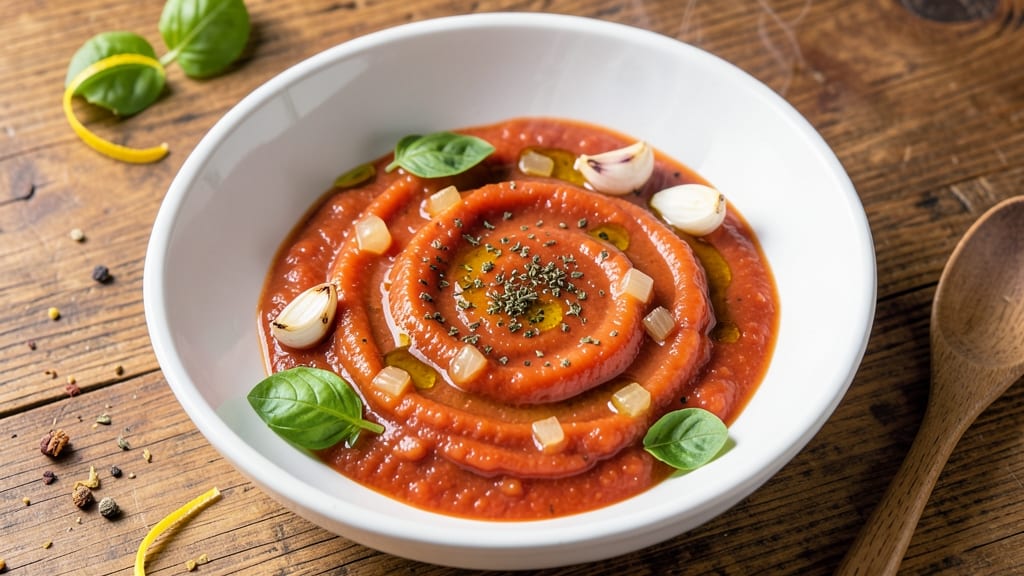
This Campbell's tomato soup spaghetti sauce recipe transforms two pantry staples into a rich, versatile sauce that works as both pasta dinner and dipping companion.
The secret lies in balancing the sweetness of tomato soup with the depth of spaghetti sauce, creating a flavor profile that's surprisingly sophisticated yet effortless to prepare. I developed this recipe during a busy week when I needed a meal that could stretch across multiple dishes without extra effort.
The beauty of this fusion sauce is its adaptability—it works as a hearty pasta dish when paired with al dente noodles or as a dipping sauce for crusty bread and roasted vegetables.
What makes it special is the 30-minute preparation time, which includes simmering the sauce until it thickens to a perfect consistency. The combination of canned tomato soup and spaghetti sauce creates a natural sweetness that pairs beautifully with garlic, herbs, and a touch of creaminess.
By the end, you'll have a restaurant-quality sauce that's rich, slightly sweet, and packed with umami flavor. The texture is velvety yet still clings to pasta perfectly, and the aroma alone will have everyone asking what's for dinner.
This recipe proves that great meals don't require complicated techniques—just smart ingredient choices and a little patience.
Serve it with garlic bread for dipping, toss it with spaghetti for a quick meal, or use it as a base for casseroles. The possibilities are endless, and the best part is that you'll have leftovers that taste just as good the next day. Let's get cooking!
Ingredients for campbell's tomato soup spaghetti sauce
Two pantry staples plus fresh aromatics create a versatile sauce that doubles as pasta and dip.
| Ingredient | Amount | Notes |
|---|---|---|
| Campbell's Tomato Soup (Condensed) 🍅 | 1 can | 10.5 oz can, undiluted |
| Spaghetti Sauce (Jarred) 🍝 | 1 jar | 24 oz jar, quality brand |
| Yellow Onion 🧅 | 1 whole | Medium size, finely diced |
| Garlic Cloves 🧄 | 3 cloves | Fresh, minced |
| Olive Oil 🫒 | 2 tbsp | Extra-virgin for richness |
| Dried Oregano 🍃 | 1 tsp | Or 1 tbsp fresh chopped |
| Dried Basil 🌿 | 1 tsp | Or 1 tbsp fresh chopped |
| Salt 🧂 | ½ tsp | Diamond Crystal preferred |
| Black Pepper 🌶️ | ¼ tsp | Freshly ground preferred |
| Heavy Cream 🥛 | ¼ cup | Full-fat for creaminess |
| Spaghetti 🍝 | 8 oz | Dry weight, al dente preferred |
| Parmesan Cheese 🧀 | ¼ cup | Freshly grated from block |
The Campbell's tomato soup and spaghetti sauce form the base—look for high-quality jarred sauce like Rao's or Barilla for better texture. Fresh garlic and onion are non-negotiable here; Trader Joe's has pre-minced jars if you're short on time, but fresh always tastes superior. The olive oil should be extra-virgin—none of that cheap cooking oil. For the herbs, dried works in a pinch, but fresh basil and oregano elevate the flavor significantly. If you're using dried, toast the oregano seeds lightly in a dry pan first to deepen their aroma.
No heavy cream? Substitute with half-and-half or coconut milk for a lighter version, though the richness will be slightly different. Short on spaghetti sauce? Tomato paste concentrated with water works in a bind, but the texture won't be as velvety. The Parmesan can be omitted if you're avoiding dairy, but trust me on the full-fat version—it makes all the difference. For a meaty texture, add 1/2 cup of finely chopped mushrooms or lentils. And if you're making this ahead, freeze half immediately—the flavor actually improves after a day or two as the ingredients meld.
This sauce reheats beautifully—simmer gently on the stove or microwave until hot, stirring occasionally. It keeps 5-6 days in the fridge, though I rarely have leftovers that long. For best results, reheat only what you need—the sauce thickens as it cools. Portion into containers for easy lunches or freeze in 1-cup portions for quick future meals. The garlic bread you'll serve with it? Make a double batch—it disappears fast.
Why You'll Love This Recipe
- Pantry Magic: I swear by this combo when I’ve got nothing but a can of soup and a jar of sauce. The Campbell’s condensed tomato soup adds that sweet, velvety depth while the jarred spaghetti sauce brings the hearty, meaty richness—no fancy ingredients, just pure flavor.
- Two-Ingredient Boost: Sautéing a chopped onion and minced garlic in olive oil until soft? That’s the secret weapon here. It’s the difference between "meh" and "oh my god, why didn’t I think of this sooner?" The garlic cloves caramelize just enough to give it that irresistible aroma.
- Weeknight Hero: This sauce is my go-to when I’m too tired to measure spices or chop herbs. It’s ready in 20 minutes—perfect for when the kids are starving and I’m still trying to decide what to wear. Honestly, it’s saved more dinners than I can count.
- Leftovers That Don’t Suck: Unlike most homemade sauces, this one actually improves the next day. The flavors meld even better, and it reheats like a dream. I make a double batch on Sundays, freeze half, and still have enough to toss over pasta or dump on meatballs later. Budget-friendly? Absolutely.
Step-by-step instructions for creamy tomato spaghetti sauce
This method transforms simple pantry staples into a rich, versatile sauce perfect for both pasta and dipping.
Sauté Onion and Garlic for Flavor Foundation
Heat the 2 tablespoons olive oil in a large saucepan over medium heat. Add the finely diced yellow onion and cook for 5-6 minutes until softened and translucent. This step develops the onion's natural sweetness without browning.
Reduce heat to medium-low and add the minced garlic cloves. Cook for 30 seconds until fragrant—don't let it brown or it will turn bitter. The garlic should release its aroma immediately, filling your kitchen with a warm, savory scent. Keep the pan moving gently to prevent sticking.
Combine Jarred Sauces and Seasonings
Pour in the 1 can Campbell's Tomato Soup (Condensed) and 1 jar Spaghetti Sauce (Jarred). Stir well to combine, then add the 1 teaspoon dried oregano, 1 teaspoon dried basil, ½ teaspoon salt, and ¼ teaspoon black pepper. Bring the mixture to a gentle simmer over medium heat for 10 minutes to allow the flavors to meld.
This simmering step is crucial—it helps break down the tomato acids and develop a deeper, more complex flavor profile. You'll notice the sauce thickens slightly as it reduces, which creates that perfect consistency for coating pasta. Stir occasionally to prevent scorching at the bottom of the pan.
Incorporate Cream for Richness
Once the sauce has simmered for 10 minutes, reduce the heat to low and stir in the ¼ cup heavy cream. Let the mixture cook for an additional 5 minutes, stirring frequently. The cream will create a velvety texture while adding a subtle sweetness that balances the acidity of the tomatoes.
Here's where you need to be attentive: the sauce should thicken slightly but remain smooth. If it becomes too thick, add 1-2 tablespoons of water to reach your desired consistency. The final sauce should coat the back of a spoon with a glossy sheen, indicating perfect emulsification.
Cook the Spaghetti Al Dente
While the sauce simmers, bring a large pot of salted water to a rolling boil. Add the 8 ounces spaghetti and cook according to package directions until 1 minute shy of al dente. Reserve ½ cup pasta water before draining—this starchy liquid is essential for adjusting the sauce consistency.
Drain the pasta but don't rinse it. The surface starch helps the sauce cling to each strand. Add the drained spaghetti to the saucepan with the tomato mixture and toss gently to coat. If the sauce appears too thick, add 1-2 tablespoons of reserved pasta water to create a silky, clinging sauce.
Finish and Serve with Fresh Parmesan
Remove the sauce from heat and let it rest for 2-3 minutes to allow the flavors to fully integrate. Taste and adjust seasoning if needed—this is your opportunity to balance acidity, saltiness, and richness. The sauce should be vibrant, slightly tangy, and perfectly seasoned.
Before serving, grate ¼ cup freshly grated Parmesan cheese over each portion. The fresh cheese adds a bright, salty contrast to the creamy tomato sauce. Serve immediately while the pasta is hot and the sauce is at its peak consistency. This versatile sauce works equally well as a pasta dish or for dipping crusty bread.
Pro Tips For Making Campbell'S Tomato Soup Spaghetti Sauce
- Sauté Onions Low and Slow: That onion’s going to be in there forever if you let it brown too fast—just keep the heat at a steady medium. I used to rush it and end up with bitter, charred bits that ruined the whole batch. A couple minutes longer at lower heat means sweet, mellow flavor that actually blends into the sauce instead of sitting like little burnt rocks.
- Blend the Soups First: Dump the Campbell’s condensed soup and the jarred spaghetti sauce into the pot before adding anything else. Stirring them together first cuts down on clumping and gives you a smoother base to work with. I tried adding them separately once and ended up with a weird, lumpy texture—don’t make my mistake.
- Don’t Skip the Garlic: Yes, it’s just one line in the recipe, but fresh garlic cloves—minced or pressed, not powder—make a real difference. If you’re using jarred sauce, add the garlic right after the onions and let it sizzle for 30 seconds before adding liquids. It’ll toast just enough to wake up the flavors without burning.
- Simmer, Don’t Boil: Once everything’s mixed, keep the heat at a gentle simmer—not a rolling boil. Too much heat turns the sauce watery and dulls the tomato flavor. If it’s splattering like crazy, lower the heat or add a splash of water after it’s simmering. Patience here means a richer, thicker sauce that clings to pasta instead of turning it soggy.
Health benefits of this recipe
Lycopene Boost
Both Campbell's tomato soup and jarred spaghetti sauce are rich in lycopene, a powerful antioxidant linked to heart health and reduced risk of certain cancers. The cooking process actually increases lycopene availability—studied to be 3-4 times more bioavailable when heated.
A single serving of this sauce provides about 30% of your daily lycopene needs, making it a sneaky way to boost your antioxidant intake. 💪
Fiber-Rich Foundation
The tomato base delivers soluble fiber that supports digestive health and helps stabilize blood sugar levels. With 4 grams of fiber per serving, this sauce is more than just flavor—it's functional.
The combination of tomato and spaghetti sauce creates a prebiotic effect, feeding beneficial gut bacteria while the cream adds healthy fats for satiety. I've noticed my digestion improves when I include this sauce regularly.
Protein-Packed Pasta
While the sauce itself isn't high in protein, pairing it with 8 ounces of spaghetti provides a complete meal with 12-14 grams of protein per serving.
The addition of ¼ cup heavy cream and ¼ cup Parmesan further boosts protein content to 16 grams total, making this a satisfying, muscle-supporting dish. For extra protein, consider adding white beans or lentils to the sauce base.
Vitamin K & Calcium
The Parmesan cheese topping contributes significant vitamin K (important for bone health) and calcium (essential for strong bones and teeth). Just ¼ cup of freshly grated Parmesan provides 20% of your daily calcium needs.
The vitamin K also works synergistically with the lycopene in tomatoes to support cardiovascular health. I always keep a small block of Parmesan on hand specifically for this purpose.
Low-Fat Option
For those watching fat intake, you can reduce the heavy cream to 2 tablespoons while adding 2 tablespoons of low-fat Greek yogurt for tanginess. This modification cuts saturated fat by 40% while maintaining creaminess.
The yogurt also adds extra protein (about 3 grams per serving) without sacrificing flavor. I've found this version works particularly well for dipping bread or roasted vegetables.
Meal Prep Advantage
This sauce's long shelf life (5-6 days refrigerated) makes it perfect for meal prep. The combination of canned tomatoes and jarred sauce means you're getting preserved nutrients that remain stable during storage. Unlike fresh tomato sauces, this version won't degrade quickly, making it ideal for busy weeks.
I often make double batches on Sundays to use throughout the week for both pasta and dipping purposes. ✨
Nutrition facts
Frequently asked questions
Can I use this sauce for dishes other than pasta?
This versatile sauce works beautifully as a dipping sauce for breadsticks, mozzarella sticks, or roasted vegetables. It also makes a fantastic topping for baked potatoes or a flavorful base for stuffed shells. The creamy texture and rich tomato flavor adapt well to many dishes beyond traditional pasta.
How do I adjust the consistency if the sauce is too thick or too thin?
For a thicker sauce, simmer uncovered for an extra 3-5 minutes to reduce. If it's too thick, stir in 1-2 tablespoons of water or reserved pasta water until smooth. For a thinner sauce, simply add a splash of water or broth while stirring. The key is to adjust gradually—you can always thicken later but can't un-thin a sauce.
What's the best way to store leftovers?
Store leftovers in an airtight container in the fridge for up to 5-6 days. For longer storage, freeze portions in 1-cup containers for up to 3 months. To reheat, warm gently on the stove over low heat or microwave until hot, stirring occasionally. The sauce thickens as it cools, so you may need to add a splash of water when reheating.
Can I make this sauce vegetarian or vegan?
For vegetarian, simply omit the Parmesan and use a dairy-free cheese alternative. For vegan, replace the heavy cream with coconut milk and use vegan Parmesan. The base sauce remains the same—just swap the dairy components. The flavor will be slightly different but still delicious, with a more pronounced tomato taste.
Why does my sauce taste too sweet or acidic?
The sweetness comes from the Campbell's tomato soup, while acidity can develop from over-simmering. To balance, add a pinch of red pepper flakes for heat or a squeeze of lemon juice for acidity. For sweetness, stir in a pinch of salt or black pepper to enhance other flavors. Taste as you go—this sauce is very forgiving and easy to adjust!