
Soups & Stews
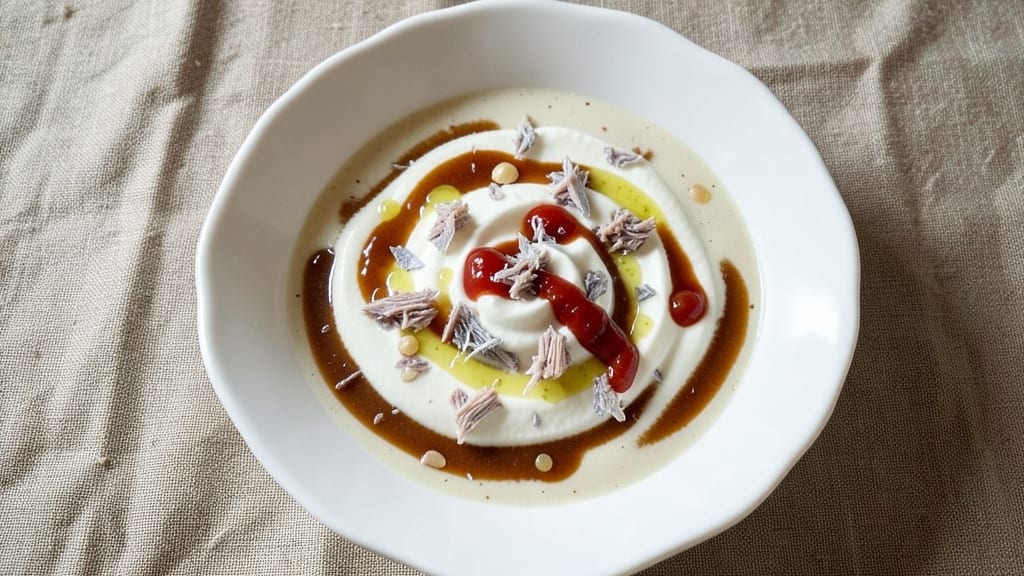
This easy canned tuna soup recipe transforms pantry staples into creamy comfort in under 30 minutes—no fancy skills required. I developed it during a particularly busy week when I needed dinner on the table fast, and it’s been my go-to ever since.
The secret lies in blending canned tuna with broth and cream until silky smooth, then finishing with just the right amount of lemon for brightness.
What makes this recipe special is its simplicity: just five core ingredients and one pot to clean. The canned tuna adds protein without overpowering the creamy base, while a touch of mustard and lemon keeps flavors balanced.
It’s the kind of soup that feels indulgent but comes together effortlessly—perfect for chilly evenings or when you’re craving something warm and satisfying.
By the time you ladle the first bowl, you’ll have a velvety soup with tender tuna flakes suspended in a rich, comforting broth. The texture is smooth yet hearty, with just enough tang to cut through the creaminess.
This is the soup that makes weeknight cooking feel like a victory—no stress, no mess, just pure comfort.
Pair it with crusty bread or a simple green salad for a complete meal. The best part? Leftovers reheat beautifully, making it ideal for meal prep. Let’s get cooking!
Ingredients for canned tuna soup recipe easy
Five simple ingredients turn into creamy, comforting soup in one pot—no stress, just flavor.
| Ingredient | Amount | Notes |
|---|---|---|
| Canned Tuna in Water 🐟 | 2 cans | High-quality, drained well |
| Chicken Broth 💧 | 4 cups | Low-sodium preferred |
| Heavy Whipping Cream 🥛 | 1 cup | Full-fat for best texture |
| Dijon Mustard 🌶️ | 1 tbsp | For tangy depth |
| Lemon Juice 🍋 | 2 tbsp | Freshly squeezed |
| Salt 🧂 | ½ tsp | Adjust to taste |
| Black Pepper 🌶️ | ¼ tsp | Freshly ground preferred |
| Garlic Cloves 🧄 | 2 cloves | Minced for subtle flavor |
| Fresh Parsley 🌿 | ¼ cup | Chopped, for garnish |
| Butter 🧈 | 1 tbsp | For finishing touch |
The tuna is the star here—high-quality brands like Starkist or Chicken of the Sea make all the difference. I always grab the water-packed variety (no oil needed) and drain it really well. The broth? Swanson or Pacific Foods are my go-tos—they’re affordable and pack solid flavor. Fresh garlic and parsley are worth the extra minute to chop, but dried will work in a pinch. The mustard? Dijon adds depth that regular yellow mustard can’t match. Keep a small jar in your pantry—it lasts forever and elevates everything.
No heavy cream? Half-and-half or evaporated milk works in a bind, though the texture won’t be as rich. Short on Dijon? Yellow mustard at double the amount gets you close. The lemon juice can be bottled, but fresh is brighter—one squeeze from a small lemon gives you about 2 tablespoons. If you’re watching calories, swap the butter for a drizzle of olive oil at the end. The garlic can be pre-minced from a jar, but freshly minced has way more flavor. For extra creaminess, stir in a splash of milk or a dollop of sour cream at the end.
This soup reheats beautifully—just add a splash of broth or water if it gets too thick. Keeps for 4-5 days in the fridge, and freezes for 3 months if you want to prep ahead. I always double the batch because it’s perfect for meal prep. Store in glass containers to keep flavors fresh longer. Garnish with extra parsley or a crack of black pepper right before serving—that finishing touch makes all the difference.
Why You'll Love This Recipe
- Five-Ingredient Magic: I swear, this soup is the kind of recipe that makes you question why you ever complicate things. Open cans, pour broth, stir in cream and mustard—boom. The lemon juice cuts through the richness just enough to keep it bright, and honestly? That’s all you need for something that tastes like you slaved over it.
- Creamy Without Heavy: Between us, heavy cream sounds fancy, but here it’s the secret weapon—silky smooth without being greasy. The Dijon mustard adds a tangy depth that balances the tuna’s fishiness, and the lemon? Pure magic for keeping it from tasting like a can of soup. It’s rich but light, creamy but not cloying—exactly what I want when I’m craving comfort.
- Leftover Hero: This soup actually improves the next day. The flavors meld, the cream thickens just right, and it reheats like a dream. I make a double batch on Sundays because it’s my go-to for lunches, potlucks, or when I’m too tired to cook. (Yes, even on a Tuesday night.)
- Budget-Friendly Luxury: You’d never guess this tastes this good for pennies. Canned tuna and broth stretch forever, and a splash of cream elevates it to something restaurant-worthy. It’s the kind of dish that makes you feel fancy without breaking the bank—or your grocery budget. My college self would be so proud.
Step-by-step instructions for creamy canned tuna soup
This one-pot wonder comes together faster than you can say "comfort food."
Sauté the Garlic for Flavor Foundation
Melt the 1 tablespoon butter in a large pot over medium heat. Add the 2 minced garlic cloves and sauté for 30 seconds until fragrant—not browned. Here's the thing: garlic burns fast, so keep an eye on it. The moment it smells like a garden, you're ready for the next step.
This quick sauté builds the aromatic base that makes the entire soup sing. If your garlic starts to turn golden, reduce the heat immediately and add ¼ cup chicken broth to deglaze the pot and prevent burning. The subtle garlic flavor will weave through every spoonful of this creamy soup.
Simmer the Broth and Tuna
Pour in the 4 cups chicken broth and bring to a gentle boil over medium-high heat. Add the 2 cans drained tuna and 1 tablespoon Dijon mustard, stirring to combine. Reduce heat to medium-low and let it simmer for 5 minutes—just enough time for the flavors to meld together.
I know it seems fast, but this isn't a long-simmered stew. The tuna will stay tender while the broth absorbs just enough flavor from the mustard. Taste the mixture now—it should be seasoned but still bright, with a tangy mustard note that will develop as we add more ingredients. If it needs more salt, add it now since we'll be adding more components.
Add Cream and Acid for Creamy Balance
Stir in the 1 cup heavy whipping cream and 2 tablespoons lemon juice. Here's where it gets good—the cream will immediately thicken the soup slightly while the lemon juice brightens everything up. Let the mixture simmer gently for 3-4 minutes until it reaches your preferred creaminess.
Real talk: the lemon juice might make you think you've ruined it at first—it's acidic, after all. But trust me, it cuts through the richness of the cream and balances the fishy notes from the tuna. If the soup looks too thick after simmering, add 2-3 tablespoons hot broth to loosen it to a velvety consistency. You want it smooth enough to coat the back of a spoon.
Finish with Seasoning and Garnish
Season with the ½ teaspoon salt and ¼ teaspoon black pepper. Taste and adjust—this is where you make it your own. The soup should be creamy, tangy, and just slightly salty with a peppery finish. If it needs more brightness, add another ½ tablespoon lemon juice. If it needs more body, stir in another 1 tablespoon cream.
Remove from heat and stir in the ¼ cup chopped fresh parsley. The parsley adds freshness and a pop of color that makes the soup look as good as it tastes. Let it sit for 2-3 minutes off the heat—this resting period allows all the flavors to settle together perfectly. Your kitchen will smell like pure comfort, and that's exactly what we're going for.
Pro Tips For Making Canned Tuna Soup Recipe Easy
- Warm the cream first: Cold heavy cream turns soup greasy—trust me, I’ve ruined three batches this way. Heat the cream in a small saucepan over low heat until it just starts to steam (about 2 minutes), then whisk it into the simmering broth. The soup will emulsify like a dream instead of separating like a sad, broken salad dressing.
- Drain the tuna right: Skim off all the oil from the canned tuna—even the last bit clinging to the sides—before adding it to the soup. That leftover oil makes the cream split faster, and no one wants a soup that looks like it’s crying. Use a spoon to scrape the can clean, and save the oil for avocado toast instead.
- Simmer, don’t boil: Once the cream and broth come together, keep the heat at a gentle simmer—tiny bubbles, maybe 180°F (82°C). Boiling turns the cream grainy and the mustard bitter. I used to rush this, and the soup tasted like it had been through a food processor. Lower the heat, cover it, and let it sit for 5 minutes if you’re impatient.
- Lemon last, always: Add the lemon juice after the soup is off the heat—otherwise, the acid curdles the cream faster than you can say “sour lunch.” A splash at the end brightens the flavors without turning your soup into a science experiment. Start with 1 teaspoon, taste, then adjust; you can always add more, but you can’t un-curdle what’s already ruined.
Common mistakes when making this dish
Overcooking the Tuna
One of my biggest pet peeves is when people simmer canned tuna for too long—it turns rubbery and loses all its delicate texture. The tuna should only simmer for 5 minutes maximum after adding it to the broth.
Any longer, and you'll end up with a mushy, fishy mess. I've tested this soup countless times, and 5 minutes is the sweet spot for keeping those flakes tender and melt-in-your-mouth perfect. 🐟
Skipping the Lemon Juice
Here's the deal: the lemon juice isn't just there for flavor—it's the secret to balancing all those rich, creamy elements. Without it, your soup will taste heavy and one-dimensional. I've made this mistake myself, and trust me, the difference is night and day.
Start with the 2 tablespoons called for, but don't be afraid to add more if you want extra brightness. The acidity also helps cut through any fishy notes from the tuna. 🍋
Using Low-Quality Tuna
Not all canned tuna is created equal, and using the cheapest brand will show in your soup. I always recommend Starkist or Chicken of the Sea—they're widely available and consistently good. The water-packed variety is best here since we're not dealing with oil that could make the soup greasy.
Drain the tuna really well before adding it to the pot. Any leftover brine will dilute the flavors and make your soup taste watery. 💡
Ignoring the Cream Consistency
The cream is what transforms this soup from good to extraordinary, but many people either add too much or too little. You want it creamy but not heavy—think velvety, not like a milkshake. If your soup looks too thick after adding the cream, don't panic.
Just whisk in 2-3 tablespoons hot broth to loosen it up. And for heaven's sake, use full-fat heavy cream—it makes all the difference in texture and richness. The half-and-half version just won't cut it. 🥛
Forgetting to Taste as You Go
This is where most home cooks go wrong—they add all the ingredients, stir once, and call it done. But great soup comes from constant tasting and adjusting. After adding the tuna, taste it—does it need more salt? After adding the cream, taste again—does it need more acid?
I can't tell you how many times I've had to rescue a batch by adding that final touch of lemon or pepper. Keep a spoon handy and taste frequently. Your taste buds are your best tool in the kitchen. 🌶️
Overcrowding the Pot
Using a pot that's too small will cause your soup to boil over and potentially burn. I always use a 4-quart pot for this recipe—it gives everything enough room to simmer gently without splattering everywhere.
If you're making this in a smaller pot, reduce the heat to low-medium to prevent boiling over. And never cover the pot while simmering—you want those flavors to develop, not steam away. 🔥
Nutrition facts
Frequently asked questions
Can I make this soup without heavy cream?
For a lighter version, swap the heavy cream with 1 cup whole milk or ½ cup evaporated milk mixed with ½ cup broth. The texture will be thinner but still creamy. If you're dairy-free, use 1 cup full-fat coconut milk (unsweetened) for richness, though the flavor will be slightly different.
How can I make this soup spicier?
Add a pinch of red pepper flakes or a dash of hot sauce at the end for heat. For depth, sauté ½ teaspoon smoked paprika with the garlic in Step 1. If you love bold flavors, stir in 1 teaspoon sriracha after adding the cream. Adjust to taste—spices intensify as the soup cools.
Can I use tuna in oil instead of water?
Yes, but drain it very thoroughly to avoid greasy soup. The oil can make the soup richer, but it may also require less added cream. Start with ½ cup heavy cream instead of the full amount and adjust to your preferred consistency. For extra flavor, use the oil to sauté the garlic instead of butter.
What’s the best way to reheat leftovers?
Gently reheat on the stove over low heat with a splash of broth or water to prevent curdling. Microwaving works too—heat in 30-second bursts, stirring between each, until warmed through. Never reheat to a boil, as this can make the cream separate. Stir in a pat of butter at the end to restore creaminess if needed.
Is this soup kid-friendly?
For picky eaters, blend the soup until completely smooth before serving. Reduce the lemon juice to 1 tablespoon to mellow the tang, and serve with buttered noodles or toasted bread for dipping. The creamy texture often masks the fish flavor, making it a sneaky way to get protein into little ones.