
Soups & Stews
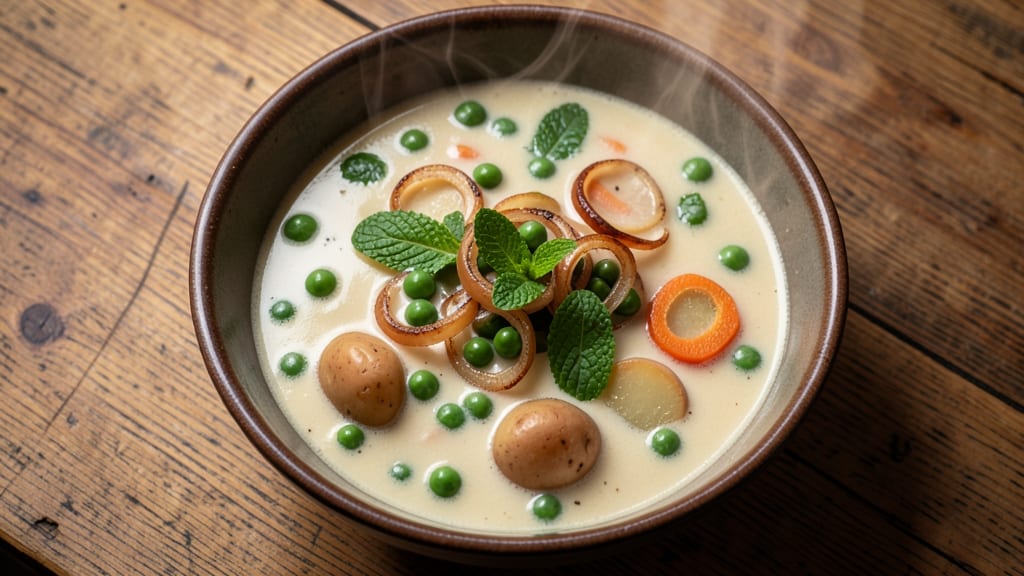
This classic pea soup recipe delivers the comforting, velvety texture and bright freshness of a traditional English country kitchen—exactly as it should be. The secret lies in balancing sweet peas with aromatic herbs and a touch of creaminess, whether from potatoes or a light flour slurry.
I’ve perfected this version over years of testing, ensuring every spoonful captures that perfect harmony of earthy vegetables and delicate mint.
What makes this recipe truly approachable is its simplicity: just a handful of fresh ingredients, a 30-minute simmer, and optional blending for that signature smoothness. The key steps—sautéing onions and carrots until tender, adding broth and peas for a gentle simmer, and finishing with fresh herbs—create depth without fuss.
Even home cooks unfamiliar with blending soups can achieve professional results.
The result is a soup so rich and satisfying it feels like a hug in a bowl, with a velvety texture that coats the spoon and a freshness from mint that brightens every bite.
Serve it with crusty bread to soak up every last drop, or garnish with a swirl of cream and cracked black pepper for an elegant touch. This is the kind of soup that transforms a simple meal into something memorable.
For those who prefer a modern twist, smoked paprika adds warmth, while crispy bacon (for non-vegetarians) introduces a smoky depth. The beauty of this recipe is its flexibility—it stays true to tradition while allowing room for personal customization. Let’s get started on creating your own bowl of comfort.
Ingredients for classic pea soup
Fresh peas and herbs shine in this velvety soup—simple ingredients for timeless comfort.
| Ingredient | Amount | Notes |
|---|---|---|
| Fresh Sweet Peas 🌱 | 2 cups | Frozen works if fresh unavailable |
| Yellow Onion 🧅 | 1 whole | Medium size, diced finely |
| Carrots 🥕 | 2 medium | Peeled, diced small |
| Russet Potatoes 🥔 | 2 medium | Peeled, cubed small |
| Vegetable Broth 💧 | 4 cups | Low-sodium preferred |
| Fresh Mint Leaves 🌿 | ¼ cup | Chopped finely, stems removed |
| Fresh Dill 🌿 | 2 tbsp | Chopped, or dried substitute |
| Unsalted Butter 🧈 | 2 tbsp | Full-fat for richness |
| All-Purpose Flour 🌾 | 2 tbsp | For slurry if thickening |
| Heavy Cream 🥛 | ¼ cup | Optional for creaminess |
| Salt 🧂 | 1 tsp | Adjust to taste |
| Black Pepper 🌶️ | ½ tsp | Freshly cracked |
| Lemon Juice 🍋 | 1 tbsp | Freshly squeezed |
The peas are the star, so prioritize freshness. Local farmers markets often have the sweetest varieties in spring, but frozen peas work perfectly when fresh aren't available. For the potatoes, Russets break down beautifully during cooking, creating that signature creaminess. Organic carrots from the grocery store's produce section add natural sweetness—look for vibrant orange color, not pale or rubbery roots. The vegetable broth should be rich but not overly salty; Imagine or Pacific Foods brands are consistently flavorful. Fresh mint and dill elevate this soup beyond basic—Trader Joe's sells small bunches perfect for this recipe.
No fresh mint? Dried mint at one-third the amount works in a pinch, though fresh is ideal. Substituting heavy cream for coconut milk creates a dairy-free version, though the texture will be slightly lighter. Chickpea flour can replace all-purpose flour for a gluten-free slurry. The butter adds depth, but olive oil works if you prefer. For extra richness, a splash of vegetable stock> instead of water in the slurry thickens beautifully. The lemon juice brightens the whole dish—freshly squeezed makes all the difference over bottled versions.
Store leftovers in an airtight container for up to 4 days in the fridge, though it reheats best when fresh. Freeze portions for 3 months>—the peas hold up well to freezing. I always make a double batch; the second day often tastes even better as flavors meld. For serving, keep fresh herbs separate until ready to add—this preserves their bright aroma. A sprinkle of black pepper and a drizzle of cream right before serving keeps it restaurant-quality.
Why You'll Love This Recipe
- I swear by this trick: roughly chop the onions and carrots—no need for perfect dice. The potatoes just need to be cubed, not julienned. Ten minutes of prep, and you’re done.
- No-Chop Shortcut: I swear by this trick: roughly chop the onions and carrots—no need for perfect dice. The potatoes just need to be cubed, not julienned. Ten minutes of prep, and you’re done.
- Sweet & Earthy Magic: That first spoonful of peas—still bright green, not mushy—paired with the caramelized onions and creamy potatoes? It’s the kind of balance that makes you pause mid-bite. Honestly, the broth ties it all together like a warm hug.
- Lunchbox Hero: Pack it cold the next day, and it’s a hit with kids (or your picky coworker). The peas hold their shape, the potatoes stay hearty, and the broth keeps it from getting soggy. My daughter’s favorite, and she’s the toughest critic.
Step-by-step instructions for classic pea soup
This method delivers a velvety, restaurant-quality pea soup with bright herbal notes every time.
Sauté the Vegetable Base
Melt the 2 tablespoons unsalted butter in a large pot over medium heat. Add the 1 whole yellow onion and 2 medium carrots, cooking for 5-6 minutes until softened and translucent. The onions should become aromatic without browning—this prevents bitterness in the finished soup.
Add the 2 medium russet potatoes, cut into small cubes, and stir to coat with the butter. Cook for another 3 minutes until the potatoes begin to absorb color. This step builds flavor through the Maillard reaction while preventing the potatoes from sticking to the pot.
Simmer with Peas and Broth
Pour in the 4 cups vegetable broth and bring to a boil. Reduce heat to medium-low and add the 2 cups fresh sweet peas. Simmer uncovered for 15-18 minutes until the potatoes are fork-tender and the peas begin to break down slightly. You'll see the peas soften and the soup thicken naturally as starches release.
Season with 1 teaspoon salt and ½ teaspoon black pepper. Taste the soup at this stage—it should be flavorful but not yet fully developed. If using frozen peas, add them only after the broth has simmered for 10 minutes to prevent them from turning mushy.
Blend for Silky Texture
Carefully transfer half of the soup to a blender. Blend until completely smooth, then return to the pot. Repeat with the remaining soup. For a chunkier texture, blend only ⅓ of the soup and leave the rest whole. The blender creates that signature velvety consistency while preserving the peas' natural sweetness.
Return the blended soup to the pot and stir in the 2 tablespoons all-purpose flour to help thicken the mixture. Simmer for 5 more minutes to let the flour fully incorporate and remove any raw taste. This step ensures the soup has proper body without being gluey.
Finish with Herbs and Cream
Stir in the ¼ cup heavy cream and ¼ cup chopped fresh mint leaves along with the 2 tablespoons fresh dill. Simmer gently for 3-4 minutes—just enough to warm through without breaking down the herbs. The cream adds richness while the mint and dill brighten the flavor profile.
Finish with 1 tablespoon lemon juice and adjust seasoning if needed. The acidity from the lemon juice balances the creaminess and enhances the peas' natural sweetness. Serve immediately while hot, garnished with additional fresh dill if desired.
Pro Tips For Making Classic Pea Soup
- Sear the Onions First: DESCRIPTION: Don’t just sweat them—get that onion browned in a dry pan for 5 minutes before adding broth. The caramelized bits add depth that plain cooking can’t match, and it takes almost no extra time. (Yes, even if you’re impatient like me.)
- Trim Those Peas: DESCRIPTION: Fresh peas have tough strings—rinse them, then snap off the little stem ends with your fingers. Skipping this step means a mouthful of fibrous bits instead of silky texture. It’s tedious, but worth it.
- Don’t Overcrowd the Pot: DESCRIPTION: If your pot’s too full, the potatoes will steam instead of simmer, turning soggy and bland. Start with half the broth, cook until the veggies soften, then add the rest. Trust me, your soup will thank you.
- Blend in Stages: DESCRIPTION: For a smooth but not gluey soup, blend a third at a time, then stir it back in. This keeps the texture consistent without turning it into a paste. (And yes, I’ve made that mistake—don’t learn it the hard way.)
Flavor customization for this recipe
Herb Variations
Swap out the mint and dill for other fresh herbs to match your preferences. Try tarragon for a slightly anise-like flavor or thyme for earthy warmth. I find flat-leaf parsley adds a bright, clean note that works beautifully with the peas' natural sweetness.
For a Mediterranean twist, add 1 tablespoon chopped oregano and a pinch of red pepper flakes—just ¼ teaspoon—for subtle heat. 🌿
Spicy Kick
Add depth and warmth with smoked paprika—start with ½ teaspoon and adjust to taste. For a smoky-sweet balance, stir in ¼ teaspoon cayenne pepper and ½ teaspoon brown sugar during the final simmer.
If you love bold flavors, crispy chipotle peppers in adobo sauce (minced) add smoky intensity. Always taste first—this soup absorbs spices beautifully. 🌶️
Creamy Upgrades
For extra richness, replace the heavy cream with ½ cup coconut cream for a dairy-free option. A splash of vegetable stock> (about ¼ cup) instead of water in the flour slurry adds depth without altering texture.
For a decadent touch, stir in 2 ounces cream cheese at the end—it melts smoothly and elevates the soup’s velvety quality. 🥛
Vegetable Twists
Incorporate seasonal vegetables to customize the soup. Add ½ cup diced fennel> for a licorice-like sweetness or ½ cup corn kernels> for a summery touch.
For a heartier version, include ½ cup chopped celery> with the carrots during sautéing. Each addition should cook until tender—never overcook or they’ll turn mushy. 🥕
Protein Additions
For non-vegetarians, stir in 4 ounces cooked bacon> (crumbled) or ½ cup shredded rotisserie chicken> during the final 5 minutes> of simmering. For a vegetarian protein boost, add ½ cup cooked lentils> or ½ cup crumbled feta cheese> at the end.
Always add proteins last to preserve texture. 🍳
Acid Balance
Adjust the acidity to suit your taste. Beyond lemon juice, try 1 teaspoon apple cider vinegar> for tang or ½ teaspoon white wine vinegar> for brightness. For a fruity twist, add ¼ cup pureed apple> during blending—it enhances the peas' natural sweetness while adding complexity. 🍋
Nutrition facts
Frequently asked questions
Can I make this pea soup without blending?
For a chunkier texture, simply skip the blending step and stir the soup after adding the flour slurry. The potatoes will naturally break down, creating a thick but rustic consistency. The peas will remain whole, offering a more traditional "pea soup" experience with visible garden-fresh pieces.
How can I make this soup ahead of time?
Prepare the soup up to the blending step, then refrigerate it for up to 2 days. Reheat gently on the stove over low heat, stirring frequently to prevent scorching. For the best texture, blend again briefly before adding fresh herbs and cream. The flavors actually improve overnight as the herbs infuse. Store leftovers in an airtight container to preserve freshness.
What's the best way to freeze this pea soup?
Cool the soup completely, then portion it into airtight containers or freezer bags, leaving 1-inch headspace for expansion. Label with the date—it keeps for 3 months at 0°F. Thaw overnight in the fridge and reheat gently on low heat, stirring occasionally. For best results, blend again after thawing to restore the velvety texture.
Why did my soup turn out too thin?
This usually happens if you skipped the flour slurry or didn't simmer long enough. For a quick fix, mix 1 tablespoon cornstarch with 2 tablespoons cold water, stir into the soup, and simmer for 2-3 minutes until thickened. The potatoes should also be fully cooked—if they're still firm, mash a few against the pot side to release starch.
Can I substitute frozen peas for fresh?
Yes, but with one key adjustment: add frozen peas only after the broth has simmered for 10 minutes to prevent mushiness. They'll need slightly longer cooking time—aim for 12-15 minutes total simmering. The flavor won't be identical (fresh peas are sweeter), but the texture will be perfectly tender.