
Soups & Stews
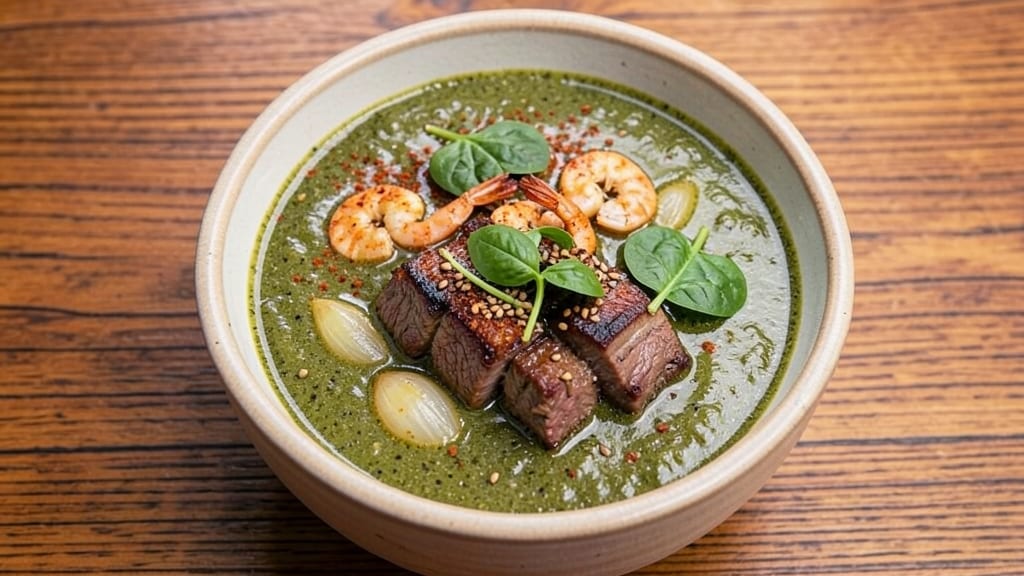
This egusi soup recipe transports you to West African kitchens where rich, nutty flavors create comfort in every spoonful. Standing on a step stool in my grandmother’s kitchen in Sicily taught me how heritage recipes become home—just like this one, which blends tradition with hearty satisfaction.
The deep, earthy taste of ground melon seeds transforms simple ingredients into a meal that feeds both body and soul.
The beauty of egusi soup lies in its simplicity: one pot, bold flavors, and endless adaptability. Whether you use beef, fish, or leafy greens, the key is slow cooking to let the broth develop its signature depth.
My version keeps the authentic process while making it accessible—no shortcuts that sacrifice that restaurant-quality richness you crave.
By the time you’re done, you’ll have a steaming bowl of velvety soup with tender protein and vibrant vegetables, all swimming in a sauce that’s rich yet balanced.
The aroma alone will have everyone gathering at the table, and the first bite delivers that perfect harmony of nutty, savory, and slightly spicy notes. This is the kind of dish that turns weeknights into celebrations.
Serve it with pounded yam, rice, or fufu for the full experience. The recipe scales effortlessly, so double it for guests or meal prep for the week. Let’s bring West African warmth to your kitchen—one pot at a time.
Ingredients for egusi soup
Sixteen ingredients—just enough to bring West African warmth to your kitchen.
| Ingredient | Amount | Notes |
|---|---|---|
| Ground Egusi Seeds 🥜 | 1 cup | Store-bought or freshly ground |
| Beef Chuck Roast 🥩 | 2 lb | Cut into 1-inch cubes |
| Smoked Paprika 🌶️ | 1 tbsp | For deep West African flavor |
| Ground Cumin 🌿 | 1 tsp | Toasted for warmth |
| Dried Shrimp 🦐 | ½ cup | Or fresh shrimp for freshness |
| Fresh Spinach 🌿 | 4 cups | Or ugu leaves if available |
| Onions 🧅 | 2 whole | Yellow or red, chopped |
| Garlic Cloves 🧄 | 6 cloves | Minced for aromatic base |
| Red Bell Pepper 🌶️ | 1 whole | Diced for color and crunch |
| Tomato Paste 🍅 | ½ cup | For rich, concentrated flavor |
| Vegetable Oil 🫒 | ½ cup | For sautéing |
| Salt 🧂 | 1 ½ tsp | Adjust to taste |
| Black Pepper 🌶️ | ½ tsp | Freshly ground |
| Locust Beans (Iru) 🌱 | ¼ cup | Optional for authentic taste |
| Fish Stock 🐟 | 4 cups | Or beef stock for variation |
The ground egusi seeds are the soul of this soup. African markets or specialty stores carry the best quality, but you can also find them online. If you're grinding your own, toast the seeds first for deeper flavor. The beef chuck roast is key—look for well-marbled cuts at your butcher or grocery store's meat counter. I always grab extra because it freezes beautifully. For the locust beans (iru), West African shops are your best bet, but if you can't find them, skip them—the soup will still be delicious. The dried shrimp adds umami depth, and Trader Joe's has a great brand that works perfectly.
No ground egusi? Pumpkin seeds or sunflower seeds can substitute in a pinch, though the flavor won't be identical. Fresh shrimp instead of dried? Use half the amount and cook it separately to avoid overcooking. The spinach can be swapped for kale or collard greens if you're out of spinach. For the fish stock, bouillon cubes work in a bind, but homemade stock is always better. The tomato paste is non-negotiable—it builds the rich base of the soup. If you're feeling adventurous, try adding a pinch of nutmeg or ginger for extra warmth. The bell pepper can be omitted if you prefer a milder soup.
This soup tastes even better the next day—plan ahead if you're making it for a crowd. Store leftovers in the fridge for up to 5 days, or freeze portions for 3 months. I always make a double batch because it reheats beautifully and makes lunches for the week. The egusi seeds can be toasted and stored in an airtight container for up to 6 months. The dried shrimp keeps indefinitely in a cool, dry place. When reheating, add a splash of water or stock to keep the soup from thickening too much.
Why You'll Love This Recipe
- One-Pot Magic: I swear by this recipe—just toss everything into a pot, simmer, and walk away. No fancy prep, no last-minute scrambling. The ground egusi seeds release their nutty goodness while you’re busy with whatever (yes, even folding laundry).
- Smoky Depth Bomb: That smoked paprika and cumin? They turn this soup into a flavor powerhouse. The beef melts into tender shreds, and the dried shrimp add this briny punch that makes every spoonful ridiculously satisfying.
- Weeknight Workhorse: Serve it with pounded yam for a Sunday feast or over rice for a quick weeknight dinner. Honestly, it’s my go-to when I need something hearty but still feels special—no stress, just good food.
- Budget-Friendly Feast: A single beef chuck roast stretches for days, and egusi seeds cost next to nothing. I’ve made this soup feed six people for under $20, and it’s still the star of the table. Leftovers? Even better the next day.
Step-by-step instructions for egusi soup recipe
This one-pot West African masterpiece builds flavor layer by layer—start with the base and work your way to richness.
Sauté the Aromatic Base
Heat the 0.5 cup vegetable oil in a large pot over medium heat. Add the 2 whole onions, chopped, and cook for 5 minutes until they soften and begin to turn translucent. This is where the foundation of your soup's flavor begins to develop.
Next, add the 6 cloves garlic cloves, minced, and the 1 whole red bell pepper, diced. Cook for another 3-4 minutes until the garlic becomes fragrant and the bell pepper softens slightly. The garlic should smell pungent—this is your cue that it's ready for the next step. Stir frequently to prevent burning, as garlic can go from aromatic to bitter quickly.
Brown the Beef and Add Spices
Push the vegetables to one side of the pot and add the 2 lb beef chuck roast, cut into 1-inch cubes. Let the beef brown for 5-7 minutes over medium-high heat, stirring occasionally. Browning the beef deeply enhances its flavor and ensures it doesn't turn out tough. You'll know it's ready when the edges are caramelized and the meat releases easily from the pot.
Once the beef is browned, sprinkle in the 1 tbsp smoked paprika and 1 tsp ground cumin. Stir well to coat the beef and vegetables evenly. The spices will infuse into the meat and vegetables, creating a warm, earthy backbone for the soup. Cook for another 1-2 minutes to toast the spices and release their aromas.
Build the Soup Base
Pour in the 0.5 cup tomato paste and stir to combine with the beef and vegetables. Cook for 2-3 minutes until the tomato paste darkens slightly and thickens. This step deepens the soup's color and adds a rich, concentrated flavor that balances the earthiness of the egusi.
Add the 0.5 cup dried shrimp and the 0.25 cup locust beans (iru). Stir well to distribute these ingredients evenly. The locust beans will soften and add a nutty, slightly bitter depth to the soup, while the dried shrimp will contribute a briny, umami punch. Let everything cook together for 3-4 minutes to meld the flavors.
Simmer with Fish Stock and Egusi
Pour in the 4 cups fish stock and bring the mixture to a boil. Once boiling, reduce the heat to low and let it simmer for 20 minutes. This slow simmer allows the beef to tenderize and the flavors to meld together. Skim off any foam that rises to the surface during this time to keep the soup clean.
After 20 minutes, stir in the 1 cup ground egusi seeds. The soup will thicken noticeably as the egusi absorbs the liquid and swells. Simmer for another 15-20 minutes, stirring occasionally to prevent the egusi from sticking to the bottom of the pot. The soup should have a thick, porridge-like consistency—this is the hallmark of a well-made egusi soup.
Finish with Spinach and Season
Add the 4 cups fresh spinach and stir gently to wilt. Cook for 2-3 minutes until the spinach is fully incorporated and bright green. The spinach adds a fresh, vibrant contrast to the rich, earthy flavors of the soup. If you're using ugu leaves, follow the same process—they'll wilt just as quickly.
Finally, season with the 1.5 tsp salt and 0.5 tsp black pepper. Taste and adjust the seasoning as needed—egusi soup should be rich but not overly salty. Let the soup sit off the heat for 5 minutes to allow the flavors to settle. Serve hot with pounded yam, eba, or your choice of starch to soak up every delicious spoonful.
Pro Tips For Making Egusi Soup
- TOAST THE EGUSI FIRST: I learned this the hard way—skipping the quick toast in a dry pan before adding liquid makes the soup taste raw and bitter. Just heat the ground egusi over medium for 2-3 minutes, stirring constantly, until it smells nutty and fragrant. That step removes the bitterness and builds flavor.
- CUT BEEF CHUCK SMALL: Thick chunks of beef chuck won’t tenderize properly in the soup’s simmering time. Aim for 1-inch cubes—small enough to cook through but large enough to stay intact. If you’re short on time, parboil the beef for 10 minutes before adding it to the pot to cut down on cooking time later.
- SOAK DRIED SHRIMP LONG: I used to toss the dried shrimp straight into the pot, and it always tasted fishy. Soak them in warm water for 20-30 minutes first, then rinse well. This removes excess salt and softens them so they blend into the soup instead of sitting like rubbery chunks.
- SIMMER LOW AND COVER: Egusi soup needs patience—don’t rush the simmer. Keep the heat at a gentle bubble (just tiny rises here and there) and cover the pot for the first 45 minutes. This keeps the beef tender and prevents the egusi from breaking down into a gluey mess. After that, you can uncover and let it reduce slightly for better texture.
Pro cooking tips for great egusi soup
Toast the Egusi
Before using ground egusi seeds, I swear by toasting them for 2-3 minutes in a dry skillet over medium heat. This step brings out their natural nuttiness and prevents a raw, bitter taste.
Listen for that delicate popping sound—when it stops, they're ready. Let them cool completely before grinding or using, or they'll release steam and burn your fingers. 🌶️
Low-and-Slow Simmering
Patience is key with egusi soup—the 30-40 minute simmer after adding the egusi transforms it from ordinary to extraordinary. Keep the heat at a gentle low boil and stir every 5 minutes to prevent sticking.
The soup should coat the back of a spoon but still move freely. I've seen beginners rush this step, and the result? A grainy, unappetizing mess.
Protein Timing Matters
Add your protein—whether beef, fish, or shrimp—early in the cooking process. The beef should simmer for at least 30 minutes before the egusi goes in, while fish or shrimp should be added in the last 10 minutes to avoid overcooking.
For extra tenderness, I sometimes add a 1-inch piece of ginger with the beef to help break down the meat fibers. 🥩
Balance the Flavors
The magic of egusi soup lies in its balance: nutty egusi, savory meat, briny shrimp, and fresh greens. Taste as you go! After adding spinach, adjust with ½ tsp salt or a pinch of nutmeg if the flavors need harmony.
My Nonna always said, "A spoonful of love is in every adjustment." The final product should sing with complexity, not dominate with any single ingredient.
Pot Selection
Use a heavy-bottomed pot like Le Creuset Dutch oven or All-Clad stainless steel to distribute heat evenly. I've burned egusi soup in thin pots when the bottom overheated—don't make my mistake!
A 6-8 quart pot gives enough room for the soup to develop without boiling over. And always leave 1 inch of headspace when adding liquids.
Fresh vs. Dried Shrimp
Dried shrimp adds incredible depth, but if using fresh, soak them in hot water for 10 minutes first to rehydrate. I prefer Trader Joe's jumbo shrimp for their sweetness, but any quality shrimp works.
For extra richness, reserve 2 tbsp of the shrimp soaking liquid and add it back at the end. The difference in flavor is night and day! 🦐
Nutrition facts
Frequently asked questions
What makes egusi soup different from other West African soups?
Egusi soup stands out because of its nutty, earthy base from ground melon seeds, giving it a unique texture and flavor profile. Unlike soups like jollof or groundnut, egusi creates a thick, porridge-like consistency that's both hearty and comforting. The combination of dried shrimp, leafy greens, and slow-cooked protein makes it a complete meal in one pot.
Can I substitute ground egusi seeds with something else?
While nothing replaces authentic egusi, you can use pumpkin seeds or sunflower seeds in a pinch. Toast and grind them first for a similar nutty flavor, though the texture will differ. For a closer match, blend 1 cup roasted peanuts (unsalted) with ½ cup water to create a paste, but expect a slightly sweeter taste. The key is achieving that rich, thick base.
How do I store leftover egusi soup?
Store leftovers in an airtight container in the fridge for up to 5 days or freeze for 3 months. When reheating, add a splash of water or stock to prevent thickening. The flavors actually improve overnight! For best results, reheat on low heat and stir frequently to maintain that velvety texture.
What's the best way to serve egusi soup?
Traditionally served with pounded yam, eba, or rice, egusi soup pairs perfectly with starchy sides that soak up the rich broth. For a modern twist, try it with garlic bread or crusty whole wheat rolls. The soup's heartiness makes it ideal for family meals or potlucks—just double the recipe to feed a crowd!
Why did my egusi soup turn out too thick?
This usually happens when the soup simmers too long after adding egusi or the pot wasn't large enough. The fix? Thin with warm water or stock (1-2 tbsp at a time) while stirring constantly. For future batches, use a 6-8 quart pot and leave 1 inch of headspace when adding liquids. The soup should coat the back of a spoon but still move freely.