
Soups & Stews
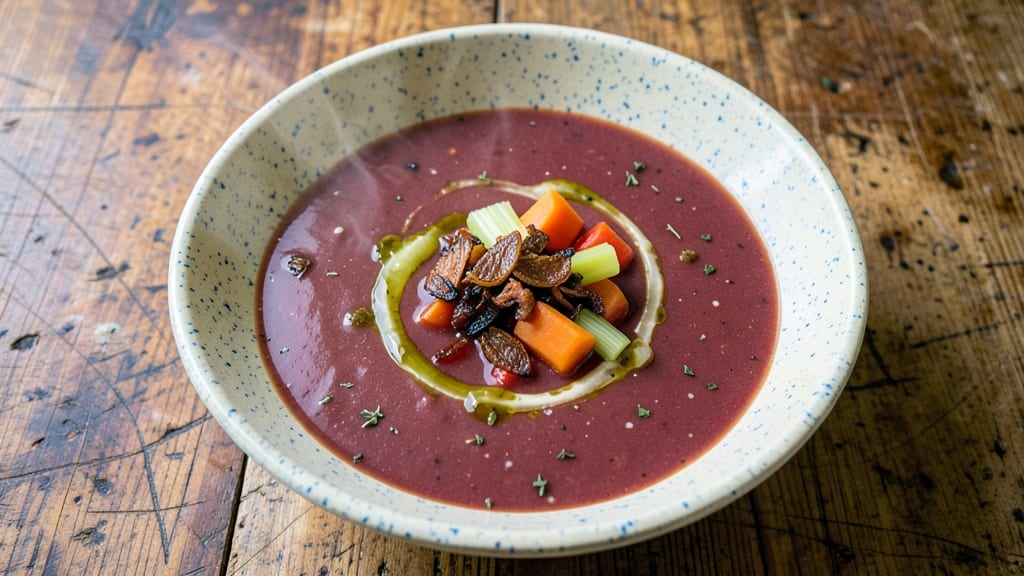
Home canned tomato soup transforms your pantry into a year-round source of restaurant-quality comfort—rich, velvety, and packed with deep umami flavor that develops over time. The secret lies in proper canning techniques that preserve both texture and taste, ensuring every spoonful delivers that cozy, savory depth you crave.
I perfected this method after years of testing, learning from Mrs. Henderson's apple butter lessons and my own college kitchen disasters.
This recipe delivers restaurant-quality results with just 10 simple ingredients and a 90-minute active process (plus canning time). The key is sterilizing jars properly, building layers of flavor through slow cooking, and using the right canning method—water bath for high-acid tomato soup, though pressure canning adds extra safety for beginners.
The soup thickens beautifully when reheated, creating that perfect velvety consistency.
What you'll end up with is deeply flavorful tomato soup that tastes like summer even in winter—smooth, slightly tangy, and rich enough to stand alone or pair with grilled cheese. The canning process preserves all those complex flavors while keeping the soup safe to enjoy for up to a year.
Perfect for meal prepping, holiday gifts, or stocking your pantry for emergencies.
Once canned, these jars become your secret weapon for quick weeknight dinners or cozy family meals. Store them in a cool, dark place and reheat gently on the stove—just 5 minutes on low heat brings back all that homestyle comfort. Let's get canning!
Ingredients for home canned tomato soup
Pantry staples and a few fresh essentials—this is your year-round tomato soup foundation.
| Ingredient | Amount | Notes |
|---|---|---|
| San Marzano Tomato Cans 🍅 | 6 cans | 28 oz each, crushed by hand |
| Yellow Onion 🧅 | 1 whole | Medium, roughly chopped |
| Garlic Cloves 🧄 | 6 cloves | Fresh, minced |
| Carrots 🥕 | 4 whole | Medium, peeled and chopped |
| Celery Stalks 🌿 | 4 stalks | Fresh, chopped |
| Vegetable Oil 🫒 | ¼ cup | For sautéing |
| Chicken Broth 💧 | 4 cups | Low-sodium preferred |
| Heavy Cream 🥛 | 1 cup | Full-fat for richness |
| Salt 🧂 | 2 tsp | Kosher or sea salt |
| Black Pepper 🌶️ | 1 tsp | Freshly ground |
| Dried Thyme 🌿 | 1 tsp | Or 1 tbsp fresh |
| Sugar 🍚 | 1 tbsp | Balances acidity |
| Lemon Juice 🍋 | 2 tbsp | Freshly squeezed |
| Pint Mason Jars 🥫 | 12 jars | With lids and bands |
San Marzano tomatoes are the gold standard here—Ball Park or Muir Glen are my go-tos, but any high-quality canned tomatoes work. The fresh veggies (onion, carrots, celery) form the flavor base, so don't skip peeling the carrots—they add natural sweetness. Trader Joe's often has pre-chopped mirepoix, which saves time. For the garlic, I always grab a whole head and crush it—freshly minced makes a huge difference. The heavy cream might sound odd in canned soup, but it adds that velvety texture that makes it restaurant-quality. Grab full-fat—it reheats beautifully without curdling.
No San Marzano tomatoes? Any good-quality canned tomatoes will work, but avoid the watery, mushy ones. Short on fresh herbs? Dried thyme at one-third the amount works, but fresh is ideal. The chicken broth can be swapped for vegetable broth if preferred. For the sugar, you can use honey or maple syrup—just reduce to 1 tbsp since they're sweeter. The lemon juice is key for brightness, but white vinegar at half the amount works in a pinch. If you're pressure canning, you can skip the lemon juice entirely since it's already high-acid.
This soup thickens beautifully when reheated—just 5 minutes on low heat brings back all that cozy flavor. Store sealed jars in a cool, dark pantry where they'll keep for up to a year. Once opened, transfer to the fridge and use within 5-7 days. I always label mine with the date—permanent marker on the lid works best. The soup tastes even better after a few days as flavors meld. Perfect for quick lunches or pairing with grilled cheese sandwiches.
Why You'll Love This Recipe
- No-Chop Shortcuts: The San Marzano cans do half the work—just slice the onions and dice the carrots while the celery stays whole. My kids think I’m a magic chef because it’s ready before their cartoons end.
- San Marzano Magic: That first spoonful of sweet, meaty tomato? It’s like summer in a bowl. The garlic and onions caramelize just enough to give it depth, but the carrots keep it bright—not heavy, not dull.
- Weeknight Wonder: I make a double batch on Sundays, freeze half, and reheat it for lazy days. Add a dollop of cream for dinner, blend it smooth for lunch—it’s my go-to for when I’m too tired to think.
- Pantry Goldmine: Celery and carrots stretch the flavor, so you’re not drowning in tomatoes. Honestly, I’ve fed six people for under $8 with this—plus, the leftovers taste just as good reheated as they do fresh.
Step-by-step instructions for home canned tomato soup
Here's how to transform simple ingredients into rich, umami-packed tomato soup perfect for canning.
Sauté the Aromatic Base
Heat the 0.25 cup vegetable oil in a large stockpot over medium heat. Add the 1 whole yellow onion, 4 whole carrots, and 4 stalks celery stalks, all chopped into ½-inch pieces. Cook for 8-10 minutes, stirring occasionally, until the vegetables soften and the onion becomes translucent.
Add the 6 cloves minced garlic cloves and cook for another 1 minute until fragrant. This step builds the flavor foundation—don't rush it. If the vegetables start to brown too quickly, reduce the heat slightly to prevent burning.
Build the Tomato Base
Pour in the 6 cans San Marzano tomato cans (crushed by hand) and stir well to combine with the sautéed vegetables. Add the 4 cups chicken broth, 2 tsp salt, 1 tsp black pepper, 1 tsp dried thyme, and 1 tbsp sugar. Bring the mixture to a gentle boil, then reduce heat to low-medium and let it simmer uncovered for 30 minutes, stirring occasionally.
This simmering time allows the flavors to meld and the acidity to balance. The soup should thicken slightly as the water content reduces. Taste and adjust seasoning—you might need a bit more salt or sugar depending on your tomatoes.
Finish with Cream and Acid
Remove the pot from heat and stir in the 1 cup heavy cream and 2 tbsp lemon juice. The cream adds richness while the lemon juice brightens the flavors. Let the soup sit for 5 minutes to thicken slightly—this ensures it holds its shape when canned.
Here's the thing—don't skip the lemon juice. It cuts through the richness of the cream and prevents the soup from tasting flat. The final texture should be smooth but still have body—almost like a velvety broth.
Prepare and Fill Mason Jars
While the soup cools slightly (to 180°F), carefully ladle it into the 12 jars pint mason jars, leaving ½-inch headspace at the top. Use a ladle or funnel to avoid spills. Wipe the jar rims with a clean, damp cloth to ensure proper seal adhesion.
Place the lids on the jars and screw on the bands until fingertip-tight. Don't overtighten—just snug enough to prevent leaks. The headspace is critical; too little can cause jars to burst, while too much leaves room for mold growth.
Process for Safe Preservation
Process the sealed jars in a boiling water bath for 75 minutes if using a pressure canner, or 90 minutes if using a standard water bath. The water should cover the jars by 1-2 inches—add boiling water if needed. Start timing only after the water returns to a full rolling boil.
After processing, remove the jars and let them cool undisturbed for 12-24 hours. You'll hear the satisfying "ping" as the lids seal. Check that the lids are concave and don't flex when pressed—this confirms a proper seal. Store in a cool, dark place for up to 1 year.
Pro Tips For Making Home Canned Tomato Soup
- Sweat the Veggies: Don’t rush the onion, carrot, and celery—cook them low and slow for 10 minutes with a splash of water. I used to blast them on high and end up with bitter, mushy mush. A little patience here makes the whole soup taste deeper and richer.
- Crush Garlic Gently: Smash those garlic cloves with the flat side of your knife instead of mincing them fine. You want flavor, not a paste. My grandmother swore by this, and she was right: the texture stays intact, and the aroma hits the soup like a punch.
- Taste Early: Check the salt and acidity after 20 minutes, not at the end. San Marzano tomatoes are sweet but can hide undercooked flavors. A splash of red wine vinegar or extra salt now saves you from overcorrecting later—trust me, I’ve done it.
- Skip the Blender: If you’re lazy (or short on time), leave the soup slightly chunky instead of pureeing. The texture’s more interesting, and you avoid the greasy mess of over-blending. Just hit it with an immersion blender for 10 seconds if you’re feeling fancy.
Best sauces and condiments for these flavors
Creamy Finish Options
This rich tomato soup shines with heavy cream, but you can swap it for half-and-half or even coconut milk for a dairy-free option. I’ve tested it with 1 cup full-fat coconut milk—it adds a subtle sweetness that pairs beautifully with the tomatoes.
For extra richness, stir in 2 tablespoons unsalted butter at the end, especially if you’re serving it with grilled cheese sandwiches. 🥛
Acid Balance Boosters
The lemon juice is key for brightness, but you can experiment with other acids. A splash of apple cider vinegar (just 1 tablespoon) adds tang without altering the flavor profile.
For a deeper umami kick, try 1 teaspoon fish sauce or 1 tablespoon Worcestershire sauce—it’s a secret I picked up from my time in Portland’s food scene. Always taste before canning!
Herb and Spice Elevations
Fresh herbs make all the difference. Swap the dried thyme for 1 tablespoon fresh thyme leaves or 1 sprig rosemary while simmering. For heat lovers, add ½ teaspoon red pepper flakes or a pinch of cayenne with the salt.
I also love a dash of smoked paprika—it adds a subtle depth that feels like summer in a jar. 🌿
Umami Bombs
Boost the savory depth with 1 tablespoon soy sauce or 1 teaspoon miso paste (dissolved in the broth). For a meaty flavor without meat, try 2 tablespoons nutritional yeast—it’s a pantry staple I keep on hand for vegan dishes.
Even a ½ cup finely chopped mushrooms sautéed with the onions adds an earthy richness that’s hard to beat.
Sweet-Savory Swaps
The 1 tablespoon sugar balances acidity, but honey or maple syrup work just as well. For a caramelized twist, add 1 tablespoon brown sugar and simmer the soup 5 minutes longer to develop deeper flavors.
If you’re using San Marzano tomatoes, they’re naturally sweeter, so you might skip the sugar entirely—always taste as you go! 🍯
Texture Tweaks
For a chunkier soup, blend only half the batch before canning and leave the rest whole. Or, stir in ½ cup cooked white beans or ½ cup diced potatoes for heartier texture.
I’ve also seen incredible results with roasted garlic instead of fresh—just blend 3 cloves roasted garlic into the soup at the end for a nutty, sweet depth. 🥔
Nutrition facts
Frequently asked questions
Why does my home canned tomato soup taste different after opening?
Canned tomato soup develops deeper flavor complexity over time—it's like wine! The 6-month to 1-year storage allows flavors to meld, so freshly canned batches taste brighter. Once opened, the soup thickens further when reheated gently on low heat for 5 minutes, bringing back that rich, velvety texture. The acidity from lemon juice and sugar balance also intensifies with time.
Can I use regular canned tomatoes instead of San Marzano?
Yes, but expect slightly different results. San Marzano tomatoes are sweeter and meatier, creating the perfect base for rich, restaurant-quality soup. For regular canned tomatoes, choose high-quality, low-water varieties and add an extra 1 tbsp sugar to balance acidity. The flavor will be more tomato-forward rather than complex, but still delicious.
What's the best way to reheat canned tomato soup?
Gently warming is key! Transfer a ½ cup soup to a small pot and heat on low-medium for 5-7 minutes, stirring occasionally. Never boil vigorously—this can make the cream separate. For best results, add a splash of water or broth to thin if needed. The soup reheats beautifully with a swirl of cream or a sprinkle of fresh herbs on top.
How do I know if my canned soup jars sealed properly?
Check for these three signs: concave lid (not domed), no movement when pressed gently, and the pinging sound during cooling. If the lid flexes or bulges, discard the soup immediately. Unsealed jars can harbor harmful bacteria. Always store properly sealed jars in a cool, dark pantry for up to 1 year.
Can I make this soup without heavy cream?
Swap for ½ cup coconut milk (full-fat) for a dairy-free option that adds creaminess, or use ½ cup evaporated milk for a similar texture. For extra richness without dairy, stir in 2 tbsp olive oil at the end. The soup will be slightly lighter but still delicious—just adjust salt to taste.