
Soups & Stews
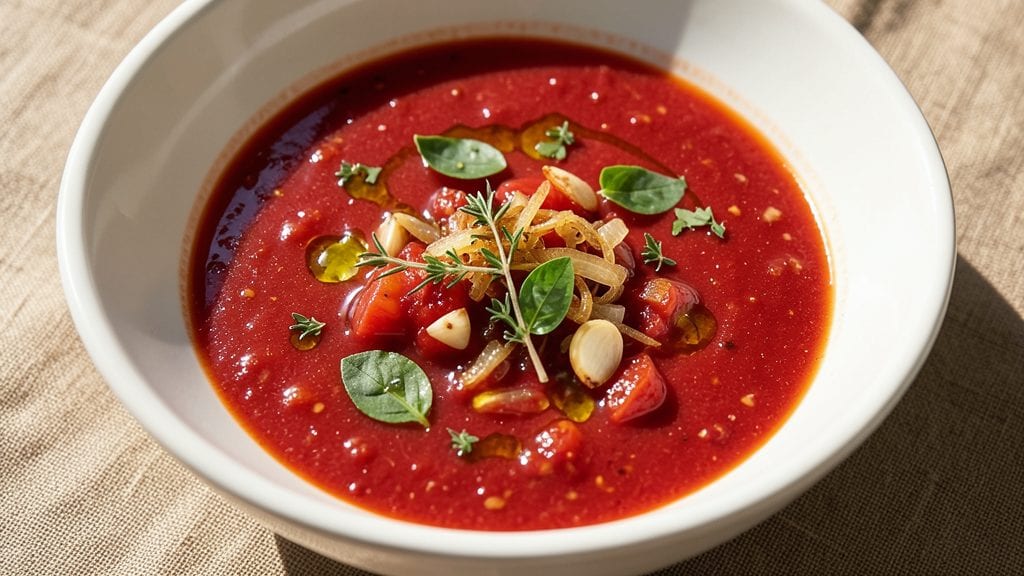
Transforming canned tomatoes into a rich, slow-simmered tomato soup that rivals homemade starts with the right technique—and Kerr canned tomatoes are the perfect base. This recipe preserves the deep, caramelized flavor you’d expect from fresh tomatoes while ensuring your soup stays fresh for months through proper canning.
The key lies in balancing acidity and simmering time to develop that restaurant-quality depth without the metallic aftertaste of store-bought versions.
What sets this method apart is the pressure canning process, which locks in flavor and texture while extending shelf life. You’ll start with a simple blend of tomatoes, aromatics, and herbs, then simmer until the flavors meld into a velvety, aromatic broth.
The canning step isn’t just about preservation—it’s about transforming a weeknight meal into a pantry staple that tastes like it was just made.
By the time you’re done, you’ll have a golden, velvety soup with layers of sweetness and acidity, perfect for chilly evenings or last-minute dinners. The slow simmer ensures every spoonful is rich and complex, while the canning process guarantees you’ll have homemade goodness on hand whenever you need it.
This isn’t just soup—it’s a flavor investment.
Whether you’re stocking your pantry for winter or craving a comforting meal, this recipe delivers restaurant-quality results with minimal effort. Let’s get started on turning canned tomatoes into something extraordinary.
Ingredients for kerr canning tomato soup
Six cans of tomatoes, a handful of aromatics, and the patience for slow simmering—this is your pantry upgrade waiting to happen.
| Ingredient | Amount | Notes |
|---|---|---|
| Kerr Whole Tomatoes (28 oz cans) 🍅 | 6 cans | San Marzano preferred for sweetness |
| Yellow Onion 🧅 | 1 whole | Medium size, diced finely |
| Garlic Cloves 🧄 | 4 cloves | Freshly minced, not pre-minced jar |
| Fresh Thyme Sprigs 🌿 | 4 sprigs | Or 1 tsp dried thyme if fresh unavailable |
| Fresh Basil Leaves 🌿 | ½ cup | Chopped, stems removed |
| Extra-Virgin Olive Oil 🫒 | ½ cup | High-quality, fruity variety |
| Vegetable Broth 💧 | 2 cups | Low-sodium preferred |
| Apple Cider Vinegar 🍏 | 1 tbsp | For acidity balance |
| Granulated Sugar 🍬 | 1 tbsp | Balances acidity |
| Salt 🧂 | 1 ½ tsp | Diamond Crystal kosher salt |
| Black Peppercorns 🌶️ | ½ tsp | Freshly cracked |
| Heavy Cream (optional) 🥛 | ½ cup | For serving, full-fat preferred |
| Parmesan Cheese 🧀 | ¼ cup | Freshly grated, for serving |
Kerr tomatoes are the secret weapon here—San Marzano if you can find them, but regular Kerr works perfectly fine. The key is to grab whole tomatoes, not crushed, so you control the texture. Trader Joe's and Walmart usually stock them year-round, but check the expiration date. Fresh herbs are non-negotiable for that restaurant-quality depth, but dried thyme in a pinch won't ruin it. The extra-virgin olive oil should smell peppery and robust—none of that cheap cooking oil stuff. I always double-check my pantry for these staples before starting; you'll thank yourself later.
No San Marzano? Any high-quality canned tomatoes will do—just avoid the watery, mushy brands. Fresh thyme unavailable? Dried works at one-third the amount, but toast it in the oil first for deeper flavor. The vinegar might seem odd, but it's crucial for balancing the soup's acidity—substitute lemon juice if you hate vinegar. For the sugar, honey works too, but it adds a floral note. And if you're serving this to kids or cream-haters, skip the heavy cream and just drizzle with a little whole milk instead. The Parmesan? Only fresh-grated—pre-shredded gets clumpy and tastes like sawdust.
This soup tastes even better the next day, so make a double batch if you're canning. Store sealed jars in a cool, dark place—they'll keep for 12-18 months unopened. Once opened, refrigerate for 5-7 days or freeze for 3 months. I always label mine with the date and contents—permanent marker on the lid works best. Pro tip: Add a splash of broth to each jar before sealing to prevent mold. And if you're canning for the first time, follow the pressure canner instructions exactly—safety first, flavor second.
Why You'll Love This Recipe
- Pantry Magic: This soup starts with two cans—no fancy shopping trips or wilting produce. I’ll be real: those Kerr tomatoes? They’re the unsung heroes of my weeknight meals, packed with flavor but zero fuss.
- Garlic-Thyme Bomb: That first hit of sautéed onion and garlic? Chef’s kiss. The thyme and basil turn it from good to "why didn’t I make this sooner"—bright, earthy, and just sweet enough from the canned tomatoes.
- Soup-to-Salad Swap: Make a double batch on Sunday—it’s my go-to for lazy lunches or a quick pasta toss. (Yes, even on a Tuesday night.) The leftovers? Still taste like you slaved over them.
- Budget Win: One can of tomatoes, a bulb of onion, a head of garlic—this feeds four for under $3. Honestly, it’s the kind of recipe that makes me feel like a cooking genius without breaking the bank.
Step-by-step instructions for slow-simmered tomato soup
Transform simple canned tomatoes into restaurant-quality tomato soup with this foolproof method.
Sauté Aromatics Until Fragrant
Heat the 0.5 cup extra-virgin olive oil in a large Dutch oven over medium-low heat. Add the 1 whole yellow onion, diced finely, and cook for 5-6 minutes until softened and translucent. Here's the thing—don't rush this step. You want the onions to become nearly colorless while developing a gentle sweetness that forms the base of your soup.
Add the 4 cloves garlic cloves, freshly minced, and cook for 30 seconds until fragrant but not browned. The garlic should perfume the air without developing any bitterness. Stir in the 4 sprigs fresh thyme sprigs, letting the leaves infuse into the oil for 1 minute. This aromatic foundation is what elevates canned tomatoes to gourmet territory.
Build the Tomato Base
Pour in the 6 cans Kerr whole tomatoes (cans should be whole, not crushed, for better texture). Add the 2 cups vegetable broth, 1 tbsp apple cider vinegar, 1 tbsp granulated sugar, 1.5 tsp salt, and 0.5 tsp black peppercorns. Stir gently to combine—you're not trying to break up the tomatoes yet. The acidity from the vinegar and sweetness from the sugar will balance the natural acidity of the tomatoes.
Bring the mixture to a gentle simmer over medium heat. Once bubbling steadily, reduce heat to low and let it cook uncovered for 20 minutes. This initial simmering breaks down the tomatoes while allowing excess liquid to evaporate, concentrating their flavor. You'll notice the soup begin to thicken slightly and develop a deeper, richer aroma.
Blend and Simmer for Depth
Using an immersion blender, carefully blend the soup directly in the pot until completely smooth. If you prefer to use a countertop blender, work in batches and return each to the pot immediately. This blending step creates the signature velvety texture while incorporating all the aromatic flavors. The soup should now have a rich, deep red color with a silky consistency.
Return the soup to low heat and simmer uncovered for another 30-40 minutes. Here's where the magic happens—the prolonged simmering allows the flavors to meld and develop complexity. Stir occasionally and taste as you go. If the soup becomes too thick, add 1-2 tablespoons water at a time until it reaches your desired consistency. The final texture should be smooth yet still coat the back of a spoon.
Finish with Fresh Herbs and Optional Cream
Remove the pot from heat and stir in the 0.5 cup fresh basil leaves, chopped and stems removed. Let the soup sit off heat for 5 minutes to allow the basil to infuse its bright, fresh flavor. The basil should brighten the soup's depth without overpowering the tomato base. You'll notice the color become slightly more vibrant and the aroma more complex.
For serving, stir in the 0.5 cup heavy cream (if using) and 0.25 cup parmesan cheese, freshly grated. The cream adds a luxurious richness while the parmesan contributes a salty, umami depth. Each spoonful should deliver a perfect balance of sweet, acidic, and savory notes. If you prefer a lighter version, skip the cream and simply top with extra parmesan.
Pro Tips For Making Kerr Canning Tomato Soup
- CRUSH THE ONIONS: DESCRIPTION: Dice that onion small—think 1/8-inch pieces or less. I used to leave them in big chunks, and they’d just sit there like stubborn guests at a party, refusing to melt into the soup. Small pieces dissolve faster and blend seamlessly into the sauce.
- SIMMER LOW AND LONG: DESCRIPTION: After adding tomatoes, garlic, and herbs, bring it to a gentle boil first, then drop the heat to a low simmer. I learned this the hard way—skipping this step makes the soup taste cooked, not developed. Let it bubble quietly for at least 20 minutes, stirring occasionally. Patience here makes the difference between canned-tomato flavor and restaurant-quality depth.
- SALT THE TOMATO JUICE: DESCRIPTION: Before blending or mashing, taste that tomato juice and add salt now. Canned tomatoes are often watered down, and if you wait until the end, you’ll be playing catch-up. A pinch of salt upfront brightens the acidity and balances the sweetness—trust me, your spoon will thank you.
- STASH THE HERBS RIGHT: DESCRIPTION: Tuck whole thyme sprigs and a few basil leaves into the canned tomatoes while they simmer, not just tossed in at the end. This lets the flavors infuse slowly instead of floating on top like decorative garnish. Remove them before blending—no one wants a mouthful of stem. (Yes, even if you’re impatient like me.)
Perfect pairings for kerr canning tomato soup
Classic Bread Pairings
Nothing complements this velvety tomato soup like a warm, crusty ciabatta loaf torn into chunks. The open crumb structure soaks up the rich broth while the crispy exterior adds satisfying texture. I always keep a baguette on hand too—its airy interior contrasts beautifully with the soup's density.
For extra indulgence, try garlic focaccia with its buttery, herby notes that echo the thyme in the soup. 🥖
Cheese Board Elevation
Transform your soup into a full meal by serving it alongside a sharp aged cheddar, creamy brie, and dry salami. The cheddar's tang cuts through the soup's sweetness, while the brie adds a luxurious melt.
I also include provolone for its peppery bite and a honeycomb to drizzle over both soup and cheese. Add marinated artichokes and roasted red peppers for extra depth. 🧀
Protein Additions
For a heartier meal, stir in crispy pancetta or bacon bits during the final simmer. The smoky, salty pork elevates the soup's umami profile. I also love adding grilled chicken breast (poached in the broth) or white beans for extra substance.
For a vegetarian option, crispy tofu cubes or mushroom medley work beautifully. 🍗
Dessert Harmony
Finish your meal with dark chocolate-dipped strawberries or a lemon posset to cleanse the palate. The tartness of the posset balances the soup's richness, while the chocolate's bitterness provides a satisfying contrast. I also enjoy tiramisu for its coffee notes that complement the tomato's acidity. 🍫
Beverage Pairings
A Chianti Classico red wine with its bright acidity and cherry notes harmonizes perfectly with the soup's tomato depth. For white wine lovers, a dry Vermentino offers crisp citrus that cuts through the richness. I also enjoy a sparkling water with lemon for a refreshing contrast. ☕
Global Variations
For an Italian twist, serve with grilled polenta slices and a sprinkle of Pecorino Romano. In Mexico, it pairs wonderfully with warm corn tortillas and avocado slices.
I've also enjoyed it with Japanese miso soup for a fusion twist—just add a drizzle of white miso paste to the soup itself. 🌍
Nutrition facts
Frequently asked questions
Why do I need to add vinegar when canning tomato soup?
Adding 1 tablespoon apple cider vinegar is crucial for proper canning safety. Tomatoes are naturally acidic, but home-canned recipes require additional acidity to prevent botulism. The vinegar also balances flavors, enhancing the soup's depth while meeting USDA canning standards for low-acid foods. Never skip this step—it's non-negotiable for safe preservation.
Can I use crushed tomatoes instead of whole cans?
While you can use crushed tomatoes, whole tomatoes yield better texture and fewer lumps when blended. The skins and seeds in whole tomatoes create a smoother, more velvety consistency after simmering. If using crushed, add 1 extra tablespoon vinegar since crushed varieties often have less natural acidity.
How do I adjust the pressure canner settings for high altitude?
For altitudes above 1,000 feet, increase pressure by 1 pound (e.g., 11 pounds for pints, 10 pounds for quarts). Check your canner's altitude chart—most require 10 minutes extra processing time at the adjusted pressure. Always use a weighted-gauge canner for accuracy. Never guess—follow the manufacturer's guidelines precisely.
What if my soup turns out too thick after canning?
If the soup thickens too much during storage, simply add 1-2 tablespoons water per pint jar or 2-3 tablespoons per quart when reheating. Stir well and simmer for 5 minutes to restore the proper consistency. For future batches, reduce simmering time by 5-10 minutes or add ½ cup extra broth at the beginning.
Can I can this soup in a water bath instead of pressure canner?
No, this recipe requires a pressure canner because tomatoes are low-acid foods. Water bath canning is only safe for high-acid foods (pH <4.6). Using a water bath risks botulism poisoning—never attempt this substitution. If you don't have a pressure canner, consider freezing the soup instead for safe long-term storage.