
Soups & Stews
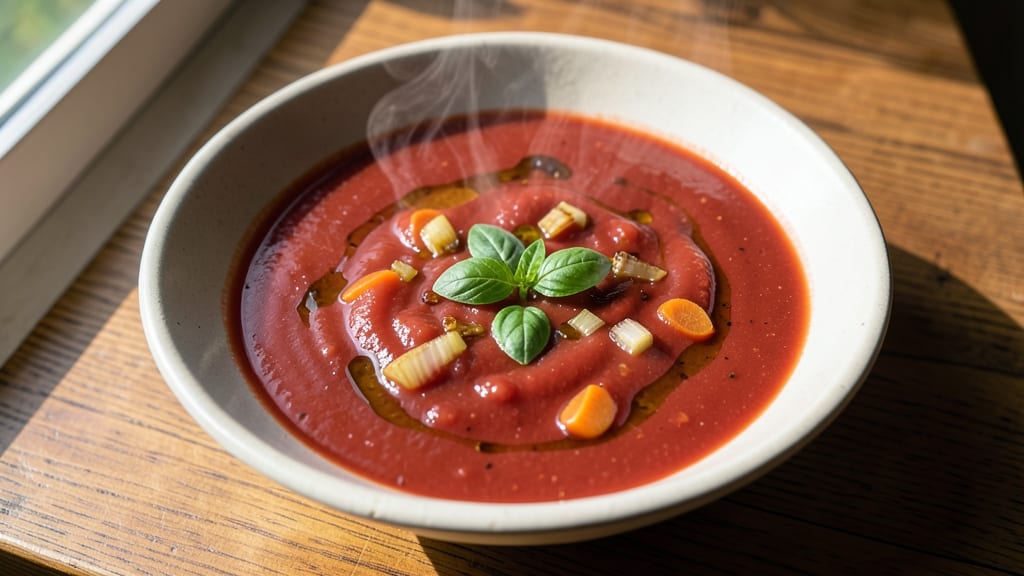
Martha Stewart’s tomato soup recipe transforms humble ingredients into a velvety masterpiece with herbal depth that elevates any meal. This classic approach balances smoky sweetness with fresh basil and garlic, creating a soup that’s both comforting and refined.
The secret lies in slow simmering and blending until completely smooth—no grainy texture allowed. This is the kind of soup that feels like a warm hug on a chilly day.
The recipe begins with a rich base of canned tomatoes and vegetable broth, enhanced with aromatic onions, celery, and carrots—classic mirepoix for depth. A touch of sugar balances acidity while butter and cream add luxurious richness.
Martha’s method ensures each spoonful is perfectly seasoned, with herbs like basil and thyme adding layers of complexity. It’s the kind of soup that tastes even better the next day, as flavors meld into harmony.
What you’ll achieve is a soup with a silky texture that coats the palate, not a thin, watery version. The slow cooking process develops deep, caramelized flavors that store-bought can’t match.
Serve it with freshly baked grilled cheese or crusty bread for the ultimate comfort food experience. This recipe delivers restaurant-quality results with minimal effort.
Perfect for weeknight dinners or holiday gatherings, this soup proves that homemade can be both elegant and effortless. The presentation matters—garnish with fresh basil or a drizzle of olive oil to finish. Trust me, it’s worth every minute of simmering time.
Ingredients for martha stewart tomato soup
Classic pantry staples meet Martha's refined touch for velvety tomato perfection.
| Ingredient | Amount | Notes |
|---|---|---|
| Canned San Marzano Tomatoes 🍅 | 2 cans | 28 oz each, crushed by hand |
| Vegetable Broth 💧 | 4 cups | Homemade or low-sodium store-bought |
| Yellow Onion 🧅 | 1 whole | Medium, finely diced |
| Celery Stalks 🥬 | 2 whole | Stringless, finely chopped |
| Carrots 🥕 | 2 whole | Medium, peeled and diced |
| Garlic Cloves 🧄 | 4 cloves | Fresh, minced |
| Granulated Sugar 🍚 | 1 tbsp | Balances acidity |
| Unsalted Butter 🧈 | 4 tbsp | Cold, cubed for finishing |
| Heavy Cream 🥛 | ½ cup | Full-fat for richness |
| Fresh Basil Leaves 🌿 | ½ cup | Packed, stems removed |
| Fresh Thyme Leaves 🍃 | ¼ cup | From 2 sprigs |
| Sea Salt 🧂 | 1 ½ tsp | Kosher or fine grain |
| Freshly Ground Black Pepper 🌶️ | ½ tsp | Cracked peppercorns preferred |
| Extra-Virgin Olive Oil 🫒 | 2 tbsp | For finishing drizzle |
The tomatoes are the foundation—San Marzano delivers the sweetest, most consistent flavor, but any high-quality canned tomatoes work in a pinch. Whole Foods or Trader Joe's carry excellent options, but don't overlook the store brand if it's labeled 'crushed' or 'diced'. For the mirepoix, use roughly equal parts onion, celery, and carrot by volume—this classic ratio builds flavor depth. Fresh thyme should smell aromatic and vibrant; if it's dry or discolored, skip it. Garlic cloves should be firm and unspotted—no green shoots! The sugar is key here—it's not about sweetness but balancing the tomatoes' natural acidity.
No San Marzano? Any good-quality canned tomatoes will work—just check for minimal additives. Short on fresh thyme? Dried thyme at one-third the amount suffices. The butter and cream can be swapped for half-and-half if you're watching calories, though the texture won't be quite as luxurious. For a dairy-free version, use coconut cream instead of heavy cream. The olive oil matters for finishing—a fruity, peppery variety like California Early Harvest elevates the dish. If you can't find it, any extra-virgin will do, but avoid the cheap, overly processed kinds.
This soup tastes even better the next day as flavors meld—make extra if you can. Store in the fridge for up to 5 days, or freeze portions for 3 months. For freezing, let it cool completely first. The basil and thyme should be added fresh after reheating—they lose their vibrancy when cooked too long. To reheat, warm gently on the stove with a splash of broth or water to restore creaminess. The soup thickens as it cools, so don't be tempted to add extra liquid while hot—it'll settle back to perfect consistency.
Why You'll Love This Recipe
- San Marzano Magic: I swear by those canned tomatoes—they’re sweeter, meatier, and actually worth the splurge. That rich, velvety base? Pure comfort in a pot.
- One-Pot Simplicity: Honestly, this is my lazy night hero: chop the veggies (onion, celery, carrots—no fancy knife work), dump everything in, simmer. Twenty minutes later, you’re done. No straining, no fuss.
- Leftovers That Save: This soup only gets better the next day. I make a double batch on Sundays—freezes like a dream—and reheats it all week for quick lunches. (Yes, even on a Tuesday night.)
- Budget-Friendly Luxury: Celery and carrots bulk it up, broth stretches it out, and those San Marzano tomatoes make it taste gourmet without breaking the bank. My wallet and taste buds win.
Step-by-step instructions for Martha Stewart's tomato soup
Here's the method that delivers Martha's signature velvety tomato soup with balanced herbal depth.
Sauté the Vegetable Base
Heat the 2 tablespoons extra-virgin olive oil in a large pot over medium heat. Add the 1 whole yellow onion, 2 whole celery stalks, and 2 whole carrots, all finely diced. Cook for 8-10 minutes, stirring occasionally, until the vegetables soften and begin to caramelize at the edges. This foundational step builds flavor through the Maillard reaction.
Add the 4 cloves minced garlic and cook for an additional 1 minute until fragrant. You'll know it's ready when the kitchen fills with that aromatic garlic scent. This quick exposure prevents the garlic from burning, which would make the soup bitter. Remove from heat temporarily while you prepare the tomatoes.
Build the Tomato Base
Return the pot to medium heat and add the 2 cans crushed San Marzano tomatoes and 4 cups vegetable broth. Stir well to combine, then add the 1 tablespoon granulated sugar and 1.5 teaspoons sea salt. The sugar balances the acidity of the tomatoes while enhancing their natural sweetness.
Bring the mixture to a gentle boil, then reduce heat to low and let it simmer uncovered for 20-25 minutes. You want the soup to reduce slightly and develop concentrated tomato flavor. Stir occasionally to prevent scorching at the bottom of the pot. The soup should thicken slightly but remain smooth and velvety.
Incorporate Herbal Elements
While the soup simmers, prepare the herbs by finely chopping the 0.5 cup fresh basil leaves and 0.25 cup fresh thyme leaves. Once the soup has reduced, stir in the herbs along with the 0.5 teaspoon freshly ground black pepper. Simmer for an additional 5 minutes to allow the flavors to meld together.
Here's the thing—don't let the herbs boil vigorously, as this can make them bitter. A gentle simmer is ideal for extracting their delicate flavors. The basil will add bright freshness while the thyme contributes earthy depth. Taste the soup and adjust seasoning if needed, adding more salt or sugar as necessary to achieve perfect balance.
Finish with Cream and Butter
Reduce the heat to low and stir in the 4 tablespoons cold unsalted butter, one tablespoon at a time. This creates a luxurious, velvety texture that coats the back of a spoon. The butter should melt completely but maintain its rich, creamy quality.
Finally, stir in the 0.5 cup heavy cream and let the soup warm through for 2-3 minutes. The cream should heat gently but not boil. This final step adds richness and rounds out the flavors. Taste again and make any final adjustments to seasoning before serving.
Pro Tips For Making Martha Stewart Tomato Soup
- SWEAT THE VEGETABLES FIRST: Martha’s recipe calls for onions, celery, and carrots, but I learned the hard way—don’t just toss them in raw. Sweat them in olive oil over medium-low heat for 8-10 minutes until the onions turn translucent and the carrots soften. This builds flavor instead of letting them just boil into mush later.
- USE WHOLE SAN MARZANO TOMATOES: Skip the canned tomato sauce shortcut—crush the whole San Marzano tomatoes by hand (or pulse in a food mill) before adding them. The skins and seeds add body and depth, and you’ll get that silky texture Martha’s version is known for. (Yes, even if it’s a pain to crush.)
- SIMMER, DON’T BOIL: The recipe says to simmer, but I used to push it to a rolling boil to speed things up. Bad move. Keep it at a gentle simmer—tiny bubbles breaking the surface—so the veggies don’t turn to paste and the broth doesn’t get cloudy. Patience here makes the difference.
- SALT THE BROTH BEFORE SIMMERING: Season the vegetable broth before adding it to the pot, not after. The flavors meld better this way, and you won’t end up with a bland base that needs rescuing with extra salt later. (I know, it’s an easy step to forget—but trust me, it matters.)
Flavor customization for martha stewart tomato soup
Sweet & Smoky Depth
For a deeper, more complex flavor profile, add 1 teaspoon smoked paprika when sautéing the vegetables or stir in ½ teaspoon liquid smoke (like Annie's Original) during the simmer. This works especially well with San Marzano tomatoes—the smokiness complements their natural sweetness.
I find 1 tablespoon of brown sugar instead of white also enhances caramelization during the 20-minute simmer. 🔥
Herbal Variations
Swap the basil and thyme for other aromatic herbs based on what you have. Rosemary adds piney depth (use 1 sprig), while oregano brings Mediterranean brightness (use 1 teaspoon dried).
For a French twist, add 1 bay leaf during simmering and remove before serving. Fresh cilantro (about ¼ cup chopped) works surprisingly well for a bright, almost Mexican-inspired variation.
Spicy Kick
Add heat with ½ teaspoon red pepper flakes when incorporating the herbs, or stir in 1 teaspoon hot sauce (like Tabasco) at the end for a smoother burn. For a smoky-spicy combo, mix ½ teaspoon cayenne pepper with the sugar at the start.
I love fresh jalapeño (minced, seeds removed) for a bright, fruity heat—add 2 tablespoons during the final 5-minute simmer with the herbs.
Umami Boost
For a deeper, savory punch, stir in 1 tablespoon soy sauce or 1 teaspoon fish sauce during the simmer. ½ cup mushrooms (cremini or shiitake, finely chopped) added with the mirepoix builds umami naturally.
A splash of 1 tablespoon Worcestershire sauce at the end also adds complexity. These work especially well if your tomatoes are on the tart side.
Creamy Alternatives
For a lighter version, replace the heavy cream with ½ cup coconut milk (full-fat for best texture) or ½ cup Greek yogurt (stirred in at the end). For a richer, tangier twist, use ½ cup sour cream instead—it adds a subtle acidity that balances the sweetness.
I’ve also had great results with ¼ cup mascarpone cheese whipped with ¼ cup milk for a silky, Italian-inspired finish.
Garnish Ideas
Fresh basil leaves are classic, but try chopped chives for a milder, oniony note or toasted pine nuts for crunch. A drizzle of high-quality balsamic glaze (about 1 tablespoon) adds sweet-tart contrast.
For a smoky finish, sprinkle with crumbled feta cheese or a pinch of flaky sea salt (like Maldon). The right garnish can elevate the dish from comforting to restaurant-worthy. 💫
Nutrition facts
Frequently asked questions
Why does Martha Stewart's tomato soup need to simmer for so long?
The 20-25 minute simmer is key to developing deep, caramelized flavors while allowing the vegetables to fully break down into a smooth texture. This slow cooking process also helps balance the natural acidity of the tomatoes, creating that signature velvety mouthfeel. Skipping this step often results in a thinner, less flavorful soup.
Can I make this soup without fresh herbs?
Use 1 teaspoon dried basil and ½ teaspoon dried thyme instead of fresh. Add them during the final 5-minute simmer with the pepper. For best results, toast the dried herbs in a dry pan for 30 seconds to enhance their aroma before adding to the soup.
What's the best way to serve Martha Stewart's tomato soup?
The classic pairing is grilled cheese sandwiches with sharp cheddar or Gruyère. For extra elegance, serve in pre-heated soup bowls with a drizzle of extra-virgin olive oil and a sprinkle of fresh basil. The warm bread helps mop up every last drop of that creamy goodness.
How do I fix tomato soup that's too acidic?
Add a pinch more sugar (about ½ teaspoon) or a splash of heavy cream (about 1-2 tablespoons) to balance the acidity. For a more natural approach, stir in ½ teaspoon baking soda (it works instantly!) or simmer with a small piece of unsweetened chocolate (about 1 oz) for 5 minutes.
Can I make this soup in a slow cooker?
Yes! Combine all ingredients except the butter, cream, and fresh herbs in your slow cooker. Cook on low for 3-4 hours or high for 1.5-2 hours. Stir in the butter and cream at the end, then add fresh herbs just before serving. The texture will be slightly thicker due to evaporation, so you may need to add ½ cup broth if too thick.