
Soups & Stews
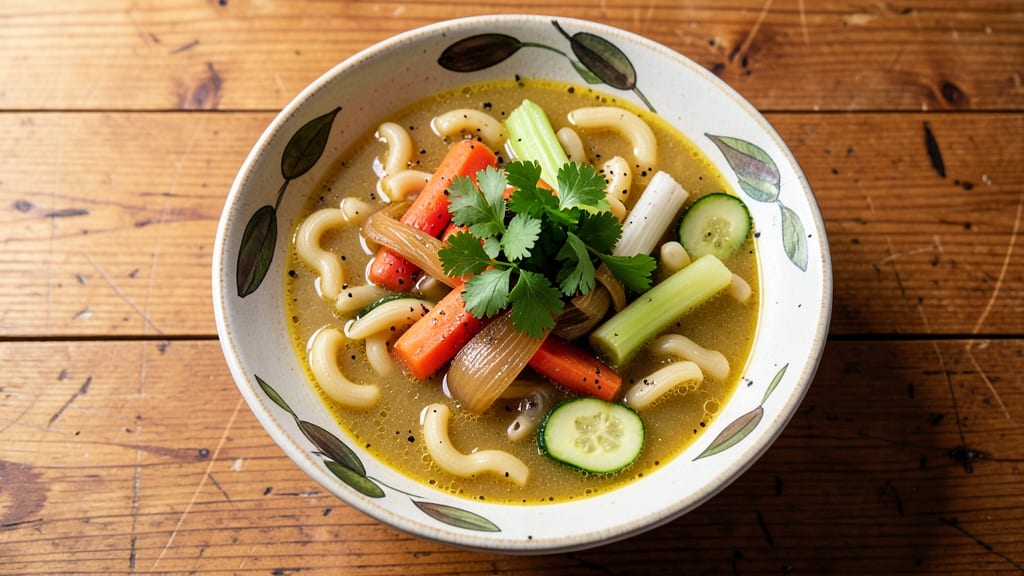
This minestrone soup recipe delivers the ultimate vegetarian comfort food—packed with hearty vegetables, tender pasta, and rich broth that warms you from the inside out.
The beauty of minestrone lies in its flexibility: a classic Italian staple that can be as simple or as elaborate as you like, with optional proteins like chicken or white beans for extra heartiness.
I've perfected this version to ensure every spoonful is packed with flavor and texture, making it the ideal one-pot meal for busy weeknights or cozy gatherings.
The secret to a truly satisfying minestrone is balancing the vegetables—think crisp carrots, tender zucchini, and earthy mushrooms—while letting the broth develop a deep, savory richness. A slow simmer allows the flavors to meld together beautifully, creating a soup that's both comforting and nutritious.
This recipe uses simple pantry staples, but the result is anything but basic: a robust, aromatic soup that feels like a hug in a bowl.
What makes this minestrone truly special is its ability to adapt to your preferences. Start with a vegetarian base, then customize with your favorite proteins or grains—whether it's shredded chicken, white beans, or even a sprinkle of Parmesan at the end.
The pasta absorbs the flavorful broth, while the vegetables retain their texture, ensuring every bite is satisfying. Ready in about 45 minutes, this soup is the perfect solution for a hearty, nourishing meal without the fuss.
Serve it with crusty bread to soak up every last drop of that flavorful broth, or garnish with fresh basil and a drizzle of olive oil for an extra touch of brightness.
This minestrone isn’t just a soup—it’s a complete, comforting meal that brings warmth and satisfaction to the table. Let’s get cooking!
Ingredients for minastrone soup
Six cups of rich broth kickstarts this soul-warming vegetarian minestrone, packed with vibrant vegetables and tender pasta.
| Ingredient | Amount | Notes |
|---|---|---|
| Vegetable Broth 💧 | 6 cups | Low-sodium preferred for flavor control |
| Ditalini Pasta 🍝 | 1 ½ cups | Uncooked, 1-inch tubes |
| Carrots 🥕 | 2 cups | Diced, medium dice preferred |
| Yellow Onion 🧅 | 1 whole | Diced, medium size |
| Celery Stalks 🥬 | 3 whole | Diced, including leaves |
| Zucchini 🍆 | 2 whole | Diced, medium size |
| Garlic Cloves 🧄 | 4 cloves | Minced, fresh preferred |
| Canned White Beans 🌱 | 1 can | Drained, rinsed, 15 oz |
| Canned Diced Tomatoes 🍅 | 1 can | Fire-roasted, 14.5 oz |
| Tomato Paste 🍅 | 2 tbsp | Squeeze tube preferred |
| Extra-Virgin Olive Oil 🫒 | 2 tbsp | For sautéing vegetables |
| Fresh Basil Leaves 🌿 | ¼ cup | Chopped, for garnish |
| Kosher Salt 🧂 | 1 ½ tsp | Diamond Crystal preferred |
| Black Pepper 🌶️ | ½ tsp | Freshly ground preferred |
| Dried Oregano 🍃 | 1 tsp | Italian variety preferred |
The vegetable broth is the foundation—Trader Joe's or Whole Foods carry excellent low-sodium options that won't overpower your soup. For the vegetables, freshness matters most: carrots should be crisp with bright orange color, zucchini firm but not waxy, and celery with a vibrant green hue. The white beans? Canned is fine here—just rinse well to remove excess sodium. I always grab the fire-roasted diced tomatoes at Costco for that deep, smoky flavor without the canned taste. The garlic? Freshly minced makes all the difference—pre-minced from jars lacks punch.
No fresh basil? Dried works at one-third the amount, but fresh is ideal for that bright finish. Running low on vegetable broth? Chicken-free bouillon cubes dissolved in water work in a pinch, though you'll need to adjust seasoning. The tomato paste can be skipped if you're short on time, but it adds that rich, concentrated flavor that elevates the soup. For the pasta, ditalini is traditional, but any small tube shape works—even penne in a pinch. The key is cooking it just until al dente so it soaks up the broth beautifully without getting mushy.
This soup tastes even better the next day as flavors meld together. Store in an airtight container in the fridge for up to 5 days, or freeze portions for 3 months. I like to portion it into individual containers so I can grab a ready-to-heat lunch. The pasta will soften further when reheated—just add a splash of broth or water to loosen it up. For serving, a sprinkle of freshly grated Parmesan (if you're not strictly vegetarian) or extra basil adds that restaurant-quality touch.
Why You'll Love This Recipe
- No-Chop Nightmare: I swear by the "sofrito shortcut"—just toss pre-diced onion, celery, and carrots straight into the pot. That’s three ingredients less to chop, and the broth still builds that deep, savory base. Honestly, I make this when I’m too tired to even think about knives.
- Ditalini Magic: That little pasta doesn’t just disappear—it transforms. The way it clings to the broth while staying al dente? It’s the secret weapon here. Plus, the ridges catch every last bit of flavor, so you’re not left with sad, watery noodles.
- Leftovers That Beg: This soup only gets better the next day. The flavors meld into something richer, and the pasta softens just enough to be perfect for lunch. I’ll be real: I’ve reheated mine three times in a row, and no one’s complained—yet.
- Pantry Stash Saver: Between us, this recipe is my go-to when I’m staring at a half-empty veggie drawer. Onion, celery, carrots? I’ve got those. Broth? Always. Ditalini? The cheapest pasta in the store. It’s the kind of meal that turns scraps into something worth eating—no guilt, no waste.
Step-by-step instructions for hearty veggie-packed comfort in one pot
This method builds flavor layer by layer for a soup so rich and satisfying it'll become your go-to weeknight dinner.
Sauté the Vegetable Base
Heat the 2 tablespoons extra-virgin olive oil in a large Dutch oven over medium heat. Add the 1 whole yellow onion, 3 whole celery stalks (diced including leaves), and 2 cups carrots (medium dice). Cook for 8-10 minutes, stirring occasionally, until the vegetables begin to soften and the onion becomes translucent.
Here's the thing—don't rush this step. You want those vegetables to develop a slight caramelization before adding the harder-to-cook ingredients. The onions should smell sweet and the celery should release its natural oils. Add the 2 whole zucchini (medium dice) and cook for another 3-4 minutes until they just begin to soften at the edges.
Build the Flavor Foundation
Push the vegetables to one side of the pot and add the 4 cloves minced garlic to the empty space. Cook for 30 seconds until fragrant—this prevents burning while maximizing flavor. Stir everything together, then add the 2 tablespoons tomato paste and cook for 1 minute to deepen its rich color and caramelize slightly.
Pour in the 1 can fire-roasted diced tomatoes (with juices) and the 1 can drained white beans. Stir well to combine, then add the 6 cups vegetable broth, 1.5 teaspoons kosher salt, 0.5 teaspoon black pepper, and 1 teaspoon dried oregano. Bring to a gentle boil, then reduce heat to medium-low and let it simmer uncovered for 15 minutes. This gives the flavors time to meld before adding the pasta.
Cook the Pasta to Perfection
Add the 1.5 cups uncooked ditalini pasta directly to the pot. Stir gently to distribute it evenly through the broth. The pasta will absorb liquid as it cooks, so don't worry if it looks submerged at first. Increase heat to medium-high and bring to a gentle boil again. Cook for 10-12 minutes, stirring occasionally, until the pasta is al dente—it should have a slight bite but be tender throughout.
Real talk: Your soup will thicken as it cooks, which is perfect for minestrone. If it looks too thick before the pasta is done, add ½ cup water to maintain the right consistency. The pasta should be just tender enough to hold its shape but still have a pleasant bite.
Finish with Fresh Herbs
Once the pasta is perfectly cooked, remove the pot from heat. Stir in the 0.25 cup chopped fresh basil leaves and let the soup sit for 5 minutes to allow the flavors to settle. Taste and adjust seasoning if needed—you might want to add a pinch more salt or a crack of black pepper to taste.
Here's where it gets fun: The basil adds a bright, fresh contrast to the rich tomato and bean flavors. Don't skip this step—it elevates the soup from hearty to truly delicious. For best results, serve immediately while the pasta is still warm and the broth is steaming.
Pro Tips For Making Minastrone Soup
- SOFTEN VEGETABLES FIRST: Toss your carrots, onion, and celery into the broth before bringing it to a boil. I used to add them raw and end up with a watery, undercooked mess—simmering them first (about 8 minutes) builds flavor and ensures they break down evenly. (Yes, even if you’re impatient like me, resist the urge to rush this.)
- SALT THE BROTH LIKE THE OCEAN: Taste that vegetable broth early—it’s usually bland, and minestrone needs depth. Add 1½ teaspoons of salt per quart before adding the pasta, then adjust later. I learned this the hard way: unsalted broth means flavorless soup, no matter how many herbs you throw in.
- DON’T BOIL THE PASTA: Add ditalini to the simmering soup when the broth is just below a full boil—about 190°F (88°C). Boiling pasta in soup turns it mushy and releases excess starch, making the broth gluey. Stir occasionally and cook for 2–3 minutes less than package time.
- SAVE THE STARCHY WATER: When draining your pasta (if pre-cooking), reserve half a cup of the starchy water. Stir it into the finished soup—it thickens the broth naturally and adds a subtle richness. (I skip this when lazy, but the difference is noticeable.)
Make-ahead tips for minastrone soup
Prep Ahead Strategy
I always chop all the vegetables—carrots, celery, onion, and zucchini—the night before and store them in a sealed container in the fridge. This saves 15-20 minutes of prep time the next day. Keep the garlic separate until you're ready to cook to prevent browning.
The white beans and diced tomatoes can also be prepped ahead and stored in the fridge for 3 days. 💡
Broth Prep Shortcut
Make a big batch of vegetable broth and freeze it in 1-cup portions using silicone ice cube trays. Once frozen, transfer the cubes to a freezer bag. When you're ready to cook, just grab 6 cubes and let them thaw in the pot while you sauté the vegetables.
This keeps your broth fresh-tasting without the sodium overload of canned options.
Pasta Cooking Hack
Cook the pasta separately in salted boiling water for 1 minute less than package instructions, then drain and rinse briefly under cold water. Add it to the simmering soup and cook for just 2-3 minutes to finish.
This prevents mushiness and ensures perfect al dente texture. I use this method when making ahead because the pasta holds up better during reheating. ✨
Freezer-Friendly Assembly
Assemble the soup up to the point of adding pasta, then cool it completely before transferring to airtight freezer containers. When ready to serve, simply thaw overnight in the fridge, add the pasta, and simmer for 10 minutes.
The pasta will cook perfectly in the broth. Label containers with the date—this soup keeps well for 3 months in the freezer.
Reheating Perfection
For the best texture, reheat minestrone on the stovetop over medium-low heat, stirring occasionally. If it looks too thick, add ¼ cup water or broth to loosen it. Microwave reheating works too—just stir halfway through.
I always add a splash of fresh basil after reheating to revive the flavors. The soup tastes even better the next day as the flavors meld together. 💪
Portion Control Tips
Divide the soup into individual quart-sized containers before freezing or refrigerating. This makes it easy to grab a single serving for quick lunches. For meal prep, I portion the soup without the pasta, then add cooked pasta fresh when reheating.
This keeps the pasta from getting soggy during storage. Use glass containers for best results—they reheat more evenly than plastic. 🌟
Nutrition facts
Frequently asked questions
Can I make this minestrone soup without beans?
The beans add protein and heartiness, but you can easily substitute with 1 cup cooked lentils or omit them entirely. For a meaty texture, add 1 cup diced chicken or Italian sausage when sautéing the vegetables. Just adjust the cooking time—beans and lentils should simmer for 10 minutes after adding to the broth.
Why does my minestrone turn out watery?
This usually happens when the pasta absorbs too much broth or the soup isn't simmered long enough. For a thicker texture, cook the pasta separately (al dente), drain, and add it to the finished soup. If using canned tomatoes, drain them well first. Simmering uncovered for 15-20 minutes after adding pasta helps reduce excess liquid.
What vegetables can I swap in for seasonal variations?
Minastrone is incredibly flexible! Swap zucchini for bell peppers or eggplant, carrots for sweet potatoes or butternut squash, or add kale or spinach at the end (they wilt quickly). For winter, try cabbage or mushrooms. The key is balancing textures—keep one or two soft vegetables (like tomatoes) and one or two firm ones (like carrots or celery).
How do I make this soup kid-friendly?
Blend a portion of the soup (without pasta) until smooth for a creamy texture, or simply remove the beans and chop vegetables into tiny pieces. Serve with a side of plain pasta or bread to make it more appealing. For extra appeal, add a sprinkle of Parmesan cheese (if dairy is allowed) or a dollop of yogurt on top.
Can I use instant vegetable broth?
While it works in a pinch, instant broth lacks depth. For better flavor, use low-sodium bouillon cubes or homemade broth. If using instant, reduce the salt in the recipe by half, as it's already highly seasoned. For an upgrade, add 1 teaspoon soy sauce or miso paste to the broth for umami richness.