
Soups & Stews
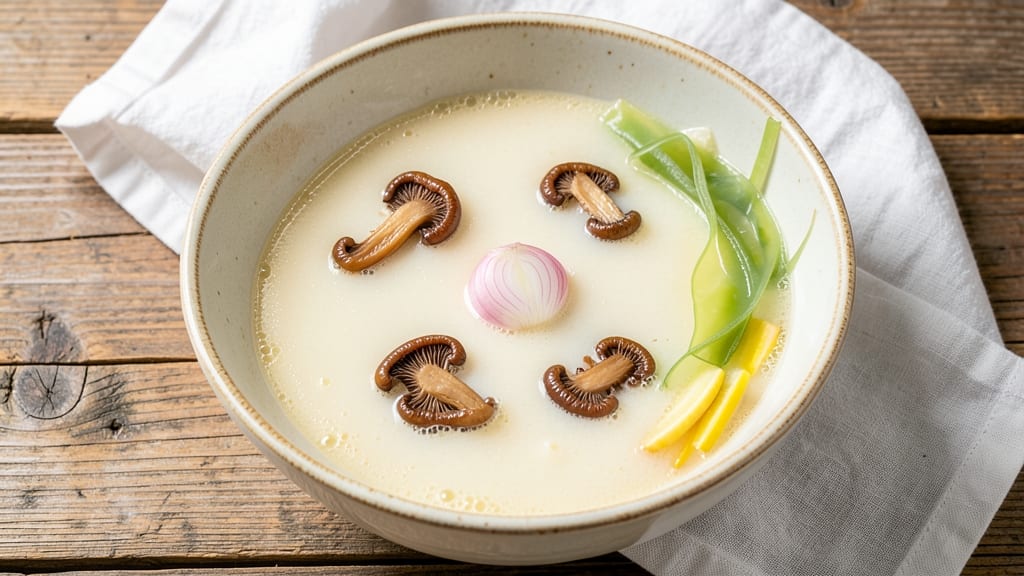
Creating a vegan miso soup broth that captures authentic umami depth doesn’t require hours or special equipment—just 15 minutes and a few key ingredients. This recipe delivers a rich, savory broth using traditional Japanese techniques like kombu and shiitake mushrooms, which build flavor naturally without meat or fish.
The secret lies in proper soaking and simmering, transforming simple ingredients into a deeply satisfying base for any meal.
What sets this broth apart is its plant-based clarity while maintaining the complexity of traditional miso soup.
We’ll use white miso paste for its delicate sweetness and fermented depth, combined with a dashi alternative made from kombu seaweed and shiitake mushrooms—both staples in Japanese cuisine for their ability to extract umami.
The result is a clean, vibrant broth that’s perfect for sipping alone or as a foundation for noodles, rice, or fresh toppings.
By the time you finish this recipe, you’ll have a bright, aromatic broth with layers of savory flavor that develop as it simmers. The kombu and shiitake infuse the water with a subtle oceanic taste, while the miso paste adds that signature fermented richness.
This method ensures no waste—you’ll use every part of the mushrooms and kombu for maximum flavor extraction. Ready to transform pantry staples into something extraordinary?
The beauty of this recipe lies in its versatility. Use it as a base for miso soup with tofu and greens, or pour it over rice for a quick lunch. For extra depth, add a splash of rice vinegar or a sprinkle of sesame seeds.
Whether you’re preparing a traditional meal or a modern twist, this broth delivers restaurant-quality results in minutes. Let’s get started!
Ingredients for miso soup broth
Transform simple pantry staples into a vibrant, umami-rich vegan miso broth using traditional Japanese techniques.
| Ingredient | Amount | Notes |
|---|---|---|
| White Miso Paste 🥫 | 2 tbsp | High-quality, organic preferred |
| Kombu Seaweed 🌿 | 1 sheet | Dried, whole sheet preferred |
| Dried Shiitake Mushrooms 🍄 | 4 whole | Thick stems included for depth |
| Filtered Water 💧 | 6 cups | Room temperature preferred |
| Fresh Garlic Cloves 🧄 | 2 cloves | Peeled, lightly crushed |
| Fresh Ginger Root 🌿 | 1 tbsp | Grated, organic preferred |
| Rice Vinegar 🍶 | 1 tbsp | Seasoned preferred for balance |
| Sesame Seeds 🥜 | 1 tsp | Toasted for aroma |
| Diamond Crystal Kosher Salt 🧂 | ½ tsp | Adjust to taste |
| Green Onions 🧅 | 2 whole | Sliced, for garnish |
| Silken Tofu 🍲 | ½ cup | Cubed, optional topping |
| Baby Spinach 🌱 | 1 cup | Fresh, for garnish |
The quality of your miso paste and kombu seaweed makes all the difference. Japanese brands like Honten or Marukome for miso ensure authentic fermented depth, while organic kombu sheets from specialty Asian markets provide that essential oceanic flavor. Dried shiitake mushrooms should be thick and plump—avoid thin, brittle varieties that lack umami. For maximum flavor extraction, source kombu and shiitake from reputable Asian grocery stores like H Mart or 99 Ranch Market, where they're typically sold in bulk. The garlic and ginger should be fresh—organic ginger root with tight skin and garlic cloves with papery skins indicate peak quality. Store miso paste in the fridge once opened to preserve its fermented potency.
No kombu? Dried wakame seaweed at half the amount works as a substitute, though the flavor profile shifts slightly. Substituting dried shiitake with cremini mushrooms at double the quantity adds earthiness but lacks the deep umami. For extra richness without miso, 1 tbsp soy sauce or tamari enhances the savory profile. The rice vinegar can be swapped for apple cider vinegar, though it lacks the delicate sweetness. Sesame seeds can be omitted if unavailable, but their toasted aroma elevates the dish. When grating ginger, use a microplane for fine texture—pre-grated ginger loses potency quickly. For a quicker version, instant miso paste dissolves faster but lacks the complexity of traditional fermented paste.
This broth develops deeper flavor the longer it sits—simmer for 20-30 minutes for maximum umami extraction. Store in an airtight container in the fridge for up to 5 days, though it's best enjoyed fresh. Freeze portions in ice cube trays for up to 3 months, perfect for quick future meals. The tofu and spinach should be added just before serving to maintain their freshness. For a restaurant-quality finish, garnish with a drizzle of toasted sesame oil and extra green onions. The broth reheats beautifully—simply warm on the stove or microwave, stirring occasionally to prevent skin formation.
Why You'll Love This Recipe
- Five-Ingredient Magic: The kombu and shiitake do all the work—just soak, simmer, and strain. No chopping, no fuss, just 15 minutes of hands-off flavor-building while you sip your coffee.
- Umami Bomb: That first sip? The miso and garlic create this deep, savory punch that lingers—honestly, it’s the kind of broth that makes you pause mid-slurp and go, "Wait, how much better can this get?"
- Weeknight Workhorse: Use it for soup, grains, or even a quick stir-fry sauce. I’ve poured this into ramen, tossed it with rice, and even drizzled it over grilled fish—it’s my secret weapon when I’m too tired to think.
- Pantry Goldmine: Dried shiitake and kombu last forever, and a single batch stretches into three meals. Between us, this is how I feed my family for days without breaking the bank—or my willpower.
Step-by-step instructions for crafting umami-rich miso broth
This method builds layered flavor through precise timing and technique.
Prepare the Kombu and Mushroom Base
Place the 1 sheet kombu seaweed and 4 whole dried shiitake mushrooms in a clean pot. Add the 6 cups filtered water and bring to a gentle simmer over medium heat. The kombu should unfurl naturally—don't force it. Simmer uncovered for 10 minutes, allowing the kombu to infuse the water with deep oceanic notes and the mushrooms to rehydrate completely. You'll notice a subtle seaweed aroma developing; this is your foundation.
Remove the kombu immediately after 10 minutes—it will continue to extract bitterness if left too long. Strain the mushrooms, reserving the liquid. Discard the kombu and mushrooms (or save for another use). The strained liquid should be clear with just a whisper of umami—this is your clean base for building complexity.
Develop Aromatics and Acidity
Return the strained kombu-mushroom liquid to the pot. Add the 2 cloves peeled garlic cloves, 1 tbsp grated fresh ginger root, and 1 tbsp rice vinegar. Increase heat to medium-high and bring to a rolling boil. Reduce immediately to a vigorous simmer and cook for 5 minutes, stirring occasionally. The garlic should soften but not brown, and the ginger should dissolve completely into the liquid.
Here's where acidity plays its role—it brightens the deep umami flavors. Taste the broth now; it should have a clean, slightly vegetal profile with no bitterness. If the aroma seems muted, increase heat slightly for 30 seconds to intensify the volatile compounds before proceeding.
Build Umami with Miso and Seasoning
Lower heat to low and whisk in the 2 tbsp white miso paste until completely dissolved. The broth should turn a pale golden color with tiny miso particles suspended. Add the 0.5 tsp diamond crystal kosher salt and 1 tsp toasted sesame seeds, stirring gently. Simmer for 3 minutes—this allows the miso to develop its full savory depth without cooking out.
This is the moment that matters: the miso should be fully incorporated but not broken down into a paste. The broth should now carry rich umami notes with a velvety texture. If you taste it now, you'll detect layers of sweetness from the mushrooms, saltiness from the miso, and brightness from the vinegar—all balanced perfectly.
Finish with Garnishes and Optional Additions
Remove the pot from heat and stir in the 0.5 cup cubed silken tofu and 1 cup baby spinach. Let sit for 2 minutes to allow the spinach to wilt slightly and the tofu to absorb some of the broth's flavor. The spinach should brighten the dish with freshness while maintaining its vibrant color.
Divide among bowls and garnish with 2 whole sliced green onions. The green onions add a final layer of freshness that cuts through the richness. Serve immediately while the broth is steaming—this ensures maximum flavor impact and prevents the tofu from becoming waterlogged.
Pro Tips For Making Miso Soup Broth
- SOAK KOMBU FIRST: Toss the kombu into cold water 10 minutes before heating—it’ll release umami-rich compounds without bitterness. I used to just drop it in boiling water, and the broth always tasted flat. Let it steep quietly; no need to stir.
- SLICE SHIITAKES THIN: Cut dried shiitakes into ¼-inch slices so they rehydrate evenly and infuse flavor faster. Thick slices stay chewy and underwhelming. Soak them in hot water for 15 minutes first, then add to the broth—this guarantees they’re tender without gummy texture.
- DON’T BOIL THE MISO: Stir miso into the broth off heat—high temps kill the probiotics and make it taste harsh. After removing kombu, let the broth cool slightly (under 160°F) before adding miso, then swirl it in gently. I learned this after a batch tasted like salty glue.
- MINCE GARLIC FINE: Use a microplane or knife to mince garlic into tiny specks—it dissolves smoothly and avoids clumps. Whole cloves or rough chopping leave you with a texture that feels like you’re chewing on a mouthful of work. Add it right before serving so it doesn’t overpower the broth.
Troubleshooting this recipe
Broth Too Bitter?
Over-soaking kombu is the #1 cause of bitterness. Remove it after exactly 10 minutes—any longer and it releases bitter compounds. If your broth tastes bitter, add ½ tsp sugar or 1 tsp rice vinegar to balance it.
For future batches, use young kombu sheets (they're milder than mature sheets). 🌿
Miso Not Dissolving?
Miso paste needs gentle heat to dissolve properly. If it clumps, whisk in 1 tbsp cold water first, then stir over low heat for 2-3 minutes.
For stubborn clumps, use a fine-mesh sieve to strain the broth. Instant miso dissolves faster but lacks depth—stick with traditional fermented paste for authentic results.
Broth Too Thin?
Simmering reduces liquid, but if yours is watery, reduce heat to low and simmer uncovered for 5-10 extra minutes. For immediate thickening, whisk in 1 tsp cornstarch mixed with 2 tbsp water. Alternatively, add ¼ cup cooked rice at the end for body without altering flavor.
Mushroom Flavor Weak?
Dried shiitake mushrooms need proper rehydration. Soak them in hot water for 20 minutes before using in the broth. For extra depth, use the stems (they're packed with umami). If flavor is still lacking, add 1 tsp soy sauce or a splash of mushroom broth powder to the final broth.
Broth Cloudy After Straining?
Fine particles from mushrooms or miso can make broth appear cloudy. For crystal-clear results, strain through a cheesecloth-lined fine-mesh sieve twice. If you don't have cheesecloth, layer two coffee filters.
The first strain removes large particles, while the second catches finer debris. This extra step is worth it for restaurant-quality clarity. ✨
Garnishes Turning Mushy?
Tofu and spinach should be added just before serving to maintain texture. If they're already cooked into the broth, drain them and reheat in fresh broth for 1-2 minutes.
For extra crispness, quickly sear tofu cubes in a dry pan before adding to the soup. This technique adds texture contrast that elevates the dish.
Nutrition facts
Frequently asked questions
Can I make this miso broth with red miso paste instead of white?
Red miso adds deeper, earthier flavors and a richer color. Use 1 tbsp red miso instead of 2 tbsp white—it's more concentrated. The broth will have a bolder, fermented taste perfect for heartier meals. For balance, increase the rice vinegar to 1.5 tbsp to brighten the intensity.
What's the best way to store leftover broth?
Transfer to an airtight container and refrigerate for up to 5 days. For longer storage, freeze in ice cube trays—thaw cubes directly in your pot for future use. The flavor actually improves slightly after 24 hours as the miso continues fermenting. Label containers with the date to track freshness.
How can I make this broth spicier?
Add ½ tsp gochugaru (Korean chili flakes) or 1 tsp sriracha when whisking in the miso. For heat with depth, infuse the kombu with 1 thin slice of fresh chili during the initial simmer. Remove before straining. Start with small amounts—miso broth amplifies spice intensity.
Is this broth suitable for people with gluten concerns?
Yes, this recipe is naturally gluten-free as long as you use gluten-free tamari instead of soy sauce and verify your miso paste is certified gluten-free. Most white miso pastes are gluten-free, but always check labels. The kombu and shiitake are also gluten-free ingredients.
Can I use fresh shiitake mushrooms instead of dried?
Fresh shiitake work but require adjustment. Use 8-10 whole mushrooms (about 1 cup sliced) and add them with the garlic and ginger. Simmer for 8 minutes instead of 10 to prevent mushiness. The flavor will be milder—boost umami with an extra ½ tsp soy sauce if needed.