
Soups & Stews
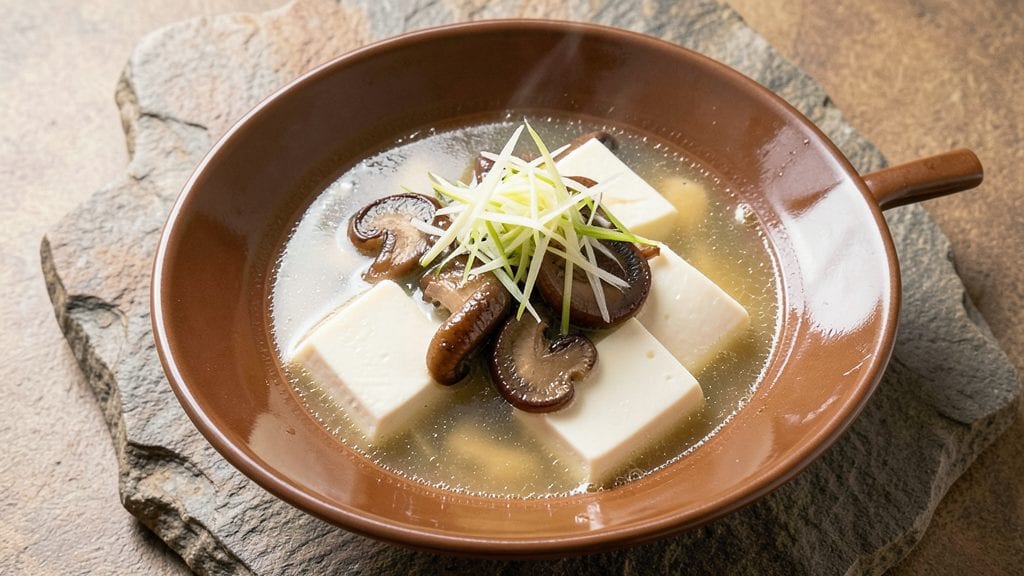
This miyabi soup recipe brings the essence of Japanese home cooking to your kitchen with its delicate balance of umami-rich broth and fresh ingredients. The secret lies in combining kombu, shiitake mushrooms, and tofu with a touch of ginger and miso—creating a harmonious flavor profile that’s both comforting and refined.
After years of perfecting this dish, I’ve found the right proportion of ingredients transforms simple pantry staples into something truly special.
The beauty of miyabi soup is its simplicity—no complicated techniques, just precise preparation. With just 30 minutes of active time, you’ll create a broth so clear and flavorful it rivals professional versions.
The key steps involve properly preparing the kombu (soaking and simmering gently), selecting fresh mushrooms, and adding tofu at the right moment to maintain its texture. This is the kind of soup that feels like a warm embrace on chilly evenings.
What makes this recipe stand out is its versatility—serve it as a light lunch, a starter for dinner, or even as a base for modern twists like adding spinach or scallions.
The broth’s depth comes from the kombu and mushrooms, while the ginger and miso add a subtle warmth that lingers on the palate. Each spoonful delivers a perfect balance of earthy, savory, and slightly sweet notes, making it a dish worth mastering.
Traditional Japanese households often prepare miyabi soup with seasonal ingredients, but this recipe stays true to its roots while allowing for personal touches. Whether you stick to the classic version or experiment with additions, the result is always a bowl of comfort that feels both nostalgic and fresh.
Let’s get started on creating this timeless dish.
Ingredients for miyabi soup
Simple ingredients that create a deeply comforting Japanese-inspired soup experience.
| Ingredient | Amount | Notes |
|---|---|---|
| Dried Kombu 🍃 | 1 sheet | High-quality, 7-inch preferred |
| Dried Shiitake Mushrooms 🍄 | 8 whole | Thick stems removed, rehydrated |
| Silken Tofu 🧀 | 1 block | Firm, 14-16 oz package |
| Fresh Ginger 🧅 | 1 inch | Thinly sliced, peeled |
| White Miso Paste 🍜 | 1 tbsp | High-quality, smooth texture |
| Dashi Powder 💧 | 1 tsp | High-quality, umami-rich |
| Green Onions 🧅 | 2 whole | Thinly sliced, white and green parts |
| Sesame Oil 🫒 | ½ tsp | Toasted, for finishing |
| Rice Vinegar 🍶 | 1 tsp | Seasoned, for brightness |
| Water 💧 | 6 cups | Filtered preferred for clarity |
| Sea Salt 🧂 | ¼ tsp | Fine grain, for seasoning |
| Toasted Sesame Seeds 🌾 | ½ tsp | For garnish, optional |
The kombu is the foundation—look for 7-inch sheets from specialty stores like Mitsua Market or H Mart for authentic flavor. Dried shiitake mushrooms should be plump and dark brown, not brittle. Sun Noodle brand is reliable for consistent quality. Silken tofu needs to be firm; House Foods or Nasoya brands work best. Fresh ginger should have tight skin and a vibrant color—avoid any with soft spots. The miso paste should be smooth and light-colored for this recipe, not dark or chunky.
No kombu? Dashi powder can substitute at double the amount, but the flavor won't be identical. Shiitake stems can be discarded or saved for stock. Running short on sesame oil? Light olive oil works in a pinch, though it lacks the nutty depth. The rice vinegar adds brightness—substitute with apple cider vinegar if needed. For a vegetarian version, ensure your dashi powder is plant-based. The tofu can be cubed or left whole; both work beautifully in this delicate broth.
Store leftover broth in airtight containers for up to 5 days in the refrigerator. The tofu and mushrooms can be reheated separately if needed. Freeze broth portions in ice cube trays for quick future use. Garnish with sesame seeds and green onions just before serving—they add freshness and visual appeal. This soup tastes even better the next day as flavors meld together. For meal prep, portion into individual containers with tofu and mushrooms included.
Why You'll Love This Recipe
- Pantry Magic: I keep dried kombu and shiitake in my cupboard year-round—just soak, simmer, and boom, umami explosion. No fresh produce needed, no last-minute grocery runs.
- Silken Tofu Luxury: That creamy tofu? It melts into the broth like clouds on a lazy Sunday. Honestly, it’s the secret weapon—no one guesses how little effort it takes to make it feel fancy.
- Weeknight Revival: Stuck with half a ginger root and a miso tub? This soup turns scraps into something special. Between us, it’s my go-to when I’ve got nothing but takeout containers in the fridge.
- Budget Warmth: A single kombu sheet and a handful of dried shiitake stretch into three servings. I’ll be real: it’s my cheap, cozy answer to “What’s for dinner?” when the wallet’s light.
Step-by-step instructions for miyabi soup
This method delivers a perfectly balanced miso-ginger harmony with minimal effort.
Prepare the Kombu and Rehydrate Shiitake Mushrooms
Place the 1 sheet dried kombu in a clean bowl and cover it with 6 cups water. Let it soak for 10 minutes at room temperature. The kombu will expand slightly and release its deep umami essence into the water. This step infuses the broth with natural complexity that no powdered dashi can replicate.
While the kombu soaks, place the 8 whole dried shiitake mushrooms in a separate bowl and cover them with fresh hot water. Let them soak for 20 minutes until they become pliable and expand to about 1.5 times their original size. Drain and set aside, reserving ½ cup of the soaking liquid for added depth of flavor. The mushrooms should feel tender when pressed between your fingers—this ensures they'll break down beautifully in the soup.
Build the Broth Foundation
Transfer the kombu and its soaking liquid to a medium saucepan. Add the 1 tsp dashi powder and bring to a gentle simmer over medium heat. Once simmering, reduce heat to low and let it cook uncovered for 5 minutes to allow the kombu to fully infuse the broth. The liquid should have a rich, slightly briny aroma—this is the base of your soup's umami profile.
Remove the kombu and discard it. Add the rehydrated shiitake mushrooms (with their reserved soaking liquid) and the 1 inch fresh ginger (thinly sliced). Simmer for 8 minutes until the mushrooms are tender and the ginger releases its aromatic oils. The broth should now have a fragrant, layered complexity—this is where the true character of the soup begins to develop.
Incorporate Miso and Tofu
Reduce heat to low and gently whisk in the 1 tbsp white miso paste using a heatproof spoon. Stir continuously for 2 minutes to prevent the miso from burning at the bottom of the pan. The miso should dissolve completely, creating a smooth, velvety texture. Here's the thing—miso contains live cultures, so you want to integrate it gently to preserve its beneficial properties.
Add the 1 block silken tofu, cut into ½-inch cubes, and the 2 whole green onions (thinly sliced). Simmer for 5 minutes until the tofu is heated through and the green onions soften slightly. The tofu should remain intact but warm all the way through—if it starts to break apart, reduce heat slightly. This step ensures the tofu absorbs the rich broth while maintaining its delicate texture.
Finish with Seasoning and Garnish
Remove the pan from heat and stir in the 1 tsp rice vinegar and 0.25 tsp sea salt. The vinegar brightens the soup, cutting through the richness of the miso and ginger. Taste and adjust seasoning—you might need a touch more salt or vinegar depending on your preference. The soup should balance sweet, salty, and tangy flavors harmoniously.
Ladle the soup into bowls and drizzle each serving with 0.5 tsp sesame oil and sprinkle with 0.5 tsp toasted sesame seeds. The sesame oil adds a nutty aroma, while the seeds provide a subtle crunch. Serve immediately while the tofu is still warm and the broth retains its clarity. This final touch elevates the soup from simple to sophisticated, making it a perfect representation of Japanese comfort food.
Pro Tips For Making Miyabi Soup
- SOAK KOMBU FIRST: Toss that dried kombu in cold water for 10 minutes before simmering—it softens faster and releases more umami. I used to just toss it in hot water, but the texture suffers, and you lose depth of flavor. Trust me, the extra 10 minutes makes a real difference.
- SIMMER LOW AND SLOW: Once the kombu and shiitakes are in, keep the heat at a bare simmer—no boiling, no rushing. I learned this the hard way when my first batch turned bitter from too much agitation. A gentle roll of the bubbles is all you need.
- GINGER SLICES, NOT GRATES: Thinly slice the ginger instead of grating it—it infuses cleaner and doesn’t turn the broth cloudy. I was skeptical until I tried it, and now I can’t go back. Just 3-4 slices, no need to overdo it.
- TOFU LAST MINUTE: Add the silken tofu only in the final 2 minutes of cooking—it stays silky and doesn’t turn to mush. I used to let it sit too long, and the texture would fall apart. Keep it warm, not boiling.
Make-ahead tips for this recipe
Broth Prep Ahead
Prepare the kombu broth base up to 2 days in advance for maximum flavor development. Simmer the kombu, dashi powder, and ginger as directed, then cool completely and store in an airtight container in the refrigerator.
The kombu infusion deepens over time, creating a more complex umami profile. When ready to finish, simply reheat the broth gently over low heat and add the miso, mushrooms, and tofu just before serving. 💫
Tofu Prep Shortcut
Cube and partially cook the silken tofu ahead of time to save active cooking minutes. Simmer the tofu cubes in 1 cup broth for 3 minutes, then drain and store in the fridge for up to 24 hours.
When reheating, add them directly to the hot broth for 2 minutes to warm through without overcooking. This maintains their delicate texture while reducing your final assembly time by 10 minutes.
Mushroom Prep Efficiency
Rehydrate and par-cook the shiitake mushrooms the night before to streamline your morning. After soaking for 20 minutes, blanch them in boiling water for 2 minutes, then store in their soaking liquid.
When ready to cook, simply add them directly to the simmering broth—this cuts 15 minutes off your active prep time while keeping them tender. The reserved soaking liquid adds extra depth to your broth. 🍄
Complete Soup Assembly
For a meal-prep-friendly version, assemble the entire soup (except sesame oil and seeds) in a large airtight container and refrigerate for up to 3 days. When reheating, warm the soup on the stovetop over medium-low heat for 8-10 minutes, stirring occasionally.
The tofu will absorb extra broth, so add 2 tbsp water if it looks too thick. Garnish with sesame oil and seeds just before serving to maintain freshness. 🔥
Freezer-Friendly Broth
Freeze the finished broth (without tofu or mushrooms) in ice cube trays for portion control. Once frozen, transfer cubes to a freezer bag with 1 inch headspace to prevent expansion cracks. Thaw overnight in the fridge, then complete the soup by adding fresh mushrooms and tofu.
This method preserves the broth's clarity and flavor for up to 3 months, making it perfect for quick weeknight meals. 🧊
Garnish Prep Station
Set up a garnish station the night before by slicing green onions and toasting sesame seeds in a dry pan over medium heat for 2 minutes. Store both in separate small airtight containers at room temperature.
When serving, simply drizzle with sesame oil and sprinkle the prepped garnishes. This eliminates last-minute prep and ensures consistent presentation every time. ✨
Nutrition facts
Frequently asked questions
What makes miyabi soup different from other Japanese miso soups?
Miyabi soup stands out for its delicate balance of white miso and fresh ginger, creating a lighter, more aromatic broth than traditional miso shiru. The kombu and shiitake mushrooms provide umami depth without overpowering, while the silken tofu adds a silky texture. Unlike heartier miso soups, miyabi focuses on clarity and subtlety, making it perfect as a light meal or starter.
Can I substitute dried shiitake mushrooms with fresh ones?
Yes, but adjust the cooking time. Use 6-8 fresh shiitake mushrooms instead of dried and add them directly to the simmering broth for just 5 minutes—they cook much faster. Fresh mushrooms won't provide the same concentrated umami as dried, but they'll still contribute earthy flavor. For best results, slice them thinly to ensure even cooking.
Why does my miyabi soup taste bitter?
Bitterness usually comes from overcooking the kombu or mushrooms. Remove the kombu immediately after 5 minutes of simmering, and don't let the mushrooms cook beyond 8 minutes. Another common cause is using too much ginger—reduce to ½ inch if needed. Always taste the broth before adding miso to adjust seasoning.
Is miyabi soup gluten-free?
Yes, this recipe is naturally gluten-free as long as you use gluten-free miso paste and dashi powder. Most traditional white miso is gluten-free, but always check the label. For extra safety, make your own dashi with kombu and bonito flakes (ensure they're certified gluten-free). The tofu and mushrooms are also gluten-free ingredients.
How can I make miyabi soup spicier?
Add a pinch of red pepper flakes or 1 tsp gochugaru (Korean chili flakes)> to the broth while simmering. For heat with depth, stir in ½ tsp grated fresh chili (like Thai bird's eye) along with the ginger. Remove the chili pieces before serving if you prefer a smoother texture. Start with small amounts—these spices pack serious heat!