
Soups & Stews
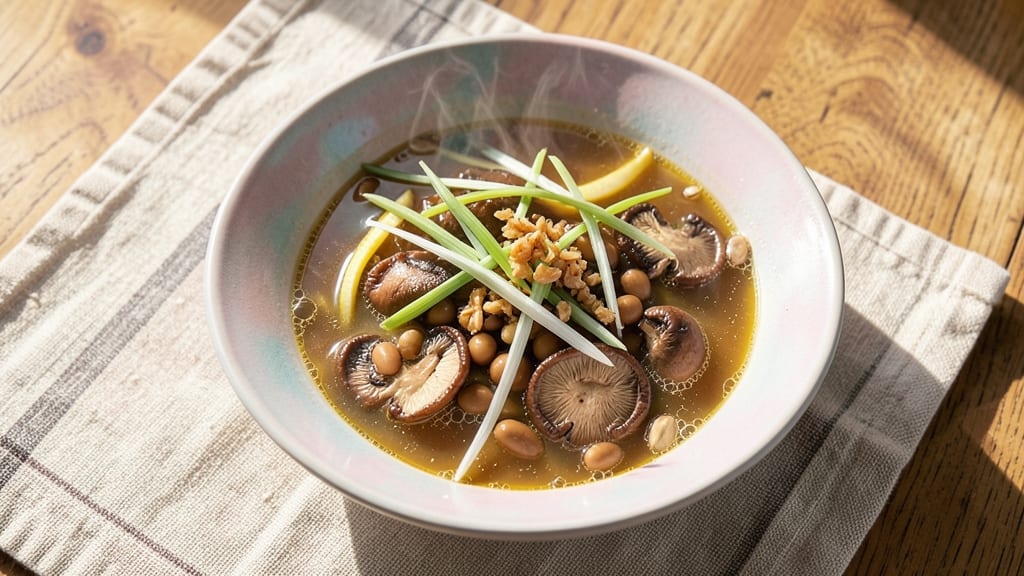
This mung bean soup recipe delivers the velvety, comforting texture of traditional Thai cuisine in a single pot—perfect for chilly evenings or when you crave something nourishing yet simple.
The secret lies in slow-simmered broth infused with ginger, garlic, and lemongrass, which transforms humble mung beans into a silky, hearty dish. I developed this version after years of testing, balancing authenticity with modern convenience for home cooks.
The beauty of this soup is its versatility—it works as a light, savory meal or can be sweetened with coconut milk and palm sugar for a fusion twist.
Traditional Thai recipes often include mushrooms, green onions, and a touch of fish sauce for depth, but you can adapt it with whatever you have on hand. The key is patience: letting the beans simmer until tender while building rich, aromatic layers in the broth.
What you’ll end up with is a steaming bowl of silky mung bean soup that’s creamy, fragrant, and deeply satisfying—each spoonful packed with umami from the slow-cooked broth and subtle sweetness from the beans.
It’s the kind of dish that feels both comforting and refined, perfect for weeknight dinners or sharing with guests. Ready to make it?
This recipe also doubles as a base for variations: add shredded chicken for extra protein, swap in tofu for a vegetarian option, or top with crispy fried shallots for texture. The possibilities are endless, but the foundation remains the same—simple, flavorful, and deeply comforting.
Ingredients for mung soup
Simple ingredients transform into velvety Thai-inspired mung bean soup—comfort in a bowl.
| Ingredient | Amount | Notes |
|---|---|---|
| Mung Beans 🌾 | 1 ½ cups | Dried, rinsed well |
| Vegetable Broth 💧 | 4 cups | Low-sodium preferred |
| Fresh Ginger 🧄 | 2 tbsp | Grated, aromatic |
| Garlic Cloves 🧄 | 4 cloves | Minced, aromatic |
| Lemongrass Stalks 🌿 | 2 whole | Bruised, cut into 2-inch pieces |
| Shiitake Mushrooms 🍄 | 6 whole | Stems removed, sliced |
| Green Onions 🧅 | 3 whole | White and green parts separated |
| Coconut Milk 🥥 | 1 cup | Full-fat for creaminess |
| Palm Sugar 🍯 | 2 tbsp | Or substitute brown sugar |
| Lime Juice 🍋 | 1 tbsp | Freshly squeezed |
| Soy Sauce 🥢 | 1 tbsp | For umami depth |
| Sesame Oil 🫒 | 1 tsp | For aroma |
| Sea Salt 🧂 | 1 tsp | Adjust to taste |
| Black Pepper 🌶️ | ½ tsp | Freshly ground |
The mung beans are the star here. Look for dried mung beans in the bulk section of stores like Whole Foods or Trader Joe's—they keep for years if stored properly. Fresh ginger and lemongrass are worth the trip to the Asian market if you can find them, but the frozen sections at Costco or H Mart work in a pinch. Shiitake mushrooms add that deep umami—dried ones rehydrate beautifully if fresh aren't available. For the coconut milk, full-fat canned versions (like Thai Kitchen brand) give the best texture, but light works if that's what you've got.
No lemongrass? Substitute 1 tbsp lime zest plus 1 tbsp minced ginger—it won't be identical, but still delicious. Fresh shiitakes? Cremini mushrooms work too, though they'll be slightly less earthy. Out of palm sugar? Brown sugar or coconut sugar are perfect swaps. The soy sauce can be tamari for gluten-free, and if you're avoiding coconut milk entirely, cashew cream (blended soaked cashews + water) works wonders. For extra protein, toss in tofu or edamame—just add them in the last 10 minutes of cooking so they don't get mushy.
This soup tastes even better the next day as flavors meld. Store in an airtight container for 4-5 days in the fridge, or freeze portions for up to 3 months. I like to portion it into jars with the green onions on top—just add a splash of water and reheat. The broth reduces as it sits, so you might want to make a little extra if you're planning to save leftovers. The beans get even softer with reheating, so it's worth it to make a big batch.
Why You'll Love This Recipe
- No-Fuss Simmer: I swear by this—just toss in the whole lemongrass stalks, garlic cloves, and a chunk of ginger, then let the broth do the work. No peeling, no mincing, no fuss. The beans soften perfectly while everything else infuses effortlessly.
- Herb-Packed Punch: That first sip? Chef’s kiss. The ginger and lemongrass brighten the broth, while the garlic adds depth—like a warm hug in a bowl. Honestly, it’s the kind of flavor that makes you want to skip dessert.
- Meal Prep MVP: Make a big batch on Sunday, and you’ve got lunch or dinner covered all week. The soup tastes even better the next day (yes, really), and it’s the perfect base to stretch with rice, tofu, or whatever’s in your fridge.
- Budget Booster: Mung beans are dirt cheap, and this recipe stretches broth like magic. I’ll be real: it’s my go-to when I’m broke but still want something that feels special—not sad, not boring, just good.
Step-by-step instructions for mung bean soup
Here's how to create a velvety, aromatic soup that warms you from the inside out.
Prepare the Mung Beans and Aromatics
Begin by rinsing the 1.5 cups mung beans thoroughly under cold water until the water runs clear. This removes any debris and ensures a clean flavor. Soak them in plenty of fresh water for at least 2 hours—or overnight if possible. The longer they soak, the more tender they'll become, creating that signature silky texture.
While the beans soak, bruise the 2 whole lemongrass stalks by rolling them on a cutting board with the side of your knife. This releases their fragrant oils without chopping. Cut them into 2-inch pieces and set aside. Mince the 4 cloves garlic cloves and grate the 2 tbsp fresh ginger—both should be finely minced for even distribution throughout the soup.
Simmer the Base Ingredients
In a large pot, combine the soaked mung beans, 4 cups vegetable broth, 1 tsp sea salt, and 0.5 tsp black pepper. Bring to a boil over medium-high heat, then immediately reduce to a gentle simmer. Cover partially and cook for 45 minutes, stirring occasionally to prevent sticking. The beans should soften but not break apart—they'll finish cooking later.
After 45 minutes, add the bruised lemongrass, minced garlic, and grated ginger. Stir well and continue simmering for another 15 minutes. The broth should develop a fragrant aroma—this is your foundation. If the liquid level gets too low, add ½ cup water to maintain consistency. The beans should now be tender but still hold their shape.
Build the Flavor Layers
Slice the 6 whole shiitake mushrooms and separate the 3 whole green onions into white and green parts. Add the sliced mushrooms and white parts of the green onions to the pot. Simmer for 10 minutes until the mushrooms soften and release their earthy flavor. The soup should smell rich and umami-packed—this is where the magic happens.
Stir in the 1 tbsp soy sauce and 2 tbsp palm sugar, dissolving the sugar completely. Taste and adjust seasoning—you want a balance of savory, slightly sweet, and umami. The palm sugar should caramelize just enough to round out the flavors without overpowering.
Finish with Creaminess and Brightness
Pour in the 1 cup coconut milk and stir gently to combine. The soup will thicken slightly as the coconut milk heats through. Simmer for 5 minutes to let the flavors meld. Add the 1 tbsp lime juice and 1 tsp sesame oil, stirring well. The lime juice brightens the dish, while the sesame oil adds a nutty aroma that ties everything together.
Garnish with the reserved green onion tops and a drizzle of extra sesame oil if desired. Serve immediately while steaming hot—this soup is all about that comforting warmth. The combination of silky mung beans, earthy mushrooms, and creamy coconut milk creates a deeply satisfying bowl that's perfect for chilly days.
Pro Tips For Making Mung Soup
- SOAK BEANS OVERNIGHT: I learned this the hard way—skipping soak time leaves your mung beans tough as boot leather. Use 1 cup beans to 3 cups water, cover, and let them sit 8+ hours (or at least 4 if you’re in a rush). The longer they soak, the creamier the soup, and that’s non-negotiable for real texture.
- SMASH GINGER LIKE IT’S 1995: No food processor? No problem. Use the flat side of a knife to smash fresh ginger into a paste—this releases way more flavor than chopping. For this soup, aim for 2 inches of ginger, smashed until it looks like a bruised thumbprint. Trust me, your broth will thank you.
- DON’T BOIL THE LEMONGRASS: After burning three batches, I finally figured out: lemongrass hates high heat. Add the stalks last, when the broth is simmering gently, and remove them after 5 minutes. Overcooking turns them bitter, and you’ll taste it every sip. (Yes, even if you’re impatient like me.)
- SIMMER LOW OR REGRET IT: This isn’t the prettiest method, but it’s the tastiest. Once the beans are tender, drop the heat to a whisper—just enough to keep tiny bubbles breaking the surface. High heat turns mung soup gluey, and nobody wants that. Give it 10 minutes at this stage, and the beans will melt into silk.
Best sauces and condiments for this dish
Coconut Milk Finish
This Thai-inspired soup shines when finished with coconut milk—it adds luxurious creaminess while balancing the earthy mushrooms and aromatic broth. I use full-fat canned coconut milk (like Thai Kitchen brand) for the richest texture, but light coconut milk works in a pinch.
For extra depth, stir in 1 tsp coconut cream at the end for a velvety finish. 🥥
Lime Juice Brightener
A splash of fresh lime juice at the end cuts through the richness and adds a refreshing zing. I squeeze about 1 tbsp just before serving, but adjust to taste—some prefer it more tangy.
For a fusion twist, try yuzu juice (if available) for a subtly floral note that pairs beautifully with the lemongrass. 🍋
Sesame Oil Garnish
Drizzle 1 tsp sesame oil over each bowl right before serving to elevate the dish with its nutty aroma. For extra flair, toast ½ tsp sesame seeds in a dry pan until golden and sprinkle on top.
This simple step adds texture and a sophisticated finish that makes the soup feel restaurant-worthy. 🌟
Soy Sauce Depth
The soy sauce in this recipe (or tamari for gluten-free) is key for umami richness. I recommend light soy sauce for a cleaner flavor, but dark soy sauce adds a deeper caramelized note if you prefer.
For a smoky twist, swap in 1 tsp smoked soy sauce—it pairs surprisingly well with the coconut milk. 🥢
Palm Sugar Balance
The palm sugar (or brown sugar) in this soup adds a subtle sweetness that rounds out the flavors. For a more intense caramel note, lightly caramelize 1 tbsp sugar in a separate pan before stirring it into the soup.
If you're avoiding refined sugar, coconut sugar or date syrup work beautifully. 🍯
Green Onion Freshness
Always finish with fresh green onions—the white parts cook into the soup for flavor, while the green tops add a bright, fresh contrast. For extra crunch, serve with quick-pickled green onions (slice the whites and toss with 1 tbsp rice vinegar + ½ tsp sugar).
This adds a tangy crunch that cuts through the creaminess. 🧅
Nutrition facts
Frequently asked questions
Can I make this mung bean soup without coconut milk?
For a lighter version, omit the coconut milk entirely and use 1 cup extra vegetable broth instead. If you want creaminess without coconut, blend ½ cup soaked cashews + ½ cup water until smooth and stir it in during the final 5 minutes of cooking. This creates a rich, dairy-free alternative.
How do I prevent the mung beans from turning mushy?
Start with proper soaking (2+ hours) and never boil vigorously—always simmer gently. Use 4 cups broth (not water) for better flavor and to maintain bean integrity. If beans soften too fast, reduce heat to low and add ¼ cup water instead of broth to prevent overcooking.
What's the best way to store leftovers?
Let the soup cool completely, then transfer to an airtight container with a splash of water to preserve moisture. It keeps for 4-5 days in the fridge or 3 months in the freezer. For reheating, warm gently on low heat with 1 tbsp water to restore creaminess—never microwave directly from frozen.
Can I make this soup spicier?
Add ½ tsp chili flakes or 1 tbsp sambal oelek during the final 5 minutes of cooking. For heat without spice, stir in 1 tsp gochujang (Korean chili paste) with the soy sauce. Balance with extra lime juice if needed—acidity helps tame spice levels.
What's the quickest way to prepare this?
Use pre-soaked canned mung beans (available at Asian markets) and reduce simmering time to 20 minutes. Skip the lemongrass and use 1 tbsp lime zest + 1 tbsp minced ginger instead. With these shortcuts, you can have soup ready in under 45 minutes instead of 2 hours.