
Soups & Stews
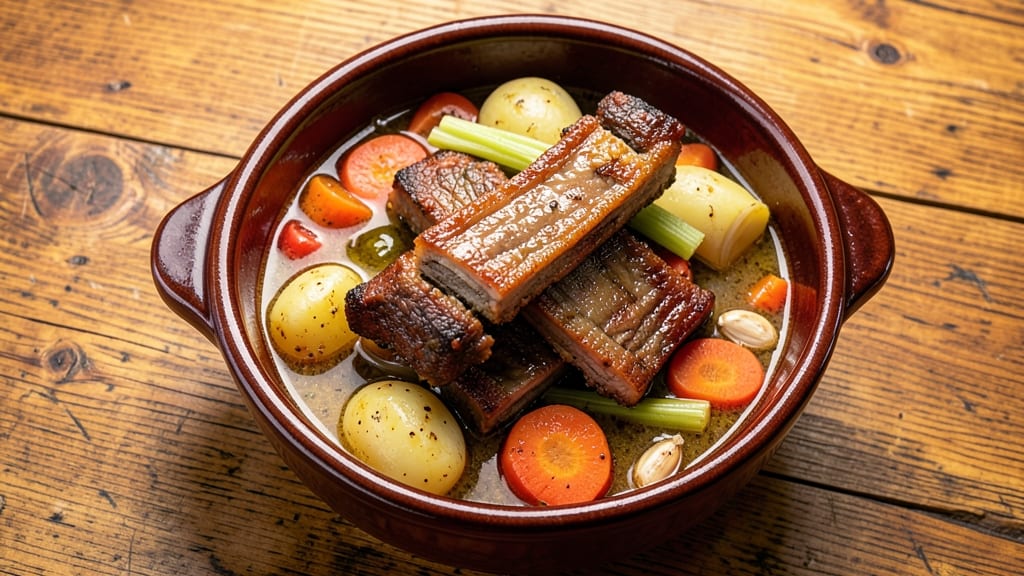
This ribs soup recipe delivers deep, smoky flavor and hearty texture in a single pot, making it the ultimate comfort food solution. This recipe transforms tough ribs into tender, fall-off-the-bone pieces while building a rich, aromatic broth that perfectly complements creamy potatoes and seasonal vegetables.
The slow-cooking process extracts maximum flavor from the bones, creating a broth so satisfying it becomes the star of the dish.
The beauty of this one-pot method lies in its simplicity—no complicated techniques required, just time and patience. You'll start with ribs that braise until tender, their collagen-rich connective tissue melting into the broth for natural thickening.
Meanwhile, potatoes and vegetables simmer alongside, absorbing the smoky, savory essence of the broth. What begins as a simple assembly of ingredients evolves into a deeply flavorful soup that tastes like a labor of love.
By the time you're ready to serve, you'll have a steaming bowl of soup where every spoonful delivers tender ribs, creamy potatoes, and a broth so rich it coats your palate with each bite.
The aroma alone will have everyone gathering around the table, and the first taste will confirm why this recipe deserves a permanent spot in your weekly rotation. This is the kind of soup that transforms ordinary weeknights into memorable meals.
The best part? Leftovers reheat beautifully, making this an ideal make-ahead recipe for busy schedules. Whether you're feeding a family or meal prepping for the week, this ribs and potatoes soup delivers restaurant-quality results with minimal effort. Let's get started on creating your new favorite one-pot masterpiece.
Ingredients for ribs soup
Six hearty ingredients transform into a smoky, comforting soup that's all about tender ribs and creamy potatoes.
| Ingredient | Amount | Notes |
|---|---|---|
| Beef Ribs 🍖 | 3 lb | Bone-in, meaty cuts preferred |
| Yukon Gold Potatoes 🥔 | 2 ½ lb | Cut into 1-inch chunks |
| Carrots 🥕 | 1 ½ lb | Whole, peeled, cut into chunks |
| Celery Stalks 🌿 | 4 whole | Cut into 1-inch pieces |
| Yellow Onion 🧅 | 1 whole | Large, chopped |
| Garlic Cloves 🧄 | 6 cloves | Minced, fresh preferred |
| Smoked Paprika 🌶️ | 2 tbsp | For deep smoky flavor |
| Ground Black Pepper 🌶️ | 1 tbsp | Freshly cracked |
| Kosher Salt 🧂 | 1 ½ tsp | Adjust to taste |
| Beef Broth 💧 | 6 cups | Homemade or high-quality |
| Tomato Paste 🍅 | ½ cup | For richness |
| Fresh Thyme Leaves 🌿 | ¼ cup | Or 1 tbsp dried |
| Bay Leaves 🌿 | 2 whole | Remove before serving |
| Extra-Virgin Olive Oil 🫒 | 2 tbsp | For initial searing |
The ribs are the star here, so look for bone-in, meaty cuts—they'll give you that rich broth and tender meat. Costco or local butcher shops often have great deals on beef ribs, and the extra fat ensures maximum flavor. If you can't find beef ribs, pork ribs work too, though the flavor will differ slightly. For the potatoes, Yukon Golds are ideal—they hold their shape while soaking up the broth beautifully. If you're short on time, pre-cut frozen potatoes save steps, but fresh is always better. The carrots and celery form the aromatic base, so don't skimp on freshness here—wilting veggies will make the broth taste flat.
No smoked paprika? Substitute with a mix of regular paprika and a pinch of liquid smoke, but it won't be quite the same. Fresh thyme is ideal, but dried works at one-third the amount. The tomato paste can be swapped for crushed tomatoes (use 1 cup), though it'll make the soup slightly chunkier. If you're avoiding gluten, make sure your beef broth is certified gluten-free. For extra depth, add a splash of red wine when searing the ribs—just deglaze with the broth later. The ribs can be pre-cooked and frozen for a quick shortcut, but browning them fresh builds the best flavor foundation.
This soup tastes even better the next day as the flavors meld. Store leftovers in the fridge for up to 5 days, or freeze portions for 3 months. I like to portion it into containers so I can grab a bowl straight from the freezer on busy mornings. The broth thickens as it cools, so add a splash of water or broth when reheating. If you're meal prepping, make a double batch—the extra portions disappear fast, especially with kids around. The ribs will get even more tender when reheated, so don't rush the process.
Why You'll Love This Recipe
- One-Pot Magic: I swear by this for nights when I’d rather not dirty three pots. Toss everything—ribs, potatoes, carrots, celery, onion—into a deep pot, add water, and let it simmer. The ribs practically fall off the bone while the veggies soften into perfect bite-sized pieces. No chopping like a fine-diner’s stew, just hearty, rustic goodness.
- Rich & Rustic: Here’s what sold me—the ribs add this deep, meaty backbone that turns a simple veggie broth into something real. The Yukon Golds soak up the flavor like sponges, and the carrots stay just tender enough to cut through the richness. It’s the kind of soup that makes you want to wrap your hands around the bowl.
- Lunchbox Hero: Between us, this is my go-to for meal prep. The flavors only get better the next day, and it reheats like a dream. Pack it in a thermos for work, or serve it cold with crusty bread for a picnic—no one will guess it started as a weeknight dinner.
- Budget-Friendly Feast: A pound of beef ribs stretches farther than you’d think when you’re simmering them low and slow with potatoes and carrots. I’ll be real: it’s not the fanciest cut, but the flavor punches way above its price. Plus, the leftovers? Freezer-friendly and always a hit when I’m too tired to cook.
Step-by-step instructions for ribs and potatoes soup
This hearty one-pot masterpiece delivers smoky, tender ribs and creamy potatoes in a single pot.
Sear the Ribs for Deep Flavor
Heat a large Dutch oven over medium-high heat. Add the 2 tablespoons extra-virgin olive oil and let it shimmer for about 1 minute. Add the 3 lb beef ribs in a single layer, meaty-side down. Let them sear undisturbed for 5-6 minutes until a deep golden-brown crust forms.
This initial searing creates the Maillard reaction, which develops that rich, caramelized flavor. I press down gently on the ribs during the first minute to prevent them from curling and ensure even contact with the pan. Flip the ribs and sear the other side for another 5-6 minutes until equally browned. Remove the ribs and set them aside on a plate.
Build the Soup Base with Vegetables
In the same Dutch oven, add the chopped 1 whole yellow onion and cook for 3-4 minutes until softened and translucent. Add the 6 minced garlic cloves and cook for 30 seconds until fragrant. Stir in the 2 tablespoons smoked paprika and 1 tablespoon ground black pepper, letting them toast for 1 minute until aromatic.
Add the 1.5 lb carrots cut into chunks, 4 celery stalks cut into 1-inch pieces, and 2.5 lb yukon gold potatoes cut into 1-inch chunks. Pour in the 6 cups beef broth and bring to a gentle boil. Reduce heat to medium-low, cover partially, and let the vegetables simmer for 15 minutes until they begin to soften.
Develop the Rich Sauce
Stir in the 0.5 cup tomato paste and let it cook for 2-3 minutes until it darkens slightly and blends smoothly into the broth. Add the 0.25 cup fresh thyme leaves and 2 whole bay leaves. Return the seared ribs to the pot, along with any accumulated juices on the plate.
Bring the soup back to a gentle simmer. Cover and cook for 1 hour, stirring occasionally. The ribs should become fork-tender, and the potatoes should be soft enough to pierce easily with a fork. Taste and adjust seasoning with the 1.5 teaspoons kosher salt if needed.
Finish and Serve
Remove the 2 whole bay leaves from the soup. Let the soup simmer uncovered for an additional 10-15 minutes to allow the flavors to meld and the liquid to reduce slightly, creating a more concentrated broth. The ribs should be falling off the bone, and the potatoes should be creamy and tender.
Ladle the soup into bowls, making sure each serving includes a generous portion of ribs and potatoes. The soup should have a rich, smoky aroma with a velvety texture from the potatoes. Serve immediately with crusty bread to soak up every last drop of that flavorful broth.
Pro Tips For Making Ribs Soup
- Brown the Ribs First: Don’t just toss raw ribs into the pot—they’ll turn the broth murky. Sear them in a hot Dutch oven with oil until deep brown (about 5 minutes per side) before adding liquid. The crust adds flavor that no amount of simmering can replicate.
- Cut Potatoes Evenly: Big chunks stay undercooked; small ones turn to mush. Aim for 1.5-inch cubes for Yukon Golds—thick enough to hold shape but small enough to soften in the same time as the ribs. (Yes, even if you’re impatient like me.)
- Salt the Water Generously: The broth needs seasoning from the start, not just at the end. Add 1–2 teaspoons of salt to the water before the ribs go in—it’ll dissolve evenly and prevent blandness. (Your future self will notice the difference.)
- Skim Early, Skim Often: The first 30 minutes of simmering release the most foam and impurities. Use a ladle to skim the surface every 10 minutes—it keeps the broth clear and stops it from tasting bitter. (This isn’t the prettiest method, but it’s the tastiest.)
Essential equipment for great ribs soup
Dutch Oven Essentials
A Dutch oven is your best friend for this ribs and potatoes soup—it distributes heat evenly and locks in moisture. I recommend a 5-6 quart enameled cast iron Dutch oven like the Lodge 5.5 Quart for its durability and heat retention.
The heavy base ensures even cooking, while the lid traps steam to tenderize the ribs and vegetables. If you don’t own one, a heavy-bottomed stockpot with a tight-fitting lid works too. Just avoid thin aluminum pots—they won’t hold heat consistently. 🔥
Precision Thermometer
Monitoring internal temperatures is key for perfect ribs. A meat thermometer like the ThermoWorks Smoke or Instant Read Thermometer lets you track the ribs’ progress without opening the pot. Insert the probe into the thickest part of the meat—it should reach 203°F for fork-tender ribs.
For broth temperature, aim for a gentle simmer between 190-200°F to avoid overcooking the vegetables. This tool saves you from guesswork and ensures restaurant-quality results every time. ⏰
Immersion Blender
While this soup doesn’t require blending, an immersion blender like the Ninja CB1000 comes in handy for adjusting texture. If you prefer a smoother broth, blend a portion of the soup (without the ribs) for 10-15 seconds before returning it to the pot.
This creates a velvety consistency without losing the ribs’ integrity. For a rustic texture, skip blending—just stir vigorously to emulsify the broth. The choice is yours, but blending adds a luxurious touch. 💫
Tongs for Handling Ribs
Use heat-resistant silicone or metal tongs to safely flip the ribs during searing. I prefer OXO Good Grips for their sturdy build and comfortable grip—they prevent burns and make handling heavy ribs effortless.
Avoid wooden spoons, which can splinter when scraping the pot’s edges. Long-handled tongs also help you avoid steam burns when adjusting the pot’s contents later in the cooking process. 💪
Knife and Cutting Board
A sharp chef’s knife and large cutting board are non-negotiable for prepping ribs and vegetables efficiently. I use a Wüsthof Classic 8-inch knife for its precision and durability. For ribs, cut them into 2-3 inch sections to fit comfortably in your Dutch oven.
A non-slip silicone mat on your cutting board adds stability, especially when chopping onions or garlic. Proper prep ensures even cooking and cleaner flavor extraction. ✨
Optional: Slow Cooker
For a hands-off approach, a 6-quart slow cooker like the Hamilton Beach 64490 works wonders. Sear the ribs in a skillet first, then transfer everything to the slow cooker and cook on Low for 8 hours or High for 5 hours.
The ribs will be fall-off-the-bone tender, and the broth will develop deep flavor. Just skip the final uncovered simmer—slow cookers don’t reduce broth as effectively. This method is perfect for busy weeknights. 📅
Nutrition facts
Frequently asked questions
Can I make this soup with pork ribs instead of beef?
Pork ribs work beautifully and add a slightly sweeter, milder flavor. The cooking time remains the same, but pork ribs may require 10-15 minutes less total simmering since they cook faster than beef. Just ensure they reach 195°F internally for tender results. The broth will have a different character, but the creamy potatoes and smoky spices will still shine.
How do I fix tough ribs in my soup?
If your ribs turn out tough, it’s likely they didn’t cook long enough. Next time, aim for 1.5-2 hours of simmering until they reach 203°F internally. For already-cooked ribs, try shredding them and returning them to the pot for another 30 minutes to absorb more broth. Alternatively, blend a portion of the broth (without ribs) for 10 seconds to create a thicker, more flavorful sauce.
Can I prep this soup ahead of time?
This recipe is perfect for meal prep! Assemble everything except the ribs, refrigerate overnight, then cook as directed. For best results, store fully cooked soup in the fridge for up to 5 days or freeze for 3 months. Reheat gently on the stove, adding a splash of water or broth if the soup seems too thick. The flavors actually improve overnight as the broth melds.
What if I don’t have smoked paprika?
No problem! Mix 1 tbsp regular paprika with ½ tsp liquid smoke for a similar smoky depth. For an even simpler swap, use 1 tsp garlic powder + ½ tsp onion powder—it won’t be identical, but the soup will still be delicious. The key is balancing the smokiness with the other spices (like thyme and bay leaves) to maintain harmony in the broth.