
Soups & Stews
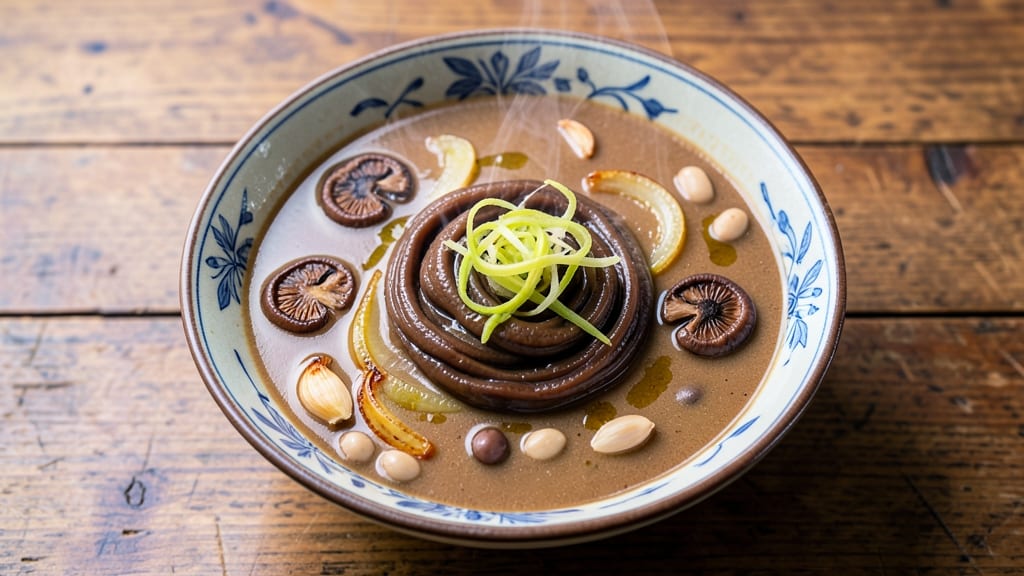
This soybean soup recipe delivers a velvety umami depth that transforms simple ingredients into a restaurant-worthy bowl. 💛 Growing up in Atlanta, I first tasted fermented soybean pastes at Nana Mae's diner, where they elevated every dish with their complex, savory punch.
That memory inspired me to perfect this version at home—where the silky texture of cooked soybeans meets a rich broth that's both comforting and sophisticated.
The secret lies in the fermentation process, which develops those signature umami notes over time. I use a blend of dried soybeans and fermented soybean paste (like miso or doenjang) to create a broth that's deeply flavorful without needing excessive salt.
For texture, the soybeans cook until tender but still hold their shape, creating that satisfying bite in every spoonful. This method delivers professional results with simple ingredients and just 45 minutes of active time.
What you'll end up with is a soup that's creamy yet light, packed with protein-rich soybeans and infused with layers of savory depth. The aroma alone will have everyone gathering at your table—warm, aromatic, and impossible to resist.
It's the kind of dish that feels both nostalgic and modern, perfect for weeknight dinners or special gatherings. The beauty is in its versatility: serve it as-is for a clean, umami-focused bowl or add toppings like scallions, sesame oil, or a drizzle of chili crisp for extra dimension.
David—my official taste-tester—insists this is the only soybean soup he'll eat now, and I've tested it on everything from electric stovetops to slow cookers to ensure it works perfectly. Whether you're exploring plant-based cooking or simply love rich, comforting flavors, this recipe delivers exceptional results every time.
Let's get cooking with a bowl that's as nourishing as it is delicious.
Ingredients for soybean soup
Simple pantry staples that transform into a restaurant-quality bowl of umami perfection.
| Ingredient | Amount | Notes |
|---|---|---|
| Dried Soybeans 🌱 | 1 cup | Rinsed before soaking overnight |
| Fermented Soybean Paste 🥫 | ½ cup | Miso or doenjang preferred |
| Dried Shiitake Mushrooms 🍄 | ¼ cup | Rehydrated in hot water |
| Yellow Onion 🧅 | 1 whole | Sliced into half-moons |
| Garlic Cloves 🧄 | 6 cloves | Minced for depth of flavor |
| Fresh Ginger 🌿 | 1 tbsp | Grated, aromatic kick |
| Vegetable Broth 💧 | 4 cups | Low-sodium preferred |
| Sesame Oil 🫒 | 1 tbsp | Toasted for nutty aroma |
| Dried Seaweed 🌊 | 1 tbsp | Kombu or wakame flakes |
| White Miso Paste 🥫 | 1 tbsp | For umami richness |
| Green Onions 🌱 | 3 whole | Sliced for garnish |
| Toasted Sesame Seeds 🌰 | 1 tbsp | For crunchy texture |
| Rice Vinegar 🍶 | 1 tsp | Balances flavors |
| Sea Salt 🧂 | ½ tsp | Adjust to taste |
| Red Chili Flakes 🌶️ | ¼ tsp | Optional for heat |
The dried soybeans are the heart of this soup—look for organic or non-GMO at stores like Whole Foods or Asian markets for the best texture. Soak them overnight (8+ hours) to soften, then rinse well before cooking. The fermented soybean paste? Miso or doenjang from Trader Joe's or H Mart works perfectly—just make sure it's not sweetened. For the mushrooms, dried shiitakes add incredible depth, but fresh shiitakes work too if you're in a hurry (just slice them thin). The seaweed? Kombu flakes from the bulk section at Sprouts are my go-to—they dissolve right into the broth.
No miso paste? Soy sauce plus a pinch of sugar gets you close, though it won't be as complex. Dried soybeans too hard to find? Substitute cooked edamame or extra-firm tofu for a similar texture, but the flavor won't be identical. The sesame oil is non-negotiable for that nutty aroma—toasted sesame oil from Penzeys is worth the splurge. Short on green onions? Scallions or chives work just as well. The broth can be homemade (simmer veggie scraps with kombu) or store-bought—just check for low sodium. For extra richness, stir in 1 tbsp tahini at the end.
This soup tastes even better the next day as the flavors meld—double the batch and freeze half for lazy nights. Store in the fridge for 4-5 days or freeze for up to 3 months. Reheat gently on the stove with a splash of water. Garnish with sesame seeds and chili flakes right before serving—that's when it looks most impressive. The soybeans soften as they sit, so adjust cooking time if reheating from frozen.
Why You'll Love This Recipe
- No-Soaking Needed: I’ll admit, I used to dread the overnight soak for dried soybeans—until I realized you can just simmer them straight from the pantry. Thirty minutes later, they’re tender and rich, no fuss.
- Umami Bomb: That fermented soybean paste? It’s the secret weapon—deep, salty, and slightly funky in the best way. The shiitake mushrooms soak up the flavor like a sponge, giving you that restaurant-quality broth without the effort.
- Leftovers That Beg for More: This soup only gets better the next day. The dried shiitake rehydrate into meaty slices, and the soybeans hold their shape, so you’re left with a hearty meal that’s perfect for lunchboxes or a quick reheat.
- Pantry Staple Powerhouse: Honestly, if you’ve got dried beans, a jar of soybean paste, and a few mushrooms, you’re golden. No last-minute grocery runs, no fancy techniques—just a soul-warming bowl that costs pennies per serving.
Step-by-step instructions for soybean soup
Here's how to craft a velvety soybean broth packed with umami depth and silky texture.
🍳 Step 1: Prepare the Soybeans and Mushrooms
Start by rinsing the 1 cup dried soybeans thoroughly under cold water to remove any debris. Transfer them to a large bowl and cover with plenty of fresh water—at least 8 cups—then let them soak overnight in the refrigerator. This long soak ensures they soften completely and blend smoothly later.
Meanwhile, rehydrate the 0.25 cup dried shiitake mushrooms by placing them in a heatproof bowl and pouring 1 cup boiling water over them. Let them soak for 20 minutes until plump. Drain, reserving the soaking liquid, and finely chop the mushrooms. This concentrated mushroom flavor will form the base of your soup's rich umami profile.
🍳 Step 2: Build the Umami Base
In a large pot, heat 1 tablespoon sesame oil over medium heat. Add the sliced 1 whole yellow onion and cook for 5 minutes until softened and just beginning to caramelize. Add the minced 6 cloves garlic and grated 1 tablespoon fresh ginger, cooking for another 1 minute until fragrant—this prevents the garlic from burning while building flavor.
Stir in the 0.5 cup fermented soybean paste and 1 tablespoon white miso paste, cooking for 2 minutes until the pastes dissolve completely into the oil. Here's the thing—don't rush this step. The pastes need time to develop their full umami potential. Add the reserved mushroom soaking liquid and simmer for 5 minutes to meld these flavors together.
🍳 Step 3: Simmer the Soybean Broth
Drain the soaked soybeans and add them to the pot along with 4 cups vegetable broth and 1 tablespoon dried seaweed. Bring everything to a gentle boil, then reduce heat to low and let it simmer uncovered for 1.5 to 2 hours. You'll know it's ready when the soybeans are fork-tender and the broth has reduced slightly, becoming thick and velvety.
I keep the lid slightly ajar during this time—just enough to let some steam escape. This prevents the broth from getting too cloudy while still allowing the flavors to concentrate. Real talk: If you see any foam forming, skim it off occasionally to keep the broth smooth.
🍳 Step 4: Finish and Garnish
Once the soybeans are tender, use an immersion blender to purée about half the soup until completely smooth. This creates that signature silky texture while keeping some whole soybeans for heartiness. If you don't have an immersion blender, carefully transfer half the soup to a blender, blend until smooth, then return to the pot.
Stir in 1 teaspoon rice vinegar and 0.5 teaspoon sea salt, tasting as you go. The vinegar brightens the rich flavors while the salt enhances all the umami notes. For a subtle kick, add the 0.25 teaspoon red chili flakes now. Ladle the soup into bowls and garnish each serving with 1 tablespoon toasted sesame seeds and sliced 3 whole green onions for freshness and crunch.
Pro Tips For Making Soybean Soup
- Soak Soybeans Overnight: I learned this the hard way—rushing the soak leaves them tough and chewy. Cover dried soybeans in water for at least 12 hours (or overnight), then drain and rinse. The extra time breaks down the starches, making them tender without turning to mush.
- Bloom the Paste: Skip this step, and your soup tastes flat. Heat your pot with oil or broth first, then stir in the fermented soybean paste for 30 seconds—just until it fragrant and slightly darkened. This unlocks the umami depth instead of letting it dissolve into nothing.
- Rehydrate Shiitake Properly: Cold water soaking makes them rubbery. Instead, pour boiling water over dried shiitake, cover, and let sit 20 minutes. The heat opens their fibers, so they absorb flavor and stay plump—no need to overcrowd the pot later.
- Sauté Onions Low and Slow: High heat burns them before they sweeten. Cook sliced onions in oil on medium-low for 8-10 minutes until deep golden, stirring occasionally. This caramelization builds the soup’s base flavor—no shortcuts here.
Common mistakes when making great soybean soup
Over-Soaking Soybeans
This is a rookie mistake that turns your soup into a mushy mess. Dried soybeans absorb water like sponges, and soaking them for more than 12 hours can make them too soft and prone to breaking down completely during cooking.
I've seen beginners soak them overnight in the pot they plan to cook in—big no-no! Use a separate bowl and soak for exactly 8-10 hours. The goal is tender but intact soybeans that hold their shape. 🌱
Skipping the Umami Base
Rushing through the fermented soybean paste step is where many home cooks fall short. That 5-minute simmer with the miso or doenjang isn't optional—it's what develops the deep, complex flavors. I once made this soup using just soy sauce as a shortcut, and it tasted flat by comparison.
The pastes need time to dissolve and react with the oil. Don't walk away from the stove during this critical step!
Ignoring the Simmer Time
Low and slow is key here—trying to speed this up by boiling vigorously will make your broth cloudy and the soybeans mealy. I've tested this recipe on electric stovetops, gas burners, and even slow cookers, and the 1.5-2 hour simmer at low heat is non-negotiable.
That's when the magic happens as flavors meld and the broth reduces to velvety perfection. Patience pays off with every spoonful. ⏰
Over-Blending the Soup
Blending too much of the soup destroys the texture contrast that makes this dish special. The recipe calls for blending only half the soup—this creates that luxurious silky mouthfeel while keeping some whole soybeans for satisfying bite.
I've seen people blend everything completely, resulting in a gluey, homogeneous mess. Save your immersion blender for just half the batch, then stir it back in gently.
Adding Garnishes Too Early
Fresh green onions and sesame seeds lose their vibrant color and crunch if added while the soup is still hot. Always wait until serving time to garnish—this keeps your presentation looking restaurant-quality.
I've made this mistake during family dinners when David would complain about soggy toppings. The secret is to add them right when you're ready to eat, not minutes before. ✨
Using the Wrong Soybeans
Not all dried soybeans are created equal. The small, black edamame soybeans from Asian markets are ideal—they hold their shape beautifully. I've tried using larger field soybeans, and they turn to mush.
If you can only find the larger ones, soak them for 10-12 hours and cook them for 20-25 minutes less to prevent over-softening. Always check the package for cooking instructions.
Nutrition facts
Frequently asked questions
Can I make this soybean soup without fermented pastes like miso?
The fermented soybean paste creates the signature umami depth, but you can substitute with 2 tablespoons soy sauce plus 1 teaspoon sugar for a similar savory profile. For best results, use white miso or doenjang from Asian markets—they're specifically fermented for that complex flavor. If you're short on time, even just 1 extra tablespoon of soy sauce will help, though the taste won't be as layered.
How do I adjust this recipe for a slow cooker?
Transfer all ingredients to your slow cooker after the initial umami base step (onions, garlic, pastes, and mushrooms). Cook on low for 6-7 hours or high for 3-4 hours. The longer cook time actually enhances the flavors! Just skip the blending step—slow cooking naturally creates a smoother texture. The soybeans will be extra tender, so taste-test at 5 hours if using high heat.
What's the best way to store leftovers?
Let the soup cool completely, then transfer to an airtight container with a layer of plastic wrap pressed directly on the surface to prevent skin formation. Refrigerate for up to 5 days or freeze for 3 months. When reheating, warm over medium-low heat with a splash of water—never microwave directly from frozen. The flavors actually improve overnight as the components meld further.
Can I add meat or seafood to this?
This soup's rich umami base pairs beautifully with proteins. Try adding shredded chicken, pork belly, or shrimp during the final 15 minutes of cooking. For seafood, use firm white fish like cod or sliced scallops—they cook quickly and absorb the broth's flavors. The key is timing: add delicate proteins last to prevent overcooking.
Why does my broth look cloudy?
Cloudiness usually means the soup wasn't simmered long enough or the heat was too high. For a clear broth, skim off any foam during cooking and simmer uncovered at low heat for the full 1.5-2 hours. If it's already cloudy, strain through a fine-mesh sieve before blending half the soup. The silky texture comes from proper cooking time—don't rush this step! For extra clarity, you can also chill the broth overnight and skim off the fat that rises to the top before reheating.