
Soups & Stews
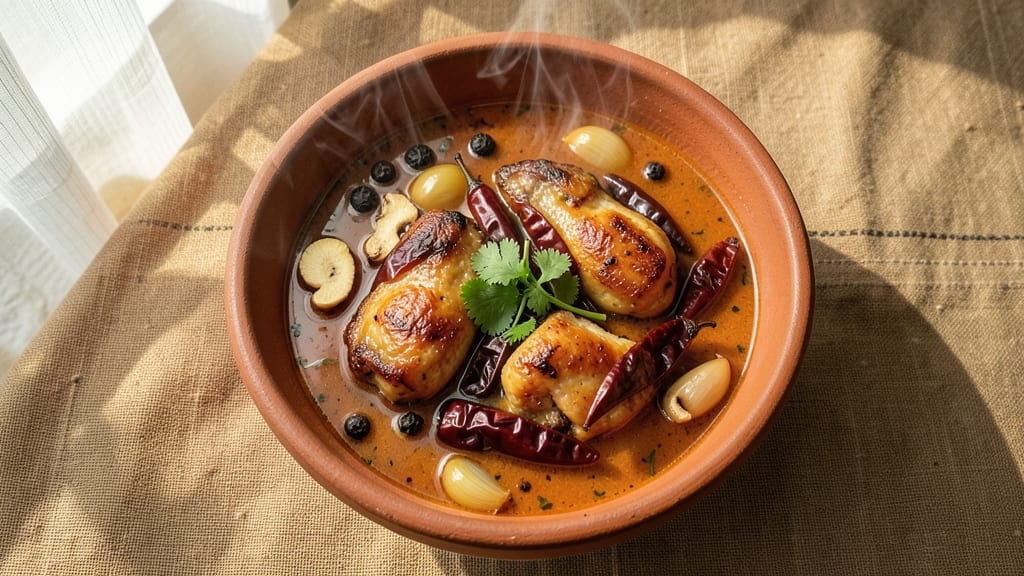
This West African pepper soup recipe delivers a bold, spice-infused healing elixir that's been passed down through generations. The aromatic blend of peppers, herbs, and protein creates a deeply flavorful broth with both culinary and medicinal significance in West African culture.
My version uses chicken as the base protein, but the same technique works beautifully with goat or fish.
The secret lies in the slow simmering process, which allows the spices—black pepper, scotch bonnet, and ginger—to infuse the broth deeply while tenderizing the meat.
Traditional recipes often include leafy greens like spinach or bitterleaf for added nutrition, though I prefer using collard greens for their milder flavor and hearty texture. This soup isn't just a meal; it's a restorative experience that warms both body and soul.
By the time you finish this recipe, you'll have a rich, peppery broth filled with tender protein and vibrant vegetables, all balanced with just the right amount of heat. The aroma alone will transform your kitchen into a West African gathering space.
Perfect for healing after illness, celebrating special occasions, or simply enjoying a comforting bowl on a chilly evening.
This recipe serves 6-8 people and can be easily doubled for larger gatherings. The leftovers keep well in the refrigerator for up to 5 days, with flavors deepening as the spices continue to meld.
Whether you're cooking for family, friends, or yourself, this pepper soup promises to become a staple in your kitchen.
Ingredients for west african pepper soup
Gather these vibrant ingredients for a soul-warming West African pepper soup experience.
| Ingredient | Amount | Notes |
|---|---|---|
| Boneless Chicken Thighs 🍗 | 2 ½ lb | Skin-on preferred for flavor |
| Scotch Bonnet Peppers 🌶️ | 2 whole | Seeds removed for less heat |
| Black Peppercorns 🌶️ | 1 tbsp | Crushed for infusion |
| Fresh Ginger Root 🧄 | 2 tbsp | Finely grated, peeled |
| Yellow Onions 🧅 | 1 whole | Medium size, chopped |
| Garlic Cloves 🧄 | 6 cloves | Peeled, roughly chopped |
| Fresh Thyme Leaves 🌿 | ½ cup | Stems removed, packed |
| Collard Greens 🥬 | 1 lb | Stems removed, chopped |
| Tomatoes 🍅 | 4 whole | Medium size, quartered |
| Chicken Broth 💧 | 6 cups | Low-sodium preferred |
| Olive Oil 🫒 | ¼ cup | Extra-virgin for richness |
| Salt 🧂 | 1 ½ tsp | Adjust to taste |
| Lemon Juice 🍋 | 2 tbsp | Freshly squeezed |
| Fresh Cilantro 🌿 | ¼ cup | Chopped, for garnish |
The scotch bonnet peppers are the heart of this soup, so pick them fresh—look for firm, glossy peppers at Latin or Caribbean markets. If you can't find them, habaneros work in a pinch, but reduce the amount by half. The ginger should be bright yellow inside with no mold. For the chicken, thighs stay juicier than breasts during the long simmer—Costco or local butchers often have good prices. Fresh thyme is ideal, but dried at one-third the amount works if you're in a hurry. Collard greens should be deep green, not wilted—the stems are tough, so trim them out.
No scotch bonnet? Jalapeños or cayenne add heat, but taste milder. The broth can be homemade or store-bought—just check the sodium. Low-sodium or homemade is best. For extra richness, swap half the broth for coconut milk. The tomatoes can be fresh or canned (San Marzano if canned). If you're using dried thyme, toast it in a dry pan for 30 seconds to deepen the flavor. The collard greens can be swapped for spinach or kale, but collards hold up better to the long cooking time.
This soup tastes even better the next day as flavors meld. Keeps for 5 days in the fridge, or 3 months frozen. For reheating, add a splash of water or broth to prevent drying out. I like to make a big batch—leftovers make great lunches. The broth freezes beautifully, so portion it out if you want to keep it for later. The fresh cilantro and lemon juice are best added just before serving, so don't worry about prepping them too far ahead.
Why You'll Love This Recipe
- No-Fuss Simmer: I swear by this recipe because it’s one of those rare dishes where prep feels like an afterthought. Dice onions, slice ginger, and toss in the chicken—then let the soup work its magic while you handle the rest. The Scotch bonnet peppers do all the heavy lifting on flavor, so you’re not stuck chopping a dozen herbs.
- Heat That Stays: That first bite of tender chicken in a broth so bold it lingers? The ginger and black peppercorns build heat that doesn’t fade—just right for when you want something that hits but doesn’t overwhelm. (Yes, even on a Tuesday night.)
- Leftovers That Beg: This soup tastes better the next day, honestly. The flavors meld into something richer, and reheating it is just a matter of stirring. I’ve sent jars of this to neighbors—it’s that universally loved.
- Budget-Friendly Powerhouse: Chicken thighs stretch across meals, and the spices cost pennies. A single Scotch bonnet (or even half) punches way above its weight, so you’re not buying specialty ingredients for one recipe. My wallet and my taste buds both win.
Step-by-step instructions for West African pepper soup
Here's how to create this vibrant, spice-packed healing broth that balances bold flavors with nourishing ingredients.
Prepare the Base Ingredients
In a large Dutch oven, heat the 0.25 cup olive oil over medium-high heat until shimmering. Add the 2.5 lb boneless chicken thighs, skin-side down, and cook for 5-6 minutes until golden brown on one side. Flip the thighs and cook another 4-5 minutes until lightly browned on both sides. This initial sear builds deep flavor that infuses the entire soup.
Remove the chicken from the pot and set aside. In the same pot, add the 1 whole yellow onions and cook for 3-4 minutes until softened. Stir in the 6 cloves garlic cloves and cook for 30 seconds until fragrant. Add the 2 tbsp fresh ginger root and cook for 1 minute until the raw ginger smell disappears. Here's where it gets aromatic—this trio forms the flavor foundation of the soup.
Build the Spice Infusion
Add the 2 whole scotch bonnet peppers (seeds removed) and the 1 tbsp black peppercorns to the pot. Cook for 2-3 minutes until the peppers soften slightly. This step is crucial for developing the signature heat and depth of West African pepper soup. The peppers should release their oils but not burn—watch carefully as they darken quickly.
Pour in the 6 cups chicken broth and bring to a gentle boil. Return the chicken thighs to the pot, skin-side up, and add the 0.5 cup fresh thyme leaves. Reduce heat to medium-low and simmer uncovered for 30 minutes. This initial simmer allows the broth to develop its rich, spiced character while the chicken begins to tenderize.
Add Vegetables and Complete Cooking
After 30 minutes, add the 1 lb collard greens (stems removed and chopped) and 4 whole tomatoes (quartered). Stir gently to combine, then add the 1.5 tsp salt. Return to a simmer and cook for another 20-25 minutes until the collard greens are tender and the chicken is fork-tender. The soup should have a vibrant red-orange color from the peppers and tomatoes.
Here's the thing—this is where the soup transforms from simple broth to complex elixir. The collard greens will soften and infuse their earthy flavor, while the tomatoes add brightness that balances the heat. You'll notice the aroma becomes more intense as the spices meld together.
Finish and Serve
Remove the chicken thighs from the soup and let them rest on a cutting board for 5 minutes. Strain the broth through a fine-mesh sieve into a clean pot, pressing gently on the solids to extract maximum flavor. Discard the solids or save for another use if desired.
Return the strained broth to the heat and stir in the 2 tbsp lemon juice. Simmer for 2-3 minutes to brighten the flavors. The lemon juice cuts through the richness of the chicken fat and adds a refreshing finish. Taste and adjust seasoning—you might need a pinch more salt or lemon juice depending on your preference.
Assemble and Garnish
Shred the rested chicken thighs using two forks and return them to the pot with the broth. Gently stir to combine, then divide the soup among serving bowls. Garnish each serving with 0.25 cup fresh cilantro and serve immediately with crusty bread or rice. This soup tastes best fresh when all the flavors are at their peak.
Real talk: The first time you make this, you might worry about balancing the heat. But trust the process—the collard greens and tomatoes naturally temper the scotch bonnet peppers' intensity while the thyme and ginger add complexity. Each bowl should deliver warmth, spice, and nourishment in every sip.
Pro Tips For Making West African Pepper Soup
- Char Chicken First: Skip the raw chicken in the pot—sear those thighs in a hot skillet until golden before adding them to the soup. I learned this the hard way: unseared chicken turns the broth murky and dulls the peppery depth you’re working so hard to build.
- Peel Scotch Bonnets Carefully: Those peppers pack heat, but their skins are slippery—wear gloves and peel them lengthwise with a sharp knife, then remove the seeds and membranes in one pull. Messy? Yes. Worth it? Absolutely, or you’ll end up with a soup that’s more fire than flavor.
- Bloom the Ginger: Don’t just chop and toss the ginger—heat it in oil for 30 seconds until fragrant before adding onions. Sounds weird, but it works: the ginger’s sharpness mellows into a warm, earthy backbone for the soup, not just another spicy punch.
- Simmer, Don’t Boil: Let the soup bubble gently after adding the chicken, or you’ll cook the thighs unevenly and turn the broth cloudy. A steady simmer (small bubbles, occasional skims) keeps the flavors layered and the chicken juicy—not rubbery or overdone.
Serving suggestions for leftovers
Bread Pairings
This rich pepper soup pairs beautifully with crusty sourdough or focaccia—their chewy texture contrasts perfectly with the tender chicken and silky broth. I recommend a baguette-style loaf from your local bakery, sliced thickly and toasted until golden.
The crust helps soak up the spiced broth without becoming soggy. For extra authenticity, try West African ogiri bread—a fermented cornmeal flatbread that adds a nutty depth when dipped. 🥖
Rice Complements
For a heartier meal, serve with jasmine rice or basmati rice, both of which hold up well to the soup’s bold flavors. Cook the rice separately and let it sit for 10 minutes after cooking to achieve a perfect texture.
In West African traditions, red rice (cooked with tomatoes and spices) is often served alongside pepper soup, creating a vibrant color contrast. I like to add a pinch of smoked paprika to the rice for an extra layer of warmth. 🍚
Protein Additions
While this recipe uses chicken, you can easily elevate it with extra protein. Grilled shrimp or smoked fish (like tilapia or mackerel) add a luxurious touch when served on the side. For a traditional approach, include hard-boiled eggs—their creamy texture balances the peppery broth beautifully.
I often add 2-3 eggs to the soup during the final 5 minutes of cooking for a silky finish. 🍳
Fresh Garnishes
Brighten each bowl with sliced scallions and lime wedges for a pop of freshness. The acidity of lime cuts through the richness, while scallions add a mild onion note. For a crunchy element, sprinkle toasted peanuts or sesame seeds on top—both provide texture and a subtle nutty flavor.
In West African households, fresh herbs like shiso or mint are sometimes used, but cilantro remains my go-to for its citrusy brightness. 🌿
Drink Pairings
A light lager like Guinness or Sierra Nevada Pale Ale complements the soup’s spice without overpowering it. For a non-alcoholic option, hibiscus tea (sold as roselle tea in African markets) adds a tart, floral note that enhances the peppery flavors.
I also love serving ginger beer—its effervescence cleanses the palate between bites. Avoid heavy wines or dark beers, as they can clash with the soup’s vibrant heat. 🍺
Cultural Serving Traditions
In West African culture, pepper soup is often served in shared bowls during gatherings, symbolizing unity and care. Use a large, shallow bowl (like a tagine or clay pot) to let everyone serve themselves.
For special occasions, present the soup in individual clay cups—their earthy warmth enhances the flavors. Always serve with a small side of spicy shito (black pepper sauce) for those who crave extra heat. The act of sharing this nourishing dish is as important as the meal itself. 🌍
Nutrition facts
Frequently asked questions
Why is scotch bonnet pepper so important in this recipe?
The scotch bonnet pepper is the soul of West African pepper soup—it delivers the signature heat and aromatic depth that defines the dish. Its fruity, slightly sweet heat balances the earthy collard greens and rich chicken, creating the perfect harmony of flavors. Without it, you'd miss the authentic cultural essence that makes this more than just a spicy soup.
Can I make this soup with fish instead of chicken?
Fish versions are incredibly popular, especially with tilapia, mackerel, or catfish. Use 1.5 lbs firm white fish fillets instead of chicken, and reduce the cooking time to 15-20 minutes after adding the fish (it cooks much faster). For extra authenticity, add 1-2 palm oil cubes to the broth for a deeper, richer flavor.
How do I adjust the heat level if scotch bonnet is too spicy?
Remove the seeds and membranes from the scotch bonnet first—they contain most of the capsaicin (the heat compound). For milder heat, reduce the number to 1 pepper or swap for 1 jalapeño. If the soup still feels too hot, stir in 1 tbsp tomato paste or 2 tbsp coconut milk to mellow the flavors. The collard greens and tomatoes naturally help balance the heat as they cook.
What's the best way to store and reheat leftovers?
Store in an airtight container in the fridge for up to 5 days, or freeze for 3 months. To reheat, warm on the stovetop over medium-low heat with a splash of water or broth to prevent drying. Never microwave directly from the fridge—this breaks the broth's delicate texture. For best results, reheat only what you'll eat immediately.
Can I make this soup vegetarian?
Yes, but with some adjustments. Replace the chicken with 1 lb mushrooms (like shiitake or oyster) or 1 can white beans for protein. Add 1 tbsp soy sauce or 1 tsp miso paste to enhance umami. For a more traditional approach, use smoked tofu or tempeh, but increase the cooking time by 10 minutes to develop deeper flavors.