
Soups & Stews
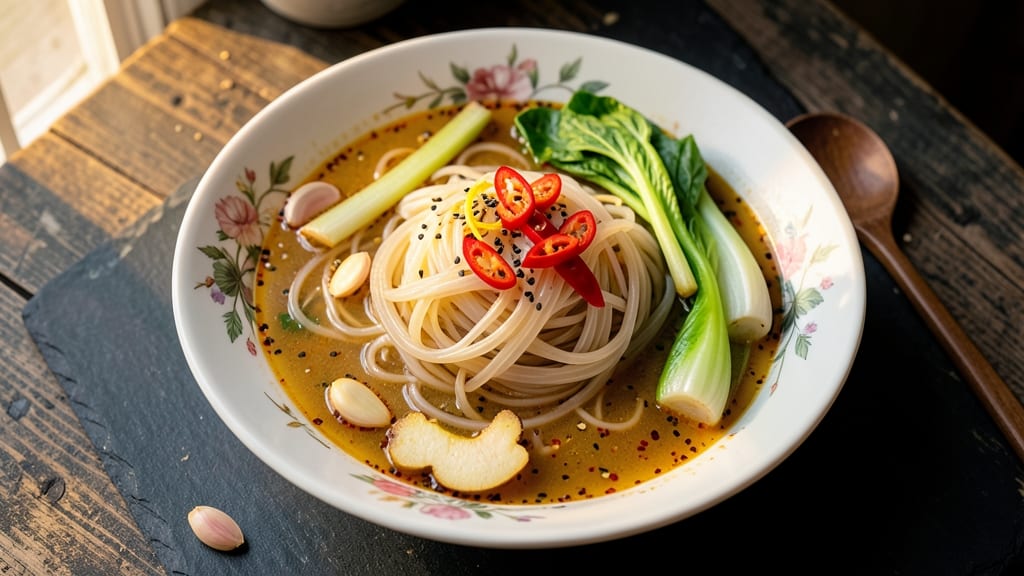
This Asian vegetable noodle soup recipe delivers the perfect balance of aromatic broth, silky rice noodles, and fresh vegetables in every steaming bowl. 🌿 The secret lies in a fragrant ginger-lime broth that simmers with lemongrass and chili, creating layers of flavor that transform simple ingredients into something extraordinary.
I've perfected this recipe over years of testing—each element plays a crucial role in achieving that restaurant-quality taste at home.
The foundation begins with a rich, fragrant broth made from ginger, garlic, and aromatic herbs, which infuses the soup with warmth and depth. Silky rice noodles soak up the flavorful liquid, becoming tender yet retaining their delicate texture.
Fresh vegetables like bok choy, mushrooms, and bean sprouts add vibrant colors and satisfying crunch, while a touch of lime brightens the dish with a refreshing finish.
What makes this recipe truly special is its versatility—you can adjust the spice level to suit your taste, swap in different vegetables based on what's seasonal, or even add tofu for extra protein.
The result is a comforting, hearty soup that's perfect for a quick weeknight dinner or a cozy weekend meal shared with loved ones.
Once you try this soup, you'll never go back to store-bought versions. The broth is packed with flavor, the noodles are perfectly cooked, and the vegetables retain their freshness, making every spoonful a delight.
Let's get started on creating this fragrant, satisfying dish that will become a staple in your kitchen.
Ingredients for asian vegetable noodle soup
Fresh ginger, lemongrass, and aromatic herbs create this soup's signature depth—simple ingredients that pack restaurant-quality flavor.
| Ingredient | Amount | Notes |
|---|---|---|
| Rice Noodles (Thin, Flat) 🍜 | 8 oz | Uncooked, dried variety preferred |
| Fresh Ginger Root 🧄 | 2 tbsp | Finely grated, aromatic variety |
| Garlic Cloves 🧄 | 6 cloves | Minced, fresh preferred |
| Lemongrass Stalks 🌿 | 2 whole | Bruised, lower 3 inches only |
| Fresh Chili Peppers 🌶️ | 1 whole | Thai or serrano, sliced thin |
| Bok Choy 🥬 | 2 whole | Baby variety, leaves separated |
| Shiitake Mushrooms 🍄 | 6 whole | Fresh, stems removed |
| Bean Sprouts 🌱 | 2 cups | Fresh, rinsed well |
| Lime Wedges 🍋 | 2 whole | Juiced, zest optional |
| Vegetable Broth 💧 | 6 cups | Low-sodium, homemade preferred |
| Fish Sauce 🍶 | 1 tbsp | Vegetarian alternative (soy sauce) |
| Sesame Oil 🫒 | 1 tbsp | Toasted, for finishing |
| Fresh Cilantro 🌿 | ¼ cup | Chopped, for garnish |
| Salt 🧂 | 1 tsp | Diamond Crystal preferred |
| Sugar 🍯 | 1 tsp | White or brown |
The broth is where magic happens. Lemongrass should be vibrant green with no brown spots—bruise the stalks before using to release oils. Fresh ginger from the produce section (not the jarred kind) adds real zing; look for firm, bumpy roots with no soft spots. Thai bird's eye chilies at the Asian market give the best heat—milder serrano peppers work too. For the broth base, homemade vegetable stock elevates it, but low-sodium store-bought saves time. I keep extra lemongrass stalks frozen in bags for future batches—they last months this way.
No lemongrass? Double the ginger and lime juice for brightness. Fresh chili too spicy? Remove seeds and membranes or use half the amount. The noodles should be thin and flat—rice vermicelli works too, but adjust cooking time. Swap mushrooms for shiitake or oyster mushrooms if available; they hold up better to simmering. Bok choy can be replaced with baby spinach or napa cabbage, but chop it smaller. The fish sauce is crucial for umami—vegetarian soy sauce mimics the depth perfectly. For extra protein, add firm tofu cubes that cook alongside the vegetables.
Broth keeps for 5 days in the fridge—make extra for lunches. Noodles cook in 2 minutes once added to hot broth, so keep them separate until serving. Store leftovers in an airtight container with a splash of broth to keep them moist. Freezes beautifully for 3 months—just reheat gently and add fresh herbs at the end. The lime juice and sesame oil should always be added last, right before serving, to keep that bright, restaurant-fresh finish.
Why You'll Love This Recipe
- Minimal Chopping Required: I swear by this—just slice ginger, smash garlic, and roughly chop lemongrass. No fancy techniques, no small board clutter. The flat rice noodles soak in seconds, and the chili peppers? Toss them in whole if you’re lazy. Done.
- Umami Bomb Combo: That ginger-garlic-lemongrass trio? It’s a flavor explosion in a pot. The ginger adds a zesty kick, garlic deepens it, and lemongrass brings this bright, herbal lift—like a warm hug for your taste buds. Add a splash of soy sauce or fish sauce, and it’s ridiculously good.
- Lunchbox Hero: Between us, this is my go-to for meal prep. Cook a big batch, store it in jars, and reheat with hot water—no fuss. Pack it for work, toss it in a thermos, or serve it cold with a squeeze of lime. Honestly, it’s the only soup that feels fresh and satisfying all day long.
- Budget-Friendly Flex: Fresh ginger and lemongrass might sound fancy, but they stretch farther than you’d think. A single stalk of lemongrass and a small ginger root last me weeks, and the noodles? Cheap as chips. Plus, swap in whatever veggies you have—carrots, bok choy, even wilted greens. Zero waste, all flavor.
Step-by-step instructions for fragrant Asian vegetable noodle soup
Transform simple ingredients into a vibrant, aromatic bowl that balances heat, brightness, and umami.
🍳 Step 1: Build the Fragrant Broth Base
Heat a large pot over medium-high heat and add the 1 tablespoon sesame oil. Immediately add the 6 cloves minced garlic cloves and 2 tablespoons finely grated fresh ginger root, stirring constantly for 30 seconds until fragrant but not browned—this prevents bitterness.
Add the lower 3 inches of 2 bruised lemongrass stalks and 1 whole sliced fresh chili peppers, stirring for another 20 seconds until the chili releases its aroma. Here's the thing—don't rush this step. The aromatics need time to bloom and infuse the oil before we add liquid. Pour in the 6 cups vegetable broth and bring to a gentle simmer.
🍳 Step 2: Cook the Vegetables Until Tender-Crisp
Add the 6 whole shiitake mushrooms (stems removed) and 2 whole baby bok choy (leaves separated) to the simmering broth. Cook for 4-5 minutes until the mushrooms soften slightly but still hold their shape, and the bok choy wilts just enough to become tender-crisp.
I like to use tongs to gently submerge the bok choy leaves—this prevents them from curling too tightly. The mushrooms should look plump and slightly glossy, indicating they've absorbed just enough flavor from the broth. Remove the lemongrass stalks after 3 minutes of cooking so they don't become bitter.
🥘 Step 3: Season and Finish the Broth
Stir in the 1 teaspoon sugar and 1 teaspoon salt, then add the 1 tablespoon fish sauce (or vegetarian soy sauce alternative). Taste the broth—it should balance sweet, salty, and umami flavors with a subtle heat from the chili. If needed, adjust with additional fish sauce or a pinch more salt.
Add the 2 cups rinsed bean sprouts and simmer for just 1 minute—they cook incredibly fast and should remain crisp. Remove from heat and stir in the juice of 2 whole lime wedges. This brightens the broth and cuts through the richness of the mushrooms and noodles we'll add next.
🍲 Step 4: Cook and Assemble the Noodles
While the broth finishes, soak the 8 ounces rice noodles (thin, flat) in a separate bowl of hot water for 8-10 minutes until pliable but still slightly firm. Drain well, shaking off excess water—this prevents the noodles from becoming mushy in the hot broth.
Add the drained noodles to the pot with the broth and vegetables. Gently toss everything together for 1-2 minutes until the noodles are fully heated through and coated with the fragrant broth. The noodles should be tender but still hold their shape—this is key for that perfect al dente texture.
🍽️ Step 5: Garnish and Serve Immediately
Divide the soup among bowls, ladling in the noodles and vegetables. Top each serving with 0.25 cup chopped fresh cilantro and a drizzle of 1 tablespoon toasted sesame oil. The cilantro adds freshness while the sesame oil enhances the nutty depth of the broth.
Serve right away while the noodles are hot and the broth is steaming. Each spoonful should deliver a perfect harmony of textures—silky noodles, tender mushrooms, crisp bean sprouts, and a broth that's aromatic, slightly spicy, and bright with lime. Don't wait too long to eat—this soup tastes best when served piping hot!
Pro Tips For Making Asian Vegetable Noodle Soup
- CRANK THE HEAT FIRST: The broth needs to scream before you toss in lemongrass and ginger—high heat for 3-4 minutes drives out the raw aromas. I used to simmer gently and wondered why my soup tasted like "vegetable water." Trust me, the first 5 minutes at a rolling boil are non-negotiable for that bright, herbal punch.
- SLICE GINGER THIN: Forget chunking it—thin, matchstick slices of ginger (about 1/8-inch thick) infuse flavor without turning the broth bitter. Thick pieces just sit there like sad, undercooked rocks. Slice it fresh right before cooking, or the edges brown and lose their zing.
- DON’T BOIL THE NOODLES: Rice noodles turn to mush if you let them simmer—toss them in the last 30 seconds of cooking, then drain and rinse briefly in cold water. This stops the cooking and keeps them tender, not gluey. (Yes, even if you’re impatient like me.)
- CHAR THE GARLIC: Sear the minced garlic in oil until it’s golden and fragrant—about 30 seconds—before adding broth. Raw garlic just sits there like a shy guest at a party. The caramelized bits add depth that no amount of simmering can replace. (And skip the crowding—give it space!)
Pro cooking tips for this recipe
Broth Layering Secrets
Start by blooming your aromatics in sesame oil over medium-high heat for 30 seconds—this releases their full flavor before adding liquid. I swear by bruising lemongrass stalks with the flat side of a knife to unlock their citrusy oils.
For extra depth, add a 1-inch piece of galangal (if available) alongside the ginger. 🌿
Simmer the broth gently—never boil vigorously—after adding vegetables. This prevents the delicate bok choy from turning mushy and keeps mushrooms from releasing bitterness. I like to remove lemongrass after 3 minutes to prevent over-extraction. The broth should taste balanced: sweet from sugar, salty from fish sauce, and bright from lime.
Noodle Perfection
Rice noodles cook faster than you think—8-10 minutes in hot water is all they need to become pliable. The key is draining them well and adding them to the broth just before serving.
This ensures they absorb flavor without becoming soggy. I always shake excess water from the noodles using a colander.
For restaurant-quality texture, add noodles to the hot broth and toss immediately. They'll finish cooking in 1-2 minutes while maintaining their delicate structure. Overcooking turns them mushy—trust your timing here! 🍜
Vegetable Timing
Mushrooms and bok choy have different doneness points—add mushrooms first (4 minutes) then bok choy (1 minute before serving). Bean sprouts go in last for that signature crunch. I use tongs to gently submerge leaves to prevent curling. The goal is tender-crisp texture in every bite.
For extra flavor, blanch vegetables briefly in boiling water before adding to the broth. This removes dirt and preserves vibrant color. Just 30 seconds for mushrooms and 20 seconds for bok choy works perfectly. 🥬
Spice Control
Thai chilies pack serious heat—remove seeds and membranes if you prefer mild spice. For extra kick, add ½ teaspoon of chili flakes when serving. I keep a small bowl of crushed peanuts nearby for guests who want texture contrast. 🌶️
Need more umami? Add 1 teaspoon of miso paste to the broth during simmering. For a smoky touch, lightly toast 1 teaspoon of coriander seeds in a dry pan before adding to the broth. Both adjustments elevate the flavor profile without overpowering the dish.
Nutrition facts
Frequently asked questions
Can I use egg noodles instead of rice noodles?
Yes, but they'll change the texture and flavor profile. Egg noodles hold up better to longer cooking and have a slightly chewier bite, but they won't absorb the broth as delicately as rice noodles. For best results, use thin egg noodles and reduce cooking time by 1-2 minutes in hot water. They pair well with a richer broth like miso-based instead of the lighter vegetable broth in this recipe.
How can I make this soup spicier without overpowering it?
Start by removing seeds and membranes from your chili before slicing to control heat. For extra kick, add ½ teaspoon of chili flakes when serving or stir in 1 teaspoon of sriracha or sambal oelek at the end. If using fresh chilies, try Thai bird's eye peppers for intense heat or serrano peppers for milder spice. Always taste as you go!
What's the best way to store leftovers?
Store in an airtight container with a splash of broth to keep noodles moist. The soup stays fresh in the fridge for 3-4 days. For longer storage, freeze for up to 3 months—just reheat gently and add fresh herbs and lime juice when serving. Never freeze with sesame oil or it may separate. Reheat only until steaming, then toss with a spoon to redistribute flavors.
Can I make this soup ahead of time?
Prepare the broth and cook all vegetables 2 days ahead—just store them separately in the fridge. When ready to serve, reheat the broth gently, add fresh noodles (cooked separately), and finish with lime and sesame oil. For maximum freshness, make the broth 1 day ahead and cook vegetables the same day you serve.
What if I don't have lemongrass?
No problem! Double the ginger (to 4 tablespoons) and add 1 tablespoon lime zest plus extra lime juice to compensate. For deeper flavor, add 1-inch piece of galangal (if available) or ½ teaspoon of ground coriander. The soup will still taste amazing—just slightly more citrus-forward. Lemongrass adds complexity, but these substitutes work in a pinch!