
Soups & Stews
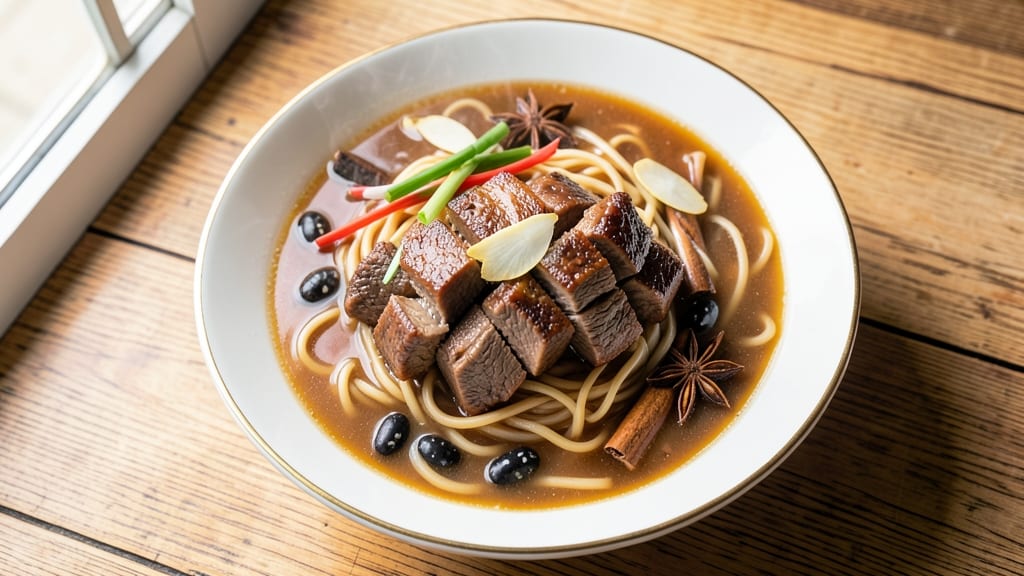
This authentic Chinese beef noodle soup recipe delivers the deep, aromatic broth and tender beef that make it a comfort classic. The secret lies in charring aromatics—ginger, garlic, and scallions—before simmering them with star anise, cinnamon, and soy sauce to build layers of umami.
I’ve perfected this technique over years of testing, ensuring the broth remains rich yet balanced, with just the right tang from fermented black beans and chili oil.
The key to authenticity is the double-boiling method: first searing the beef for tenderness, then simmering it in the broth until fork-tender. Silky rice noodles soak up the fragrant liquid, creating a harmonious bite with every spoonful.
This isn’t just soup—it’s a full meal in one bowl, packed with protein, vegetables, and the kind of warmth that lingers long after the last bite.
What sets this recipe apart is the attention to tradition without sacrificing home-cook simplicity. No shortcuts here: the spices must bloom, the beef must simmer low and slow, and the noodles must cook just until they’re tender.
The result? A bowl of soup so fragrant and satisfying, it tastes like a visit to your favorite Chinese eatery—except this time, you’re the one making it.
Garnish with fresh cilantro and scallions for brightness, and serve with a side of pickled vegetables to cut through the richness. This is the kind of recipe that becomes a weekly staple, especially on chilly evenings when you crave something hearty and deeply comforting.
Let’s get started—your taste buds will thank you.
Ingredients for authentic chinese beef noodle soup
Pantry staples meet aromatic spices for this fragrant, comforting bowl of beef noodle soup.
| Ingredient | Amount | Notes |
|---|---|---|
| Beef Chuck Roast 🥩 | 1 ½ lb | Cut into 1-inch cubes |
| Fresh Ginger Root 🌿 | 2 tbsp | Peeled, finely minced |
| Garlic Cloves 🧄 | 6 cloves | Peeled, smashed |
| Scallions 🧅 | 2 whole | White and green parts separated |
| Star Anise Pods 🌶️ | 2 whole | Lightly crushed |
| Cinnamon Sticks 🌿 | 2 whole | Each 3-inch stick |
| Dried Shiitake Mushrooms 🍄 | 4 whole | Rehydrated, sliced |
| Fermented Black Beans 🌶️ | ½ cup | Rinsed, sliced |
| Dark Soy Sauce 🥄 | 2 tbsp | High-quality brand |
| Light Soy Sauce 🥄 | 1 tbsp | For balance |
| Rice Vinegar 🍶 | 1 tbsp | White vinegar substitute |
| Sesame Oil 🫒 | 1 tbsp | Toasted for aroma |
| Chili Oil 🌶️ | 1 tbsp | Homemade or store-bought |
| Rice Noodles 🍜 | 8 oz | Medium-width, fresh or dried |
| Fresh Cilantro 🌿 | ¼ cup | Chopped for garnish |
| Cornstarch 🌾 | 1 tbsp | For thickening broth |
| Water 💧 | 8 cups | Filtered preferred |
The beef is non-negotiable here—chuck roast delivers that melt-in-your-mouth tenderness, while sirloin stays tough. Costco or Asian markets usually have it pre-cubed, but if you're cutting your own, aim for 1-inch pieces. Ginger and garlic? Fresh is essential—dried just won't cut it. For the star anise and cinnamon, spice markets or bulk bins give you the freshest, most aromatic options. The fermented black beans add that signature tang—look for them in the Asian aisle or order online if your store doesn't carry them.
No fresh shiitake mushrooms? Dried work perfectly—just soak them in hot water until pliable. Short on soy sauces? Double the dark soy and reduce slightly for depth. The rice noodles can be fresh or dried—fresh cook in 2 minutes, dried take 5-6. For the broth, homemade chili oil (chili flakes + neutral oil) beats store-bought every time. No sesame oil? Toasted peanut oil works in a pinch, though it's not traditional. And if you're worried about the vinegar taste, remember it mellows completely during cooking—trust me on that one.
Broth freezes beautifully—portion into ice cube trays for easy reheating. The beef and noodles? Consume within 3 days for best texture. Store the cilantro in a damp paper towel in a sealed bag to keep it fresh longer. This soup actually tastes better the next day as flavors meld—make a double batch if you can. Leftovers reheat perfectly in a pot or microwave, though I always prefer the stovetop method for that fresh-off-the-boil aroma.
Why You'll Love This Recipe
- One-Pot Wonder: I swear by this—just sear the chuck roast, toss in whole star anise and ginger slices, then walk away. The slow simmer does all the work while you handle the rest of dinner (or binge that show you’ve been putting off).
- Star Anise Secret: That little spice pod transforms everything—earthy, warm, and just slightly sweet. Honestly? It’s the reason this soup tastes like my grandma’s kitchen, not just a takeout knockoff. (And yes, you can find it at any Asian market.)
- Leftover Luxury: Make a double batch—this soup only gets better the next day. The beef shreds effortlessly, the broth deepens, and you’ve got a ready-to-heat meal for busy mornings. My freezer’s full of these, and I never regret it.
- Budget Booster: Beef chuck roast is cheap, and a pound stretches for days. Between us, this is how I feed my family for under $10 per meal. The ginger and garlic? You’ll use them in everything else anyway—no waste, all flavor.
Step-by-step instructions for authentic Chinese beef noodle soup
Here's how to build a rich, aromatic broth from scratch using traditional techniques.
Prepare the Beef and Aromatics
Cut the 1.5 lb beef chuck roast into 1-inch cubes and pat them dry with paper towels. This helps create a better sear later. In a separate bowl, combine the 2 tbsp finely minced fresh ginger root, 6 smashed garlic cloves, and 0.5 cup rinsed, sliced fermented black beans. Set aside—the ginger and garlic will form the aromatic base of your broth.
Lightly crush the 2 whole star anise pods and 2 whole cinnamon sticks with the side of your knife. These whole spices will infuse the broth with deep, warm flavors without needing to be removed later. Keep them whole so they're easy to fish out after cooking.
Sear the Beef and Build the Broth Base
Heat a large pot or Dutch oven over medium-high heat until hot. Add the beef cubes in a single layer and sear for 3-4 minutes per side until they develop a deep brown crust. This step is crucial—it locks in flavors and prevents the beef from becoming mushy. Work in batches if needed, but don't overcrowd the pot.
Once all beef is browned, remove it from the pot and set aside. Add 1 tbsp sesame oil to the pot and let it heat for 30 seconds until shimmering. Add the ginger-garlic-black bean mixture and stir for 1 minute until fragrant. Pour in the 8 cups water and bring to a rolling boil. Skim off any foam that rises to the surface—this ensures a clear, clean broth.
Simmer the Broth with Aromatics
Return the beef to the pot along with the crushed star anise pods, cinnamon sticks, and 2 whole scallions (white parts only). Reduce heat to low and let it simmer uncovered for 1.5 hours. You'll know it's ready when the beef is fork-tender and almost falling apart. The broth should smell rich and aromatic—like a mix of ginger, garlic, and warm spices.
After 1 hour, add the 4 rehydrated, sliced dried shiitake mushrooms to the pot. They'll absorb the flavors beautifully and add an earthy depth to the broth. If the broth reduces too much, add ½ cup hot water to maintain the level—you want enough liquid to properly cook the noodles later.
Season and Thicken the Broth
In a small bowl, mix together the 2 tbsp dark soy sauce, 1 tbsp light soy sauce, 1 tbsp rice vinegar, and 1 tbsp chili oil. Stir this mixture into the broth and taste. The dark soy sauce adds color and depth, while the light soy sauce balances the flavors. The vinegar brightens everything, and the chili oil adds a subtle kick.
Dissolve the 1 tbsp cornstarch in 2 tablespoons cold water to create a slurry. Slowly ladle this into the simmering broth while stirring constantly. Let it cook for 2-3 minutes until the broth thickens slightly—it should coat the back of a spoon but still be silky, not gluey. Remove the cinnamon sticks and star anise pods at this point.
Cook the Noodles and Assemble
While the broth finishes, prepare the 8 oz rice noodles according to package instructions—usually soaking in hot water for 5-8 minutes until pliable. Drain and rinse briefly with cold water to stop the cooking process. Divide the noodles among 4 bowls. Ladle the hot broth over the noodles, making sure each bowl gets an equal share of beef and mushrooms.
Garnish each serving with 1 tablespoon chopped fresh cilantro and the green parts of the scallions, sliced thinly. The cilantro adds freshness, while the scallions provide a crisp contrast to the rich broth. Serve immediately while the noodles are still warm and the broth is steaming—this is when the flavors are at their peak. Each bite should deliver tender beef, silky noodles, and a complex broth bursting with aromatic spices.
Pro Tips For Making Authentic Chinese Beef Noodle Soup
- Sear the Beef First: High heat. Seriously, crank it up to medium-high and sear the chuck roast in small batches until it’s deep brown—almost black in spots. This isn’t just for flavor; it’s the foundation of that rich, caramelized depth that separates good beef noodle soup from great. Skip this, and you’ll end up with something that tastes more like stewed beef than a proper broth.
- Slice Ginger Like a Pro: No, you don’t need to julienne it—just use a sharp knife and chop the ginger into thin, uneven slivers (about 1/8-inch thick). Toss them in whole, and they’ll infuse the broth without turning it bitter. I used to grind it, thinking it’d release flavor faster, but it just made the soup taste like medicine. Thin slices work every time.
- Don’t Crowd the Pot: If you’re using a Dutch oven, resist the urge to fill it more than halfway with water. A tighter broth concentrates flavor, but if you overload it, the beef will poach instead of simmer properly. Start with 8 cups cold water, then add more only if needed—this keeps the broth rich and the meat tender without turning it to mush.
- Toast the Star Anise: Dry-toast the star anise pods in a separate pan over medium heat for 30 seconds until fragrant—you’ll smell it, trust me. This unlocks their aroma before they hit the broth. I learned this the hard way after making soup that tasted like medicine. A quick toast makes all the difference in that subtle, warm spice note.
Serving suggestions for this dish
Bowl Presentation
Start with a deep, wide bowl to showcase the soup’s richness—stoneware or ceramic bowls work best. Arrange the silky rice noodles in a circular pattern at the bottom, creating a nest for the broth.
Ladle the hot broth over the noodles, ensuring each spoonful carries tender beef chunks and shiitake slices. The visual contrast between the golden broth and pale noodles makes the dish instantly inviting. 🥣
Garnish Like a Pro
Fresh garnishes elevate the dish from homemade to restaurant-quality. Sprinkle chopped cilantro (about 1 tbsp per bowl) for a bright, herbal note that cuts through the richness. Top with thinly sliced scallion greens for a crisp, oniony crunch.
For extra flair, add a drizzle of chili oil (about ½ tsp) or a pinch of toasted sesame seeds—both add texture and depth. 🌿
Side Pairings
Serve with pickled vegetables like cucumbers or daikon radish to balance the soup’s richness. The tangy crunch cleanses the palate between bites. For a heartier meal, add steamed bok choy or blistered green beans—their vibrant color and mild flavor complement the beef’s depth.
A side of jasmine rice or mantou (steamed buns) soaks up any leftover broth beautifully. 🥬
Dipping Sauce
Whisk together 1 tbsp soy sauce, 1 tsp rice vinegar, ½ tsp sesame oil, and a pinch of sugar for a quick dipping sauce. This enhances the soup’s flavors and adds another layer of umami.
For heat lovers, stir in ½ tsp chili paste or sriracha. Serve in small bowls on the table for customization. 🍶
Family-Style Serving
For gatherings, use a large ceramic tureen to keep the soup warm and let everyone serve themselves. Place individual bowls of noodles at each setting and let guests ladle the broth over their noodles.
This interactive style turns a simple meal into a communal experience. Keep the garnishes and dipping sauce in the center of the table for easy access. 👨👩👧👦
Leftovers Strategy
Store leftovers in airtight containers in the fridge for up to 3 days. Reheat gently on the stovetop with a splash of water to restore the broth’s silkiness.
Save any extra broth in ice cube trays for quick future meals—it freezes well and can be used in stir-fries or rice dishes. The noodles reheat best when submerged in hot broth, not microwaved. 💡
Nutrition facts
Frequently asked questions
Can I substitute beef with another protein?
While beef is traditional, you can use pork shoulder or chicken thighs for a lighter version. For pork, increase cooking time to 2 hours for tenderness. Chicken works best with 1.5 hours of simmering, but the broth will be less rich. Avoid lean cuts like breast—they dry out. If using tofu, reduce soy sauce by 1 tbsp and add ½ tsp msg for umami depth.
Why does my broth taste bitter?
Bitterness usually comes from overcooking the aromatics or beef. Skim foam aggressively during the initial boil, and never let the broth boil vigorously after adding spices. For extra insurance, add 1 tsp sugar or ½ tsp baking soda to neutralize bitterness. If it's still too strong, strain and start fresh with 4 cups fresh water and 1 cup reserved broth.
Can I make this soup in an Instant Pot?
Yes! Sear beef first in a skillet, then transfer to the Instant Pot with all aromatics. Use 6 cups water and cook on high pressure for 45 minutes. Natural release for 15 minutes before opening. The pressure method keeps the beef tender without overcooking the broth. Finish with the same seasoning and thickening steps as the stovetop version.
What's the difference between dark and light soy sauce?
Dark soy sauce is thicker, sweeter, and gives the broth its signature deep amber color and caramelized flavor. Light soy sauce is thinner with more salt and umami. Use 2 tbsp dark + 1 tbsp light for balance—dark for color/flavor, light for saltiness. Never substitute with regular soy sauce; it lacks the complexity and won't create that restaurant-quality appearance.
How do I know when the beef is done?
The beef should be fork-tender with no pink center—it should almost fall apart when pierced. For precise timing, use a meat thermometer (195°F internal temp). If it's still tough after 1.5 hours, add ½ cup hot water and simmer uncovered for 30 more minutes. Never rush this step; tough beef ruins the dish.