
Soups & Stews
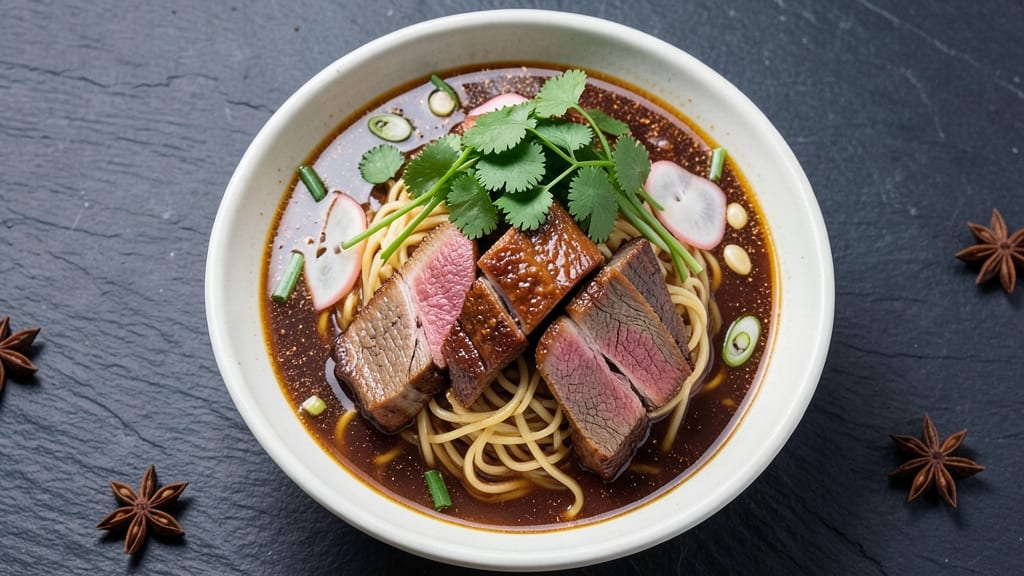
This Hong Kong-style beef brisket noodle soup delivers the deep, smoky flavors of braised brisket in a velvety broth, perfectly balanced with slippery rice noodles.
The secret lies in slow-braising the beef with star anise, soy sauce, and five-spice powder—transforming tough cuts into tender, flavorful strips that melt in your mouth. Every spoonful carries layers of umami and warmth, making it a comforting staple in Hong Kong’s street food culture.
The recipe begins with a foolproof braising method that infuses the beef with aromatic spices over 3 hours, ensuring rich, caramelized flavors. Meanwhile, the broth simmers with ginger, garlic, and fermented bean paste, creating a complex base that’s both savory and slightly sweet.
The result is a restaurant-quality soup that’s hearty enough for a cold evening but simple enough for weeknight dinners.
Slippery rice noodles absorb the broth beautifully, while garnishes like green onions, cilantro, and a drizzle of chili oil add freshness and heat. Serve with steamed buns or pickled vegetables for the full Hong Kong experience—each bite is a harmonious blend of texture and flavor.
The best part? This authentic yet approachable recipe lets you taste the streets of Hong Kong without leaving your kitchen.
Perfect for feeding a crowd or meal prepping, this soup keeps well for 3 days in the fridge, with flavors deepening over time. Whether you're craving a cozy meal or recreating a beloved memory, this recipe delivers smoky, spice-braised beef that’s impossible to resist. Let’s get started!
Ingredients for beef brisket noodle soup hong kong
Authentic Hong Kong flavors start with these carefully chosen ingredients for a restaurant-quality brisket noodle soup.
| Ingredient | Amount | Notes |
|---|---|---|
| Beef Brisket 🥩 | 2 lb | Flat cut, trimmed of excess fat |
| Star Anise Pods 🌿 | 4 whole | Whole pods for infusion |
| Five-Spice Powder 🌶️ | 1 tbsp | Authentic Chinese blend |
| Dark Soy Sauce 🥄 | ½ cup | For deep umami flavor |
| Fermented Bean Paste 🌶️ | 2 tbsp | Doubanjiang for authentic taste |
| Fresh Ginger 🧄 | ½ cup | Julienned, skin removed |
| Garlic Cloves 🧄 | 8 cloves | Minced for aromatic base |
| Slippery Rice Noodles 🍜 | 12 oz | Fresh or dried, soaked per package |
| Dried Shiitake Mushrooms 🍄 | 4 whole | Rehydrated for earthy depth |
| Green Onions 🧅 | ¼ cup | Sliced, for garnish |
| Fresh Cilantro 🌿 | ¼ cup | Chopped, for brightness |
| Chili Oil 🌶️ | ¼ cup | Store-bought or homemade |
| Sesame Oil 🫒 | 1 tbsp | Toasted for nutty aroma |
| Salt 🧂 | 1 ½ tsp | Kosher or sea salt |
| White Peppercorns 🌶️ | ½ tsp | Freshly ground preferred |
The beef brisket is the heart of this dish—look for a flat cut with good marbling at Whole Foods or your local Asian market. Costco often carries pre-cut brisket, but trim any visible fat to avoid greasy broth. Star anise and five-spice powder are non-negotiable for that signature smoky aroma; Penzeys Spices sells authentic blends if your grocery store lacks them. Fermented bean paste (doubanjiang) can be found in the Asian aisle—Lee Kum Kee makes a reliable jarred version. For ginger, grab fresh organic when possible; its pungency deepens during the long braise.
No star anise? 1 tsp ground anise seed works in a pinch, but the flavor will be subtler. Substitute five-spice with a mix of cinnamon, cloves, and fennel at half the amount. Fermented bean paste unavailable? 1 tbsp tomato paste plus 1 tsp smoked paprika mimics its depth. The rice noodles must be slippery—dried noodles (like Vietnamese banh pho noodles) work if soaked properly, but fresh is ideal. For the mushrooms, dried shiitakes add unmatched umami; if using fresh, double the amount. The chili oil can be homemade (chili flakes + neutral oil) or store-bought—just ensure it’s hot enough to stand out.
Braised beef keeps for 4-5 days in the fridge, with flavors intensifying—reheat gently with broth. The noodles should be cooked and chilled immediately after soaking to prevent mushiness. Store chili oil in a cool, dark place for up to 6 months; sesame oil lasts 12 months unopened. For meal prep, assemble bowls just before serving to maintain crispness in the noodles. Freeze broth separately in 1-cup portions for quick soups later.
Why You'll Love This Recipe
- One-Pot Magic: I swear by this recipe—just toss brisket, star anise, and five-spice into a pot with broth, and walk away. The slow simmer does all the work while you handle life’s other chaos. (Between us, I’ve made it twice while scrolling through emails.)
- Umami Bomb: That fermented bean paste and dark soy sauce combo? Next-level. Deep, savory, with just a hint of smoky richness—like someone cracked open a secret Hong Kong spice vault. The brisket practically melts into the broth, but it’s never mushy.
- Leftovers That Lie: Honestly, I make this for dinner and pretend it’s lunch the next day. The flavors only get better as the spices steep overnight. Freeze half for when you’re too tired to cook—just reheat and add fresh noodles.
- Budget Beef Boost: A pound of brisket stretches across two meals, and the spices cost pennies. I’ll be real: this is how I feed my family hearty meals without breaking the bank. The star anise and five-spice make it feel fancy, though.
Step-by-step instructions for authentic Hong Kong beef brisket noodle soup
Master this rich, aromatic soup with tender braised beef and delicate slippery rice noodles.
Prepare the Beef Marinade and Braise
In a large Dutch oven, combine the 2 lb beef brisket, 4 whole star anise pods, 1 tbsp five-spice powder, 0.5 cup dark soy sauce, 2 tbsp fermented bean paste, 0.5 cup julienned fresh ginger, and 8 minced garlic cloves. Mix well to ensure the marinade coats every surface of the beef. Here's the thing—this marinade needs time to penetrate, so let it sit at room temperature for 30 minutes while you prepare the rest of your ingredients.
After marinating, place the beef in the Dutch oven and add enough cold water to cover it by 2 inches. Bring to a boil over high heat, then immediately reduce to a simmer. The key here is patience—cover and simmer for 2 hours until the beef becomes fork-tender. You'll know it's ready when the meat pulls apart easily and the broth has reduced to a rich, concentrated consistency. Skim off any foam that rises to the surface during the first 30 minutes of cooking to ensure a clear broth.
Build the Flavor Base and Rehydrate Mushrooms
While the beef braises, prepare the dried shiitake mushrooms by soaking them in 2 cups hot water for 20 minutes until softened. Remove the mushrooms and set aside, reserving the soaking liquid. In a separate small bowl, combine 1.5 tsp salt and 0.5 tsp freshly ground white peppercorns—this will be used later for seasoning.
Once the beef is tender, carefully remove it from the broth and set it aside. Strain the broth through a fine-mesh sieve to remove the star anise pods and any remaining solids. Return the broth to the Dutch oven and bring it to a gentle simmer over medium heat. Add the reserved mushroom soaking liquid and the rehydrated mushrooms to the broth. Simmer for an additional 15 minutes to infuse the earthy mushroom flavor into the broth. This step is where the soup's depth of flavor develops—don't rush it.
Cook the Slippery Rice Noodles
While the broth simmers, prepare the 12 oz slippery rice noodles according to package instructions. These noodles are delicate and cook quickly, so pay close attention. Typically, they require 3-5 minutes of boiling in a separate pot of water until they become translucent and tender. Drain immediately and rinse briefly under cold water to stop the cooking process. This prevents the noodles from becoming mushy when added to the hot soup later.
Here's a pro tip: If using fresh noodles, cook them just until they're pliable—overcooking will turn them into a gluey mess. The noodles should be tender but still hold their shape when drained. Set them aside in a colander and keep them covered to prevent drying out.
Assemble and Finish the Soup
Return the braised beef to the Dutch oven and heat the broth over medium-low heat until it reaches a gentle simmer. Add the cooked slippery rice noodles and stir gently to combine. The noodles will absorb some of the broth, so add ½ cup hot water if the soup becomes too thick. Simmer for an additional 2-3 minutes to allow the noodles to soften further in the hot broth.
Remove the soup from heat and stir in 1 tbsp toasted sesame oil and 0.25 cup chili oil for a final burst of aroma and heat. Taste and adjust the seasoning with additional salt or pepper if needed. The soup should be rich, savory, and slightly spicy with a deep umami flavor from the braised beef and mushrooms.
Serve with Garnishes and Enjoy
Ladle the soup into individual bowls, garnishing each serving with 0.25 cup sliced green onions and 0.25 cup chopped fresh cilantro. The garnishes not only add visual appeal but also provide a fresh contrast to the rich, smoky flavors of the soup. Serve immediately while the noodles are still warm and the broth is steaming hot.
This Hong Kong-style beef brisket noodle soup is best enjoyed fresh, with each bite delivering a perfect balance of tender beef, delicate noodles, and aromatic broth. The combination of star anise, five-spice powder, and fermented bean paste creates a complex flavor profile that's both comforting and deeply satisfying. Leftovers can be stored in the refrigerator for up to 3 days, but they won't taste quite as vibrant as when freshly made.
Pro Tips For Making Beef Brisket Noodle Soup Hong Kong
- Trim the fat first: Cut the brisket against the grain and remove the thick silver skin before cooking—it’s the only way to avoid a greasy, uneven texture. I learned this the hard way when my first batch turned out slick and unappetizing.
- Bloom the spices: Toast the star anise and five-spice powder in a dry pan for 30 seconds until fragrant before adding liquid—this unlocks their flavor instead of letting them sit bland. (Yes, even if you’re impatient like me.)
- Simmer slow and low: Keep the soup at a gentle bubble (95°C/203°F) for at least 2 hours after the brisket comes to temperature—rushing this step turns tough meat into chewy disappointment. A thermometer helps if you’re unsure.
- Finish with fermented bean paste: Stir in the fermented bean paste off the heat with a splash of dark soy sauce—this balances the richness without overpowering. (Your future self will notice the difference.)
Storing and reheating your leftovers
Refrigerator Storage
Store your brisket noodle soup in an airtight glass container for up to 3 days in the refrigerator. The flavors actually deepen overnight as the spices meld further, but the noodles may soften slightly.
Keep the broth and beef separate from the noodles to maintain texture—reheat them together just before serving. 🌡️
For the beef and broth alone, portion into 1-cup glass jars (like Ball Mason jars) and refrigerate. The beef stays tender and flavorful for 4-5 days, while the broth can be frozen separately for up to 3 months. Label everything with dates to track freshness.
Freezer Prep Tips
Freeze the broth in 1-cup portions using silicone ice cube trays—this makes it easy to thaw just what you need. For the beef, wrap individual slices in parchment paper and store in a freezer bag for up to 2 months.
The noodles don’t freeze well, so cook them fresh when reheating.
To reheat frozen broth, thaw overnight in the fridge, then warm on the stovetop over medium-low heat until steaming. For the beef, simmer in fresh broth for 5-10 minutes until heated through. Avoid microwaving—it can make the beef tough. ❄️
Noodle Freshness Hacks
Cook the noodles fresh when reheating to prevent mushiness. Soak dried slippery rice noodles in hot water for 5-7 minutes, drain, and rinse with cold water.
Toss them with 1 tsp sesame oil and a pinch of salt before adding to the reheated soup. This keeps them tender and slippery.
For extra flavor, stir in 1 tsp fermented bean paste or a splash of dark soy sauce when reheating. The noodles will absorb these aromatics beautifully, making even leftovers taste like a fresh bowl. 🍜
Broth Boosting
If your broth tastes flat after reheating, revive it with 1 tsp toasted sesame oil and a few drops of chili oil. Simmer for 2-3 minutes to infuse the flavors back in.
For a richer texture, whisk in 1 tbsp cornstarch mixed with 2 tbsp water to thicken it slightly.
Add a splash of hot water if the broth is too thick, or a pinch of white pepper for warmth. The key is balancing the flavors—trust your taste buds and adjust as needed. This is where the magic happens! ✨
Nutrition facts
Frequently asked questions
Can I substitute brisket with another cut of beef?
Yes! For similar results, use chuck roast or short ribs—both braise well. However, brisket's leaner texture gives the classic Hong Kong tenderness. If using short ribs, reduce braising time to 1.5 hours since they cook faster. Avoid tough cuts like flank steak, which won't become tender with this method.
Why does my soup taste too salty?
Dark soy sauce and fermented bean paste are salty—taste as you go! If needed, dilute with ½ cup hot water or balance with 1 tsp sugar to mellow the saltiness. For future batches, reduce soy sauce to 0.3 cups and adjust to taste after braising. The mushrooms and beef will add natural umami without extra salt.
How do I make this soup spicier?
Double the chili oil to 0.5 cup or add 1 tsp chili flakes to the broth while simmering. For heat lovers, stir in 1 tbsp sambal oelek with the sesame oil before serving. Garnish with extra sliced chili peppers or a dash of Sichuan peppercorn powder for a numbing kick.
Can I use egg noodles instead of rice noodles?
Egg noodles work, but they’re thicker and won’t match the slippery texture of rice noodles. For a closer substitute, use vermicelli or udon noodles (soak udon for 10 minutes in hot water). If sticking with egg noodles, cook them al dente and add them to the soup 2 minutes before serving to prevent overcooking.
What’s the secret to the best broth?
The magic is in the long braise and layered flavors! Simmer the beef with star anise and ginger to build depth, then strain and reduce the broth by 20% for richness. Add mushrooms last to preserve their texture. For extra umami, stir in 1 tsp fish sauce or a splash of oyster sauce before serving.